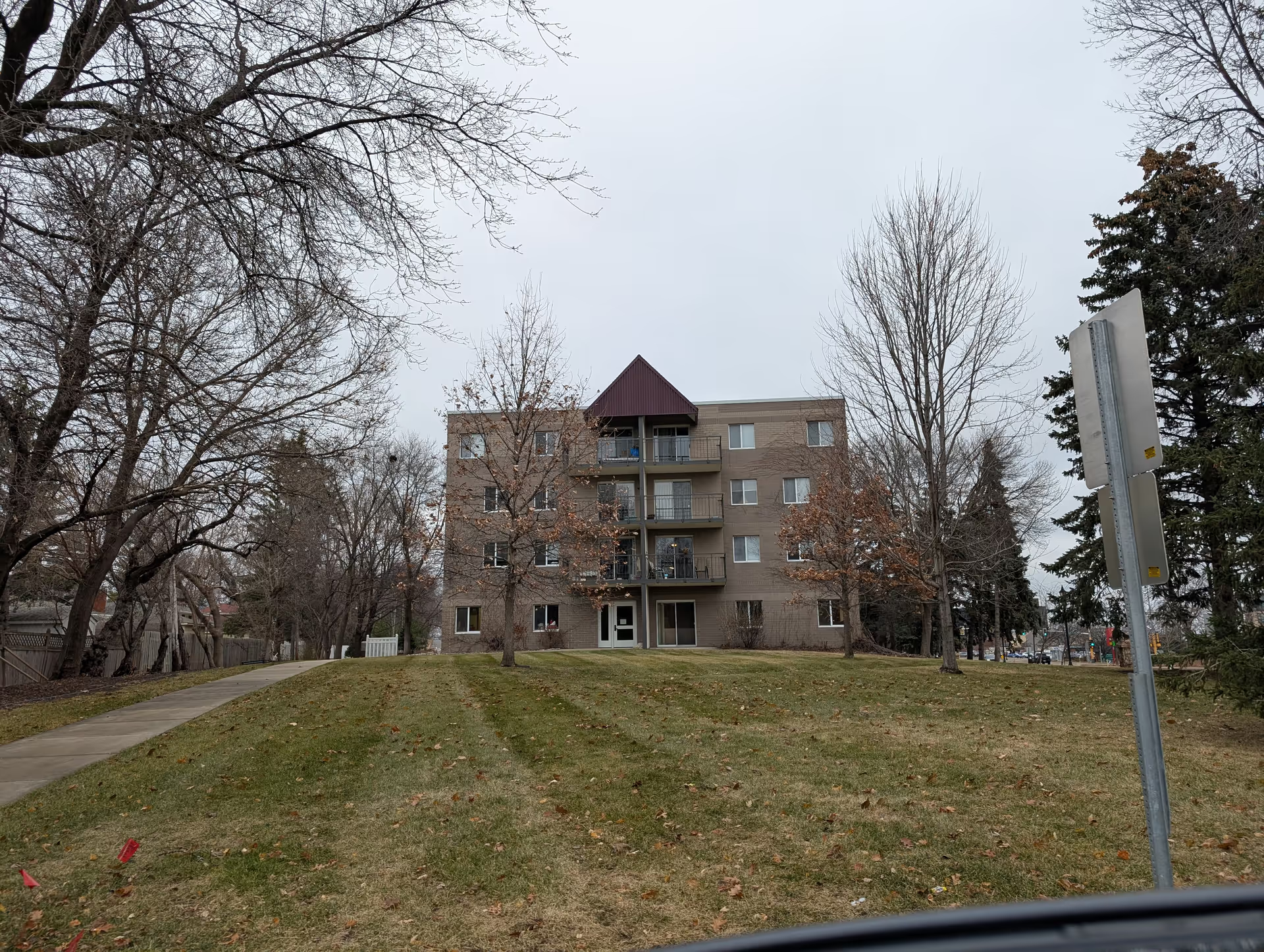
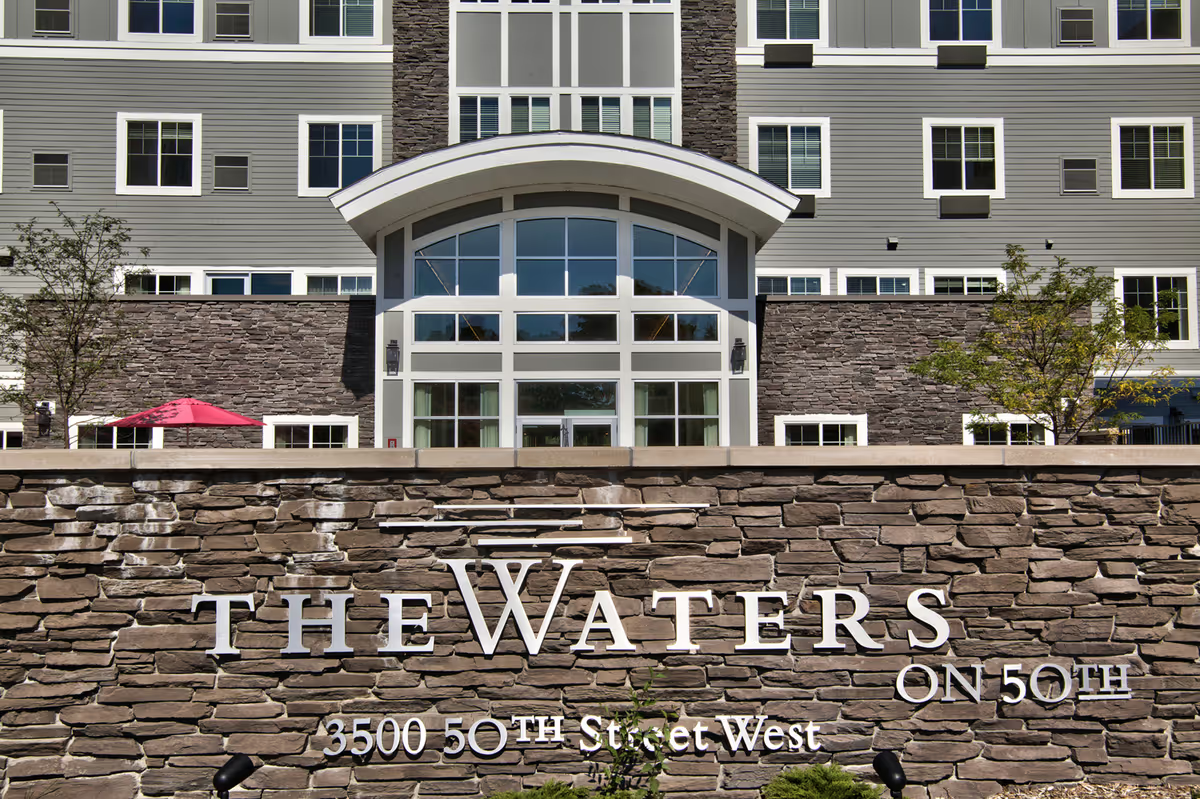
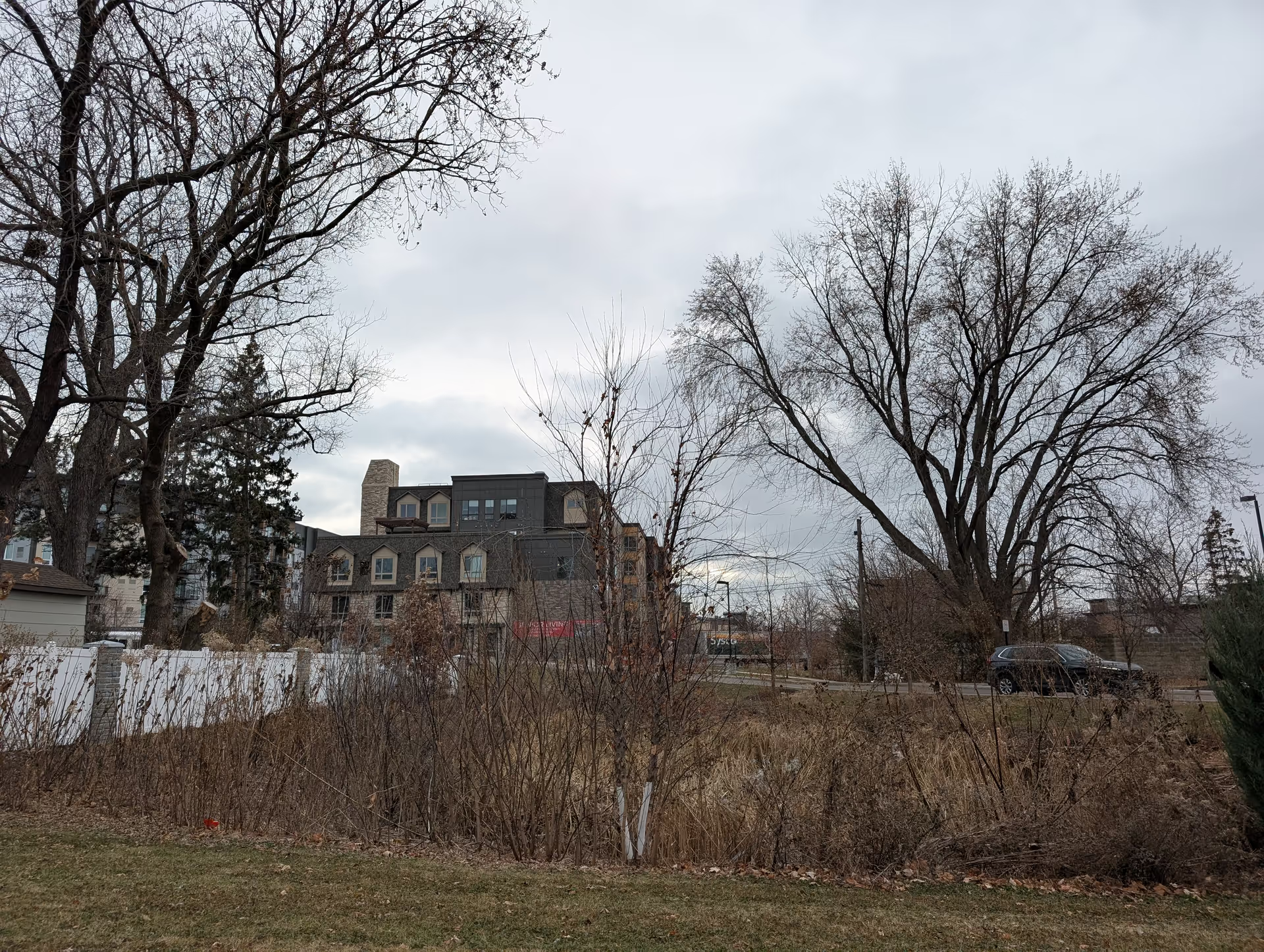
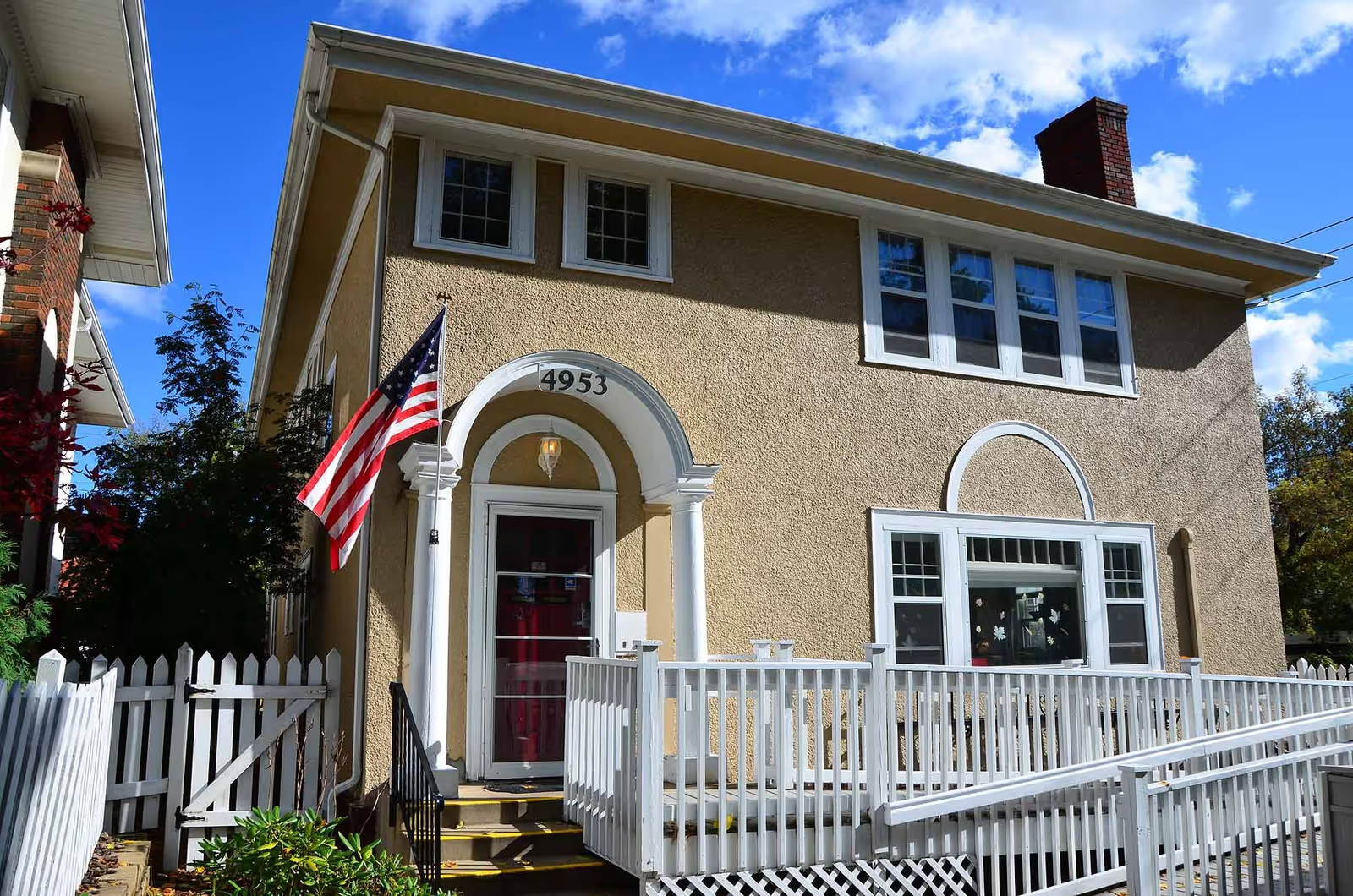
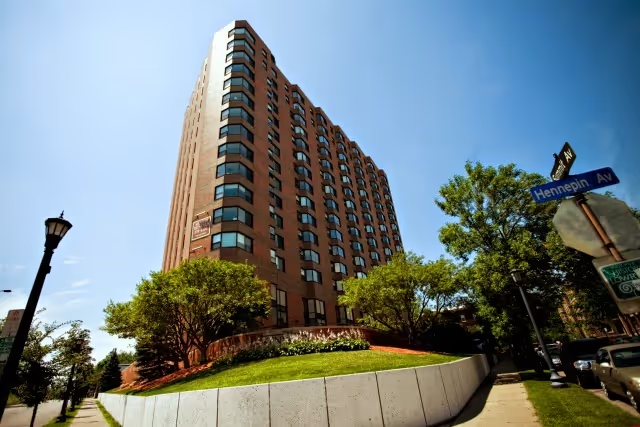
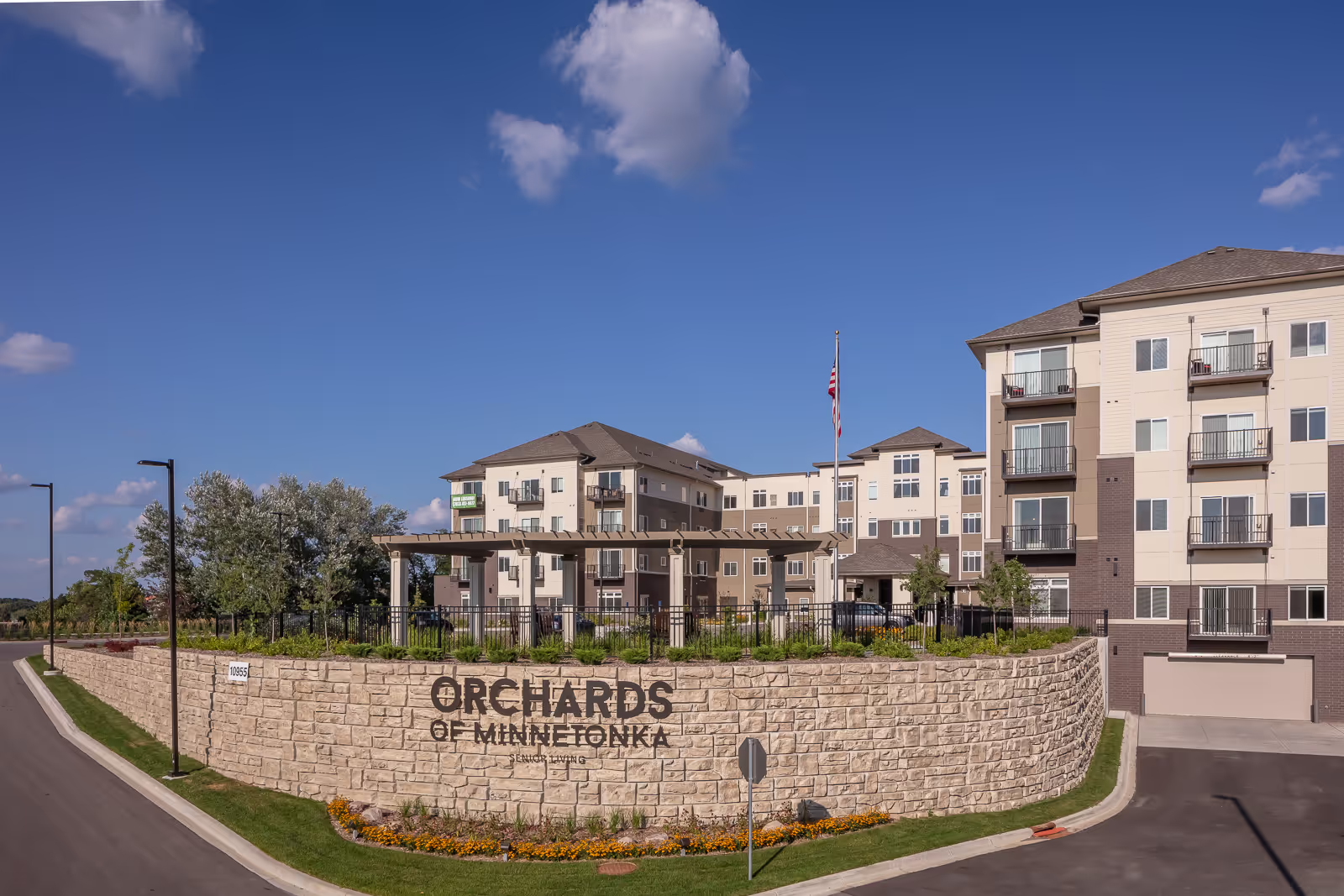
Overall impression is strongly positive with recurrent praise for the staff, programming, and facility quality. Many families and residents highlight compassionate, well-trained caregivers, attentive monitoring, and regular family communication. The community projects a home-like, welcoming atmosphere with a well-maintained, contemporary building and apartments. Safety- and mobility-focused design features, accessible layouts, and on-site amenities contribute to a sense of convenience and security.
Care and staffing are the most frequently commended elements. Reviewers emphasize individualized attention, competent nursing and caregiving, coordinated clinical partnerships (including hospice transitions), and an ability to meet medical needs. Staff are often described as patient, involved, and responsive. That said, there is a pattern of variability in staff conduct and responsiveness: while many families describe exemplary interactions, a subset described lapses in bedside attentiveness and tone that suggest inconsistent staff performance in certain units or shifts.
Dining and activities are clear strengths. The culinary team receives repeated positive remarks for meal quality and an engaged chef; dining flexibility (resident cooking options in apartments) is appreciated. Criticisms cluster around meal service consistency—particularly meal temperature and occasional declines in appetite or acceptability for some residents. The activities program is varied and notable for intergenerational opportunities (on-site daycare, grandfriends), memory-care engagement, virtual offerings during the pandemic, and frequent social programming; however, activity-level matching can be uneven, with some residents seeking more challenging options.
Facility features and management practices are generally well regarded. The building is described as new, clean, and well-maintained, with pleasant common areas, gardens, and transportation services. Management and front-desk staff receive favorable comments for responsiveness and coordination. Areas for operational improvement include the admissions process — families described it as lengthy, financially burdensome, and at times non-transparent — and the community’s pricing and insurance acceptance (including limited Medicare acceptance) which may restrict access for some prospective residents. A few accounts raised sanitation and incontinence-care concerns and noted occasional delays in morning care routines, indicating opportunities to standardize clinical oversight and staffing patterns.
In summary, TowerLight on Wooddale Avenue presents as a modern, activity-rich community with strong caregiving, notable intergenerational programming, and attractive facilities. Prospective residents and families should weigh the consistently praised strengths in staff, programming, and environment against practical considerations such as cost/insurance policies, admissions procedures, and variability in certain operational areas (timeliness of personal care, meal-service consistency, and occasional sanitation concerns). Touring the community, meeting staff on different shifts, and clarifying admissions and financial policies are recommended steps for families evaluating fit and continuity of care.