This facility is presented as a small, home-like Victorian residence with an emphasis on compassionate, family-style caregiving. Many reviewers highlighted continuous clinical coverage — around-the-clock nursing staff and access to an affiliated physician — and described staff who follow individualized care instructions. The leadership style is characterized as respectful and hands-on, and staff–resident interactions are repeatedly described as warm and attentive.
Dining and activities appear to be strengths of the household model. The home has on-site kitchens, communal dining without extra charge, regular outings, and a transportation van for residents. Reviewers noted a range of programming, including entertainment and social engagement, and described residents as engaged and comfortable in the setting.
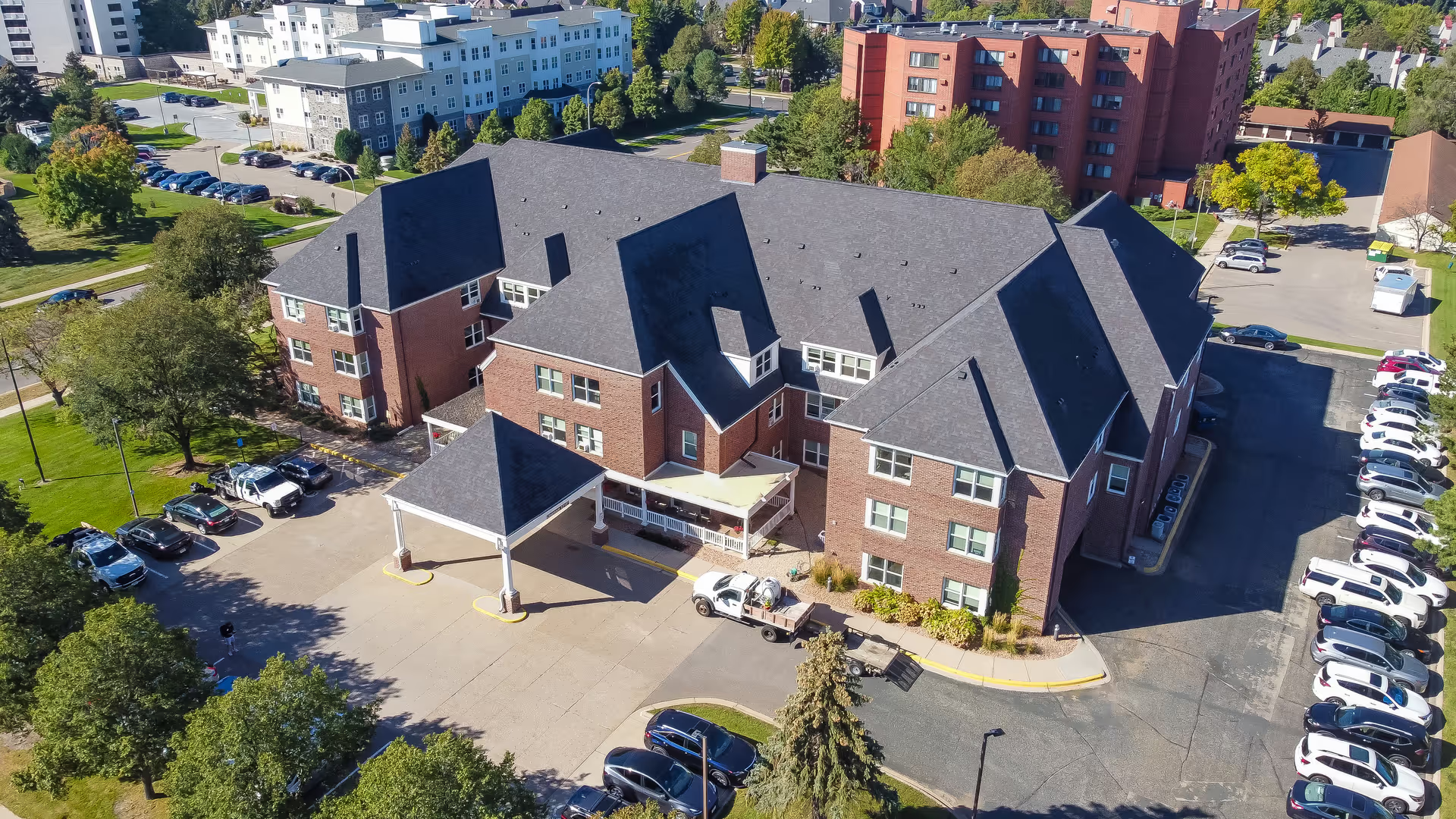
The physical plant reflects an older Victorian house converted to residential care. Common areas are described as large and house-like, and the interior is generally described as clean and secure. Room configurations include private and shared rooms; however, shared rooms are reported to be very small. The building’s layout and historic construction create accessibility challenges: narrow, darker stairways and an upstairs bathroom that is not yet accessible were specifically mentioned. Those design constraints contribute to safety and visibility concerns, especially for residents with mobility limitations.
A notable operational concern raised across the feedback is environmental risk management for residents with cognitive impairment. Kitchens on multiple floors and general household access can create supervision challenges unless robust access controls and monitoring are in place. Prospective families should clarify how the facility manages kitchen access, wandering risk, and other behavioral-safety controls for residents with dementia.
Cost and eligibility are mixed considerations. Some reviewers described the pricing as affordable, while at least one commenter indicated the cost was not affordable and noted that the home does not operate as a Veterans Home. Prospective residents should confirm current fees, what is included in those fees (for example, meals and transportation), and eligibility for any benefits.
Overall, the facility’s strengths are its small, intimate setting, consistent nursing availability, personalized care, and active social programming. The primary limitations are physical-plant constraints and room-size limitations inherent to an older house, along with the need for clear, documented approaches to environmental safety for residents with cognitive impairment and clarity on cost/benefit eligibility. Families considering placement should arrange an in-person visit to evaluate room dimensions, stairway visibility and safety, upper-floor accessibility, and the specific measures used to manage dementia-related risks, and should obtain written detail on costs and clinical supports.