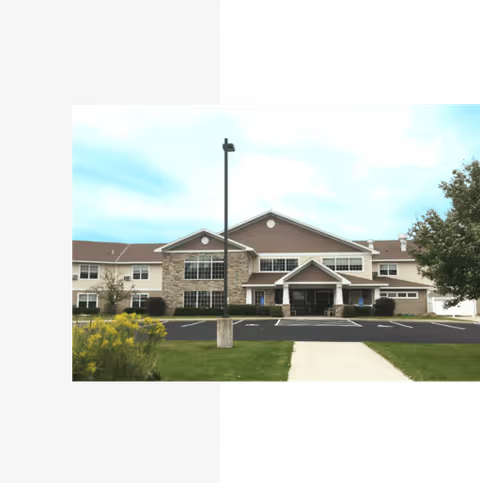
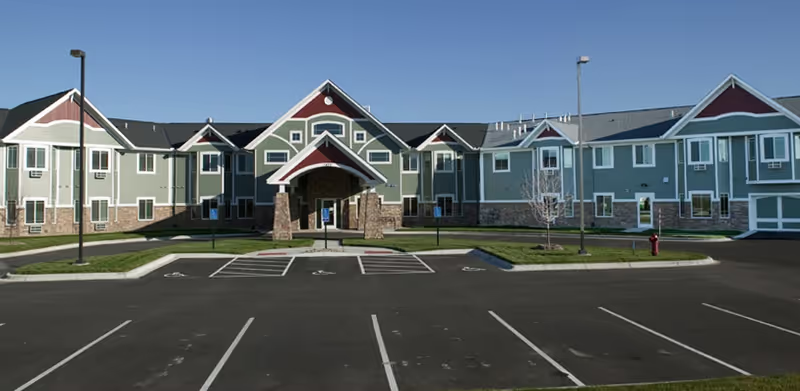
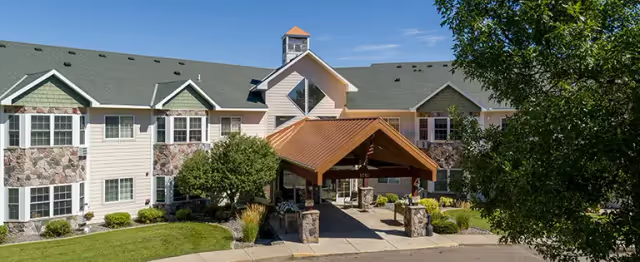
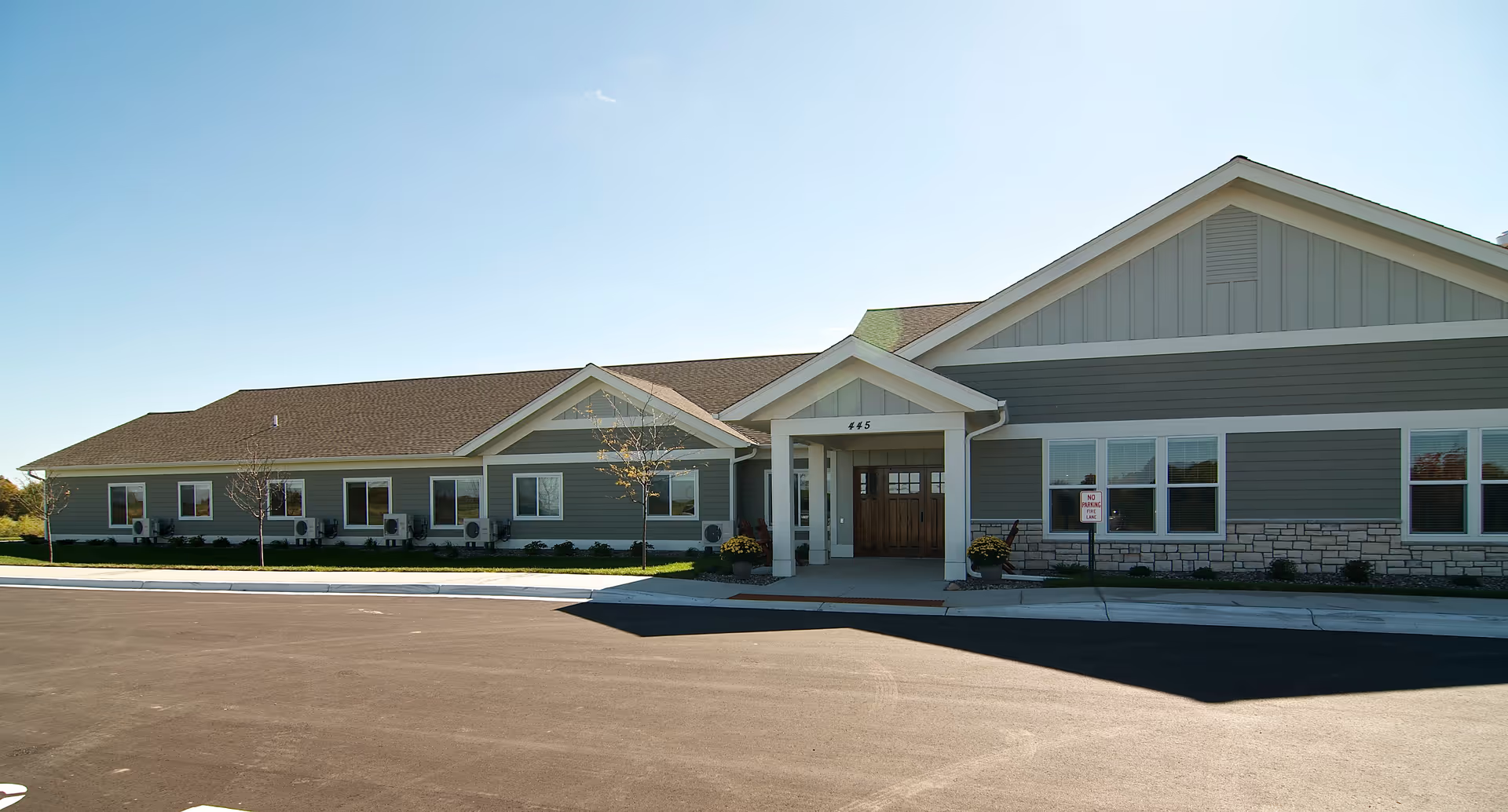
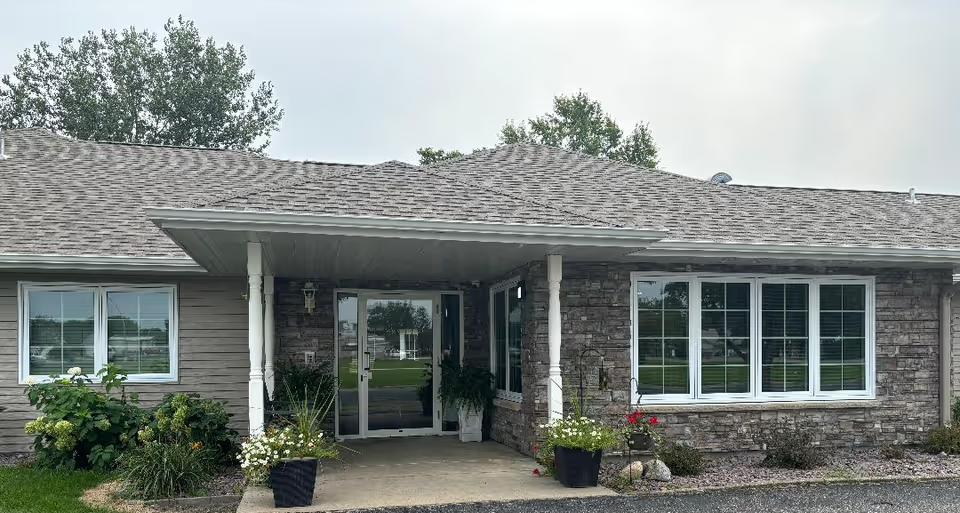
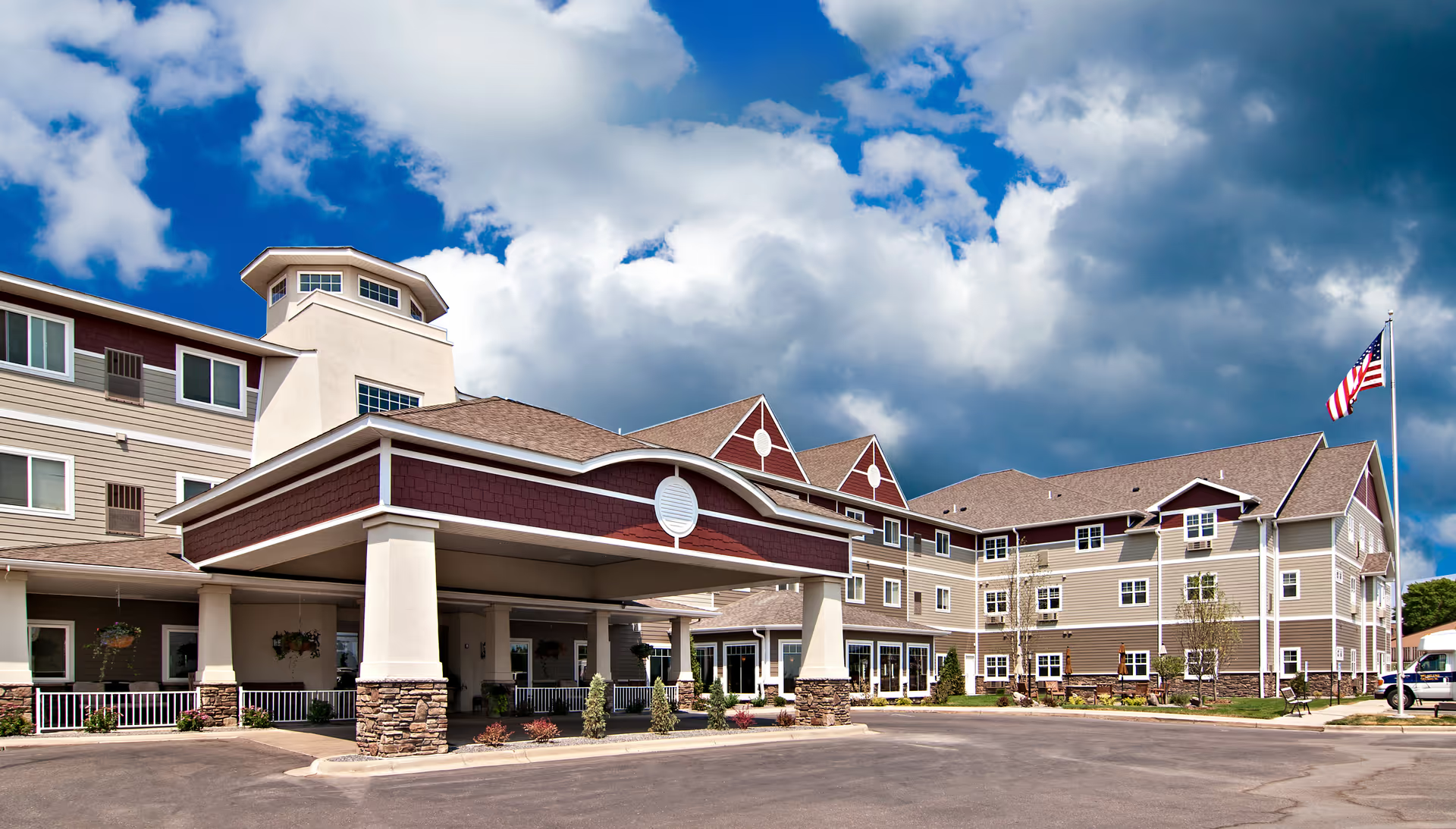
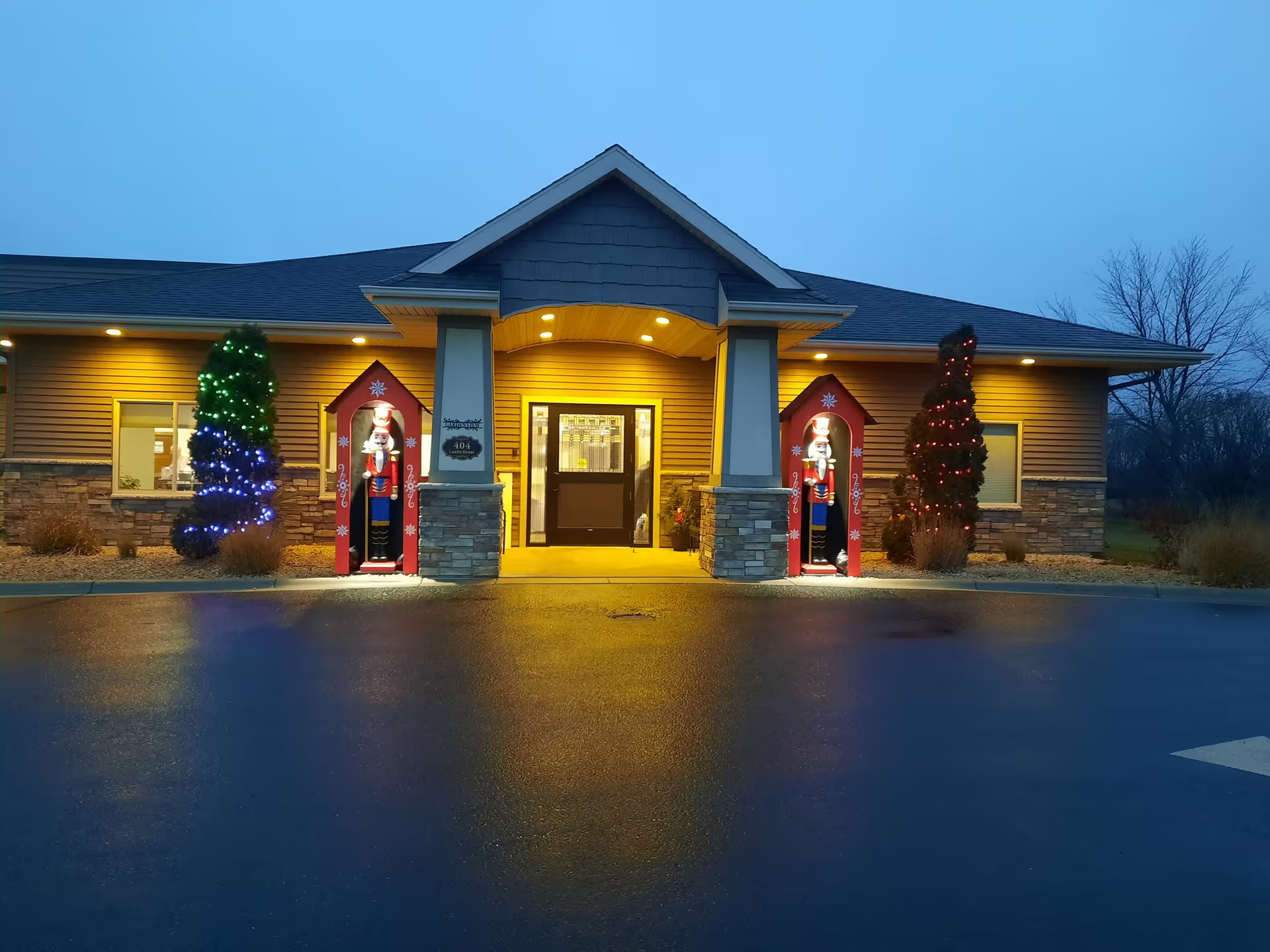
Overall impression: Harmony River elicits a polarized set of impressions: many families praise the facility's environment and the compassion of individual caregivers, while others identify operational gaps that affect consistency of care. The campus is frequently described as attractive, homey, and well maintained, with bright interior spaces, a coffee shop, gardens, dedicated therapy areas, and multiple on-site services that support resident quality of life. Community traditions and social programming — seasonal events, caroling, movie nights, chapel services, and an active activities schedule — are recurrently cited as strengths that contribute to a family-oriented atmosphere.
Care quality and staff: Reviewers consistently note that many nurses and direct-care staff are kind, attentive, and committed; several accounts highlight staff who went above and beyond and families who felt their loved ones were treated with respect. At the same time, there are clear patterns pointing to inconsistent clinical performance: some families described unmet clinical needs, perceived lack of a team approach, and uncertainty about the facility's ability to manage complex transitional or dementia-related needs. Understaffing and high workload were commonly linked to delayed responses and variability in daily care routines. These operational pressures appear to be a primary driver of the inconsistent experiences described.
Dining, activities, and facilities: Dining and communal spaces are viewed positively — reviewers mention pleasant dining rooms, event spaces, a gym, barber/beauty services, and an overall well-kept physical plant. Programming is a notable strength: frequent social activities, spiritual services, and rehabilitation offerings support engagement and physical recovery. Families noted the presence of a rehab area and 24-hour nursing, which can be important for post-acute care and ongoing clinical needs.
Management, communication, and technology: Management impressions are mixed. Some families praised staff members for facilitating smooth transitions and maintaining open communication; others described management as unhelpful and cited coordination problems. Communication systems are an operational weak point in several accounts: reviewers noted limited options for virtual visits and family outreach (a reliance on landlines, lack of video-chat platforms), inconsistent updates, and occasions when nursing staff were slow to answer questions. These communication and coordination gaps exacerbate concerns when staffing is tight or when residents have complex needs.
Notable patterns and takeaways: The facility presents strong environmental and programmatic assets that support resident quality of life, and many families had very positive experiences with individual caregivers. However, recurring themes of understaffing, uneven clinical consistency, limitations in dementia/transitional-care capability, and gaps in family communication suggest prospective residents and families should assess staffing levels, care-team processes, and technology/communication options during a tour. For those prioritizing a pleasant campus with robust social programming and compassionate caregivers, Harmony River may be a good fit; for residents with advanced dementia or highly complex clinical needs, families should seek specific assurances about care protocols, staffing ratios, and care-team coordination before committing.