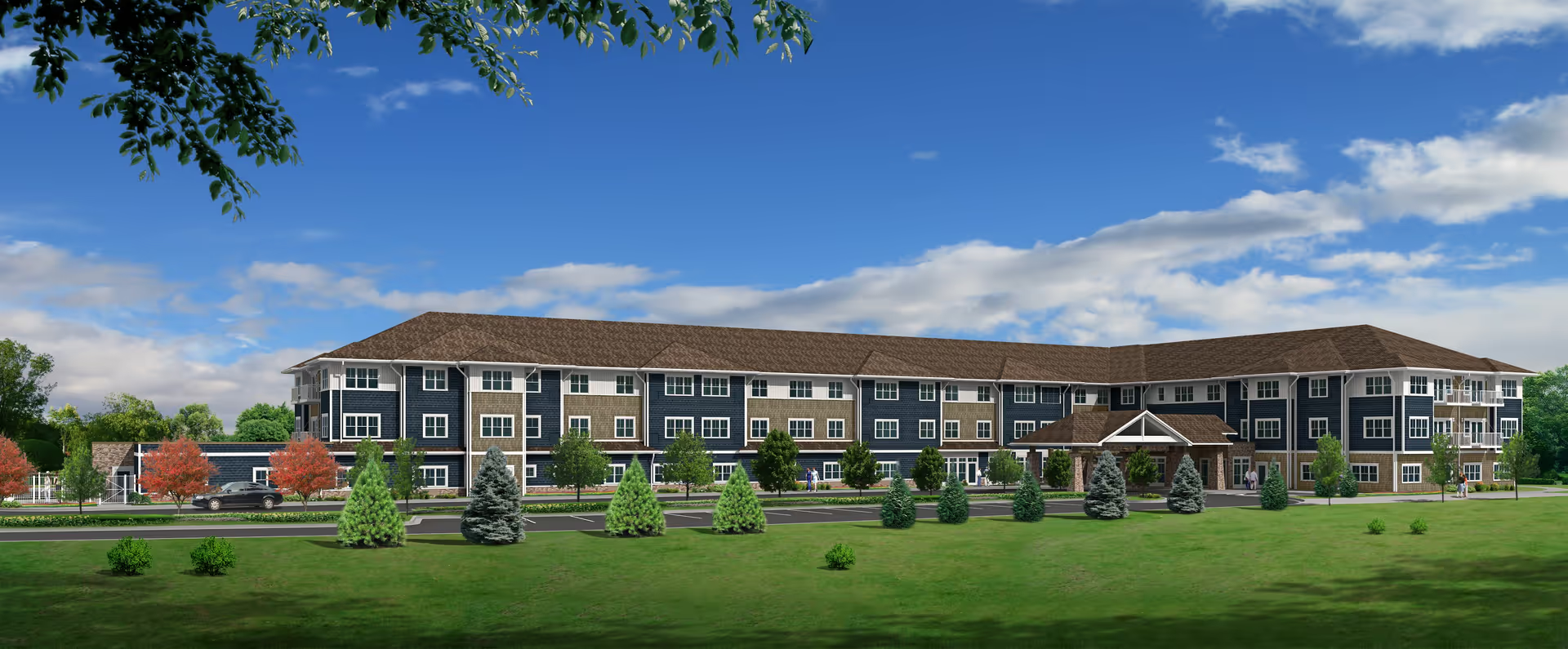
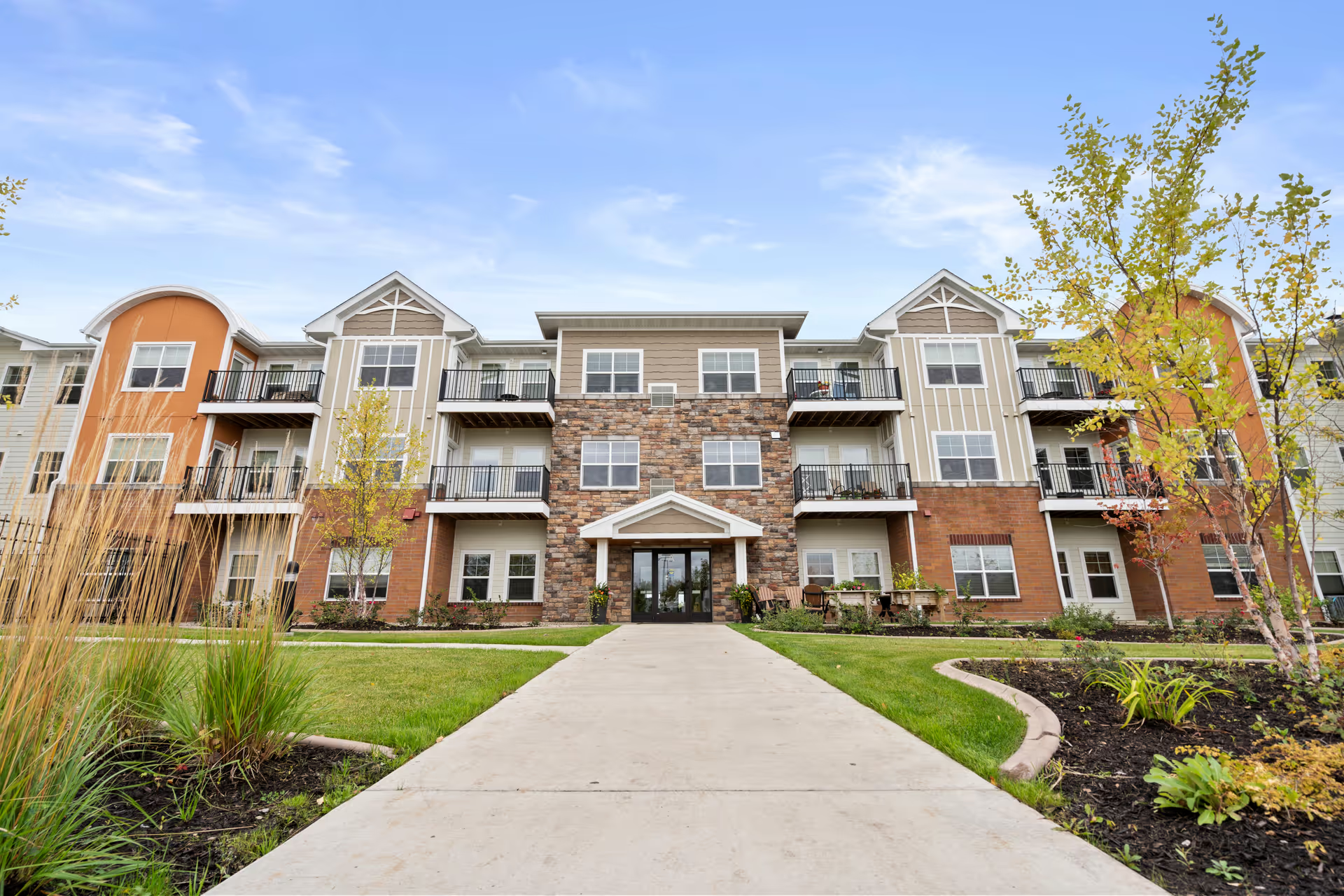
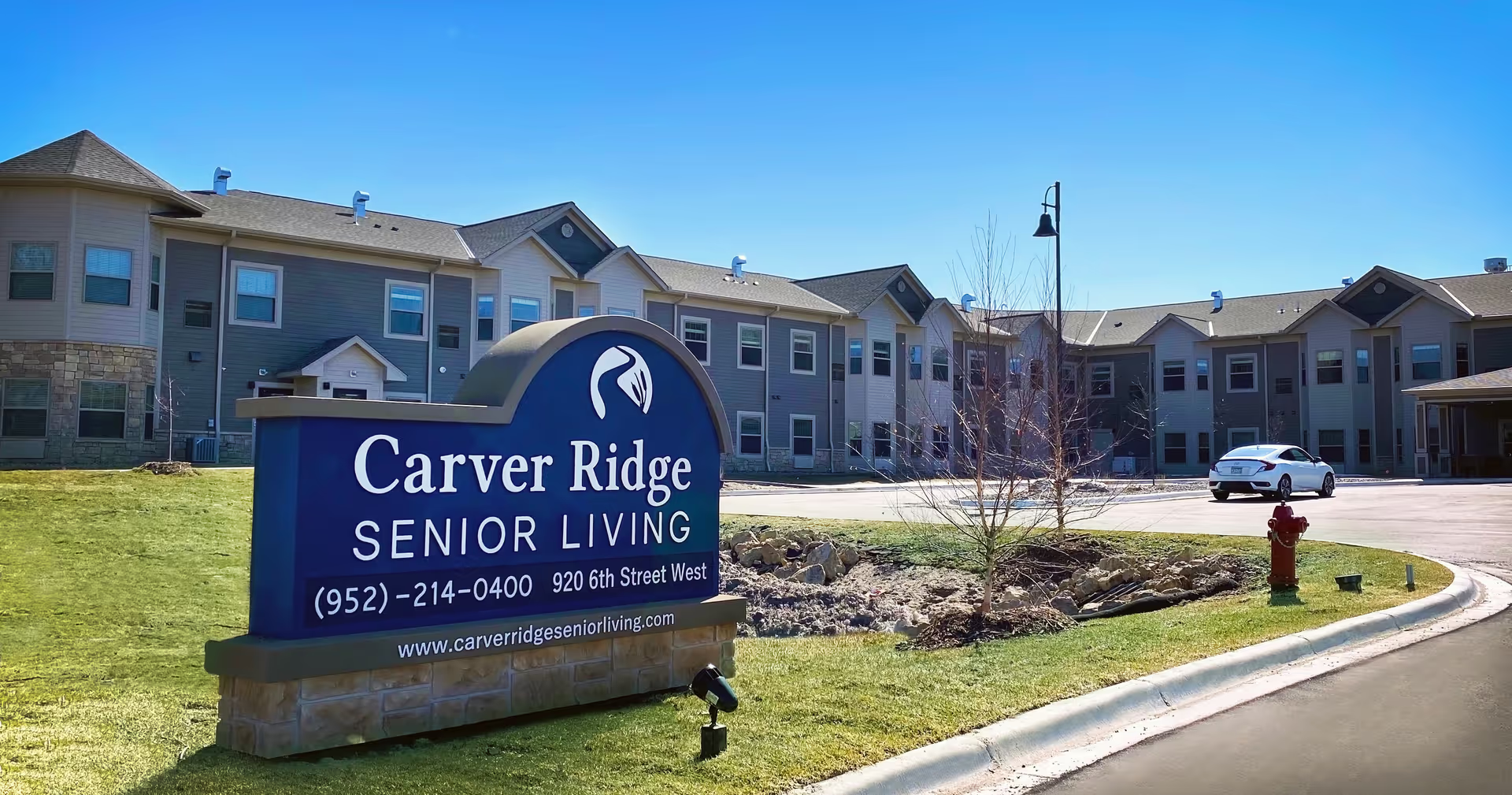
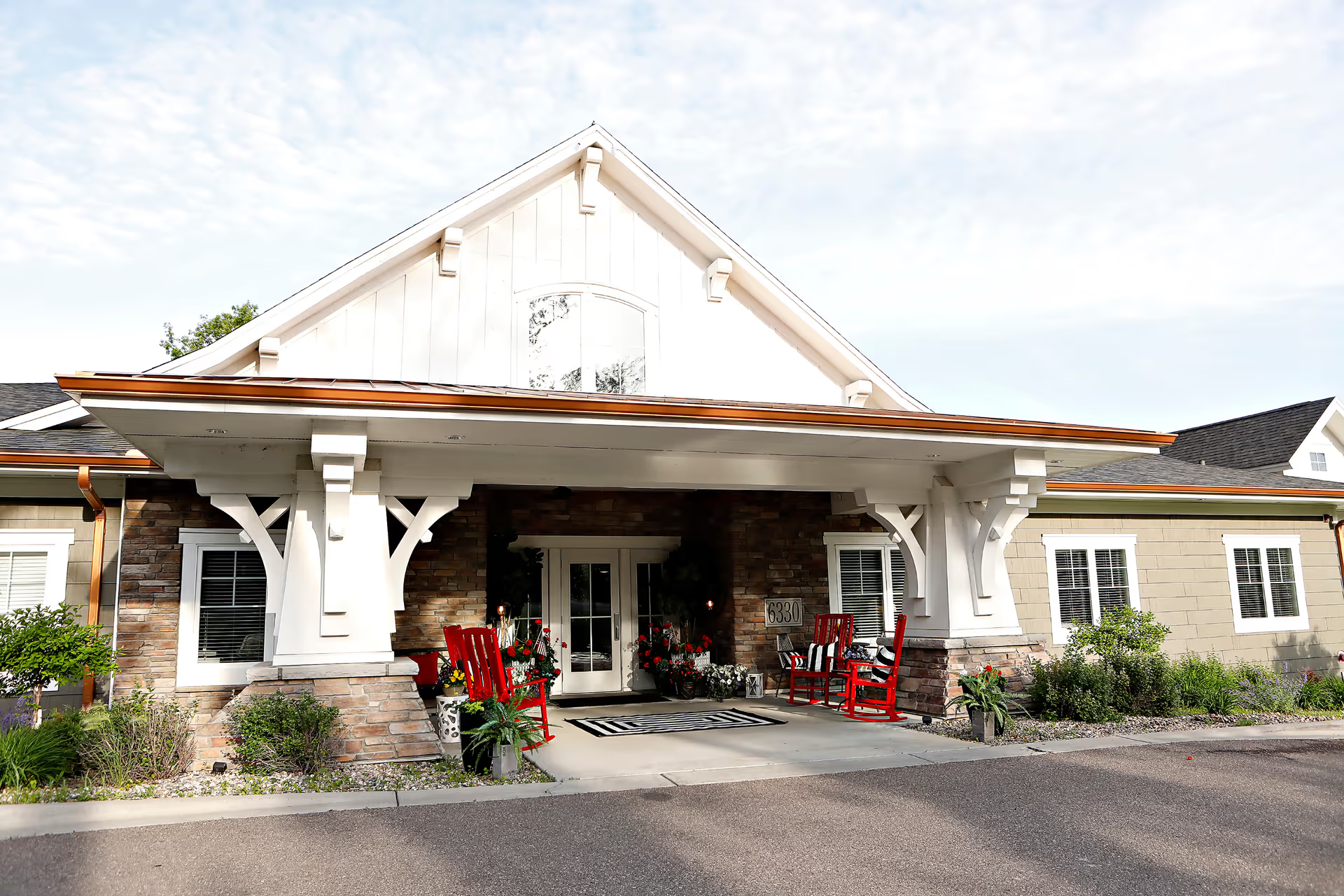
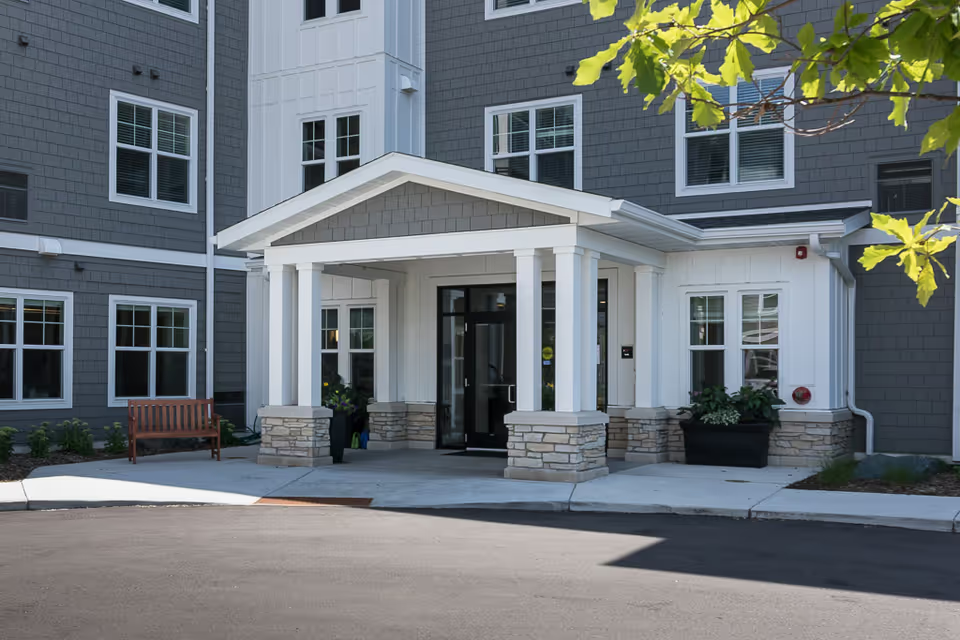
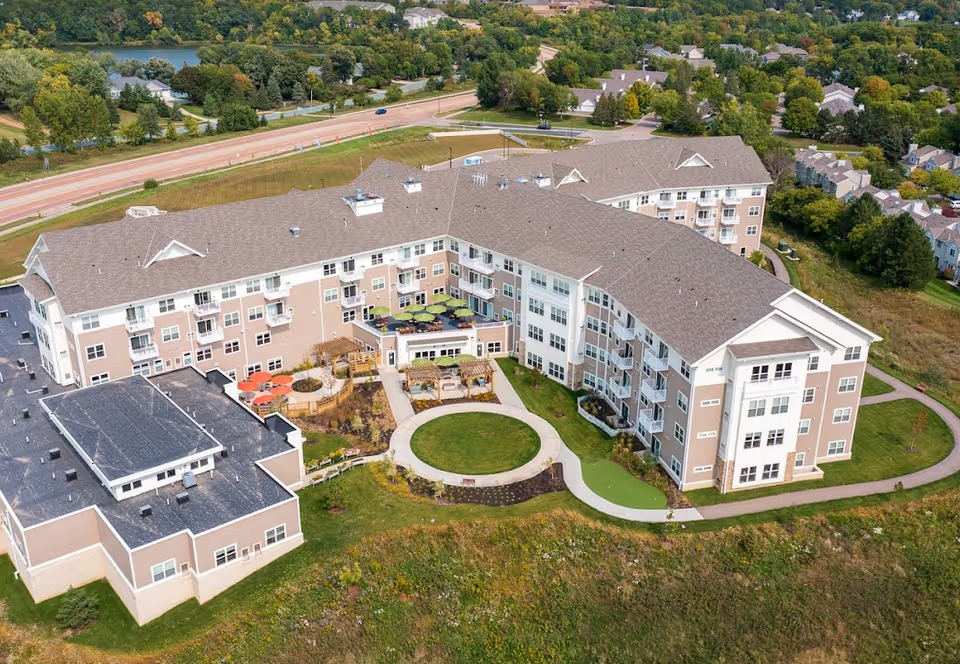
Overall impression New Perspective Senior Living - Waconia is consistently described as a well‑kept, attractive community with spacious apartments and a range of common areas. The physical plant and grounds receive frequent praise: large dining spaces, multiple lounges, activity rooms (quilting, art, sewing), a library, sunroom/patio, walking paths, and routine exterior maintenance such as snow removal. Many families characterize the environment as warm and home‑like, noting cleanliness and a bright, welcoming decor.
Care and staff Clinical and caregiving staff draw strong positive comments for compassion, individualized attention, and effective family communication. Nursing teams are frequently described as proactive, organized around medication management, and responsive to health concerns; an on‑site medical provider (Curana) is noted as a convenience for families. Several reviewers emphasized attentive end‑of‑life care and staff willingness to go beyond routine duties. That said, there are recurring operational concerns: staffing shortages and morale issues appear to contribute to variable staff skill levels, and some families observed gaps in dementia‑specific training and behavioral management. These patterns have produced uneven experiences—many families felt reassured and well informed, while others experienced delays or questioned staff capability for complex cognitive or behavioral needs.
Dining and activities The community offers a broad activities program (bingo, cards, exercise classes, arts and crafts, quilting, pool, bus trips) and many residents appear socially engaged. The dining area and culinary team receive frequent praise—reviews use terms like delicious and five‑star—yet meal quality is not uniformly consistent across accounts; a subset of families expressed dissatisfaction with certain meals. Prospective residents should expect an active events calendar and substantial communal programming, with the caveat that dining experiences may vary over time.
Facilities and memory care Physical accommodations are a clear strength: roomy apartments with kitchenettes, comfortable living areas, and well‑appointed communal spaces. The community includes a dedicated memory‑care unit and transitional memory program; staff in these units are often described as caring and attentive. However, concerns about the facility’s suitability for residents with advanced behavioral or cognitive challenges were raised, reflecting the broader theme of variable dementia‑care expertise.
Management and operational patterns Several reviewers noted slow management responsiveness and communication breakdowns between departments, which appear linked to staffing constraints. These operational weaknesses have manifested as delays in addressing family concerns and inconsistent internal coordination. Cost is another consistent trait—residency is perceived as expensive relative to expectations—and prospective residents should consider financial implications carefully.
Notable patterns and guidance The strongest, recurring positives are compassionate caregiving, clear family communication in many cases, well‑maintained facilities, and an active social program. The main liabilities are operational: staffing levels and morale, variable dementia‑care skills, inconsistent meal quality, and slower management escalation. Families considering this community may benefit from observing mealtimes, asking about staffing ratios and dementia training, reviewing the management escalation process, touring memory‑care spaces, and clarifying contract and pricing details to align expectations with the community’s strengths and limitations.