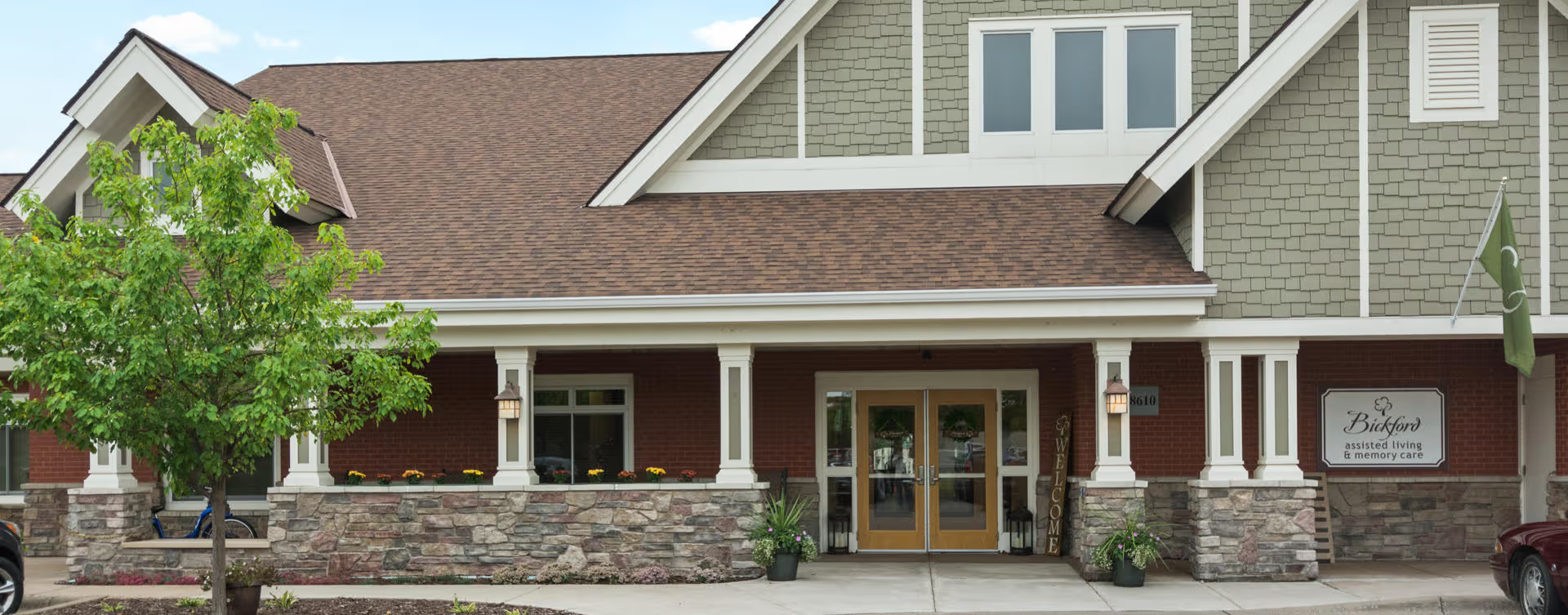
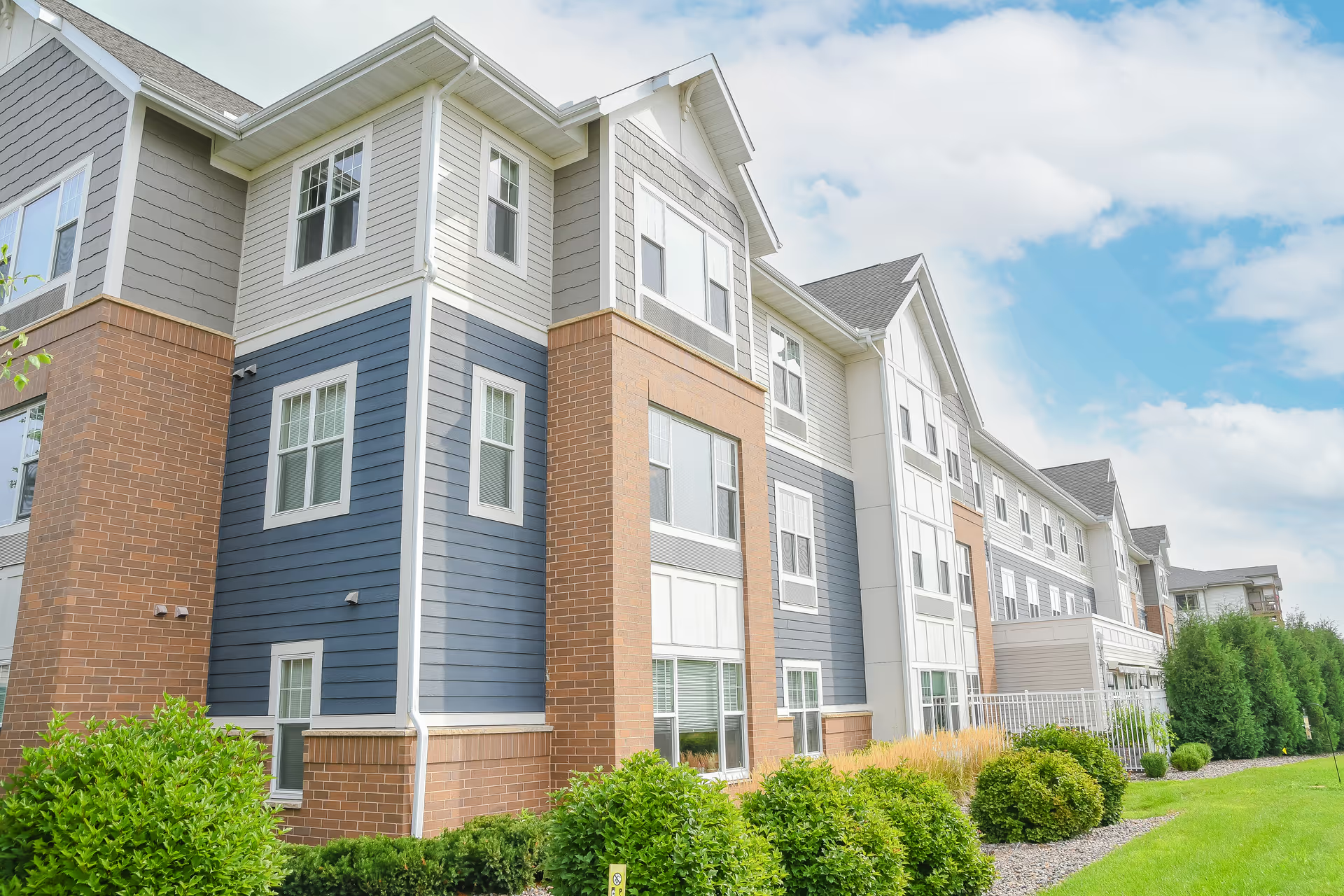
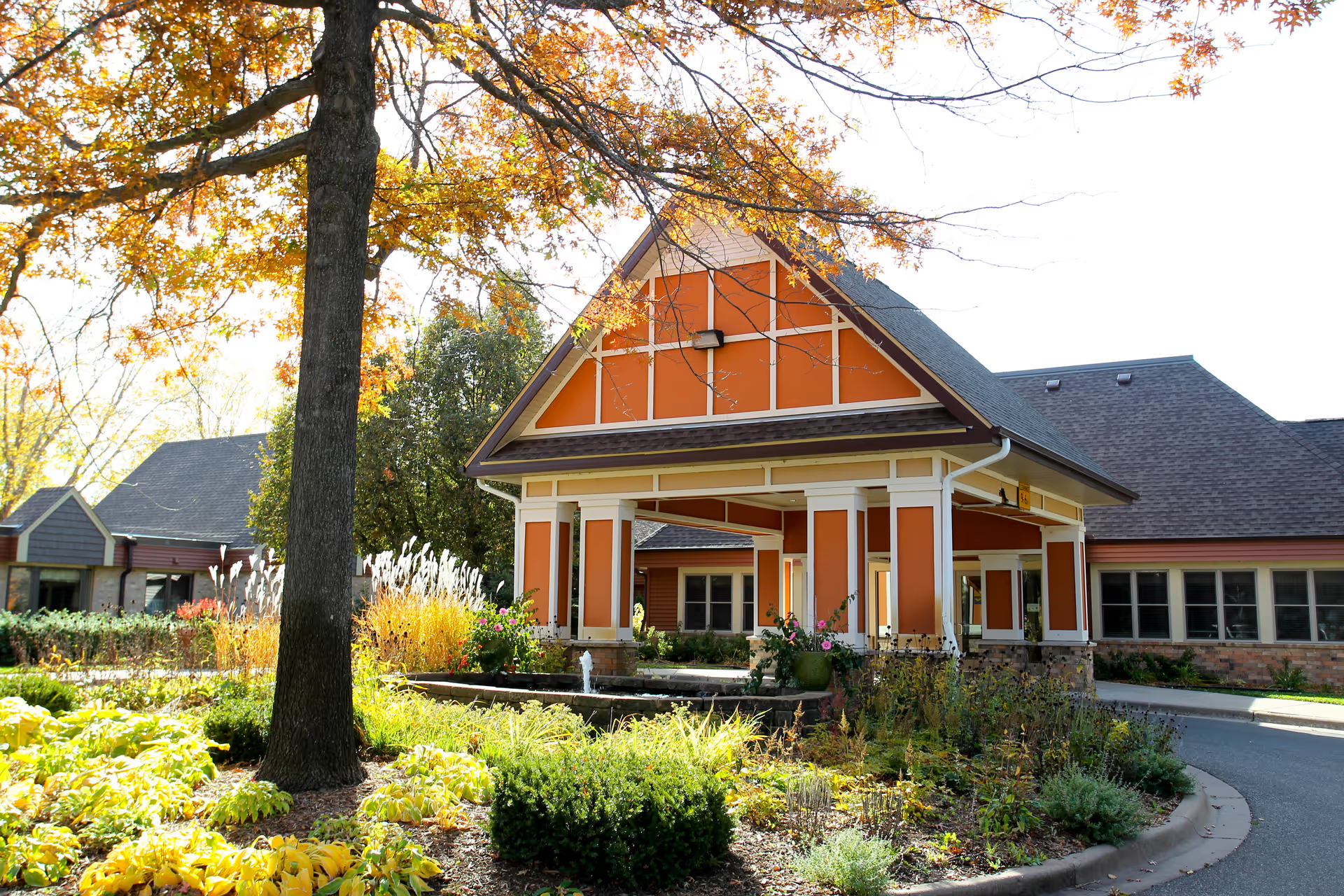
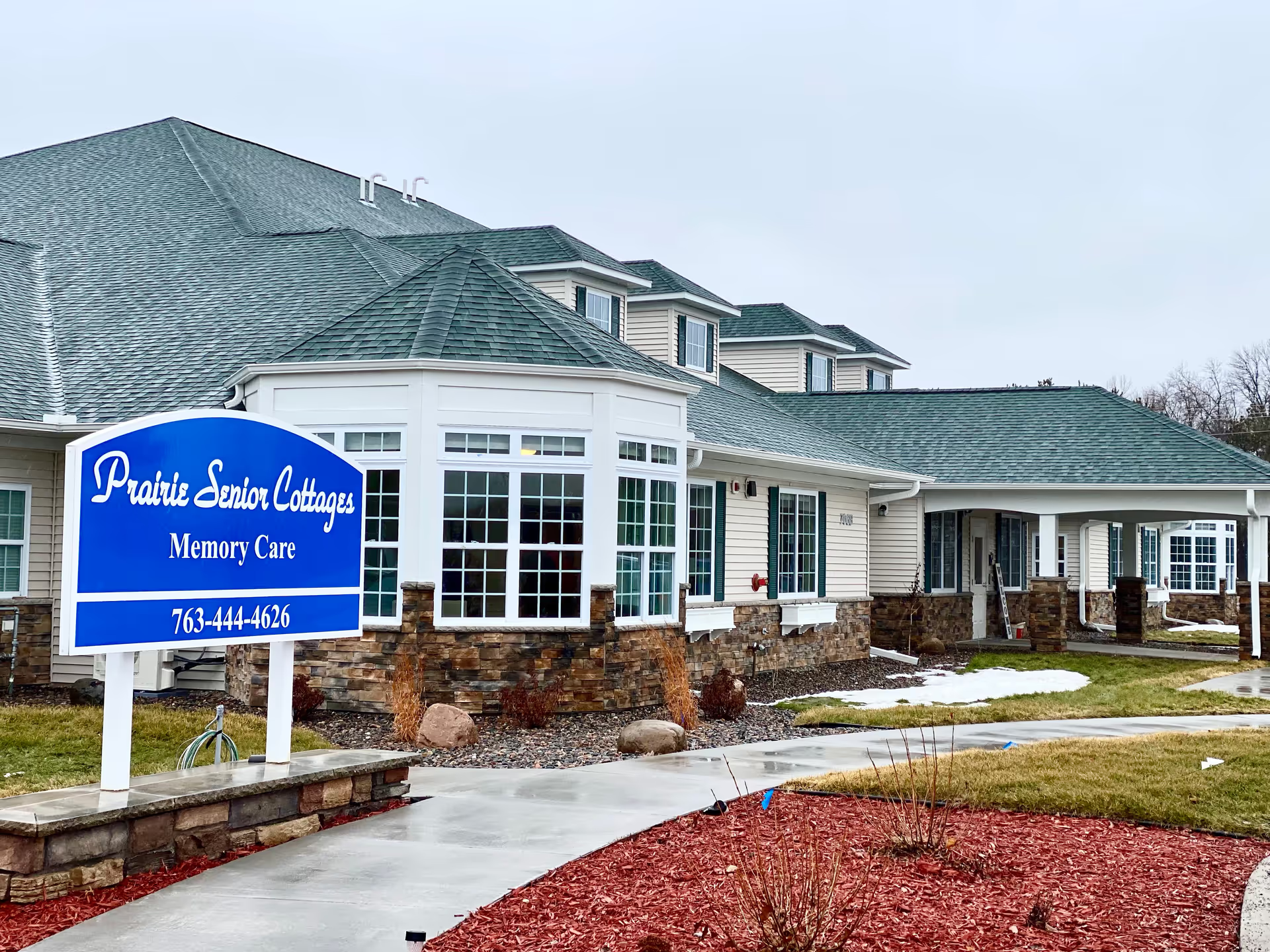
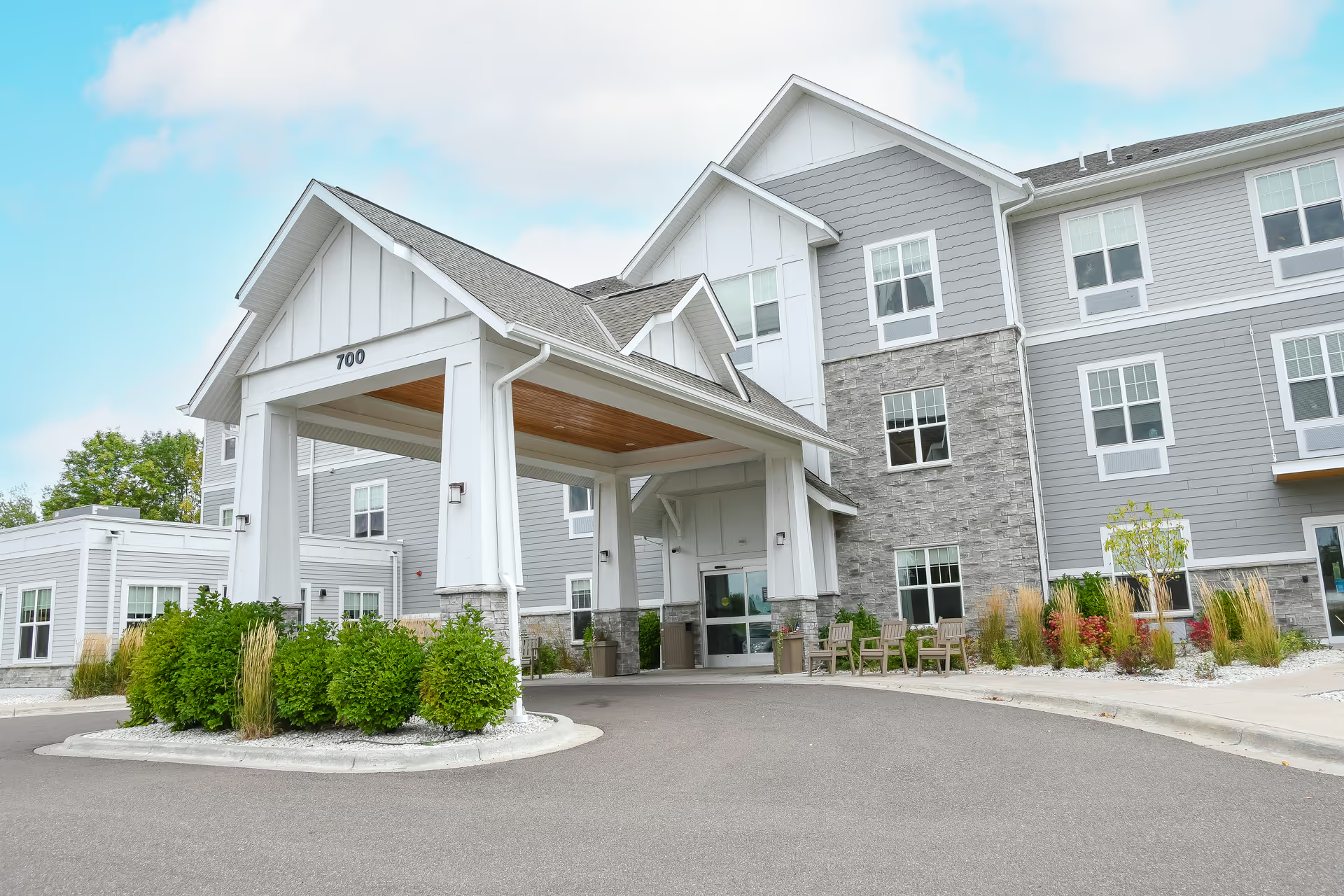
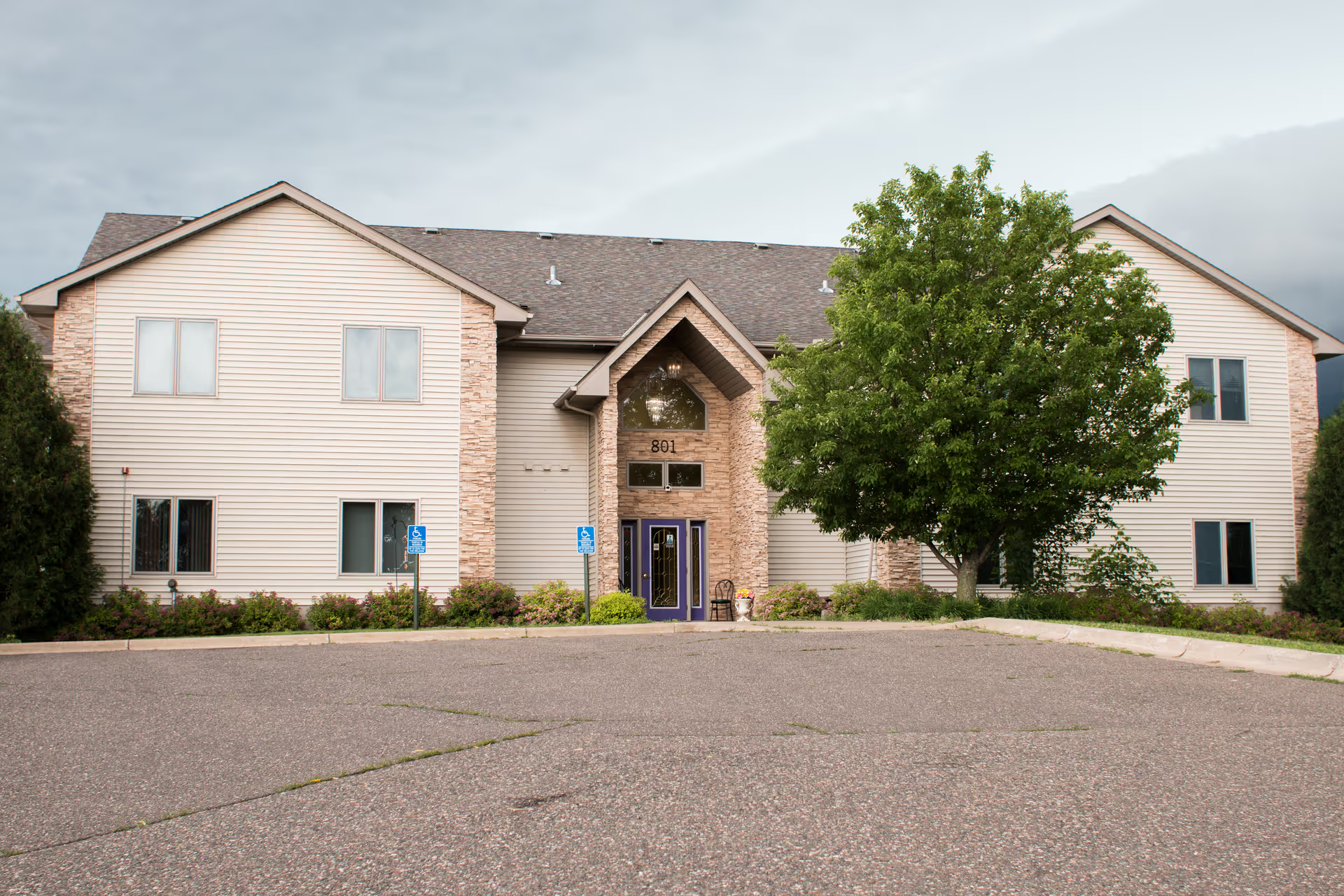
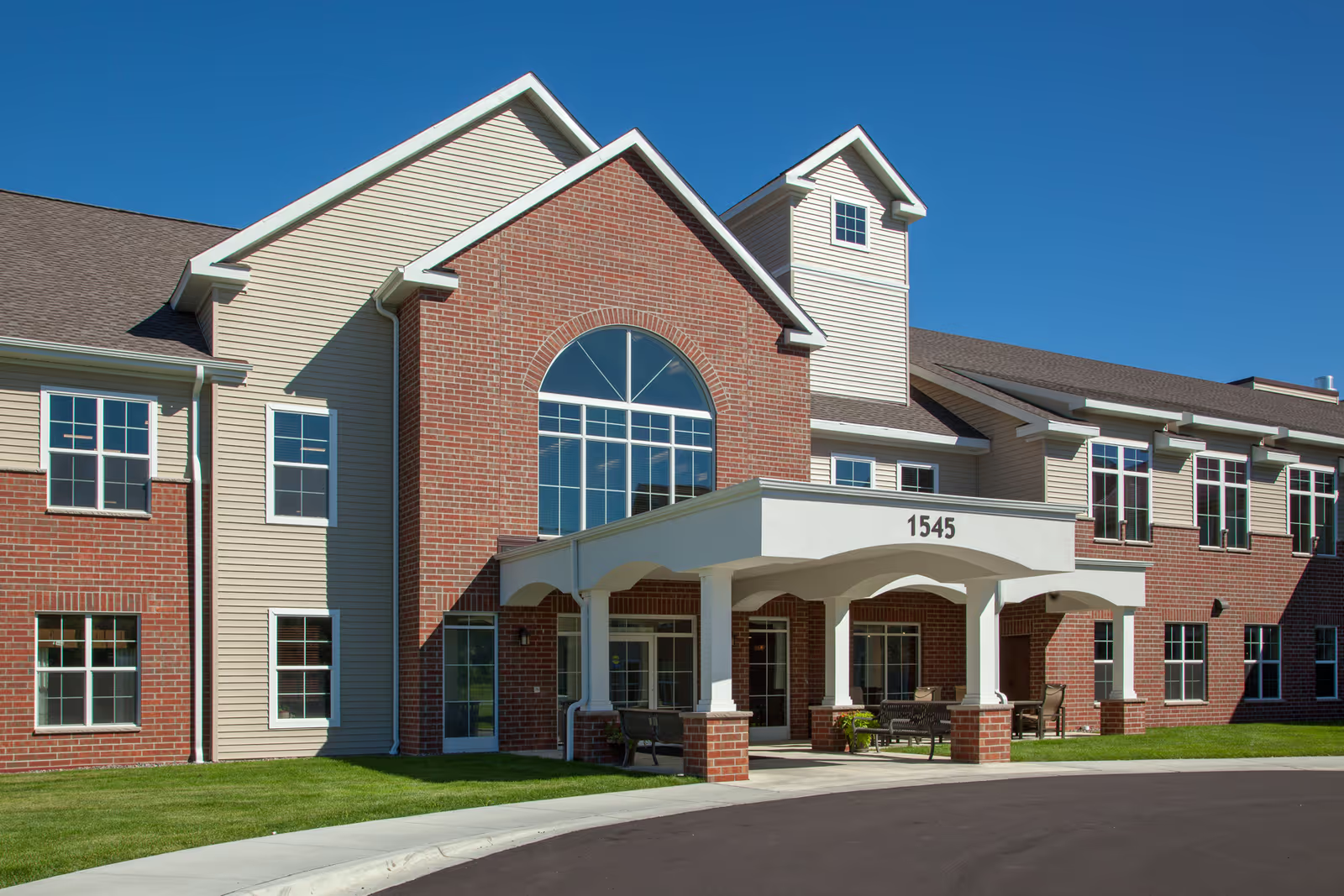
Reviews portray a mixed picture of Ecumen North Branch. The facility's physical plant is consistently described positively: newer construction, clean and odor-free common areas, bright communal rooms, an on-site chapel, and spacious private apartments with kitchenettes and accessible bathrooms. Residents and families frequently note helpful amenities such as Wi‑Fi, good cell coverage, posted activity calendars, and regular social programming (game days, outings, and chapel/movie events). Several comments also highlight hospice support and individual staff members who are compassionate and attentive.
Operationally, a recurring pattern of concern centers on staffing and clinical oversight. Multiple reviewers describe inconsistent staffing levels—especially at night and on weekends—that contribute to long call-bell response times, delayed assistance, and unpredictability in personal-care tasks. These staffing inconsistencies are linked to reports of missed personal care (including missed showers and delayed incontinence care), unattended falls or delayed fall response, and other safety-related issues. Reviewers also raised substantive concerns about medication-management controls, including missed or delayed doses and inventory lapses, which families characterized as a clinical risk.
Dining and nutrition receive mixed assessments. While the dining area and meal service are functional and sometimes offer hot, varied options, several families reported inconsistent meal quality, missing menu items, repetitive offerings, and meals that were not adapted to specific clinical needs (for example, stroke-related texture or swallowing adaptations). Presentation and perceived value of the dining service were described as below expectations by some families, while others found the food acceptable.
Staffing culture and management practices are another focal point. Comments describe a wide spectrum of staff performance: some aides and nurses are praised for dedication and clear communication, while others are described as inexperienced or unprofessional in conduct and tone. High employee turnover, perceived gaps in training, and a leadership style characterized by families as disengaged or prone to passing responsibility were recurrent themes. After-hours accessibility and entry-phone responsiveness were also identified as systemic issues, and several families found the complaints process stressful and inadequately resolved. A small number of reviews raise allegations of missing resident funds, which signals a need for clear financial safeguards and transparent incident resolution.
For prospective residents and families, the pattern to note is variability: the facility offers a strong physical environment and meaningful programs, but operational weakness in staffing, clinical oversight, and management follow-through can produce widely different experiences. When evaluating the community, it would be prudent to ask specific questions about staffing ratios (day/night/weekend), RN coverage, medication-administration protocols, how dietary restrictions and texture-modified diets are handled, after-hours entry and phone procedures, housekeeping and personal-care schedules, and the facility's complaint escalation process. Observing a mealtime and speaking with current resident families can help clarify whether the facility's strengths align with an individual resident's needs.