Brookdale North Oaks generates widely divergent impressions: many families praise the facility’s dementia specialization, engaging social programs, and warm caregiving staff, while others raise persistent operational concerns. Strengths most consistently cited include a memory-care focus with secure single-floor layouts and safety features, a range of on-site services (therapy, some medical support, and a salon), well-maintained common areas and outdoor courtyards, and a generally social, family-like atmosphere. Dining and amenity highlights noted by reviewers include restaurant-style meals, specialty social hours (for example an ice cream social), and active off-site outings.
Care quality opinions are mixed. Numerous reviewers described compassionate, dedicated direct-care staff who provide meaningful one-on-one attention and effective dementia support; several families reported good hospice coordination and comfort-focused care at end of life. Counterbalancing those accounts are recurring clinical concerns: delays in medication administration and comfort medications, gaps in staff training (including transfer and infection-control procedures), inconsistent nursing presence during evenings and weekends, and examples of insufficient outbreak management. These gaps have coincided with issues such as constipation and gastrointestinal illness among residents in some reports; families should understand that clinical performance appears uneven between units and shifts.
Staffing and management emerge as central drivers of both positive and negative experiences. Reviewers frequently characterize frontline caregivers as caring and hardworking but overwhelmed by workloads. High staff turnover, language barriers in communication, and what some describe as a managerial focus on operations and finances have strained continuity of care and internal culture. Several families called out unclear or changing leadership, inconsistent follow-through on concerns, and difficulty obtaining timely responses from administration. Billing and fee-transparency problems — unexpected community or medication-related charges — were also mentioned often enough to warrant scrutiny before move-in.
Dining and activities are a relative strength but with variability. Many residents and families praise the food, varied menus, and frequent activities (exercise classes, arts, music, trips), and the facility supports social engagement with multiple patios and gathering areas. Other reviewers found menu items bland or overly starchy, noted limited fresh fruit, or described activities that felt simplistic or not equally appealing across genders. Activity offerings appear robust overall but may differ in perceived quality and resident fit.
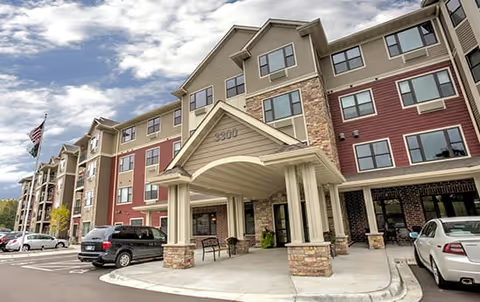
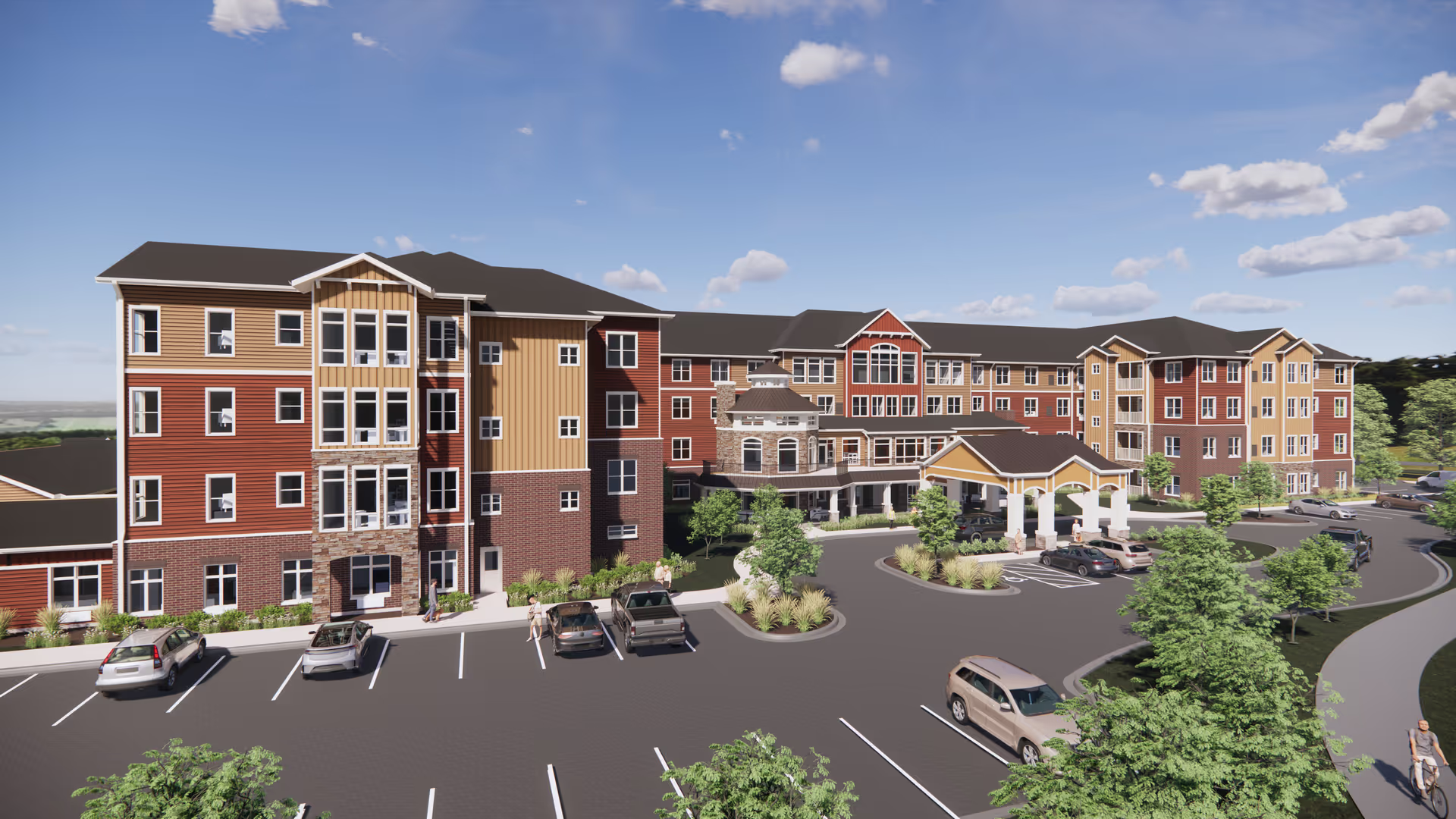
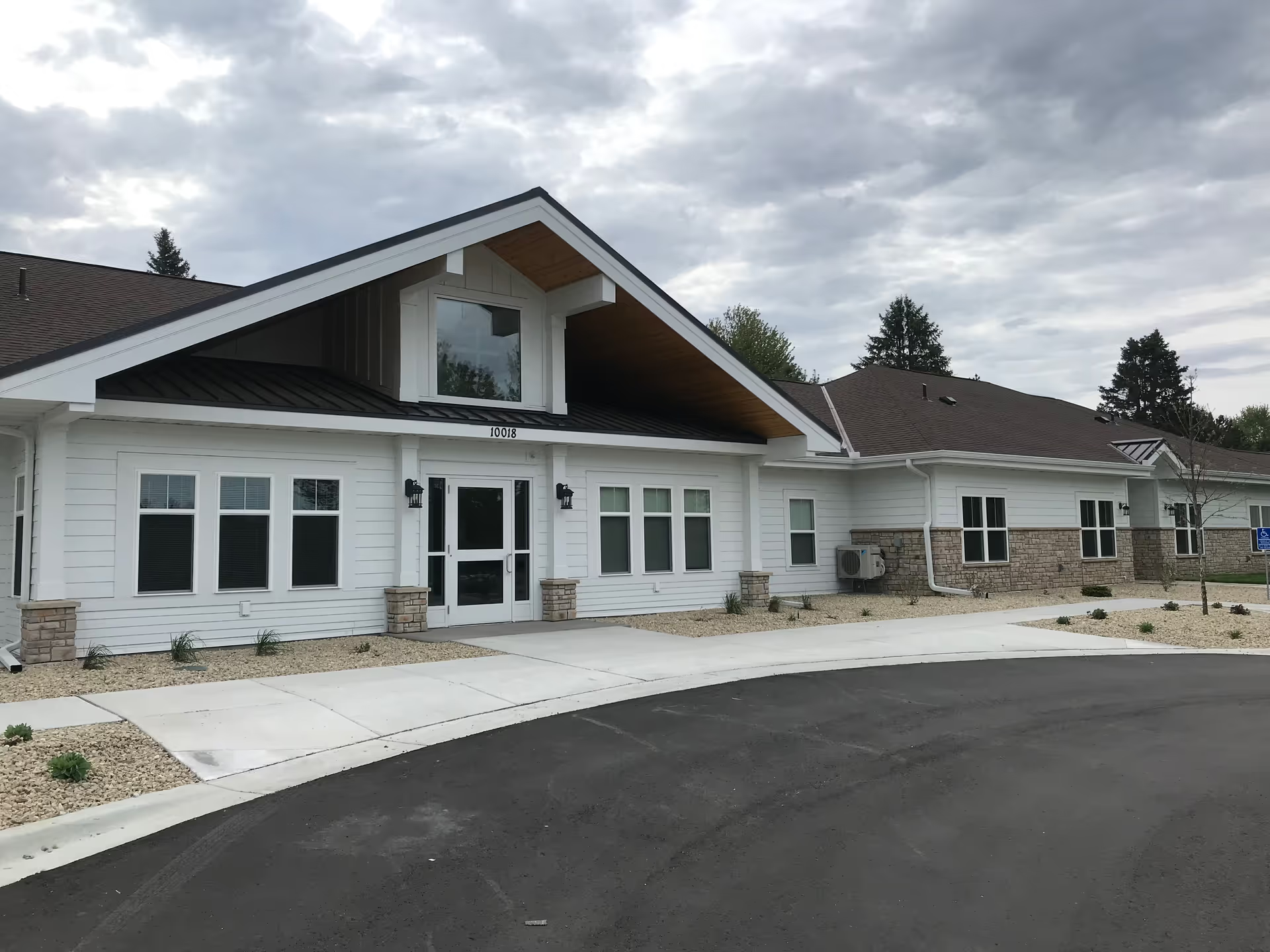
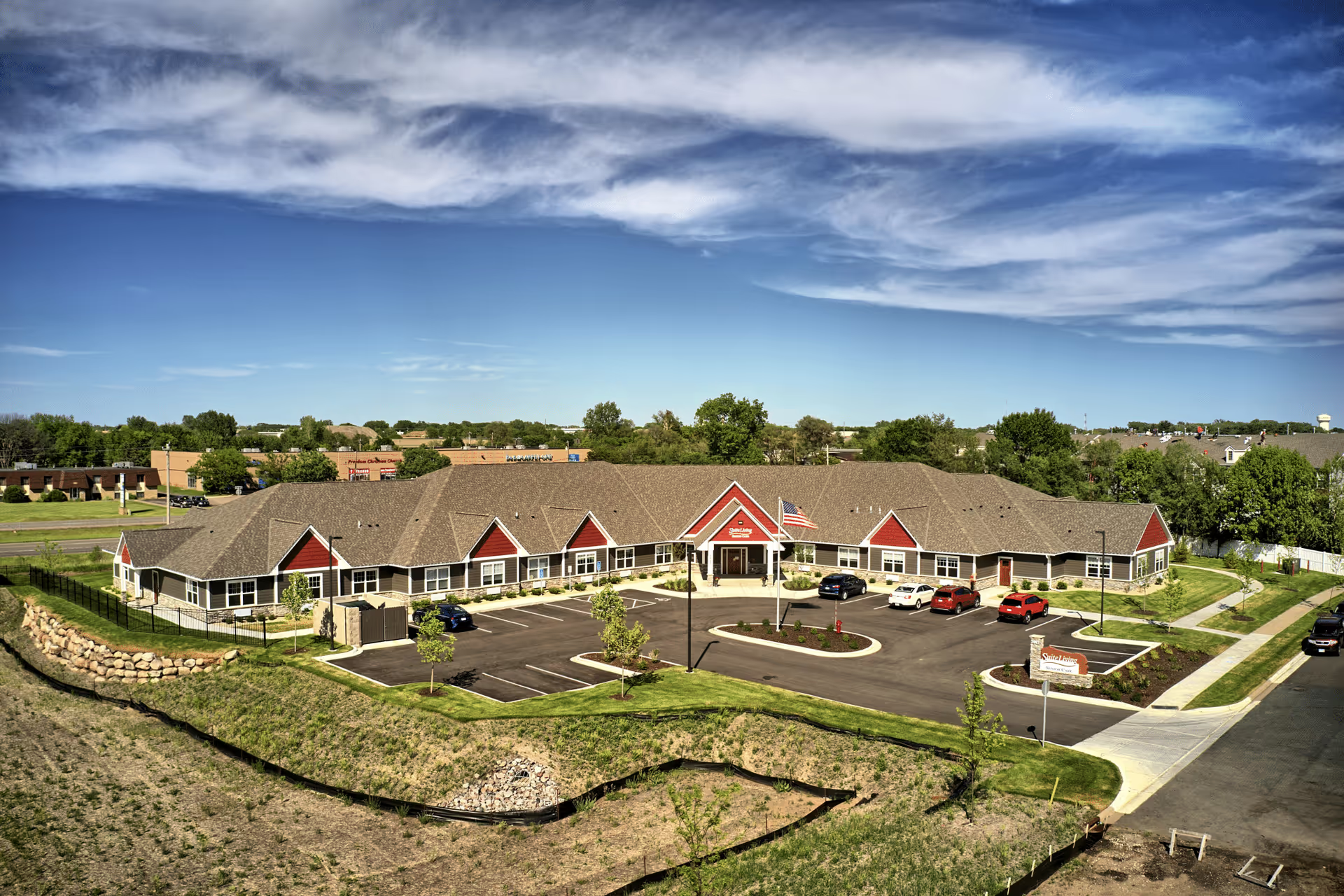
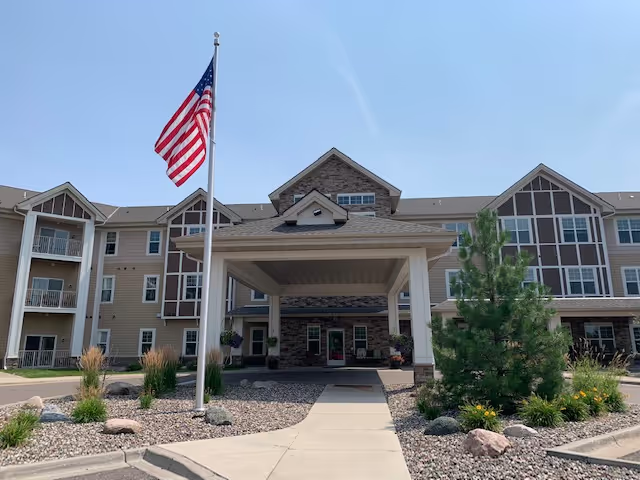
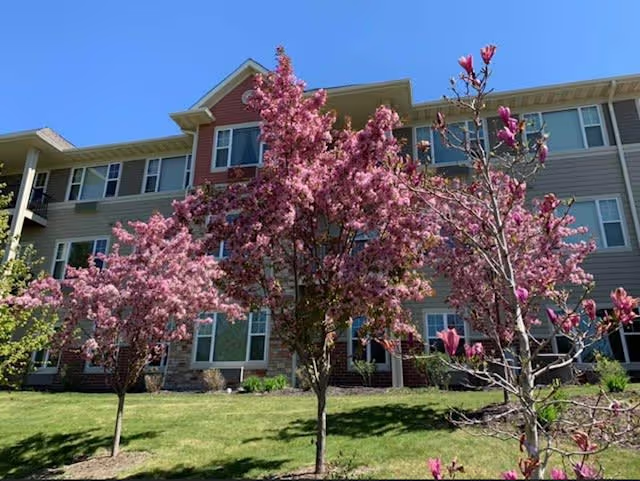
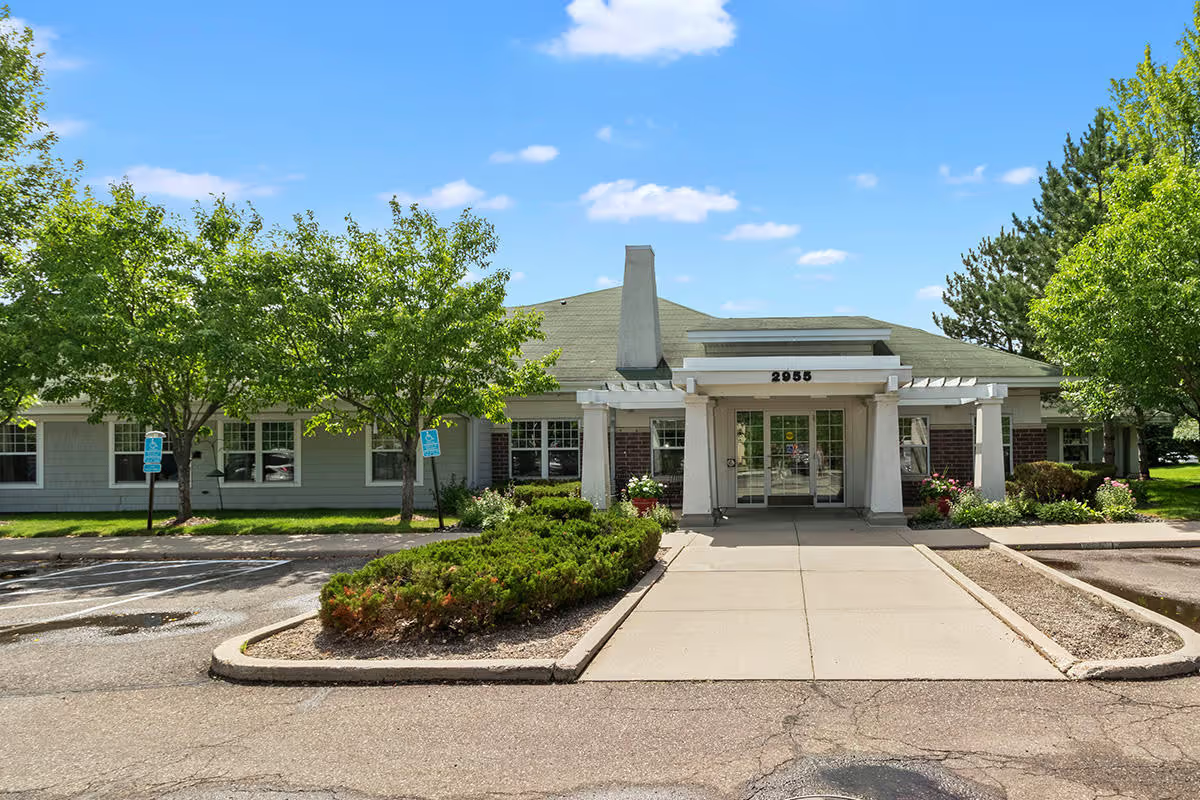
The physical plant is generally described as clean, bright, and well cared for; common areas, patios, and courtyards receive positive mention. Some units feature smaller studio rooms and shared dining spaces, so personal space can be limited compared with larger assisted- or independent-living apartments. Safety measures in memory-care areas (locked access, wristband tracking) are reported, though families should confirm specifics for their level of need.
Patterns to note for prospective residents and families: verify current staffing ratios and nurse coverage (especially nights and weekends), ask for documentation of staff training and infection-control policies, review medication-administration and handoff procedures, request a clear fee schedule and billing policies, and observe activity participation during a tour. Brookdale North Oaks can offer strong memory-care programming and a compassionate caregiving culture, but operational inconsistencies — particularly around staffing, training, clinical response times, and management communication — are recurring themes that merit direct clarification before placement.