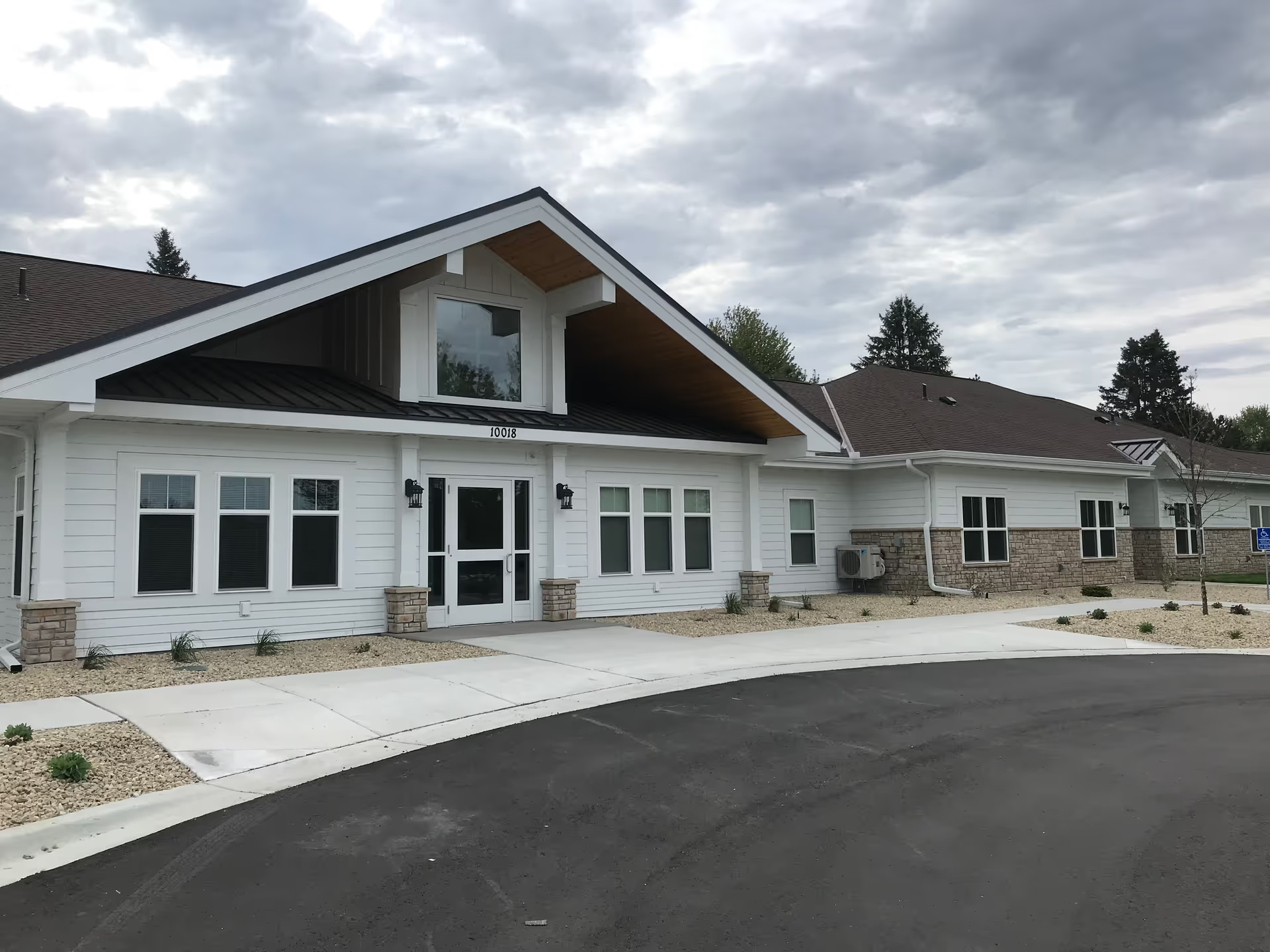
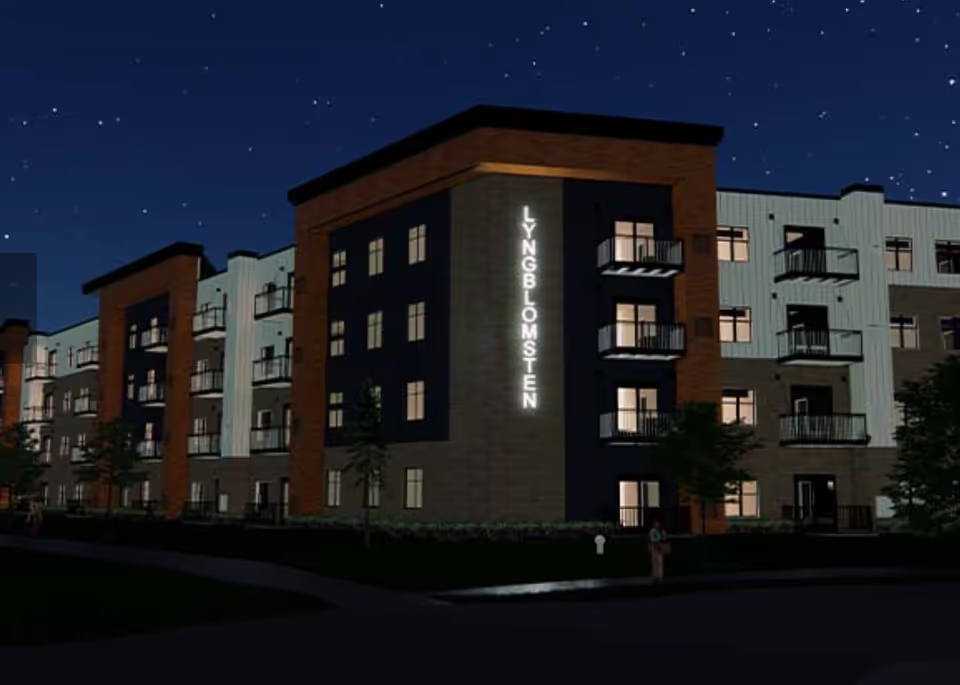
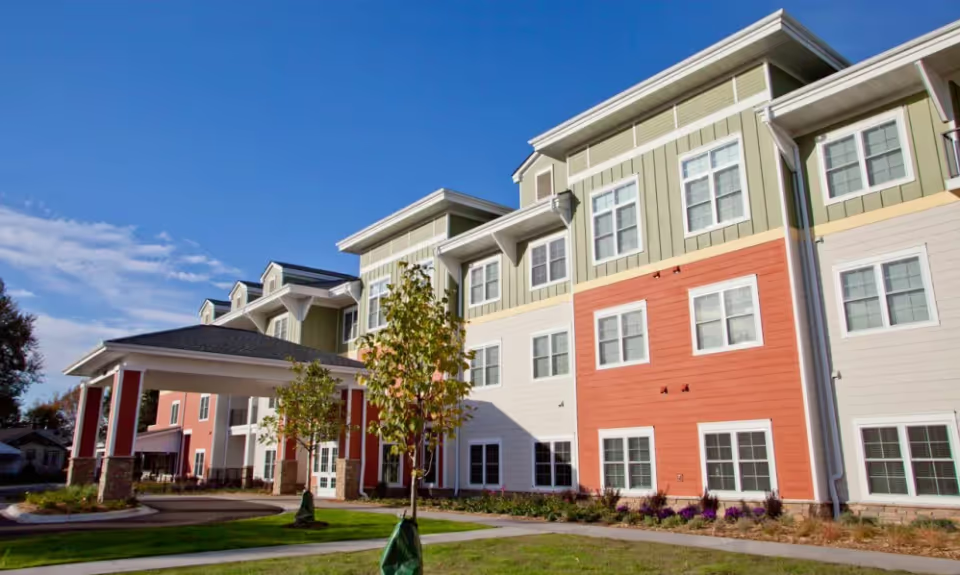
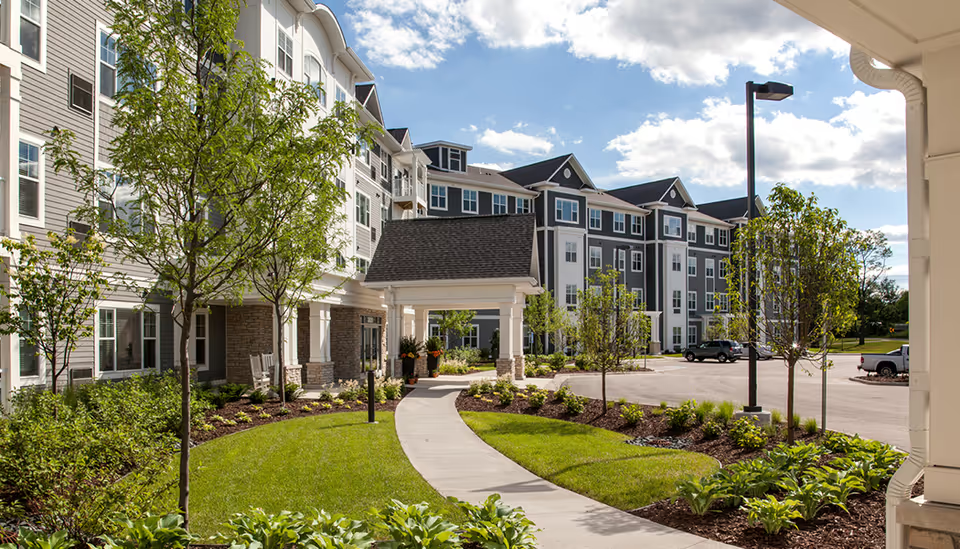
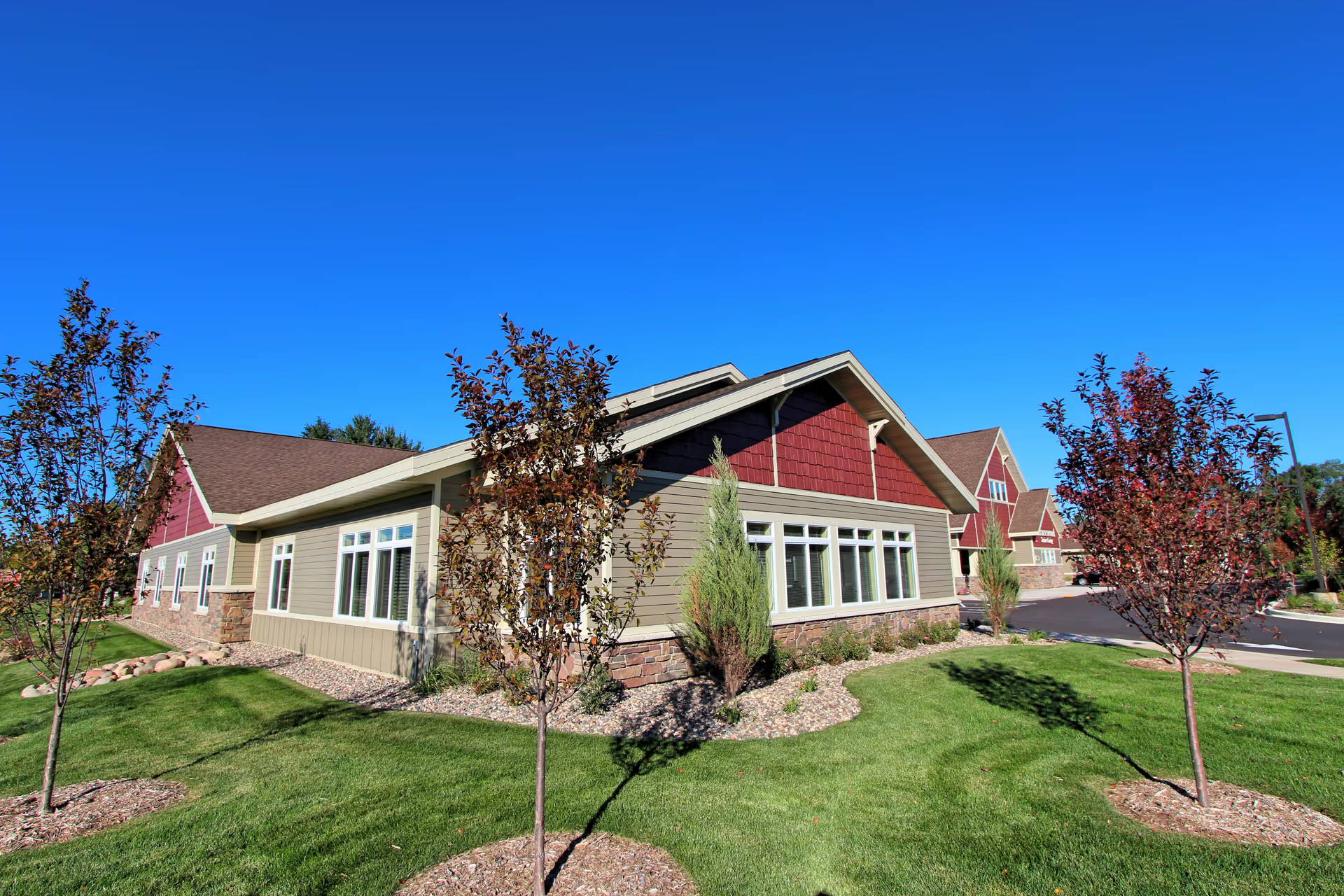
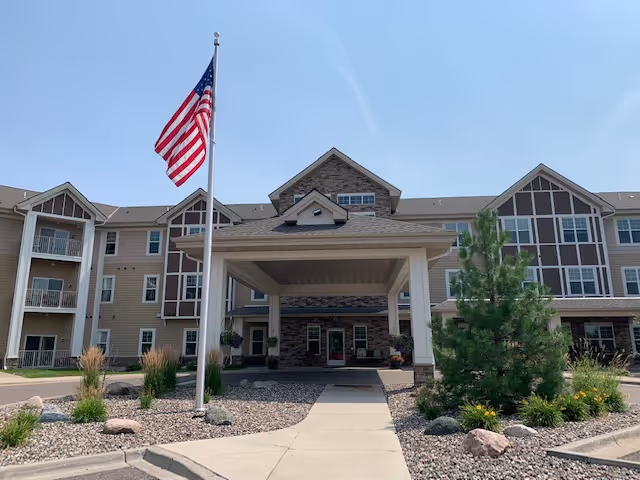
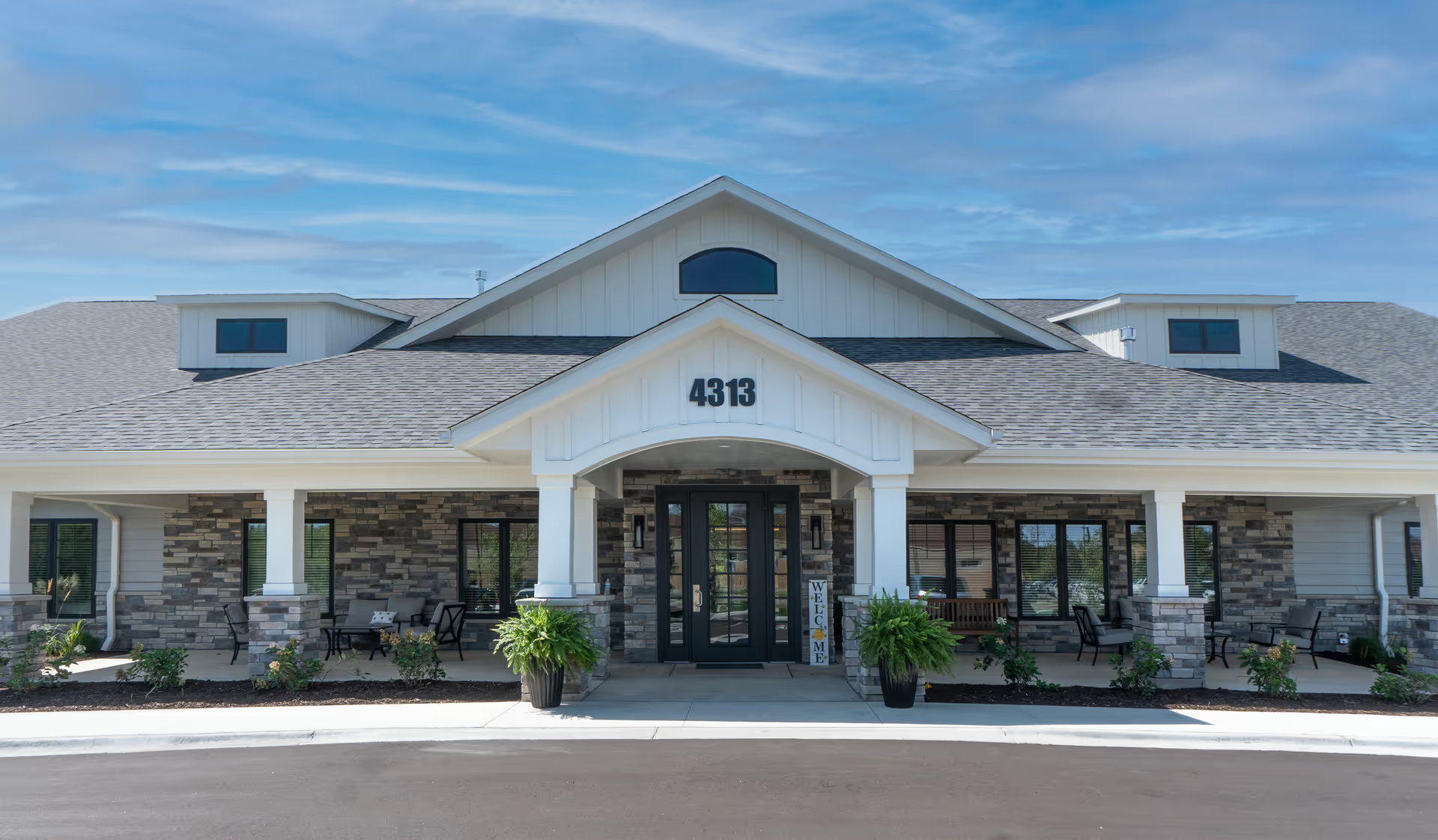
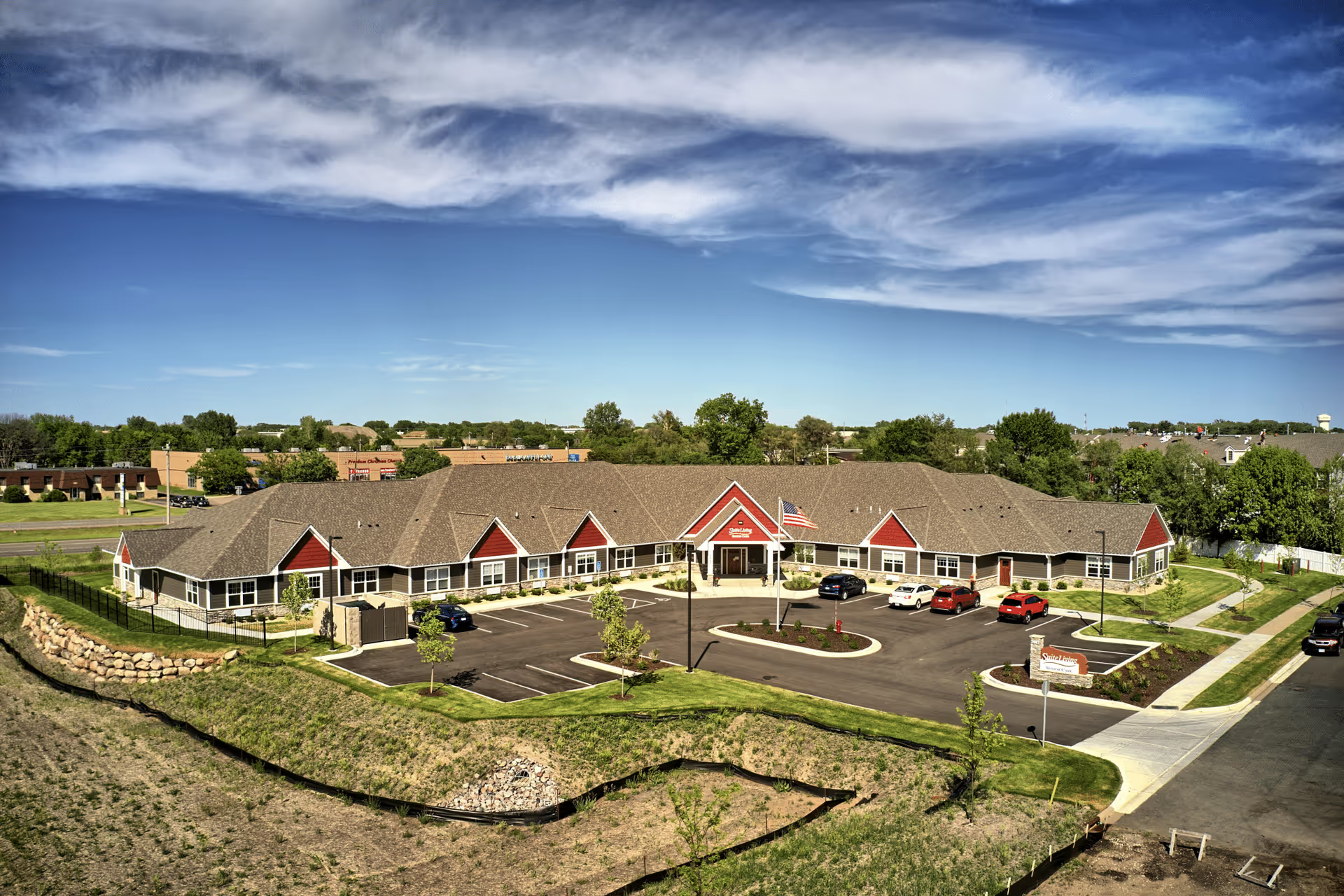
Waverly Gardens presents a mixed picture in the available commentary. The campus and physical environment are frequently praised: reviewers describe attractive, well-maintained grounds, updated and spacious apartment-style units, multiple amenity spaces (salon, library, theater, solarium), and a campus feel with accessible pathways and outdoor courtyards. The community offers a broad array of programs and amenities — organized activities, exercise options, pool access, hobby workshops, spiritual programming, and social traditions — and many families value the opportunities for resident engagement and the apparent high level of social activity.
Dining and on-site services are a distinct strength for many residents: several accounts highlight a restaurant-like dining room, bistro/cafe options, a range of meal choices, and convenient on-site therapy and medical services (physical therapy, podiatry, nurse practitioner and physician visits). Moving-in and transition support also receives positive mention, as do housekeeping and maintenance services when those functions operate smoothly.
At the same time, there are recurring operational concerns that appear across reviews. Staffing consistency and responsiveness are the most commonly cited issues: reviewers describe periods of insufficient coverage, delayed responses to assistance requests or call lights, and occasional lapses in routine care tasks. Those staffing challenges are tied in some accounts to gaps in clinical oversight (medication timing and weight monitoring), weaknesses in fall-prevention and post-fall response, and delays in incontinence care and other hygiene-related services. Several reviewers raise worries about unexplained weight loss and falls that resulted in injury, which point to the need for careful inquiry into clinical protocols and monitoring practices.
Dining experience is uneven: while many praise the food and dining atmosphere, others describe inconsistent meal quality and examples where dietary instructions were not followed, leaving residents with uneaten meals. Management and communication patterns also show variability. Some families commend responsive, compassionate leadership and smooth administrative processes; others describe defensive communication, inconsistent follow-up, confusing policy changes (including phone service/landline transitions), and concerns about billing or missing funds. There are even a few serious allegations around financial mishandling that prospective families should treat as items for direct verification.
For prospective residents and families, the pattern suggests a facility with substantial amenities and a strong activity program but with meaningful variability in day-to-day caregiving and operational consistency. When evaluating Waverly Gardens in person, it would be prudent to observe staffing levels across shifts, ask for written policies on fall prevention, medication administration, dietary accommodations, and incontinence care, and seek clarity on fees and dispute-resolution processes. Confirming state inspection records, staffing ratios, and recent quality-of-care metrics would help balance the many positive community features against the operational concerns noted by some families.