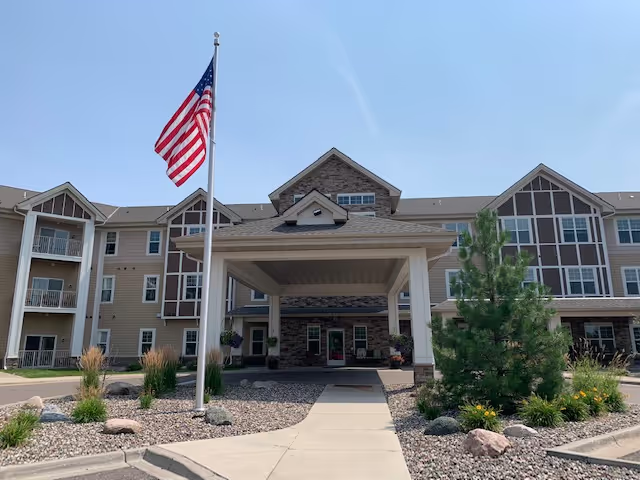
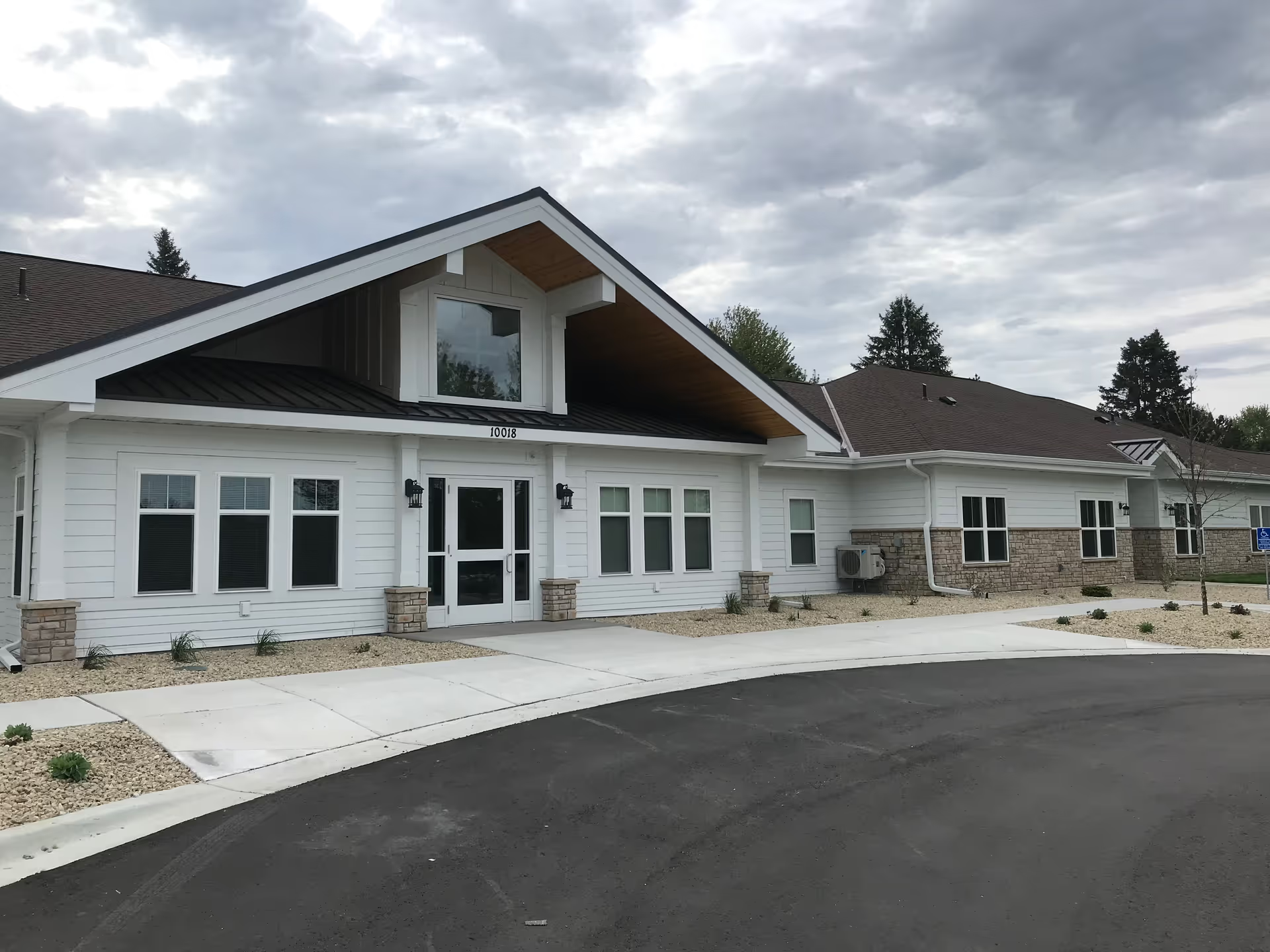
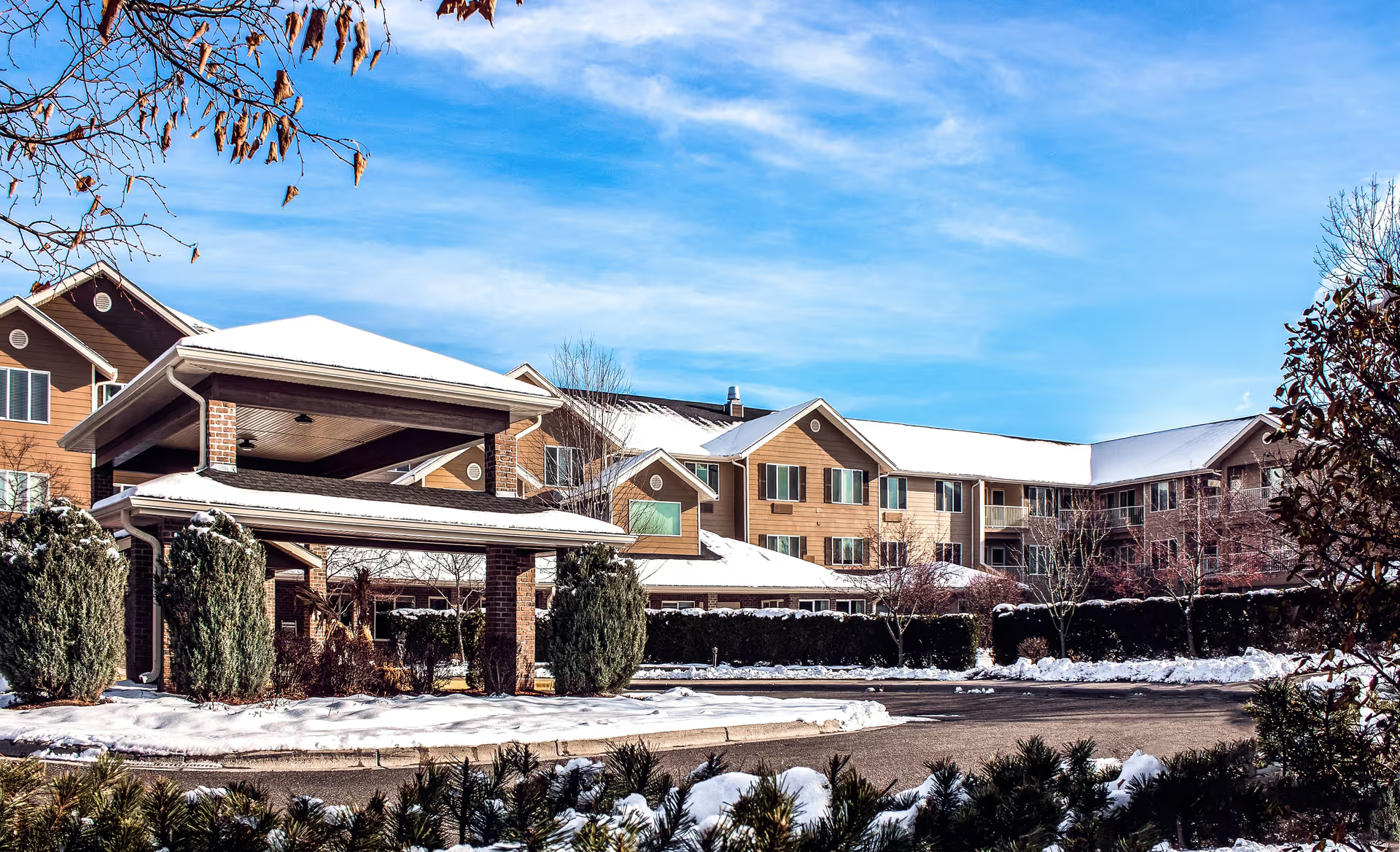
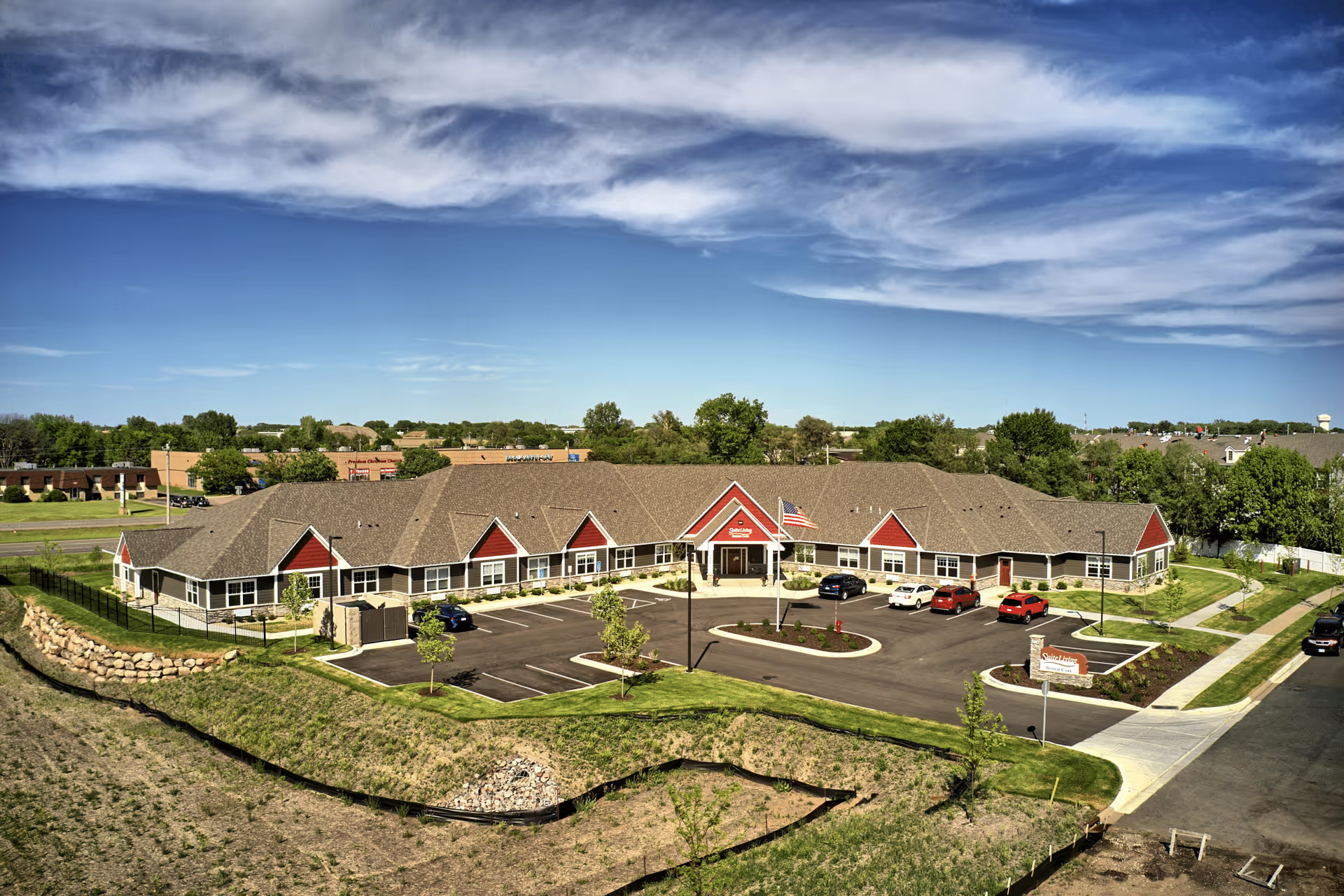
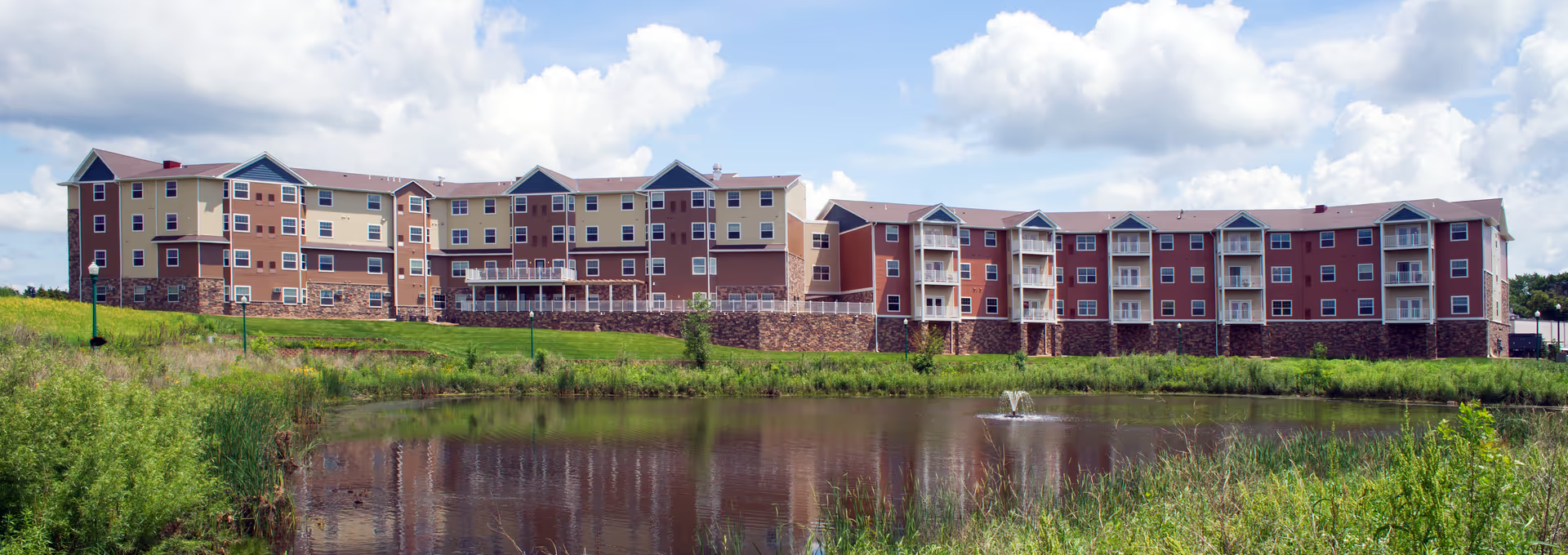
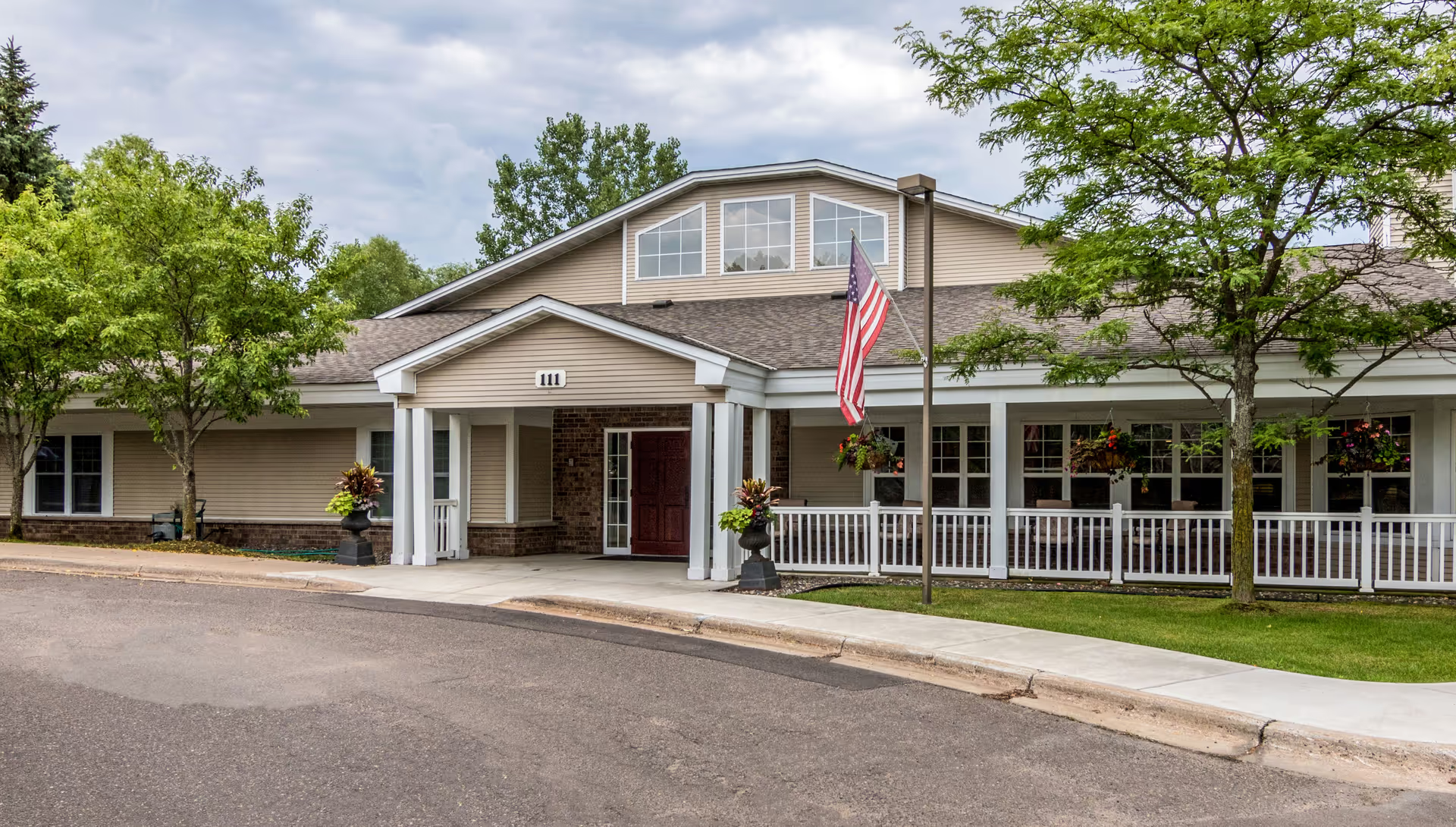
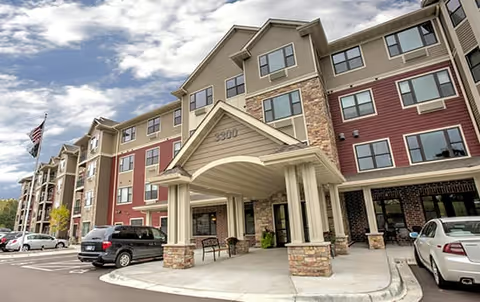
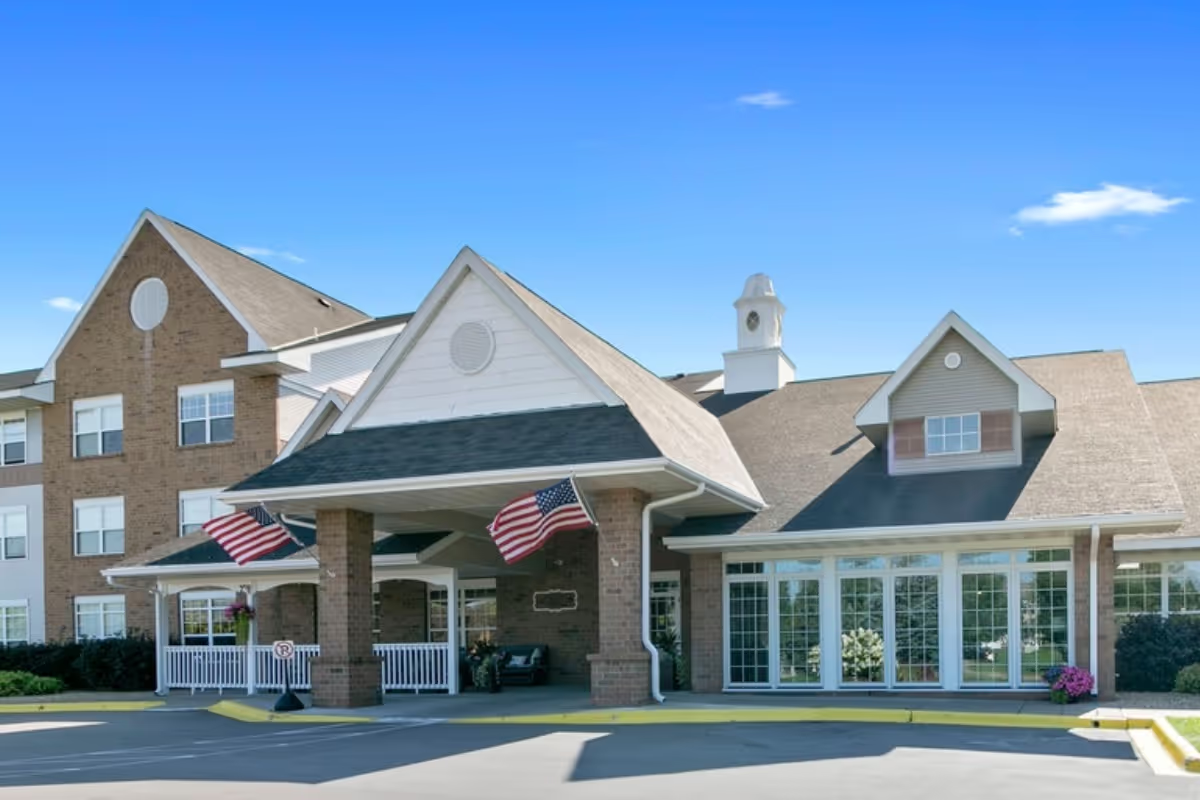
This community presents a clear strength in its physical environment and resident programming. Multiple accounts emphasize a modern, well-kept building with high-end finishes, bright common areas, wide hallways, and spacious apartment layouts — including units with full kitchens. On-site amenities such as walking paths, a pub-style dining area, and planned fitness space contribute to a country-club–like ambiance. Location is convenient for errands and shopping, and options such as heated underground parking are available.
Staff and caregiving are described in predominantly positive terms: many families and residents highlight compassionate, engaged employees, knowledgeable activity teams, and a generally warm, welcoming culture. The activity calendar and event offerings are a consistent strength, with daily programming, social opportunities, and both independent- and memory-care activities that support resident engagement. Several comments also note smooth transitions when residents require higher levels of care and features that support mobility and safety (emergency buttons, regular checks).
Dining is frequently cited as a positive when the restaurant-style service and menu options are available; reviewers praise pub lunches, specials, and varied meal choices. That said, there are repeated operational concerns around dining continuity and consistency. Pandemic-related changes (dining-room closures, meals delivered to rooms) and variability in day-to-day food quality have been a source of dissatisfaction for some families. It would be appropriate to confirm current dining operations, special-diet accommodations, and communication protocols about meal changes.
Despite many favorable reports about individual staff members and day-to-day interactions, patterns of management instability and uneven clinical performance emerge across reviews. Leadership turnover and gaps in weekend managerial presence are cited as recurring issues. Clinical concerns range from inconsistent nursing responsiveness to medication-management and care-coordination gaps; these items appear as operational patterns rather than isolated praise or complaint. Families also raised communication problems, such as delayed callbacks, unclear updates, and inconsistent enforcement of resident-access policies (including privacy and mail-handling procedures).
Operationally, reviewers identify several practical limitations: front-desk or concierge staffing can be inconsistent, transportation services are limited or self-coordinated, and some access or visitation policies have been experienced as restrictive during infection-control events. There are also reports of uneven staff training and staffing shortages that can affect service reliability and resident experience. Finally, some families described socio-cultural dynamics within the community that made certain residents feel uncomfortable or less welcome; this is a qualitative factor worth exploring during a visit.
Recommendation: prospective residents and families should balance the facility’s strong physical environment, active programming, and many examples of compassionate staff against documented operational weaknesses. During a tour and follow-up conversations, ask specific questions about current leadership stability, weekend managerial coverage, nurse-to-resident ratios, medication-administration protocols, recent staff turnover, dining continuity and special-diet handling, front-desk coverage and visitor-access procedures, and transportation options. These targeted inquiries will help clarify whether the community’s strengths align with your expectations for clinical reliability and operational consistency.