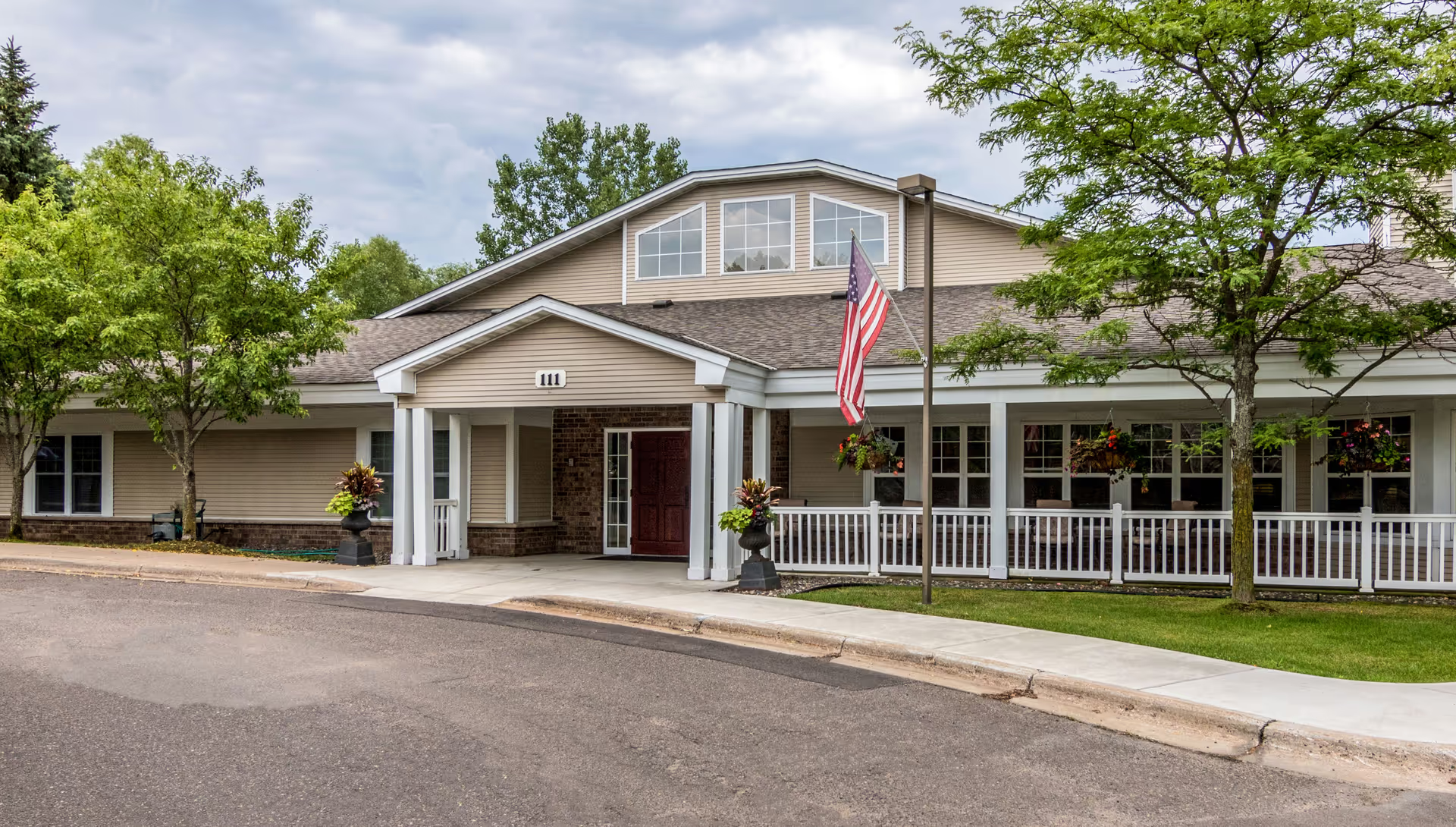
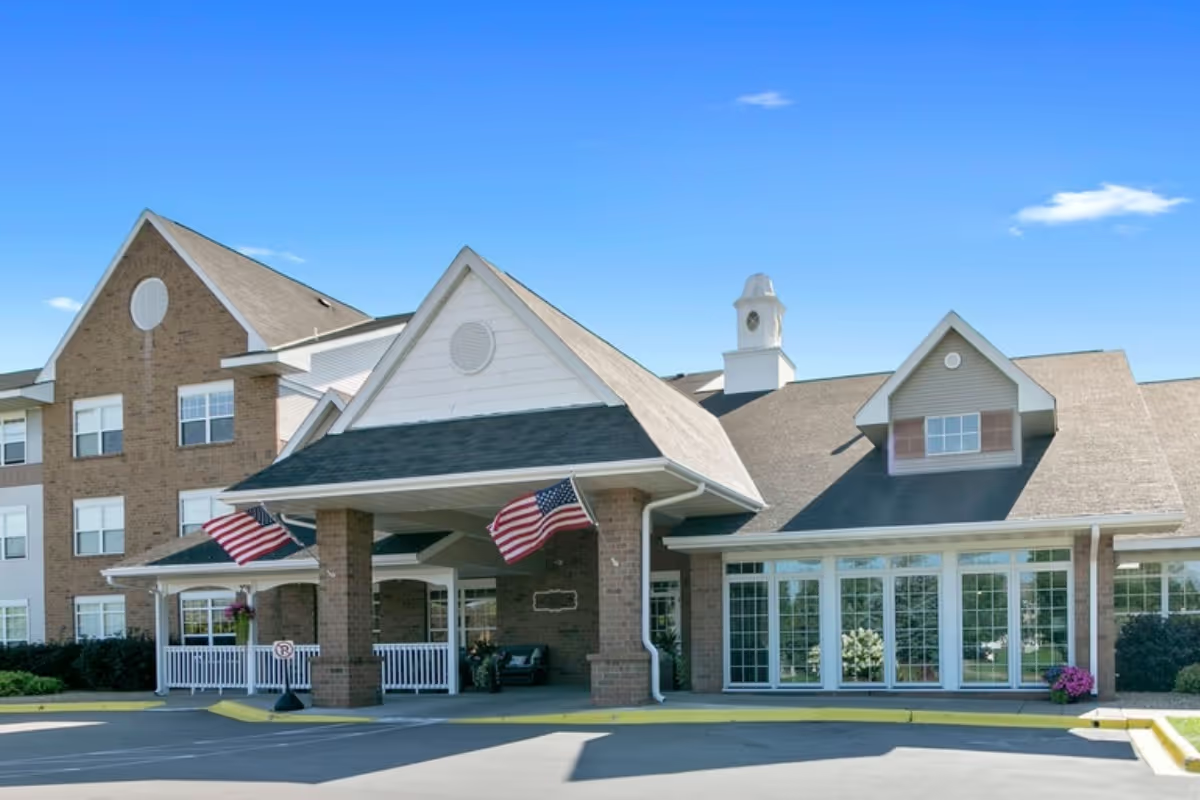
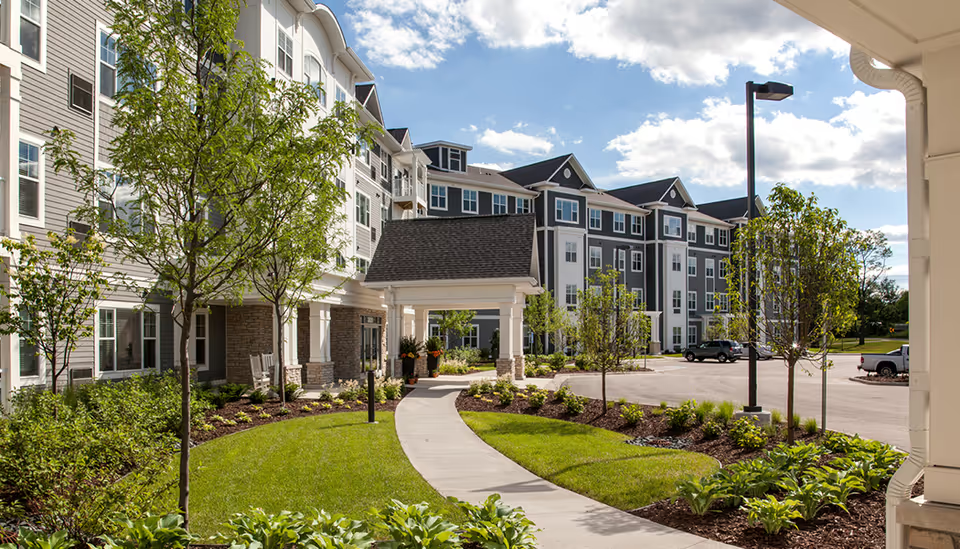
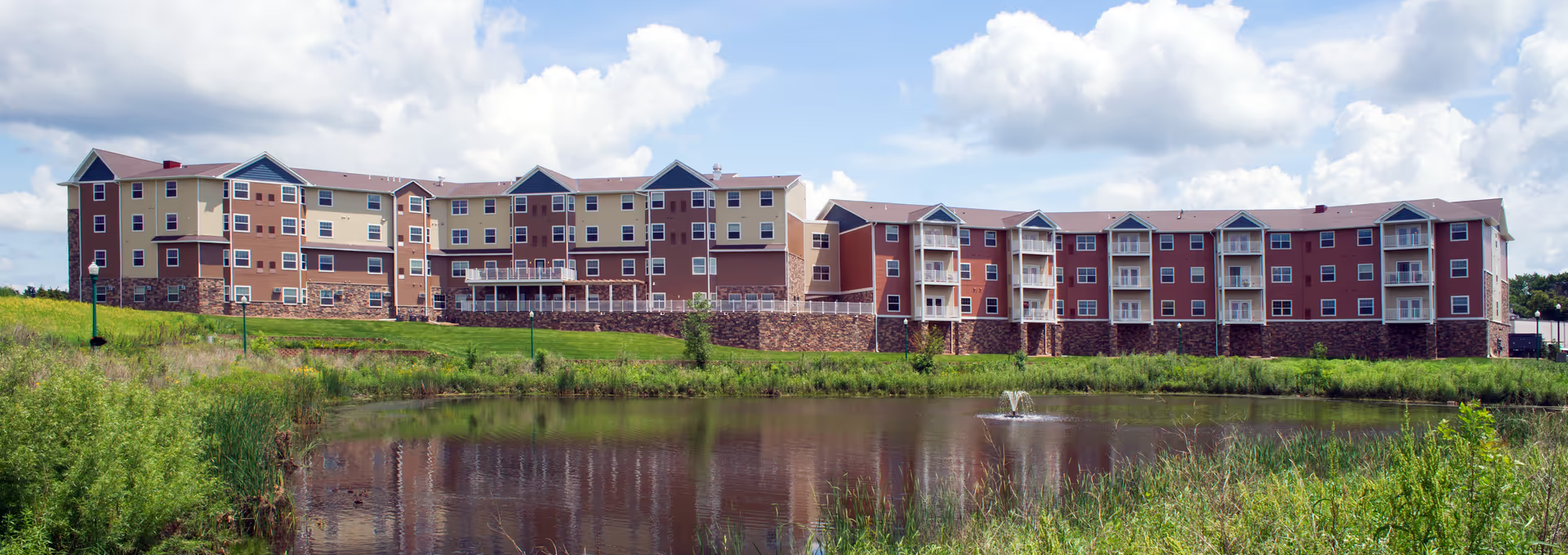
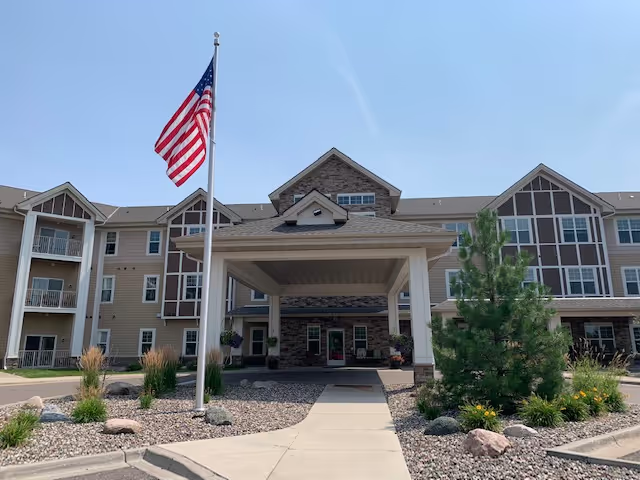
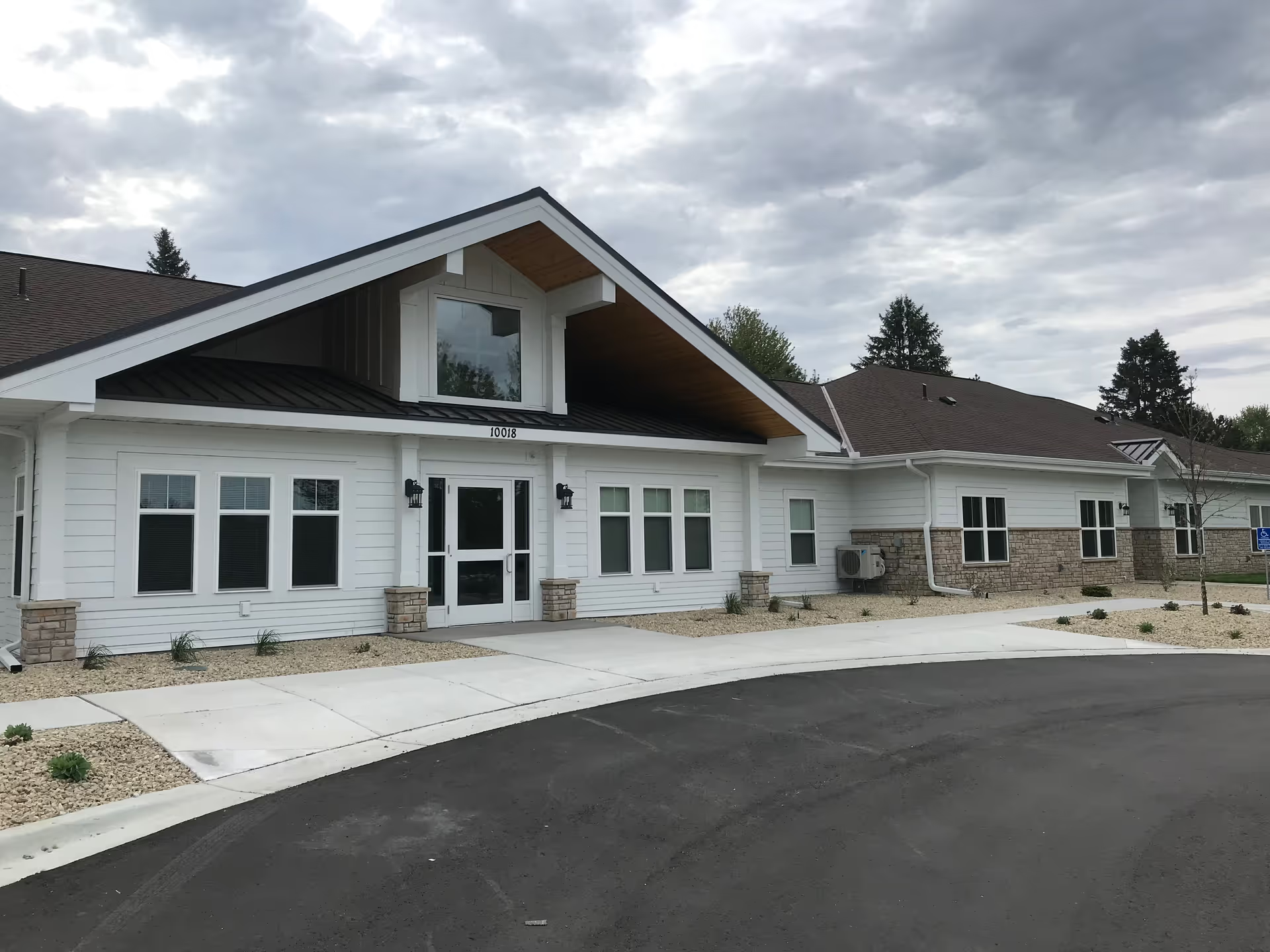
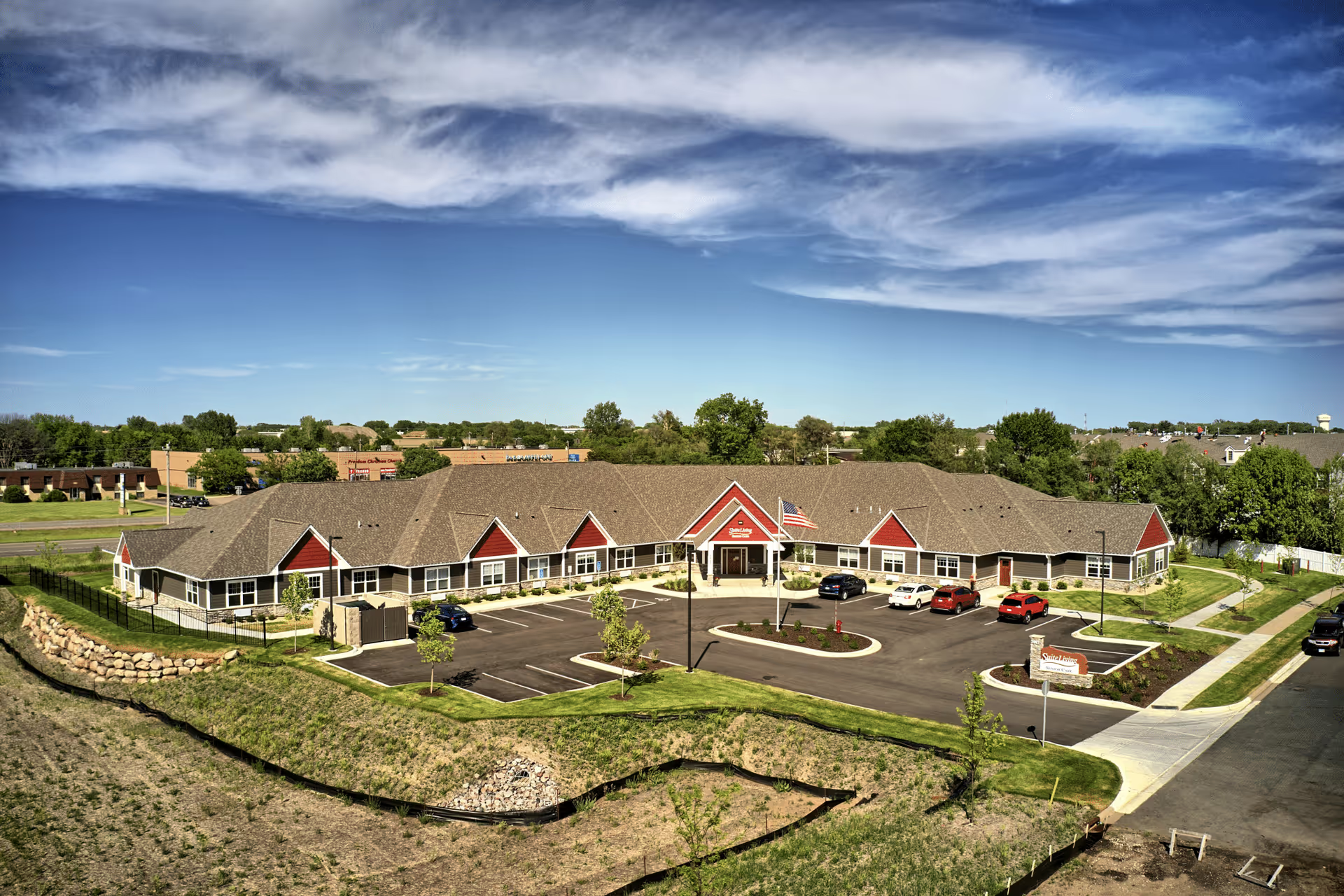
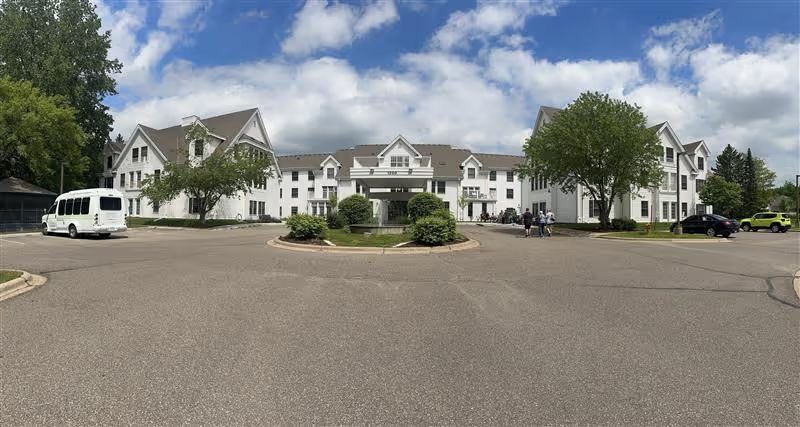
Overall impression: Lodge at White Bear presents as a mid-sized independent-living community with strong social programming, a park-like campus, and many services bundled into monthly rent. The facility consistently earns praise for its welcoming atmosphere, engaged front-line staff, and a range of on-site amenities that support socialization and convenience. Apartments are offered in a variety of sizes (studios through two-bedroom), many with patios or balconies, and the community layout emphasizes common areas, natural light, and outdoor access to a pond and walking paths.
Care and staff: Reviewers commonly describe staff as attentive, compassionate, and invested in resident well-being. Families and residents cite helpful coordination with families, medication assistance on an a la carte basis, Life Alert availability, on-site nursing/VA connections, and prompt maintenance responses. At the same time, there are recurring observations about management changes and episodic staff turnover; these dynamics have created uneven experiences for some families around consistency of leadership and service delivery.
Dining: Dining is a major feature of the community — restaurant-style service, three daily meals, homemade offerings, and snacks are repeatedly highlighted as central to resident life. Many residents find the food appealing and appreciate the structured dining program and social meals; a number of reviews specifically praise a recent chef and the dining atmosphere. Conversely, reviewers also describe inconsistent food quality and portioning over time, as well as limitations on in-unit meal preparation because most apartments have only kitchenettes or microwaves. For prospective residents who expect to cook regularly, the limited full-kitchen options and the community expectation to use dining services are important considerations.
Activities and social life: The Lodge offers a robust calendar of activities — exercise classes, games, entertainment, seasonal parties, outings to restaurants and casinos, and other group events. Transportation for shopping and medical appointments is included, and staff outreach to invite residents to activities is frequently mentioned. This programming contributes to a strong sense of community and social engagement for residents who want an active, communal lifestyle.
Facilities and maintenance: Physically, the campus and grounds are widely regarded as attractive and well laid out, with accessible outdoor spaces, walking paths, and scenic pond views. The building, however, shows signs of age in places: peeling paint, worn carpeting, chipping walls, and periodic renovation work were noted. Elevator availability and occasional maintenance backlogs have affected accessibility at times, particularly for residents using larger walkers or scooters. Housekeeping and cleanliness standards appear uneven across units and common areas; while many reports praise weekly housekeeping, others describe lapses in apartment cleaning and odors in some communal spaces.
Management and operations: Operational strengths include bundled services (utilities, linens, many amenities), included transportation, and on-site personal services (salon, therapy, VA linkage). Operational weaknesses cited across reviews include billing or communication inconsistencies, occasional service disruptions during renovations or staffing transitions, and limited on-site higher-level assisted-care capacity for residents whose needs escalate. Parking and garage availability can also be constrained.
Bottom line: Lodge at White Bear is best suited to independent seniors who prioritize social engagement, included services, and a campus-style environment with abundant activities and convenience features. Prospective residents and families should weigh the trade-offs between the strong communal dining/activities model and the limited in-apartment cooking options, and they should inquire specifically about current housekeeping standards, elevator/accessibility reliability, parking availability, and the facility’s capacity to support higher levels of care if that may become necessary. A focused tour that asks about recent management changes, billing practices, and how the community handles elevator/maintenance disruptions will help clarify fit for an individual resident.