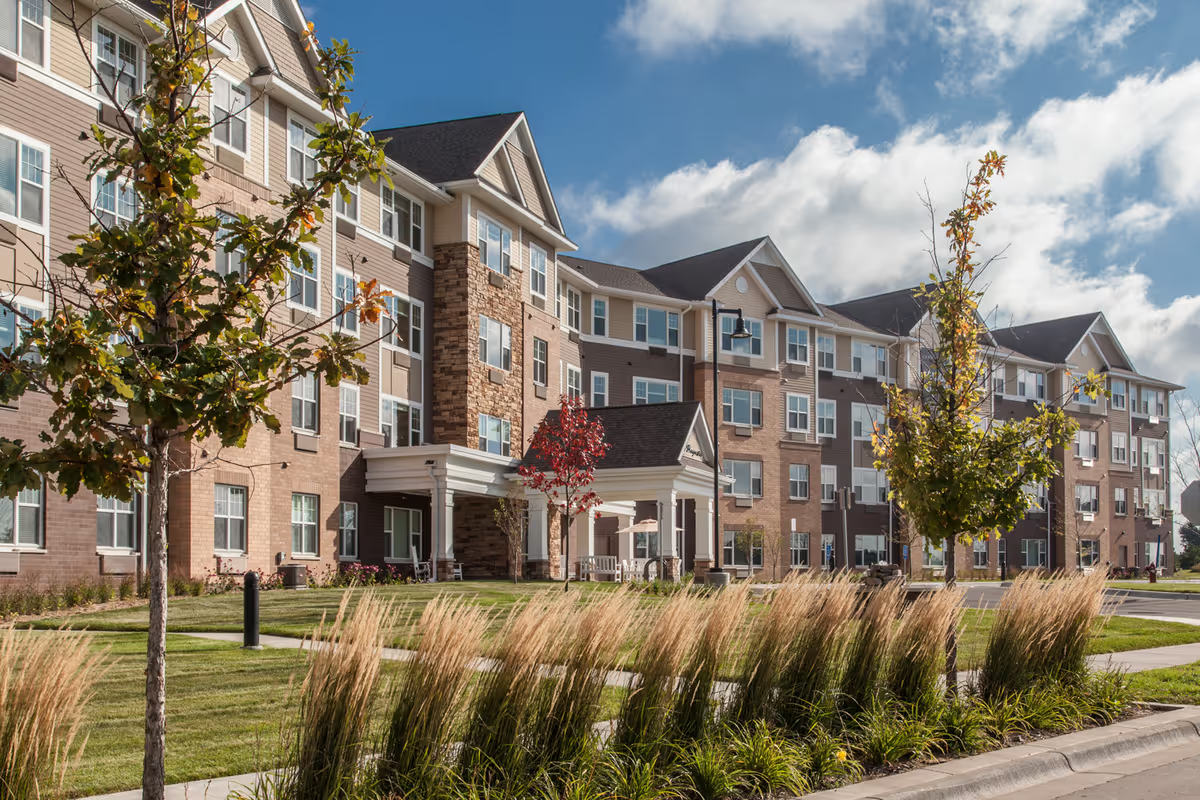
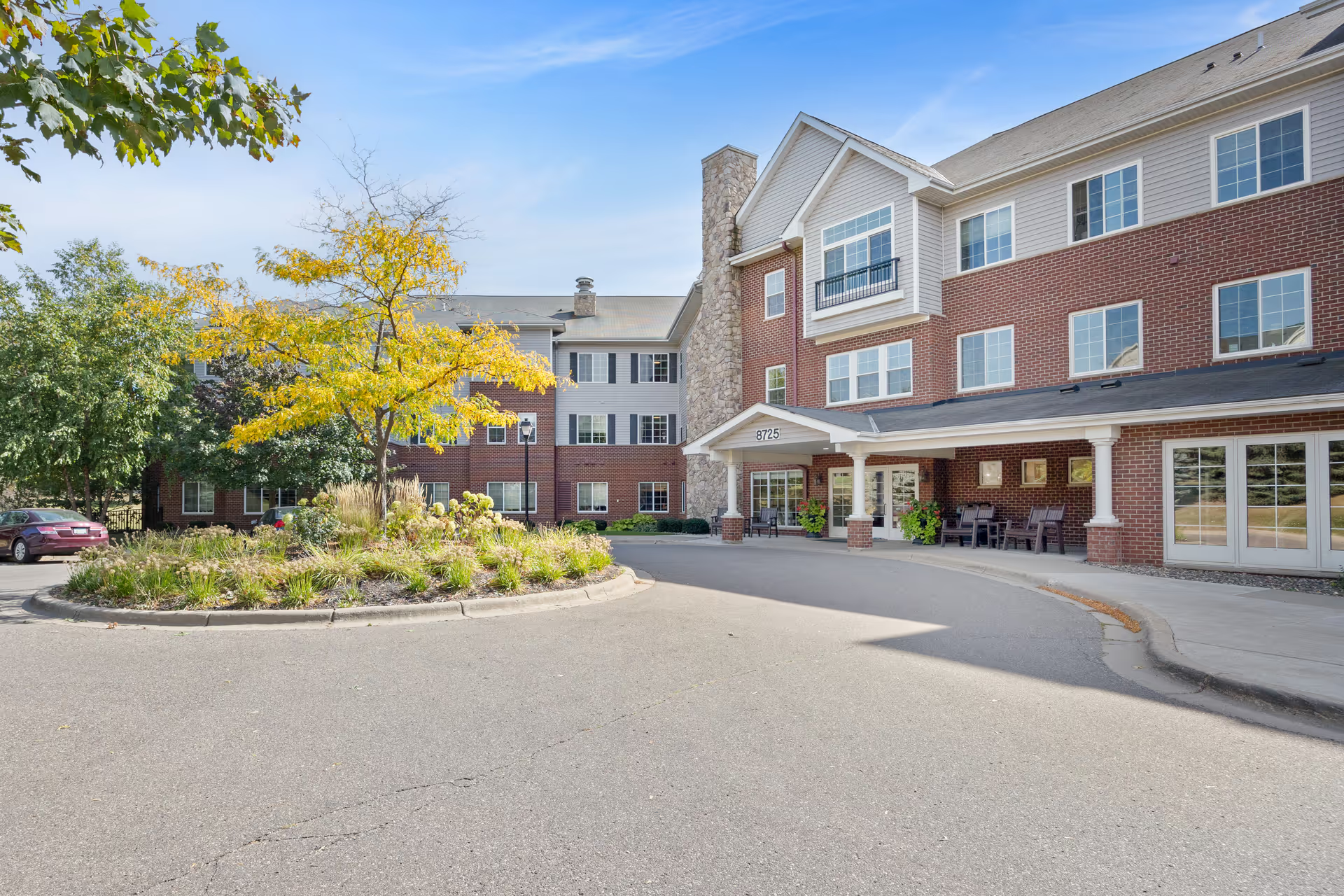
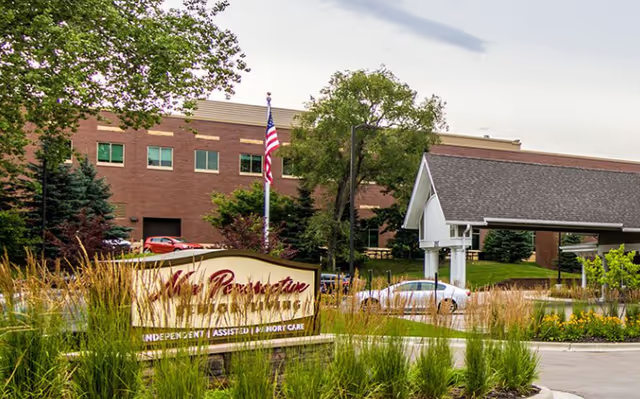
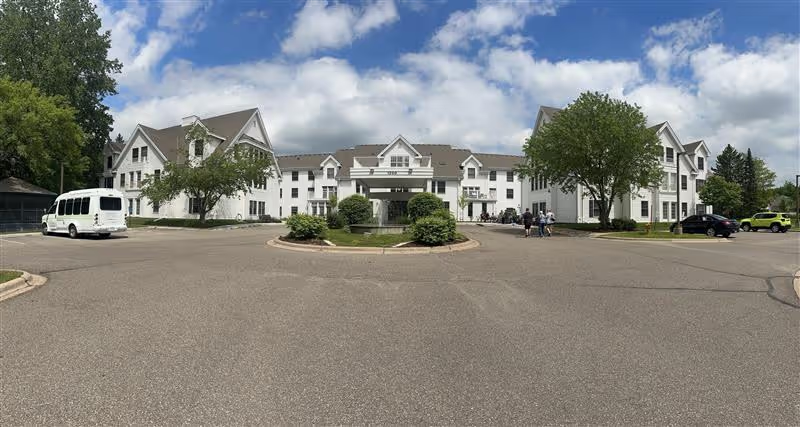
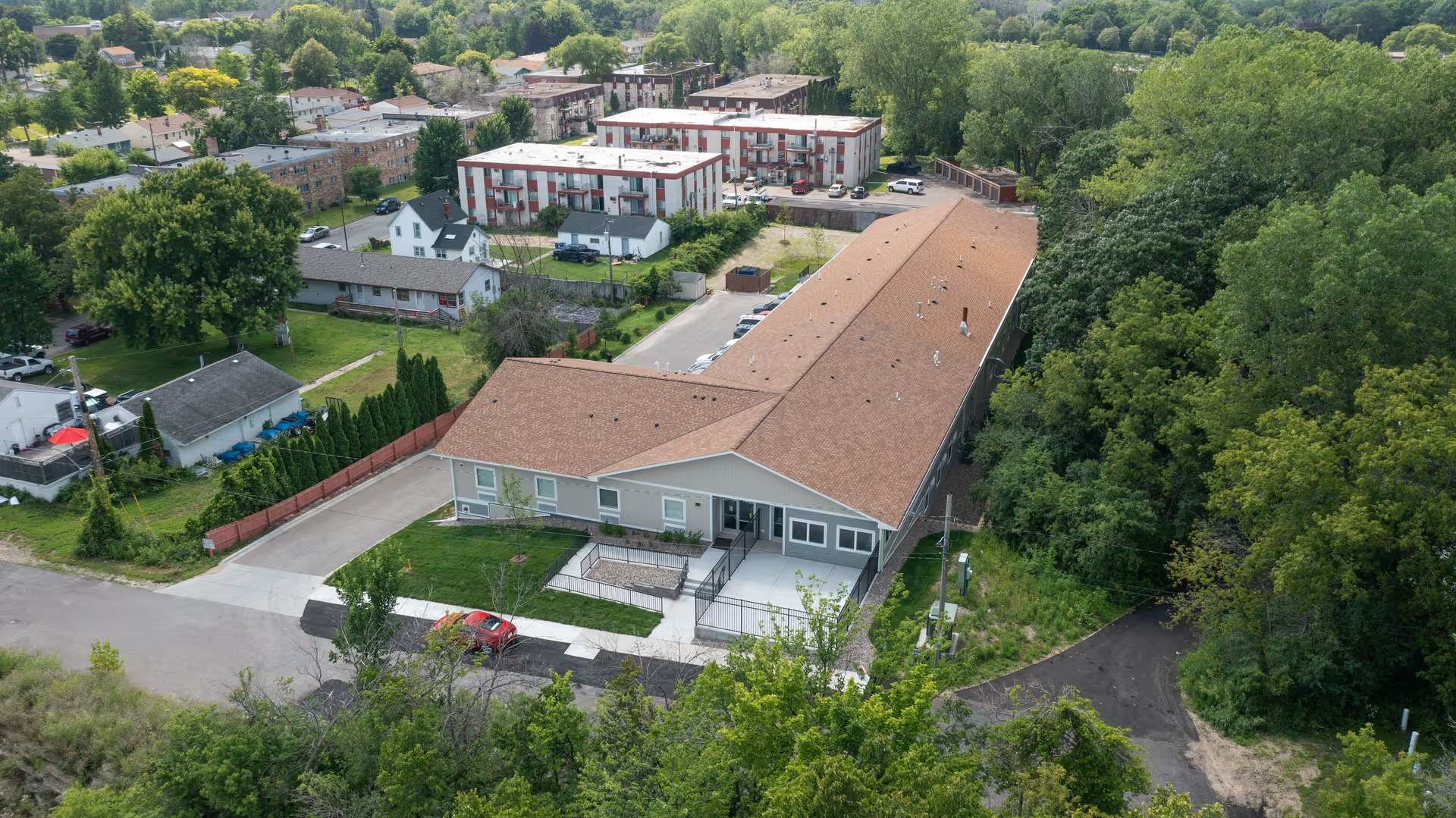
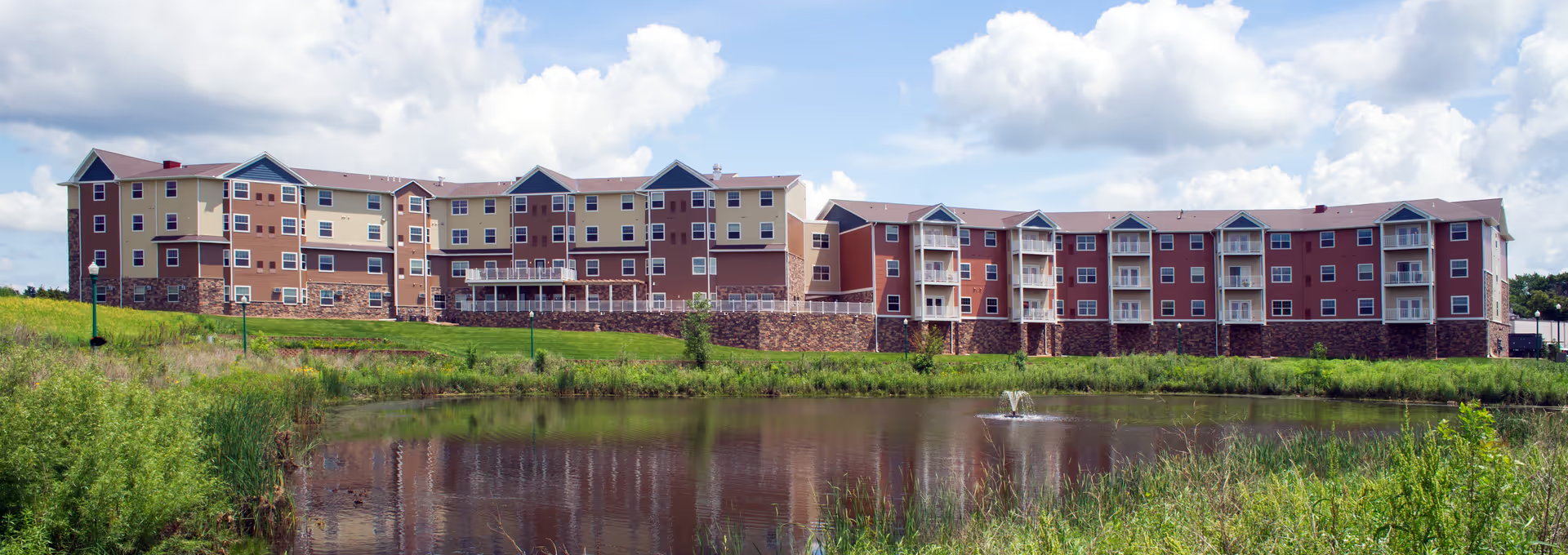
Oak Meadows is consistently described as a warm, family-oriented community with a strong caregiving culture. Reviewers praise long-tenured staff, a welcoming atmosphere, and active programming that keeps residents socially engaged. Families emphasize helpful move-in support, coordinated transitions across levels of care (independent, assisted living, memory care, and short-term rehab), and visible RN coverage and daily check-ins. The campus and grounds are frequently noted as attractive and well maintained.
Care and staff performance receive largely positive commentary: many families highlight compassionate direct-care workers, attentive housekeeping and maintenance, and a community feel where residents form friendships. Management and administrative staff are often described as communicative and responsive, and chaplaincy/spiritual support is available. Several accounts point to effective coordination for rehabilitation returns from short-term care and generally smooth transitions between service levels.
Dining and food service are mixed. A number of families commend the dining-room atmosphere and meal quality, and appreciate optional meal plans. However, there are also concerns about inconsistent kitchen practices and food-safety controls, limited dining-hour flexibility, and constrained therapeutic or special-diet accommodations; meals may be an additional cost depending on the plan selected. Prospective residents should clarify current dining policies, menu accommodations, and any recent corrective actions taken by the facility.
Facilities and programming are strengths: an active activities calendar, art and musical opportunities, and purposeful entertainment are described as contributing to a vibrant daily life. At the same time, reviewers note that some building sections are older with smaller, darker rooms and more clinical layouts; these differences can affect unit selection and resident experience. Families also reference waitlists and lengthy admission lead times for high-demand units.
Notable operational patterns include generally positive communication and staff stability, but intermittent and significant concerns about infection-control, incident response, and clinical responsiveness. Several families raised serious questions about outbreak preparedness and enforcement of isolation protocols during a COVID-19 outbreak, and isolated accounts describe delayed responses to urgent events. These items suggest variability in operational consistency rather than uniform performance. Recommended pre-visit questions include current infection-control policies, staffing levels and RN coverage at different times, incident-response procedures and family notification practices, dining hygiene checks and dietary accommodations, and unit-specific room layouts and availability.