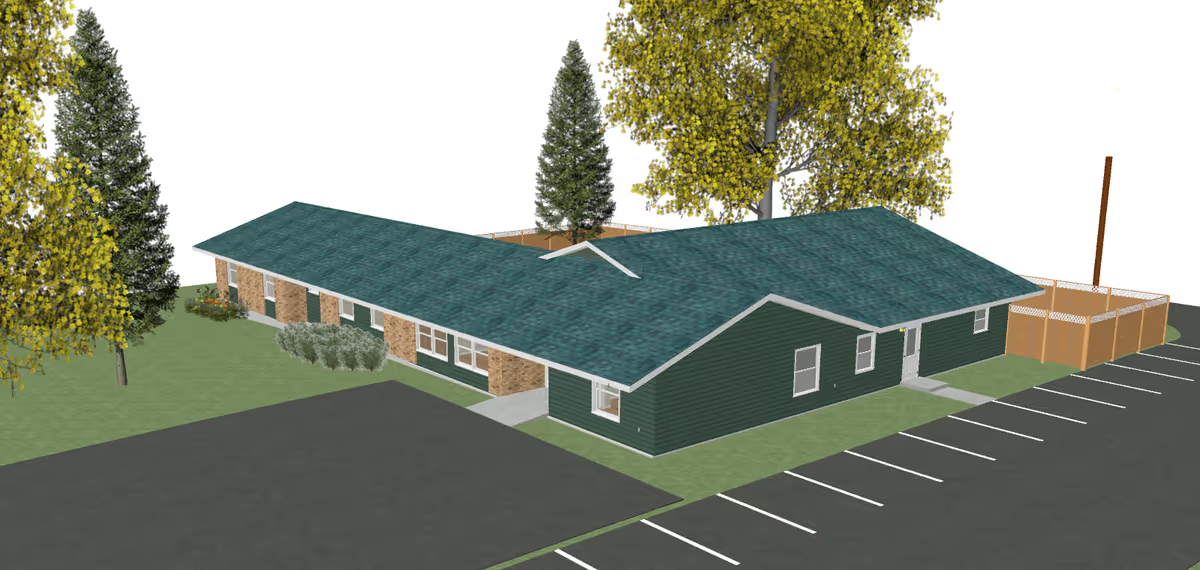
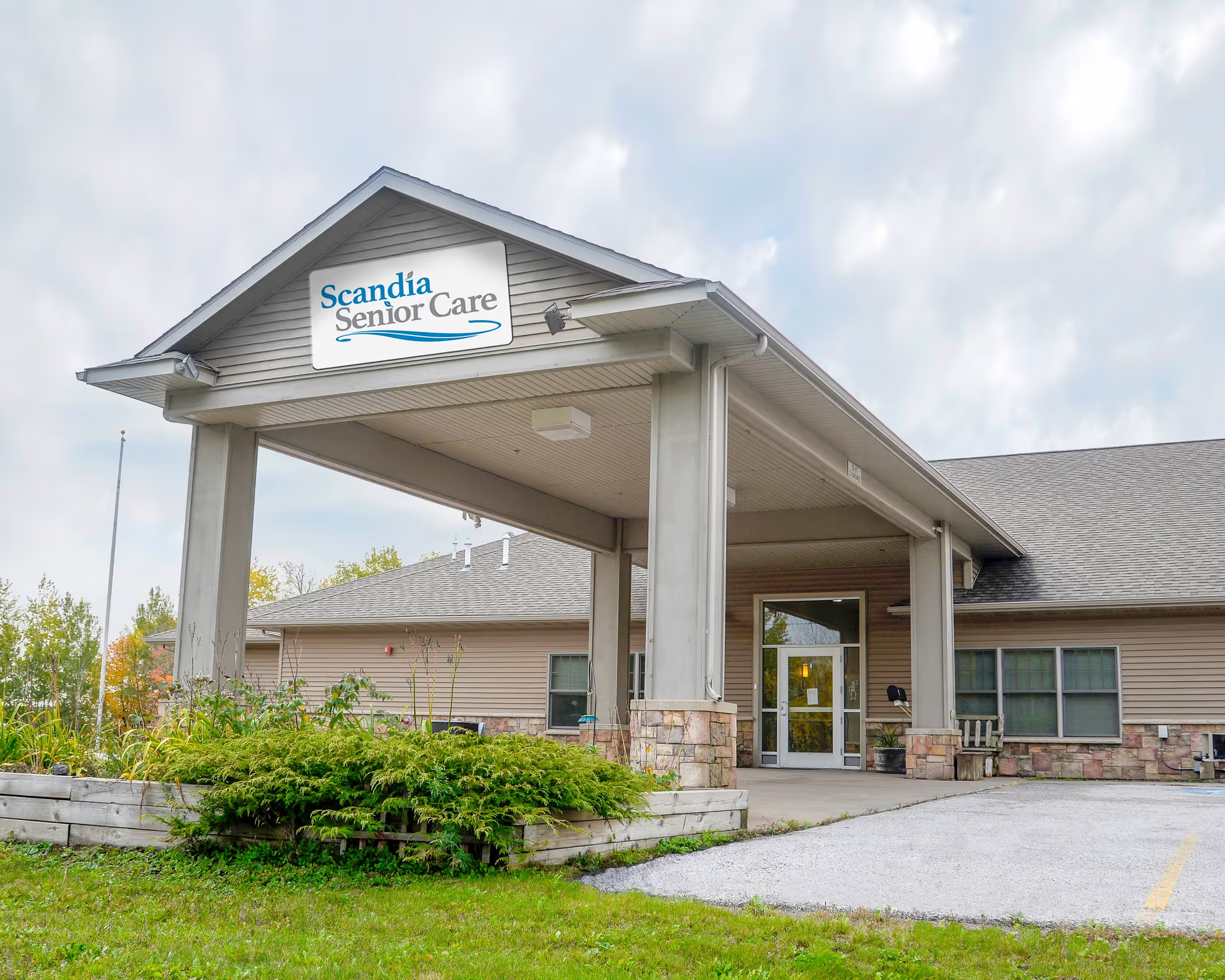
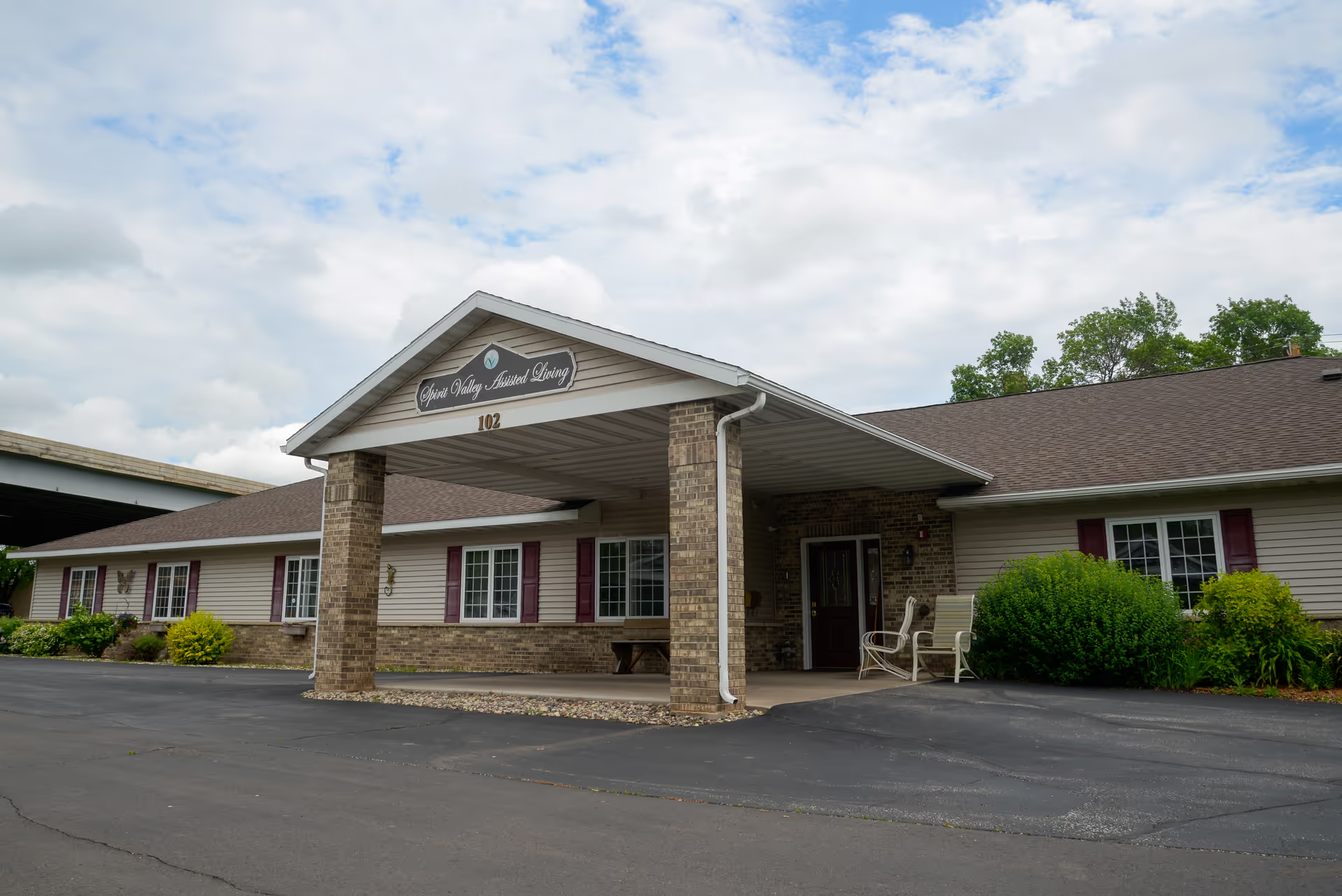
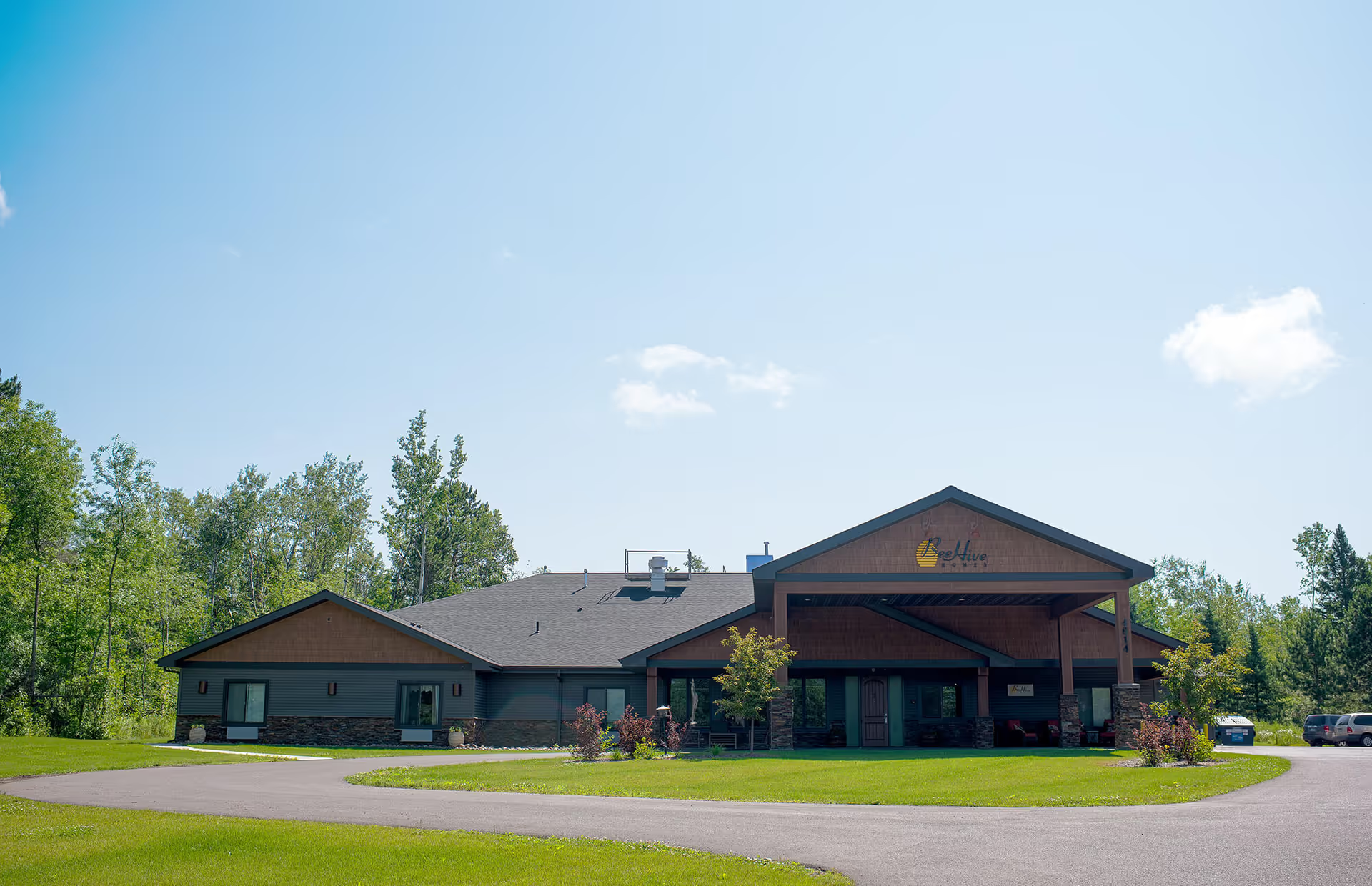
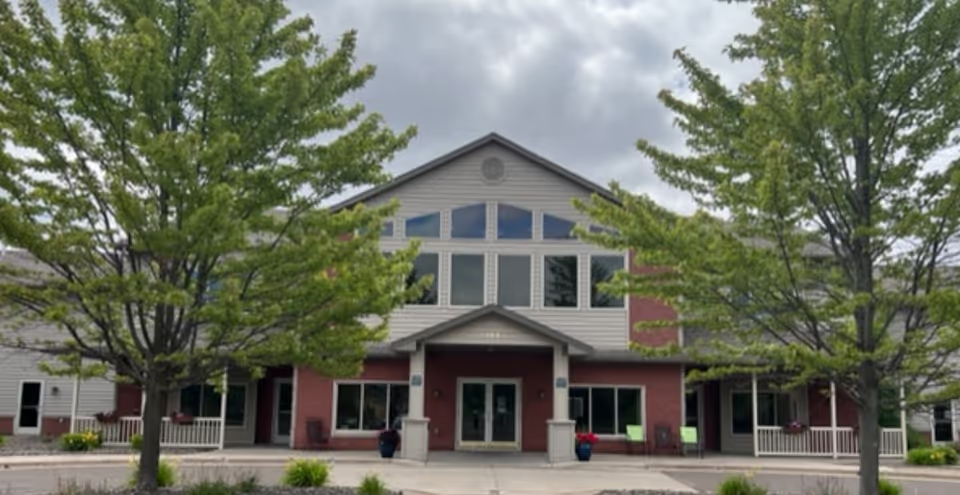
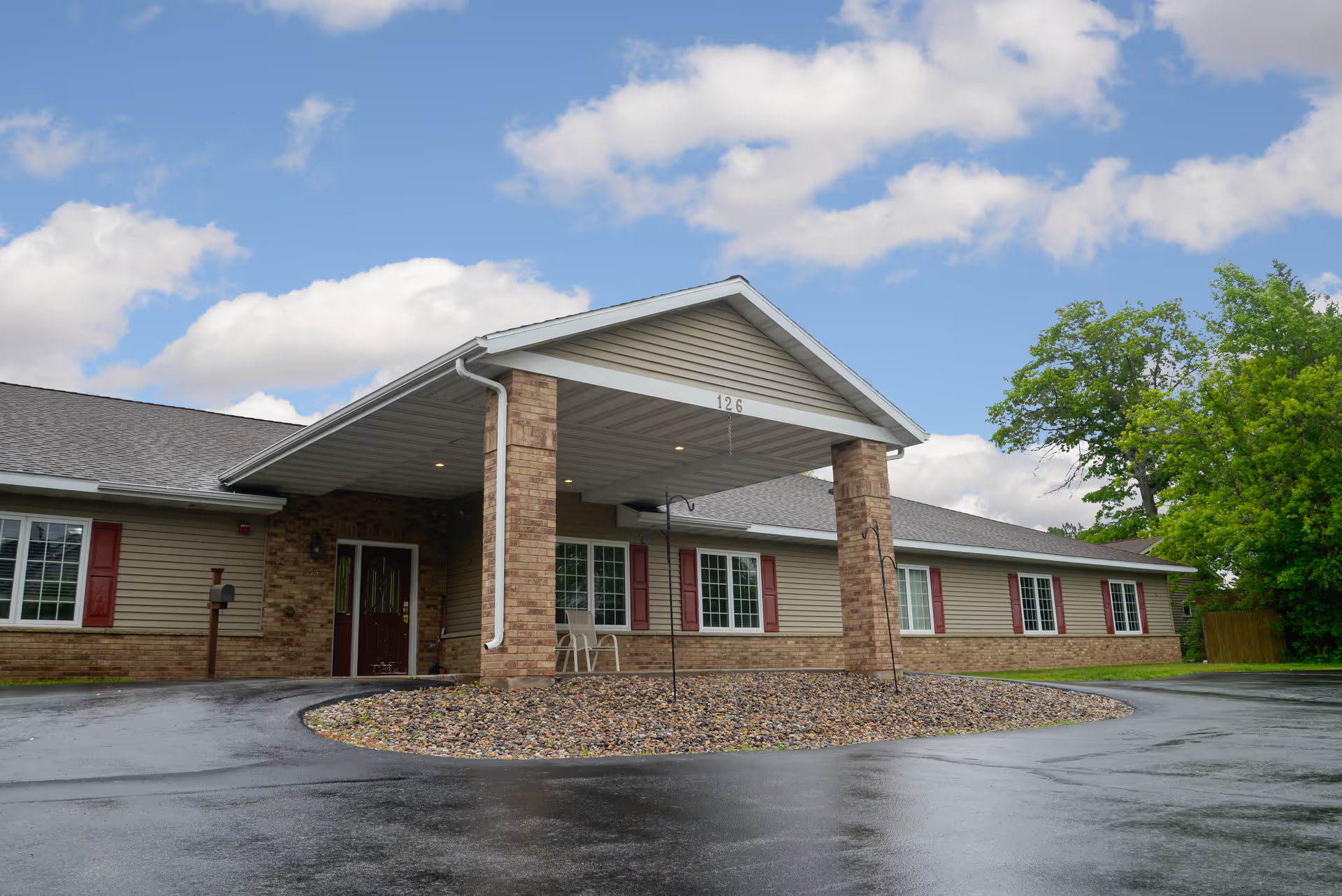
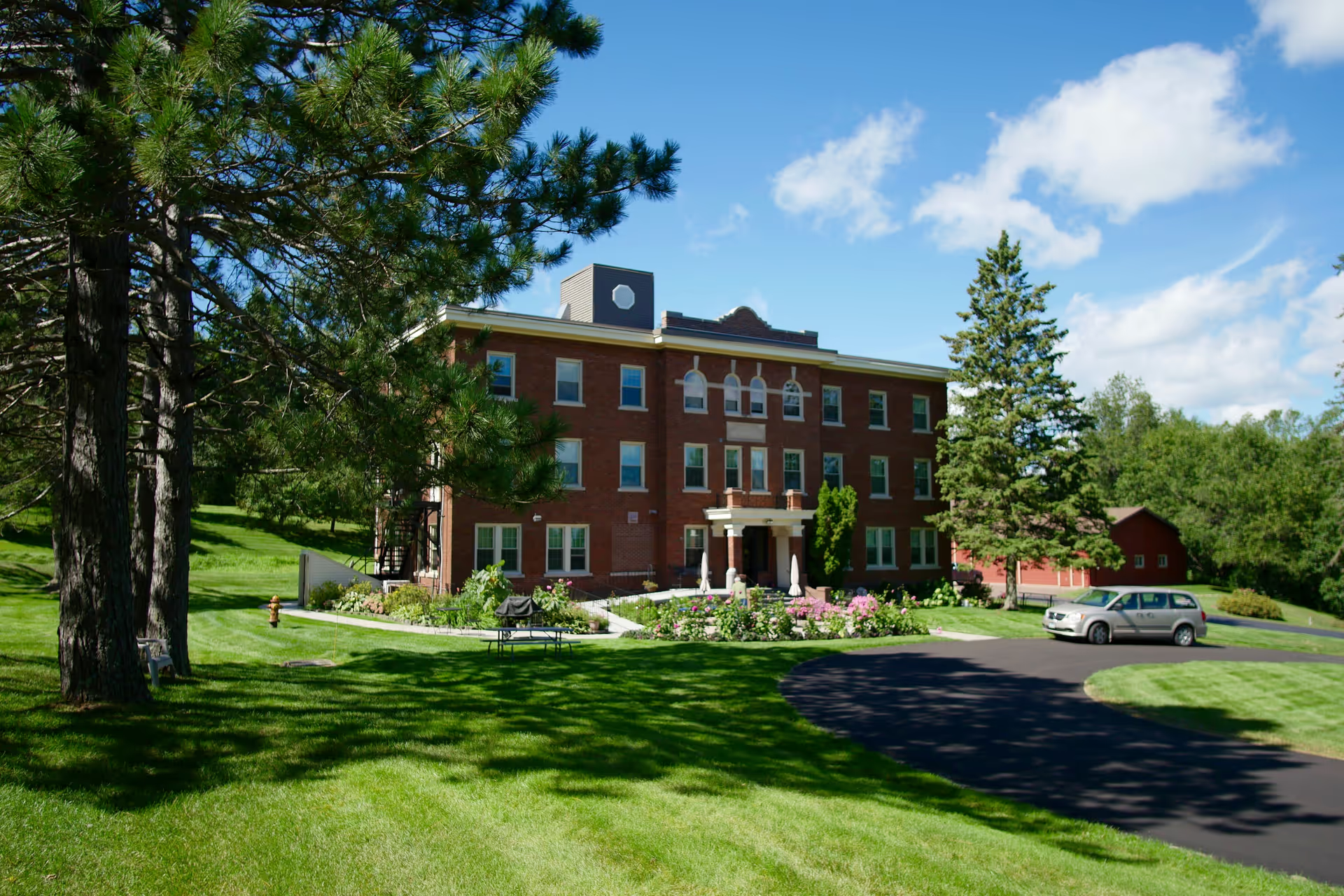
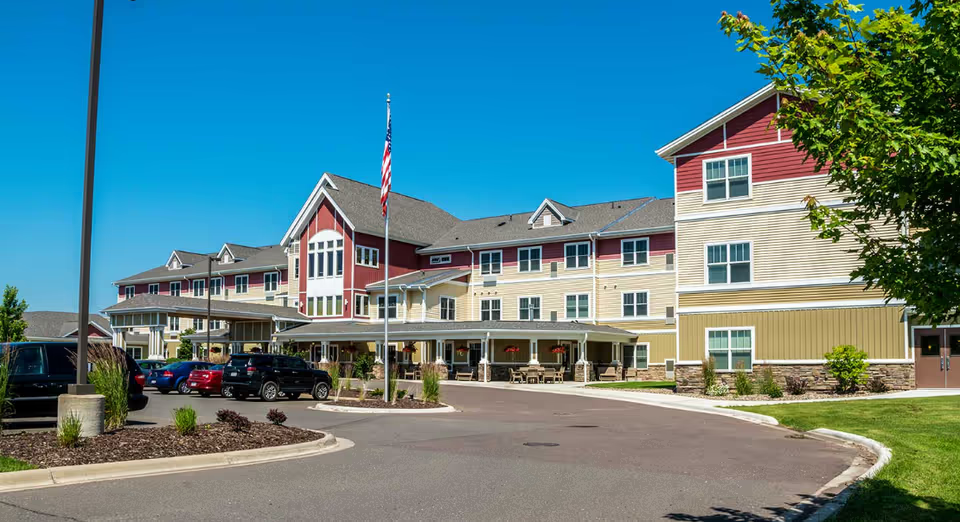
Feedback about Diamond Willow Assisted Living & Memory Care is mixed, with clear strengths in environment, social programming and end-of-life services but recurring operational concerns that prospective families should evaluate. The facility offers memory-care programming with secured suites and locked cottages, a recently expanded or newer building footprint, and pleasant communal spaces (including a fireplace area and family-sized common rooms) that families find conducive to visits and gatherings. The campus and room layouts are described as accessible and sizable, with daily laundry and routine housekeeping as part of the service profile.
Clinical and direct-care observations present a dual picture. Many accounts describe warm, attentive staff and 24/7 availability of personal assistants, and the presence of on-site hospice with hospice RN collaboration is a notable clinical resource for residents requiring end-of-life support. At the same time, the workforce model relies largely on personal assistants rather than licensed nurses, which can limit in-house clinical capability; reviewers pointed to inconsistent staffing levels and coverage gaps that affected response times and day-to-day assistance during some shifts.
Dining and activities are likewise mixed. The community runs organized activities and holiday programming that families found engaging, and event food is described as plentiful at celebrations. However, there are repeated comments about inconsistent meal quality and instances of cold or unappealing food service. Housekeeping and sanitation generally occur, but there are intermittent cleanliness and odor concerns in certain areas and times (holiday clutter was noted as one example), indicating variability in environmental maintenance.
Management and administrative issues appear as recurring themes. Families raise questions about billing practices, high charges, and difficulties resolving account disputes. Placement and placement-decision communication were also areas of dissatisfaction for some—examples include transfers between memory-care units and perceptions that initial placement choices did not match resident needs. These administrative and leadership concerns compound operational worries when clinical staffing or responsiveness is variable.
Overall pattern: strengths center on a warm, community-oriented environment with appropriate memory-care infrastructure and hospice integration, while weaknesses are primarily operational—staffing consistency, clinical licensing mix, dining consistency, environmental maintenance variability, and billing transparency. Prospective residents and families should tour the site, review staffing ratios and licensed-nurse availability for desired levels of care, request recent menus and a meal sample, ask about cleaning schedules and odor-control procedures, and obtain detailed written information on pricing and billing policies before making a placement decision.