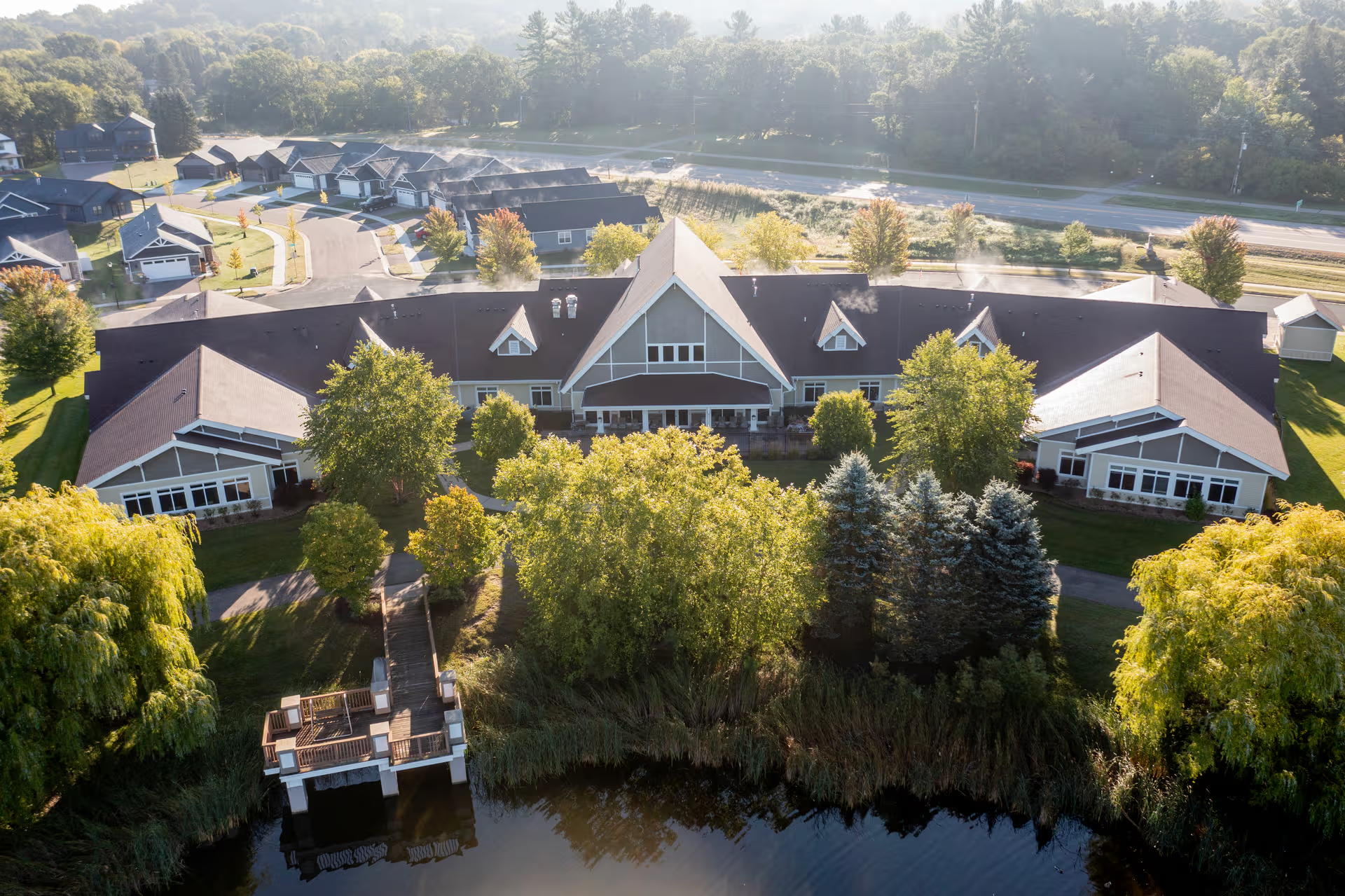
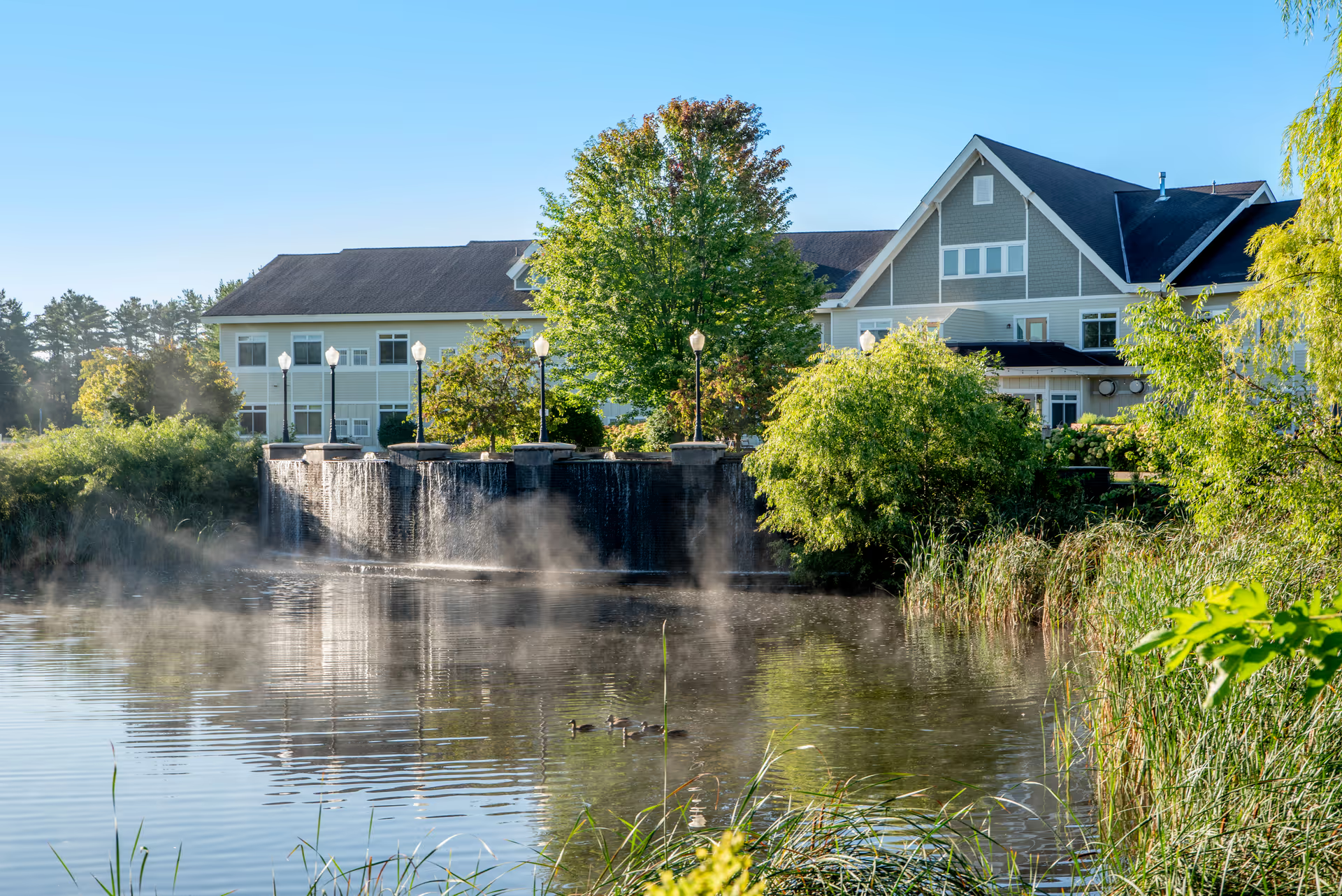
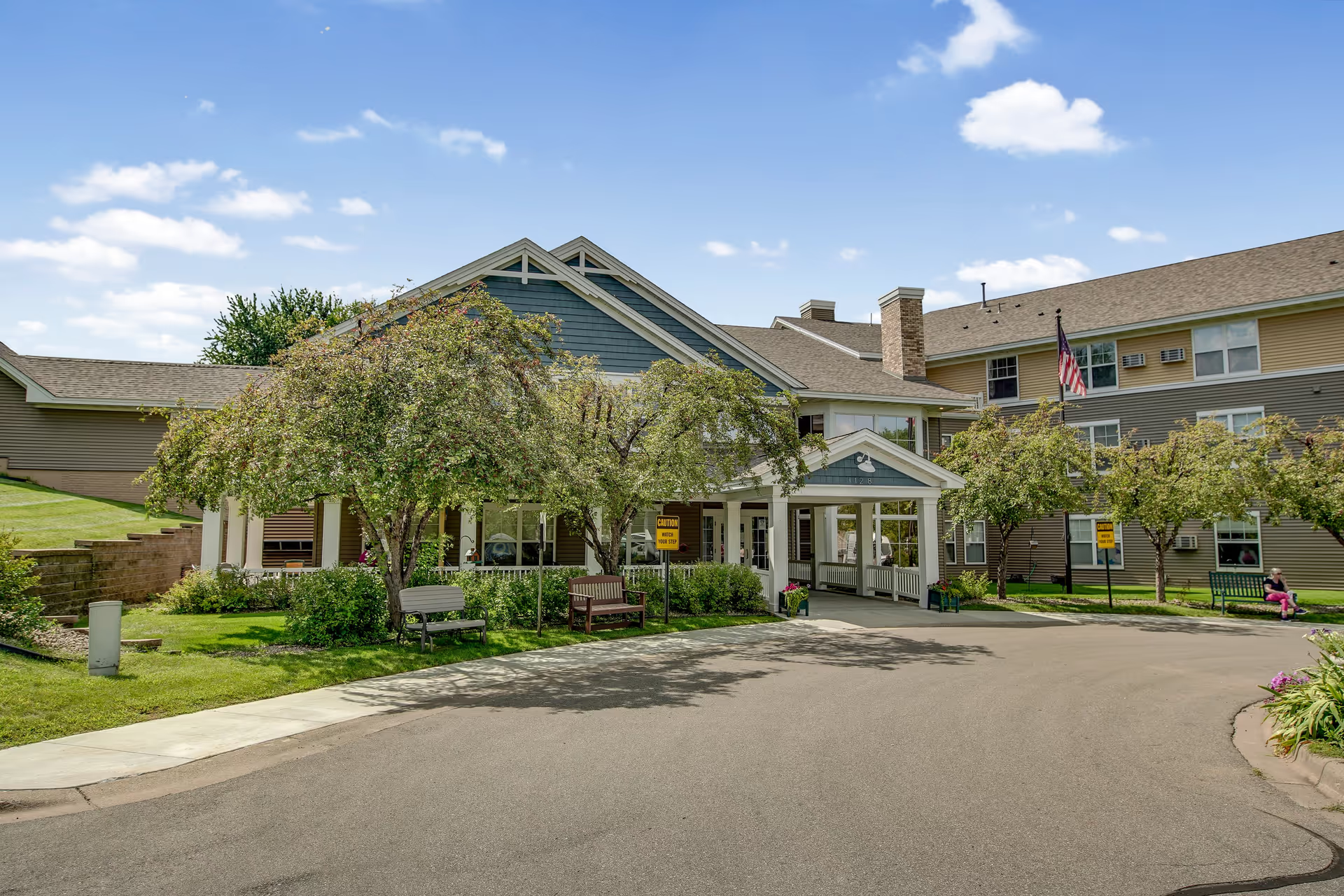
Benedictine Living Community–Red Wing is described by many families as a clean, comfortable senior living community with a warm, home‑like atmosphere and several operational strengths. Commonly cited positives include personable caregiving staff, long employee tenures, spacious private rooms with generous storage, pleasant outdoor areas, and an active resident social life. Reviewers frequently praised meal quality, spiritual support, and an admissions team that can provide a reassuring tour and help facilitate moves.
Care and staff quality are areas of clear strength for a substantial number of families: reviewers highlight compassionate, attentive caregivers, skilled clinical staff, and staff who foster dignity and social engagement. That said, there is notable variability in staff performance and responsiveness. Several families described significant concerns about delays in attending to resident needs, inconsistent adherence to individualized care plans (including hospice guidance), and uneven responsiveness from social-work and care‑coordination functions. These issues appear to be intermittent rather than universal, producing a mixed overall picture of clinical consistency.
Dining and daily living are generally regarded positively; many residents and families mentioned enjoyable meals and accommodating dining staff. However, there are instances indicating lapses in meal adaptation for special-diet requirements, suggesting a need to confirm how dietary modifications and texture changes are managed for individual residents. Activities and community life are consistently described as vibrant and engaging, contributing to residents being busier and more socially active than in previous settings for some families.
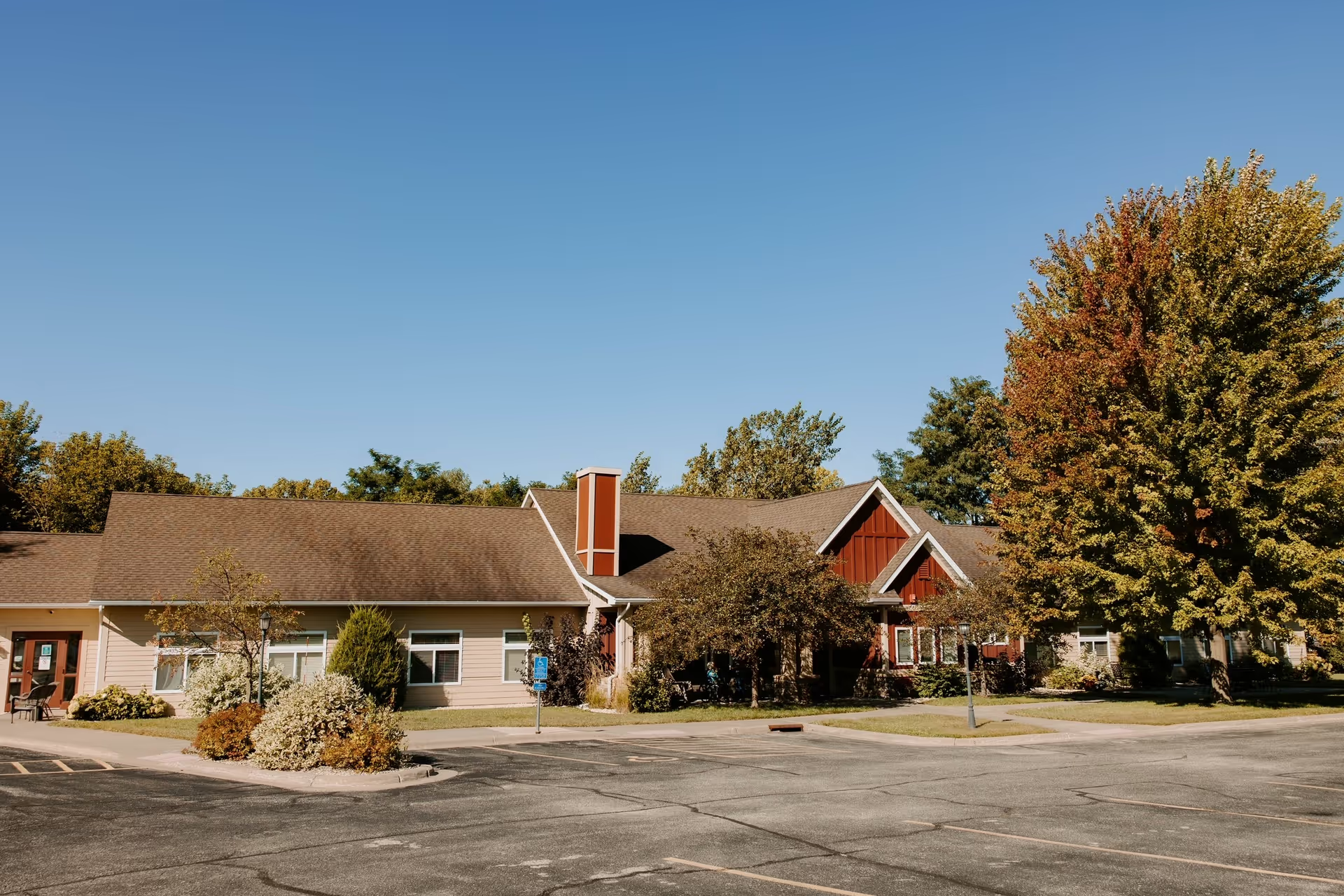
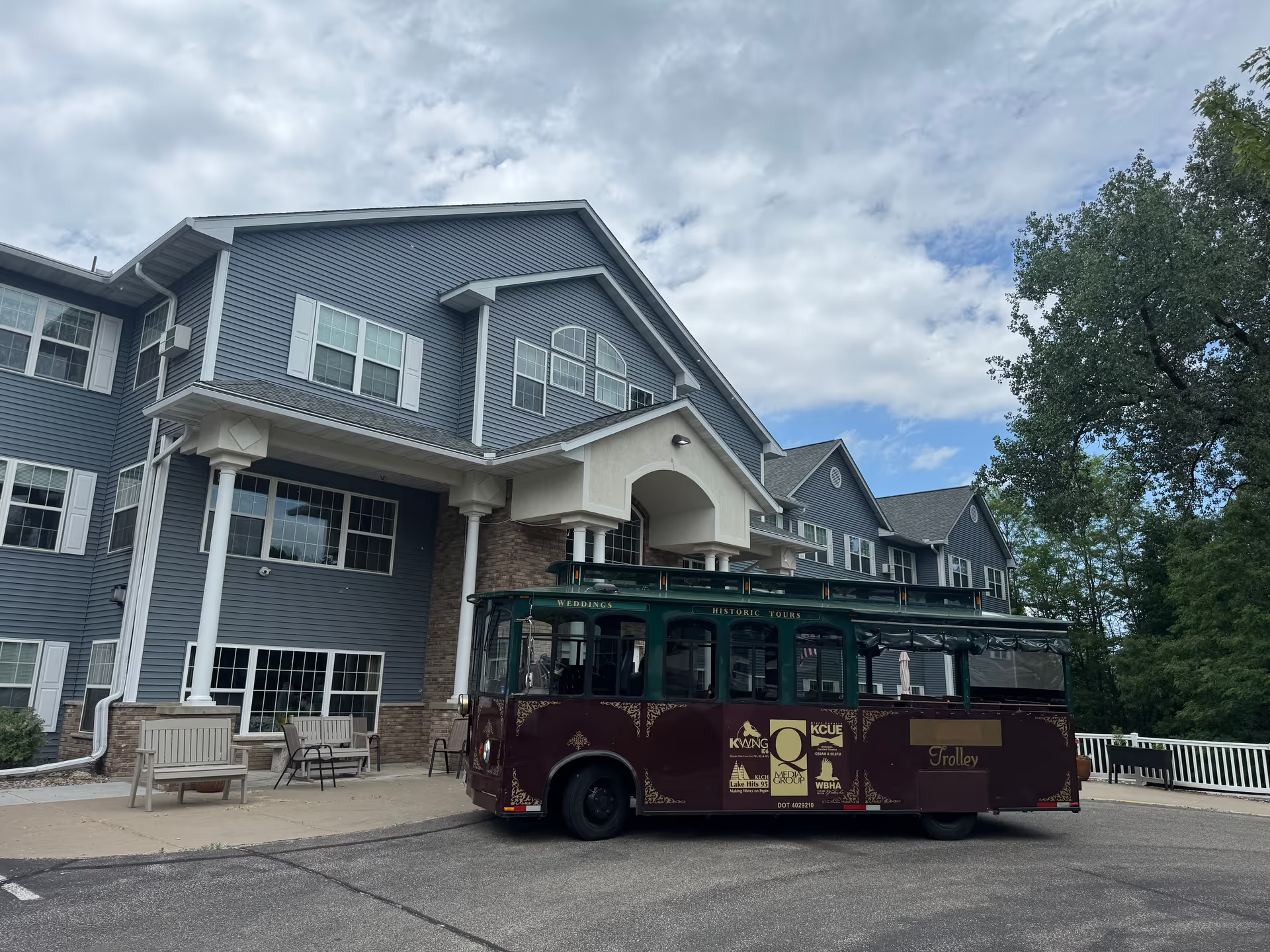
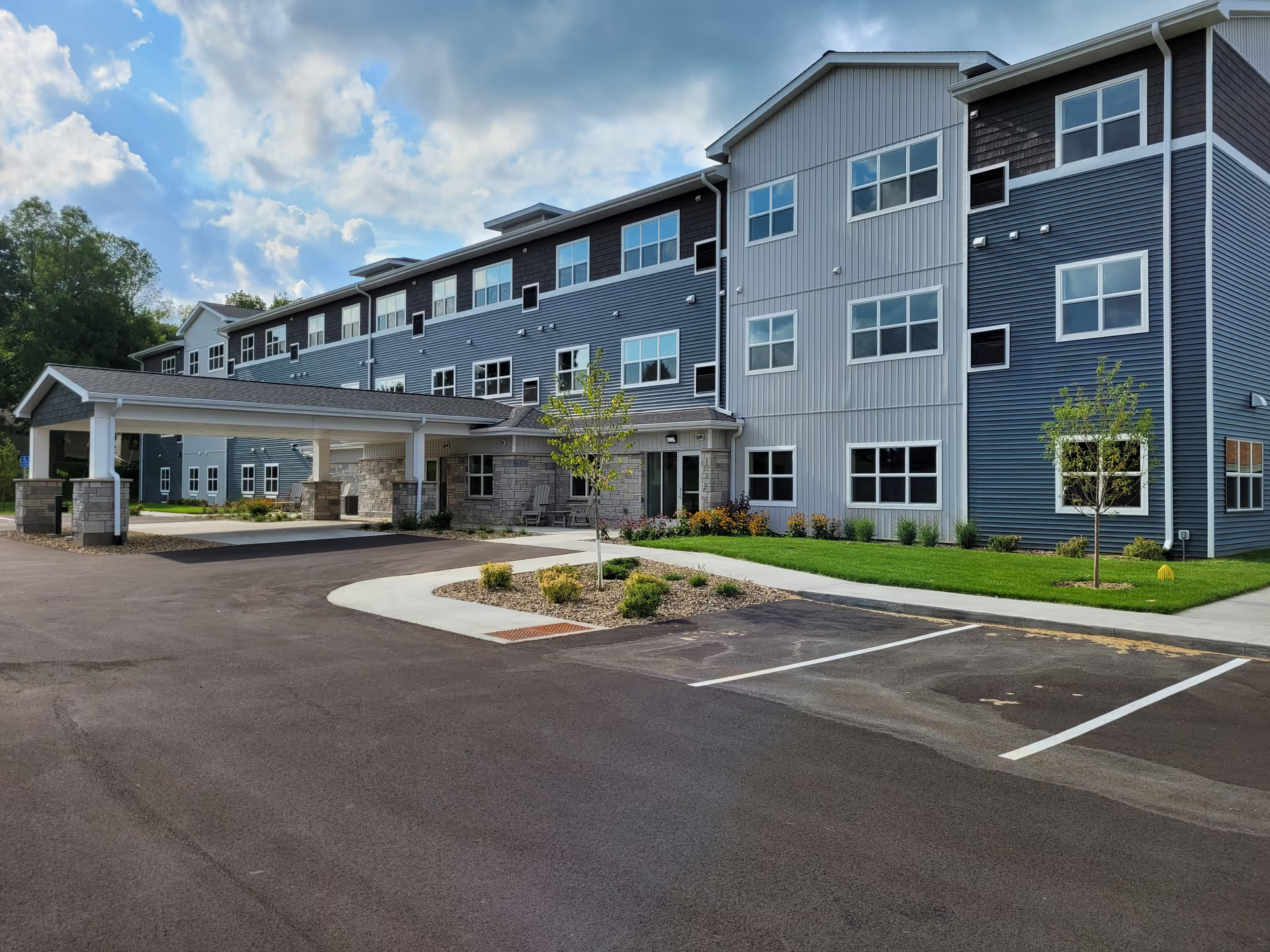
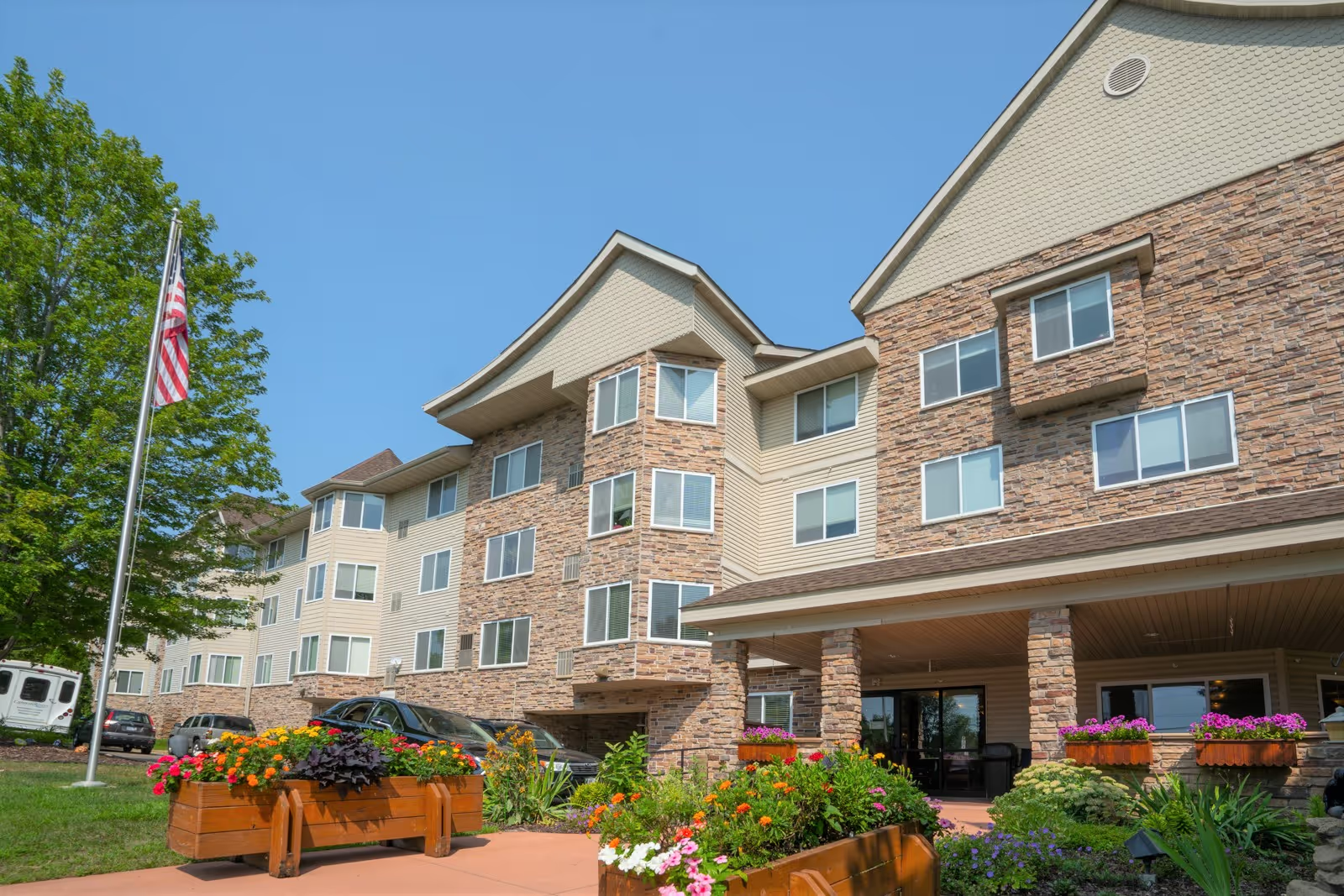
Facilities and amenities receive strong marks for cleanliness, layout, and comfort. Private rooms, functional furnishings, Wi‑Fi, and accessible television services were repeatedly mentioned. Management and admissions staff earn praise for supportive and informative tours and for facilitating smooth transitions in many cases; conversely, administrative concerns appear intermittently, including occasional admission-process glitches, an unresponsive main line, and variable customer-service interactions at reception.
Notable patterns for prospective families to consider: while many experiences are positive and emphasize compassionate care, the community shows variability in communication, clinical plan adherence, and responsiveness during high-acuity or end-of-life situations. Prospective residents and families may want to ask specific questions during a visit about staffing levels, hospice coordination protocols, meal‑service procedures for special diets, family communication and escalation pathways, and front‑desk/phone responsiveness. Touring the community, speaking with current residents and families, and clarifying expectations for care coordination and visitation can help assess whether the facility’s strengths align with an individual’s needs.