Overall impression: Reviews present a mixed but actionable picture. Many families and residents praise the facility’s interpersonal strengths, amenities, and activity programming; at the same time, recurring operational issues tied to clinical oversight, monitoring, and administrative transparency have been raised. Prospective residents should weigh the strong social and environmental features against concerns about consistency of care and operational controls.
Care and staffing: Praise centers on compassionate, engaged caregivers who form cohesive teams and respond promptly to many resident needs. Reviewers describe staff who get to know residents, provide hands-on assistance, and support families—including hospice coordination and end-of-life care. Counterbalancing that, there are patterns indicating uneven clinical oversight: timing and reliability of medication delivery, inconsistent room checks and monitoring, and instances that suggest gaps in fall-prevention and transfer-safety practices. These patterns point to variability in staffing presence or procedures across shifts rather than a uniform model of care. Families should ask for staffing ratios, medication-administration policies, routine check-in schedules, and incident-reporting practices during tours.
Dining and activities: The facility’s dining and social programming receive substantial positive comment. Meals are frequently described as enjoyable and dining spaces as pleasant; activity schedules emphasize music, social programs, and opportunities to remain engaged. Reviewers highlight an active calendar that supports resident socialization and a sense of community. These strengths appear to contribute meaningfully to resident satisfaction and daily life.
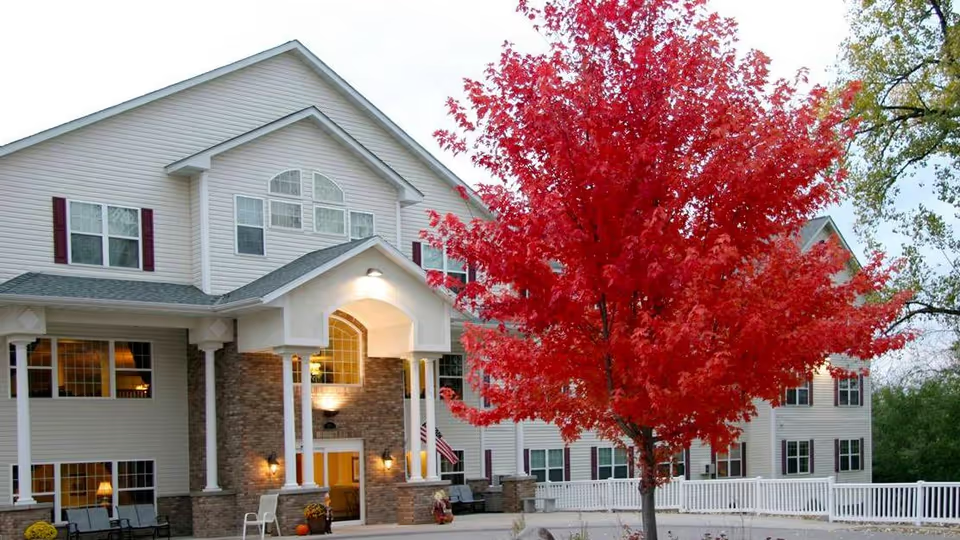
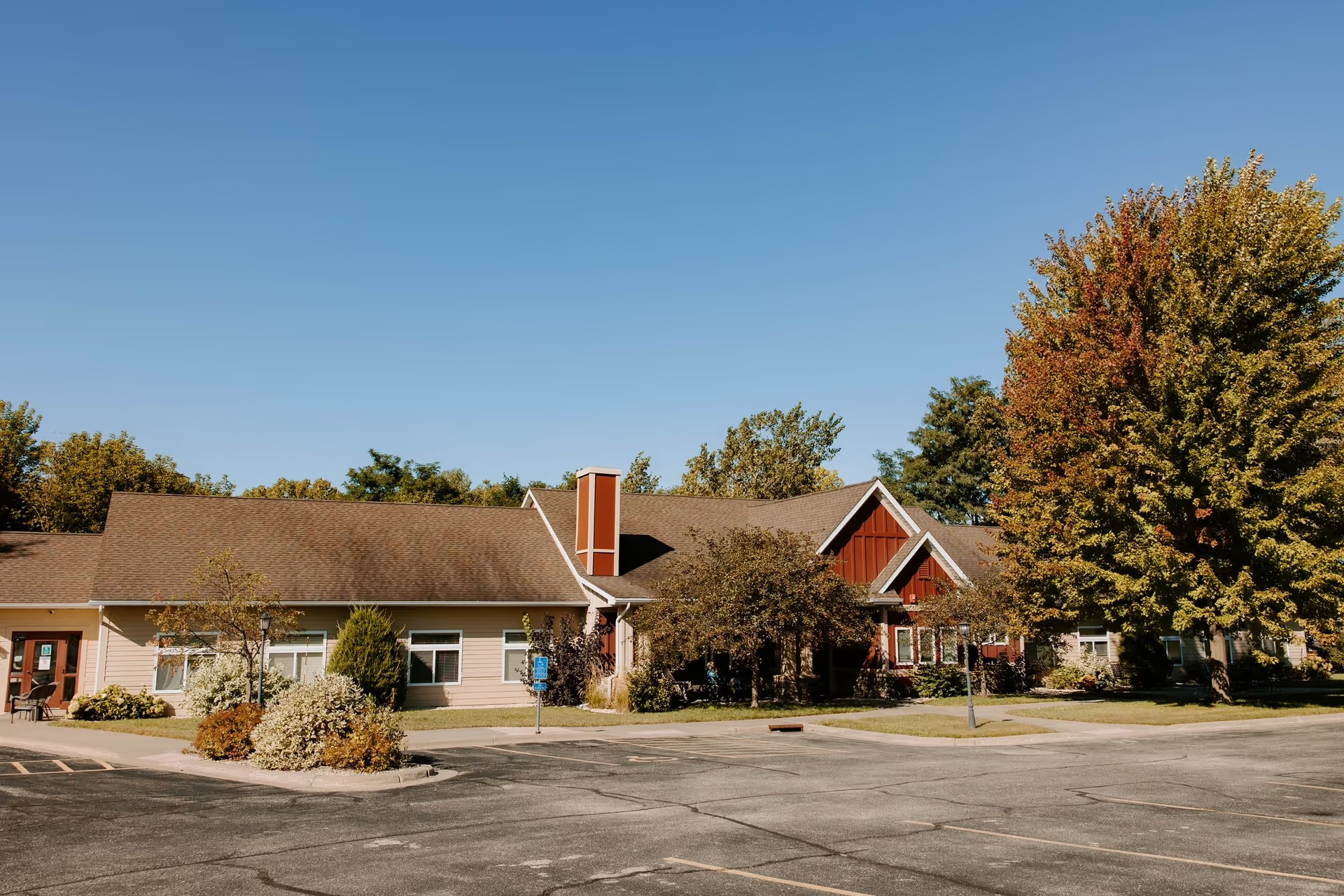
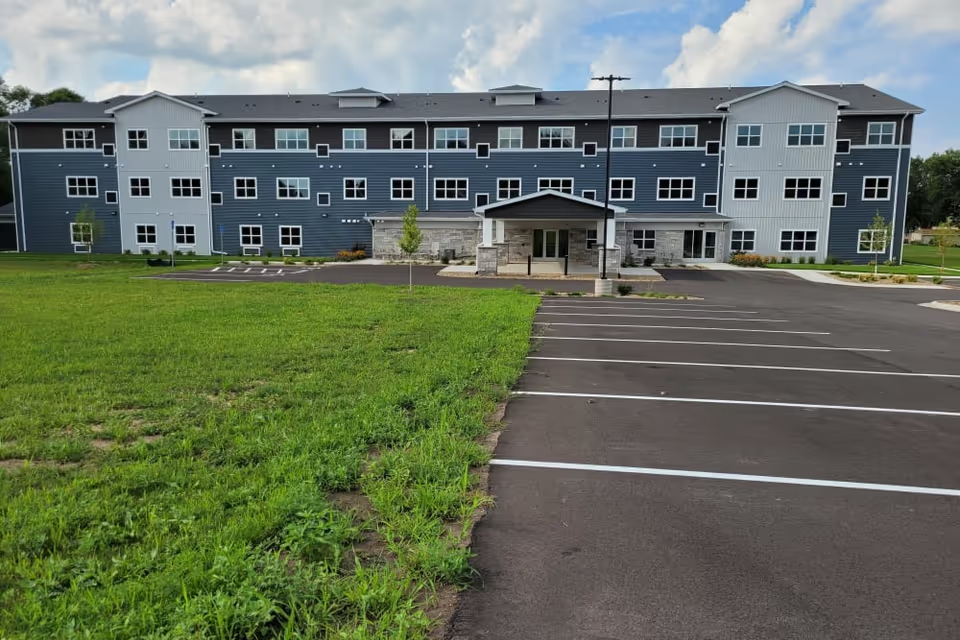
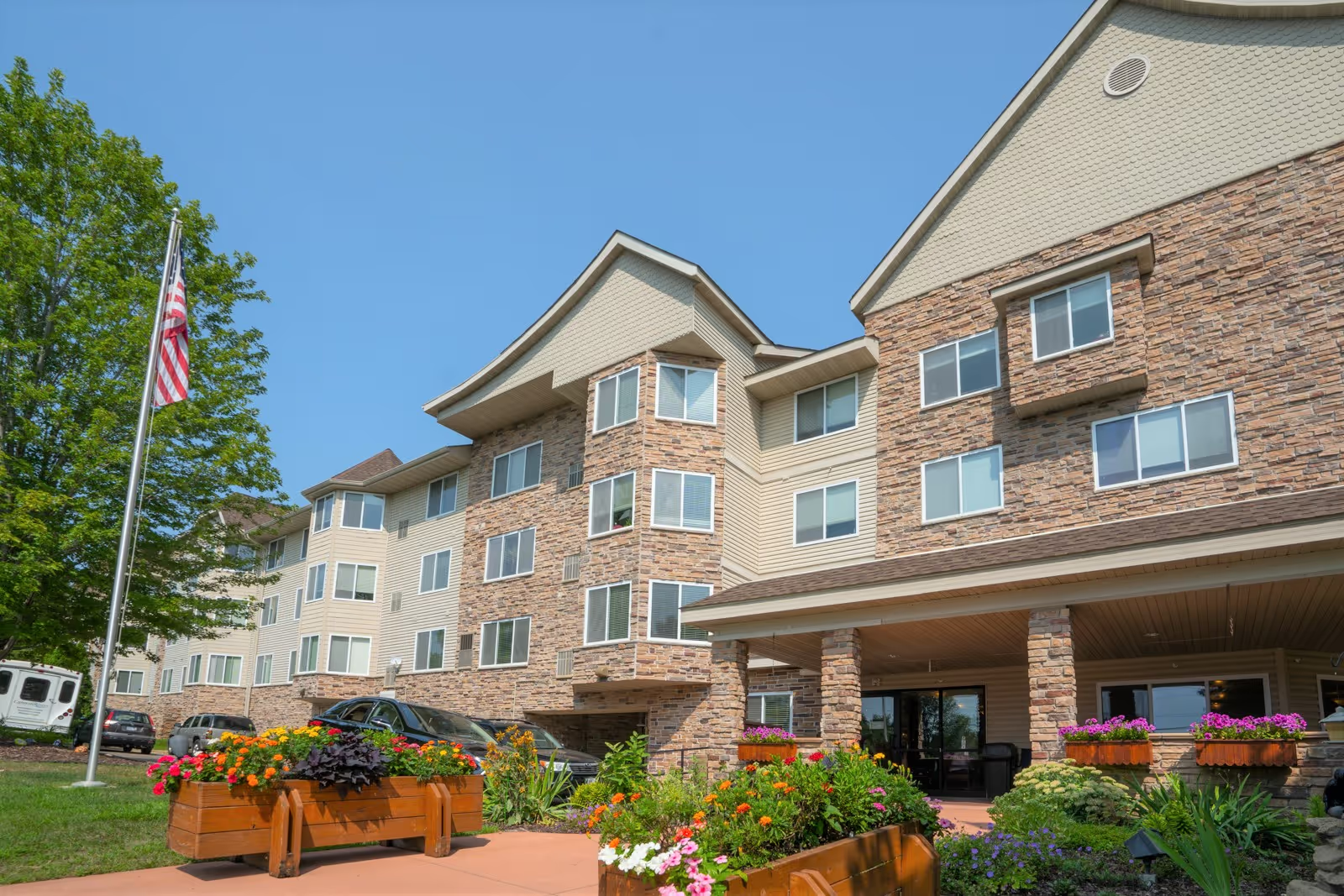
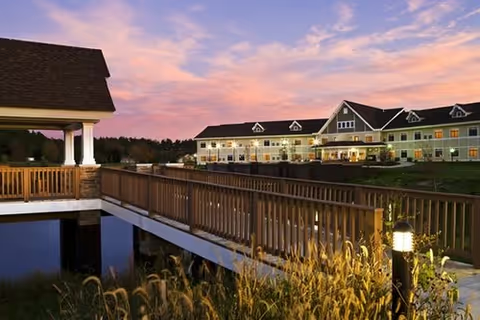
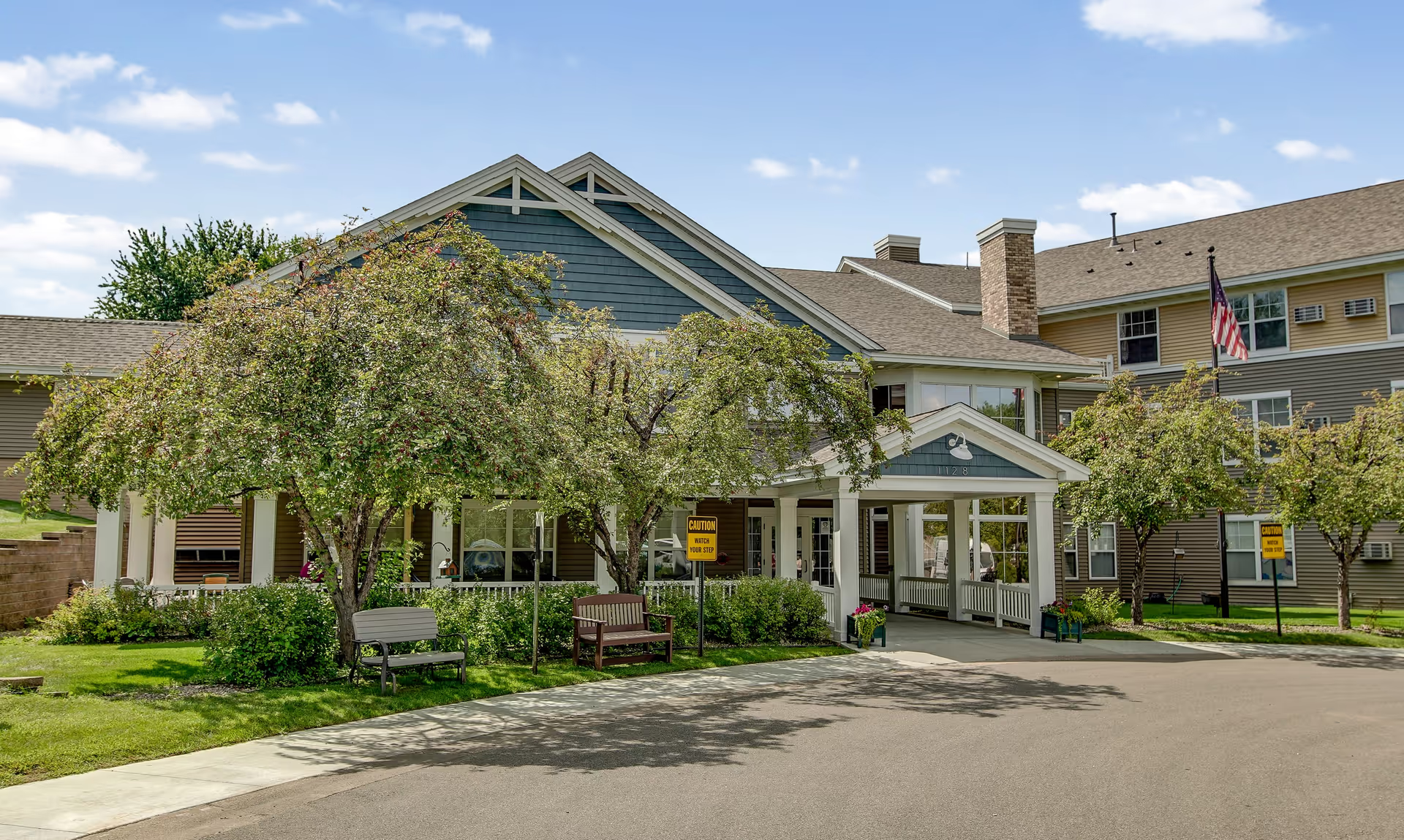
Facilities and maintenance: Physical spaces are consistently described as attractive, clean, and well maintained, with apartments and common areas that feel home-like rather than institutional. Amenities are cited as being above what some families expected. That said, there are operational concerns about maintenance-safety processes—examples cited point to lapses in prompt hazard remediation and preventative checks. Prospective residents should inspect specific units, ask about preventive maintenance protocols, and verify how quickly safety issues are addressed.
Management, admissions, and pricing: Many reviewers note welcoming admissions staff and constructive introductions to the care team. Conversely, there are repeated comments about inconsistent intake experiences, administrative delays during admissions, and unclear financial disclosures. Specific concerns include nonrefundable deposits, rapid fee increases, and insufficient transparency about what fees cover. Before committing, families should obtain written, itemized fee schedules, clarify refund policies, and review contract terms for care-plan changes and price adjustments.
Notable patterns and recommendations: The strongest, most consistent positives are the interpersonal environment—attentive staff, active programming, and well-kept spaces—which create a supportive community for many residents. The most significant operational concerns relate to consistency: clinical oversight, monitoring during off-shifts, medication reliability, and administrative transparency. Prospective families should tour multiple times (including meal times and activities), request staffing and medication-management protocols, ask for documented check-in schedules and incident histories, and obtain clear written financial terms. Doing so will help determine whether the facility’s evident strengths align with an individual resident’s clinical and safety needs.