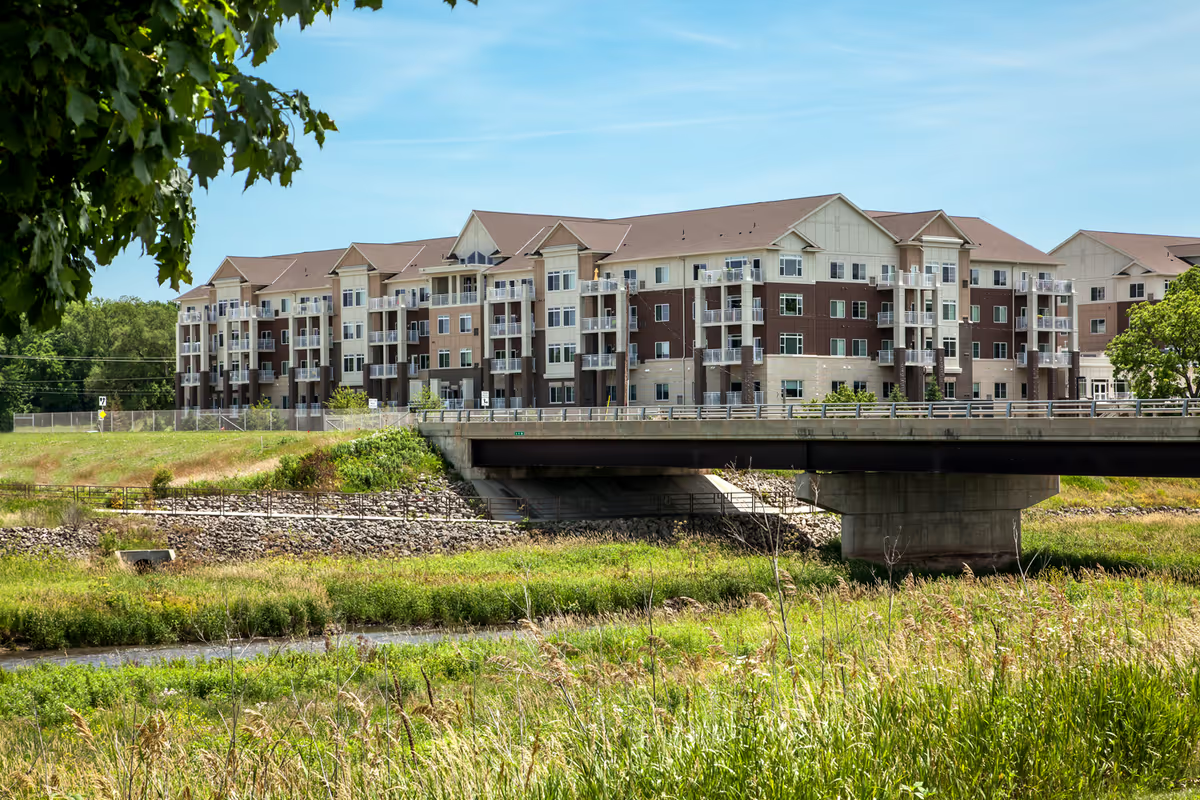
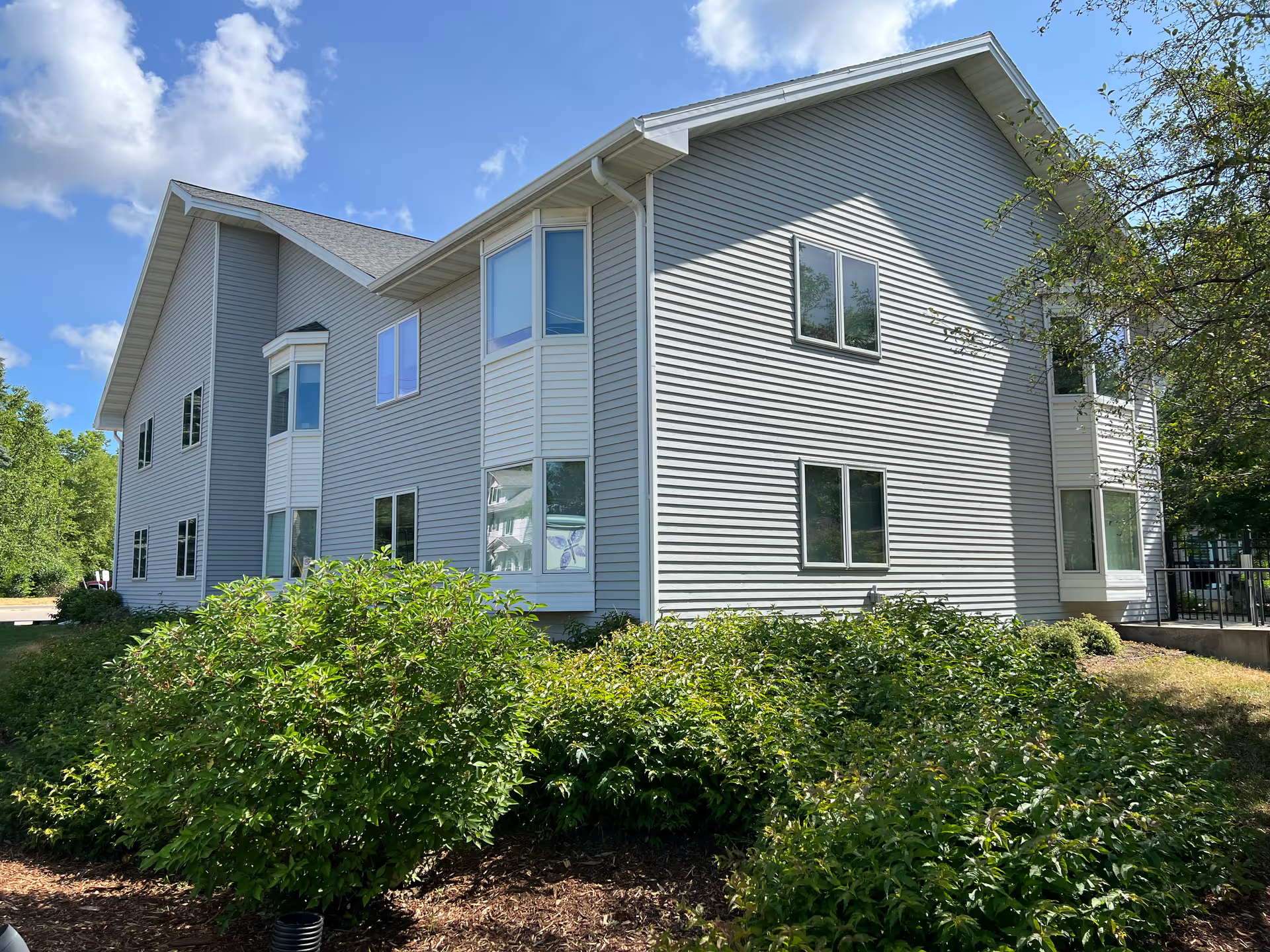
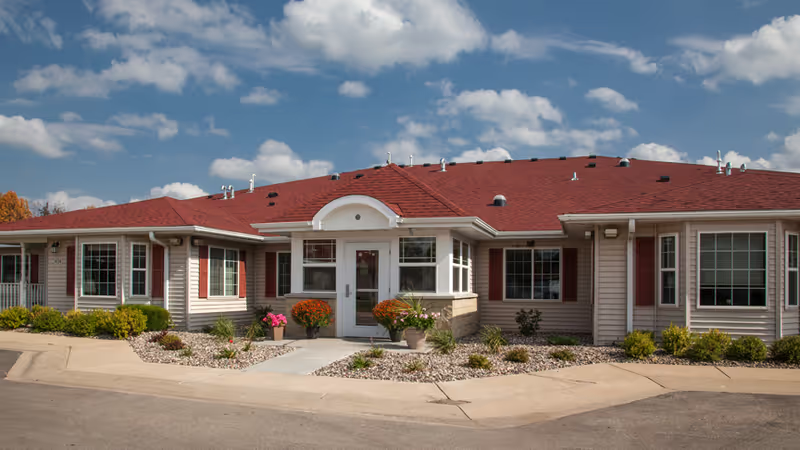
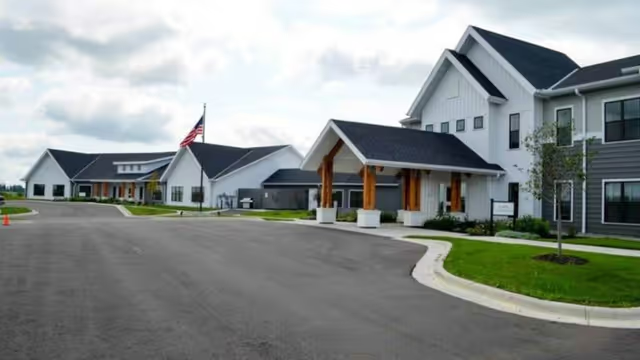
Cascade Creek presents as a modern, memory-care–focused community with many elements families value: bright, recently built spaces; protected outdoor areas; spacious, attractive common rooms; and an emphasis on social engagement. Most accounts highlight a warm, attentive caregiving culture in which staff know residents by name and provide personalized supports for people with Alzheimer’s and other memory conditions. The campus design, large windows and courtyard access are repeatedly described as mood‑enhancing features that complement a broad activity schedule.
Care quality is characterized by consistent praise for hands-on staff, individualized memory-care approaches, and nurse-led assessments. Several families singled out the nursing director and front-line caregivers as strengths who stabilize mood and maintain engagement. At the same time, there is a discernible pattern of variability: families reported occasional gaps in training, inconsistent personal‑care assistance (including mealtime help and linen oversight), and uneven clinical supervision during transitions. Prospective families should clarify staffing levels, on-call clinical authority for urgent decisions, and medication‑management procedures during move‑in and care transitions.
Dining and nutrition are strong relative features. The on-site kitchen and chef-driven menus are frequently described as restaurant-quality, with attention to nutritional needs and individualized dietary considerations. Activity offerings are wide-ranging — music therapy, arts and crafts, outings, baking, games and exercise — and many accounts connect these programs to improved mood and socialization. That said, the social benefit can be affected by occupancy and resident mix: lower census or a wide variance in cognitive levels can reduce the availability of peer interaction for some residents.
Operational and administrative issues appear intermittently across accounts. Families noted variability in leadership responsiveness and some billing or administrative inaccuracies that warrant upfront discussion. Technology and safety are well integrated in many respects — electronic monitoring, room sensors and a tech-forward orientation — but communication and entertainment options are constrained for some residents by the absence of landlines, cable, or unrestricted streaming access; families should verify available options. Noise and occasional chaotic periods in communal areas were described by several families as disruptive in certain situations.
Overall, Cascade Creek is best suited to families seeking a contemporary memory-care setting with robust activities, strong culinary offerings, and staff who emphasize dignity and engagement. Before committing, prospective residents and families should ask targeted questions about staffing ratios and schedules, medication‑management and transition protocols, emergency clinical authority, billing processes, resident occupancy levels, and the facility’s policies on in‑room communication and entertainment. These clarifications will help align expectations with the variability that is reported alongside many positive aspects of care.