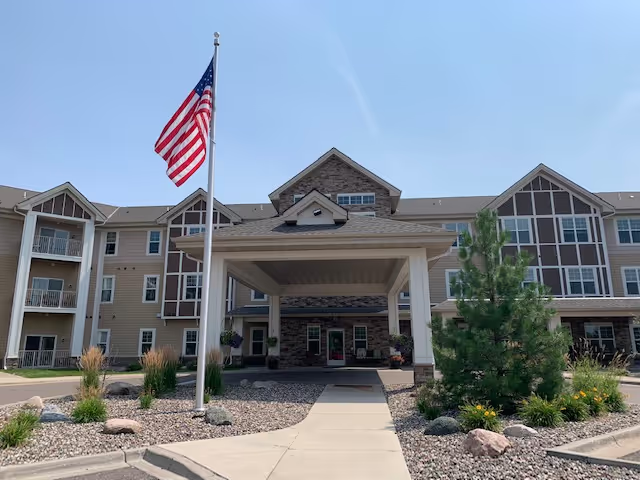
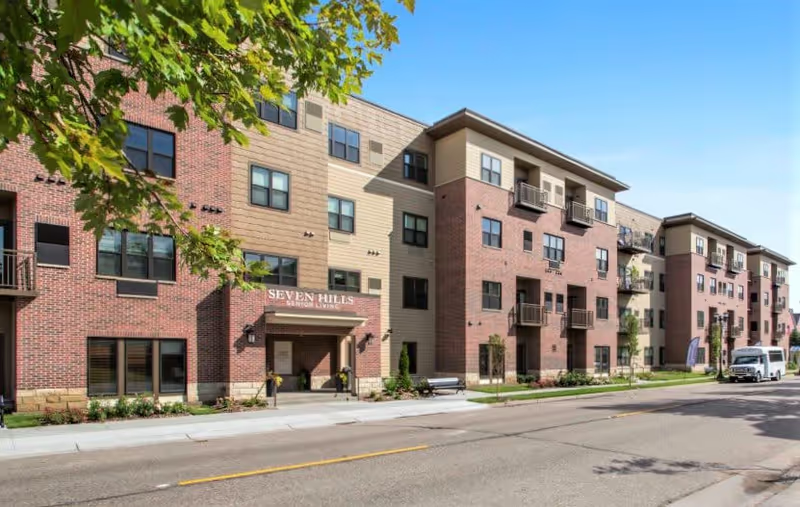
Overall impression: Reviews present a largely positive view of the provider as a place to gain hands-on caregiving experience and to build relationships with residents. Many staff and family respondents praise the mission-driven, resident-centered culture, mentorship opportunities, and the chance to acquire clinical skills relevant to nursing, physical therapy and other graduate programs. At the same time, a subset of comments raise operational concerns that merit attention, creating a mixed but informatively nuanced picture for prospective residents and employees.
Care quality and clinical practices: Numerous reviewers highlight strong hands-on clinical training, direct-care experience, and opportunities to document patient-care hours. These strengths appear particularly valuable to students and entry-level caregivers. However, reviews also indicate inconsistency in how clinical protocols are implemented: some describe thorough onboarding and competent supervision, while others describe gaps in medication-management controls and uneven clinical oversight. There are also sanitation concerns and inconsistencies in personal-care practices that reviewers felt could affect resident comfort and safety; these appear to be localized or program-dependent rather than universal.
Staff and workplace culture: A recurrent strength is the supportive, resident-focused staff culture. Many current and former employees describe strong peer support, meaningful relationships with residents, mentorship, and clear pathways for advancement and internship experience. Staff morale and a family-like environment are frequently noted. That said, reviewers also cite variability in managerial responsiveness and HR interactions — from highly supportive supervisors to experiences of miscommunication or perceived poor handling of candidate fit and scheduling conflicts.
Dining, activities and resident life: The community activity programs, outings and social events receive consistent praise. Reviewers frequently describe residents as engaged and enjoying daily activities, and many note staff participation in outings and events as a positive element of daily life. Dining quality is less frequently detailed, but the presence of regular programming and community engagement is a clear strength.
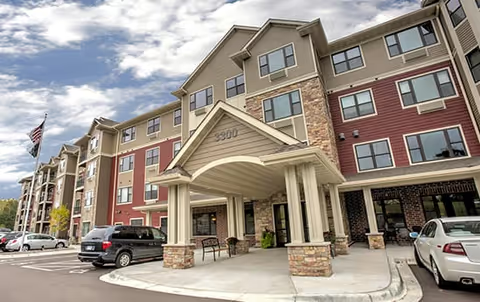
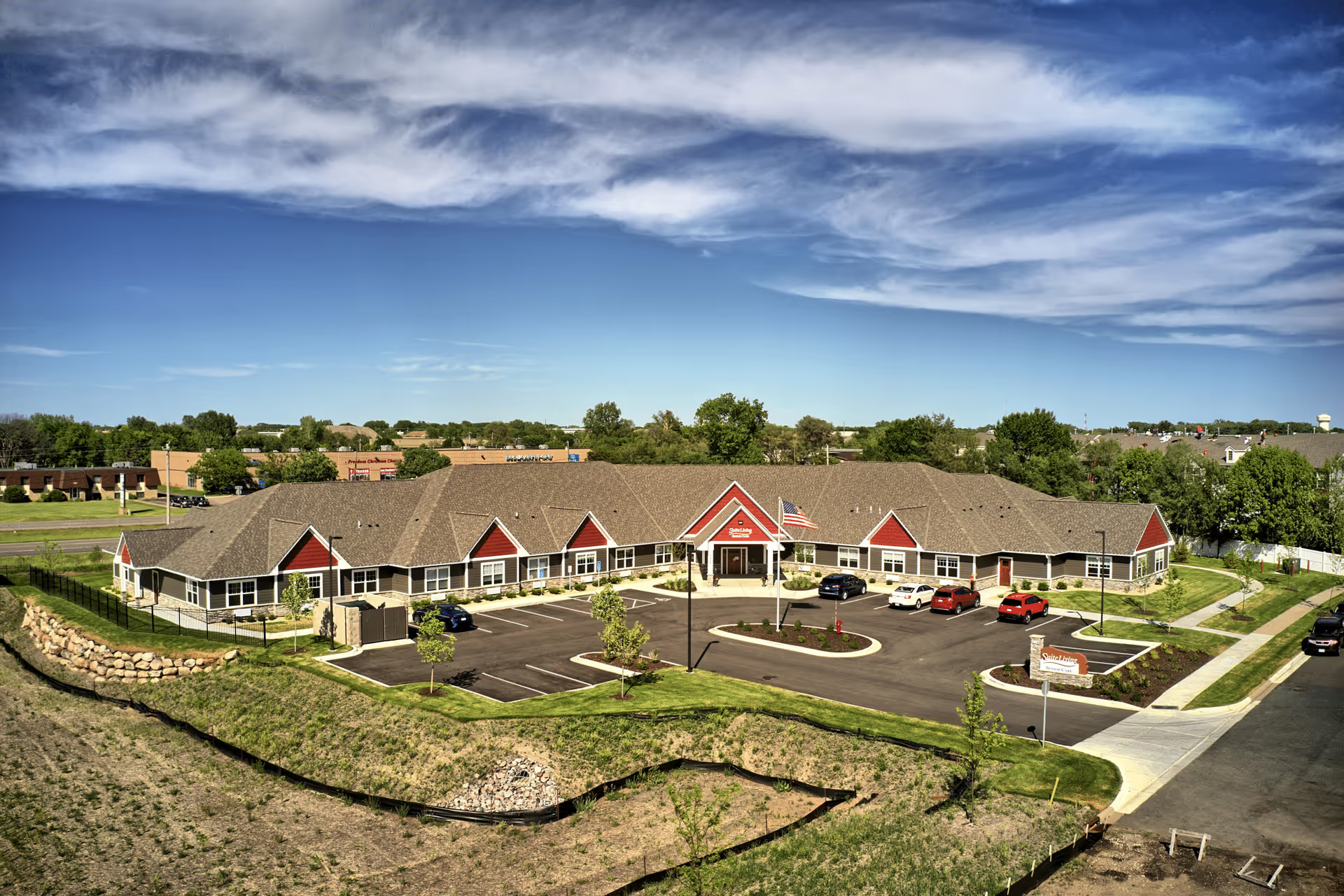
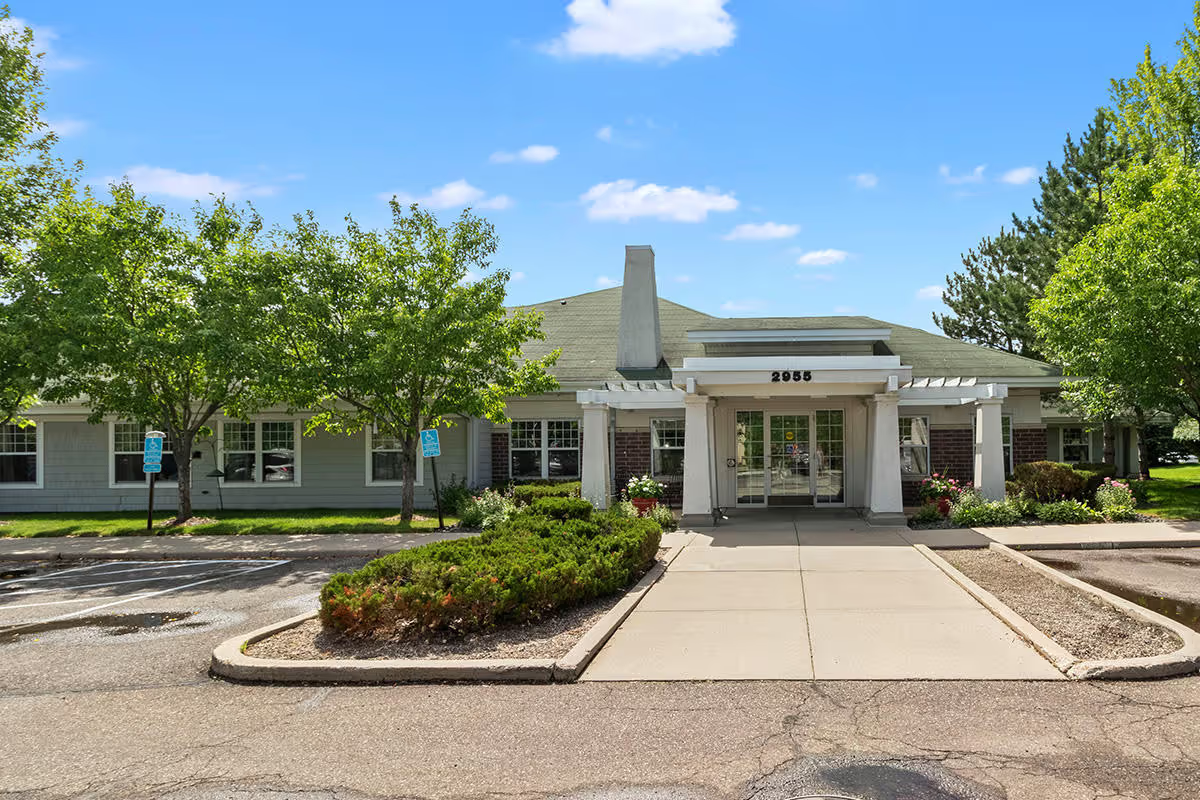
Facilities and operations: Practical concerns raised include limited parking or confusing lot access at some sites, and differences in how cleanliness and post-care cleaning are handled across locations. Physical demands of direct-care work are emphasized — reviewers note the role can be physically and emotionally taxing, especially when staffing levels are tight. Many reviewers found schedules flexible and student-friendly, but some cited rigid part-time minimums and scheduling inflexibility that can complicate work–school balance.
Management, hiring and compensation: The organization is credited with structured training programs, bonus opportunities, and career-development initiatives. Several reviewers describe clear mentorship and support for students preparing for graduate health programs. Conversely, others describe a lengthy, highly demanding pre-employment screening process and occasional miscommunication about position expectations or pay rates. Compensation perceptions vary by role and location; some reviewers describe competitive pay and raises, while others perceive pay to be insufficient relative to job demands. Finally, family communication and care-continuity are areas where performance appears uneven — some families praise empathetic handling of end-of-life and care transitions, while others experienced lapses in responsiveness.
Notable patterns and recommendation: The reviews suggest a workplace that is strong in mission, resident engagement, and clinical learning opportunities, making it particularly attractive for students and early-career health professionals. Prospective residents and family members should evaluate individual locations for consistency in cleanliness practices and clinical oversight. Prospective employees should inquire about local scheduling policies, pay structure, and the specific training and supervision model at the site they are considering. Where serious safety or clinical practice concerns are alleged, families and regulators should treat those as isolated allegations that require local investigation; however, the broader pattern points to an organization with substantial strengths that could be improved by greater consistency in training, medication controls, and family communication.