Overall impression: Reviews portray a facility with consistently strong interpersonal care and a close community feel. Families and residents commonly describe nurses and caregiving staff as compassionate and attentive; several accounts emphasize gentle, respectful treatment and comfort at the end of life. The facility’s small size and a well-organized daytime team contribute to a personalized care environment that many families recommend.
Care quality and staff: Clinical and direct-care staff are repeatedly characterized as knowledgeable, dedicated, and friendly. Reviewers highlight specific daytime caregivers as particularly effective and note that nursing and server staff are caring and helpful. While clinical care is described positively overall, reviewers also indicate operational pressures that manifest as inconsistent staffing levels, which can affect responsiveness at times.
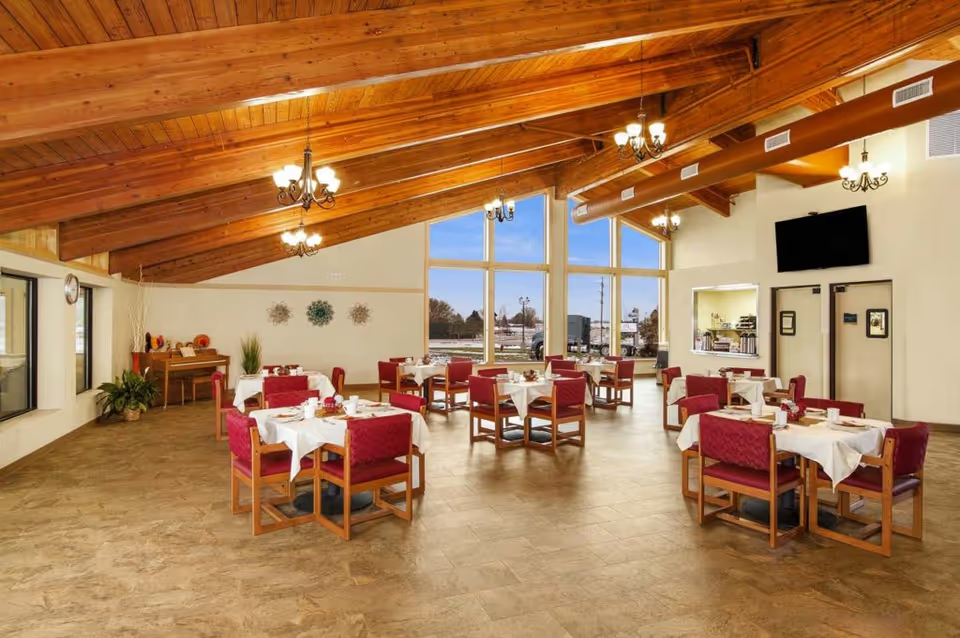
Dining and hospitality: Food quality and dining service receive favorable comments; reviewers note good meals and attentive servers. The smaller scale of the community appears to support individualized dining assistance. However, experiences with billing and room-charge practices are mixed—while some families report clear billing, others describe inconsistencies that suggest uneven administrative processes.
Activities and social programming: The activities program is a strong point. There is a dedicated activities director and a variety of regular offerings such as bingo and movie nights. Reviewers emphasize that social and recreational programming is active and contributes to a lively community atmosphere.
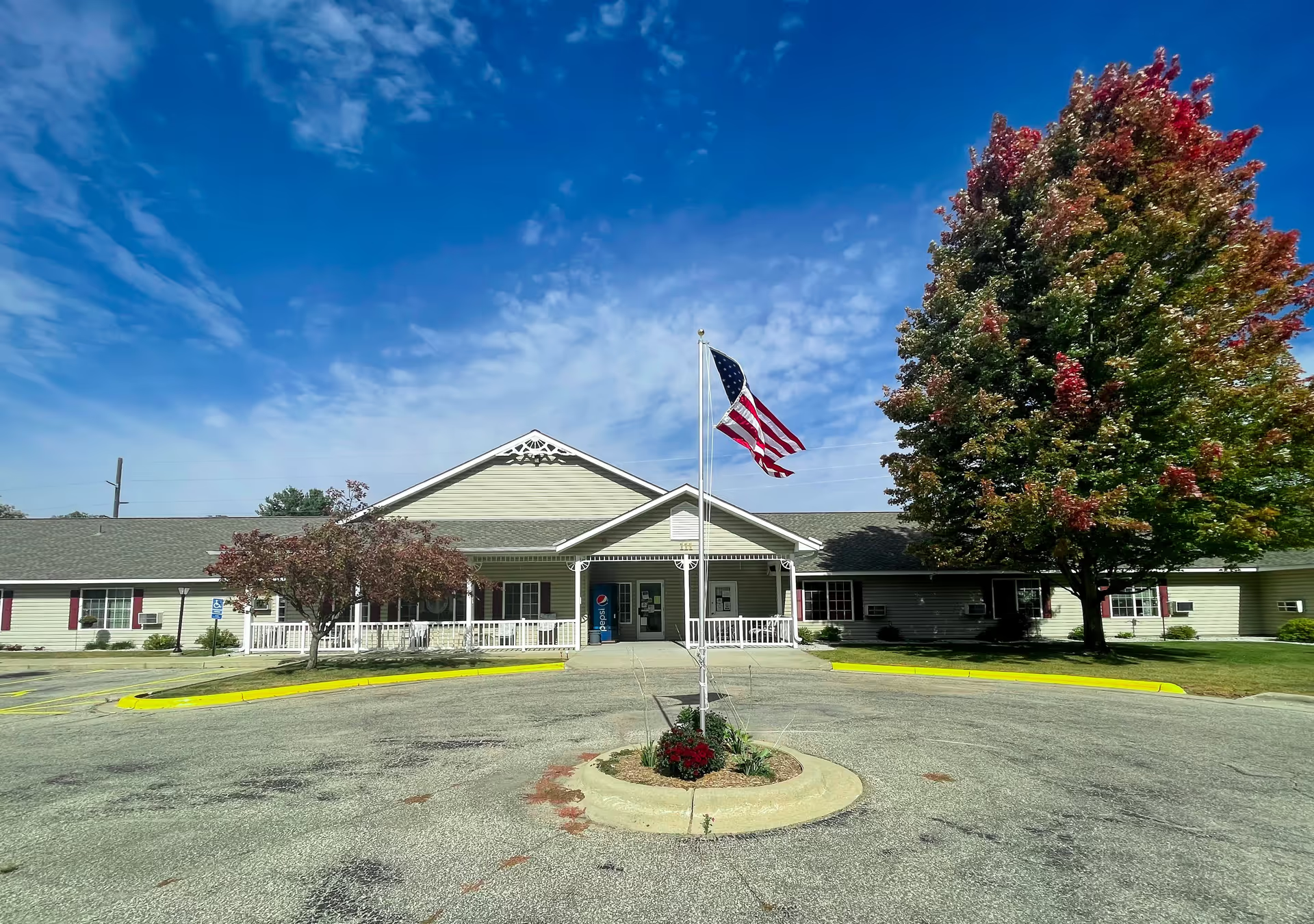
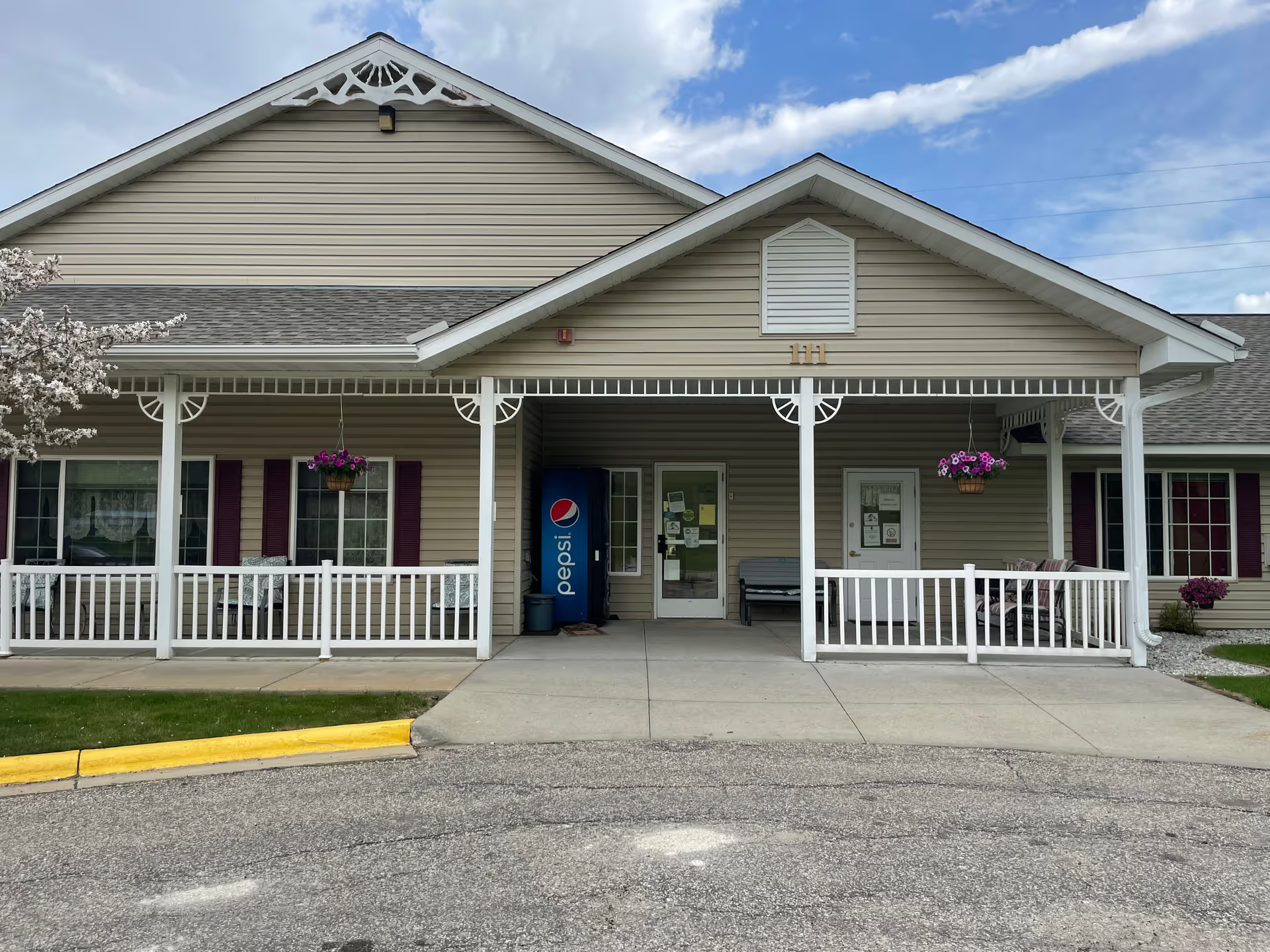
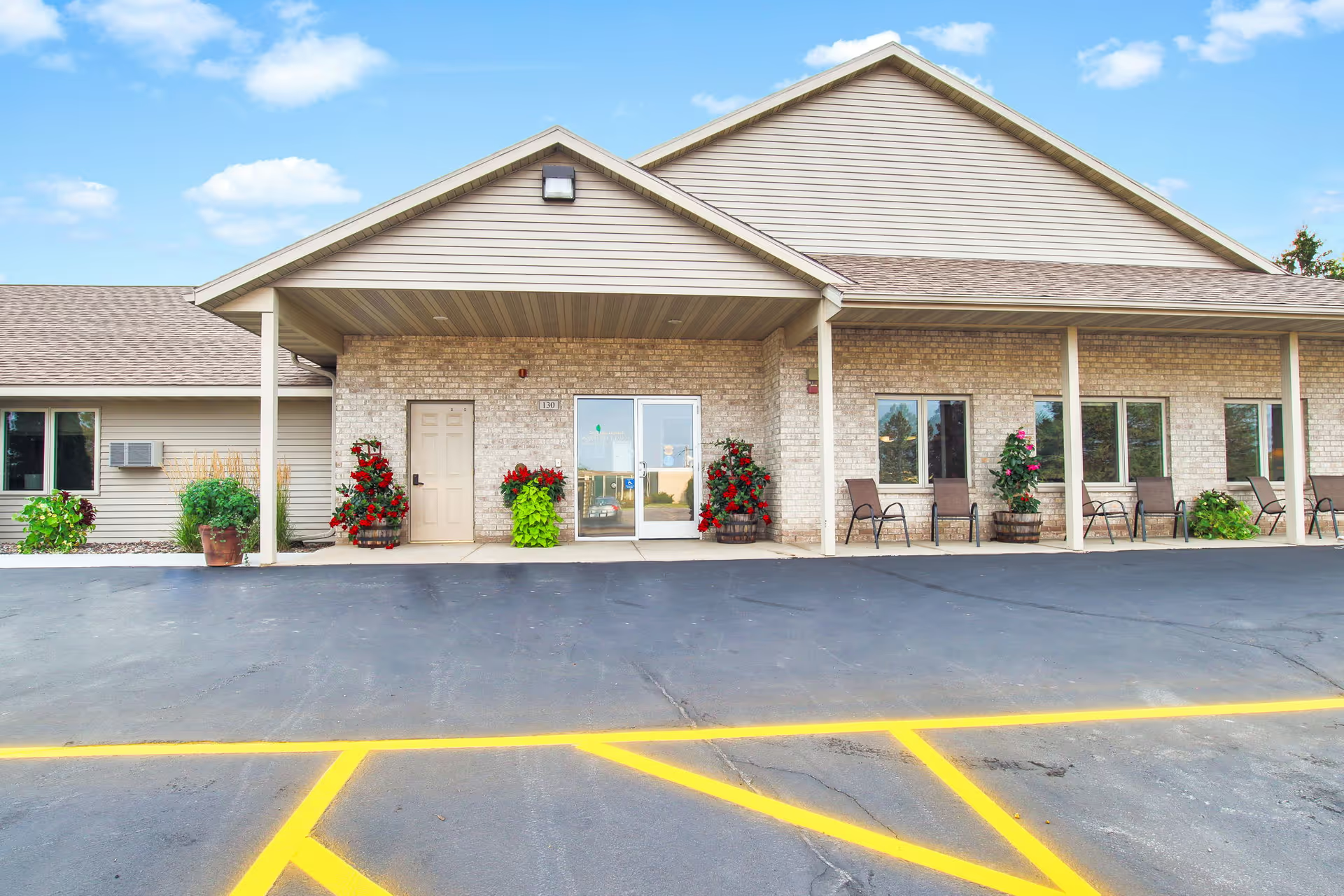
Facilities and location: The building and grounds are described as clean and well-maintained, with a hilltop location that provides pleasant views. The small, intimate size of the community is frequently cited as a benefit for residents who prefer a more personal setting.
Management and operational patterns: The primary operational concerns cluster around staffing consistency, housekeeping responsibilities, linen and temperature management, and administrative clarity. Reviewers describe unclear division of housekeeping duties and occasional gaps in provision of linens or resident warmth, which points to housekeeping and environmental-management process inconsistencies. Billing and room-charge practices also appear uneven across cases, indicating a need for clearer, more consistent invoicing procedures. Finally, while dementia care is often praised, there is some variability in dementia-care coordination and protocols, suggesting opportunities to standardize approaches for residents with cognitive impairment.
Bottom line: Good Shepherd Lutheran Services is presented as a caring, community-oriented facility with strong activities, pleasant grounds, and generally positive clinical care. Prospective residents and families should weigh those strengths against operational considerations—particularly staffing consistency, housekeeping and linen processes, and billing clarity—and may wish to ask management about current staffing patterns, housekeeping protocols, dementia-care procedures, and sample billing statements during a tour or intake conversation.