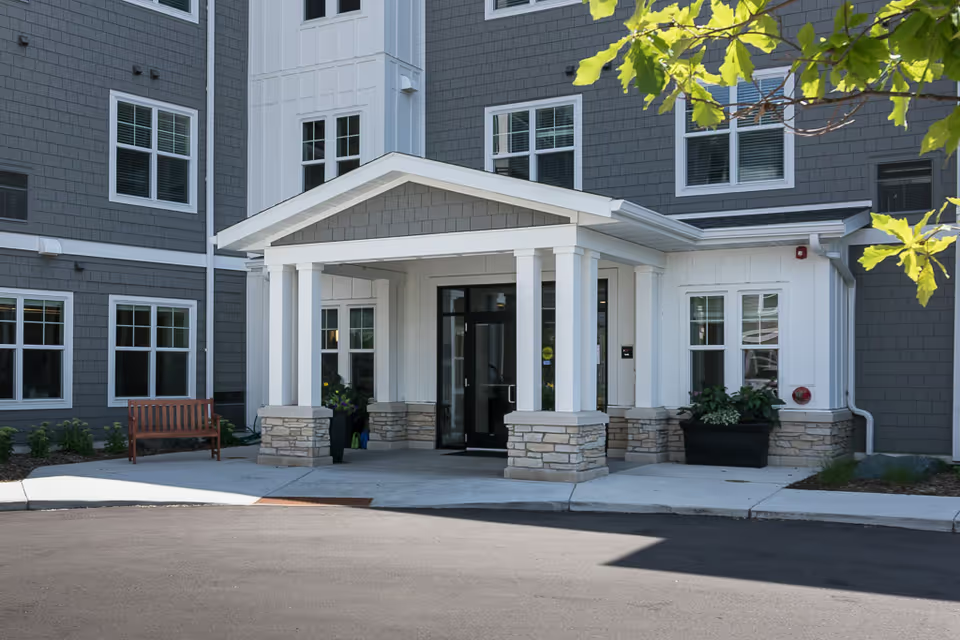
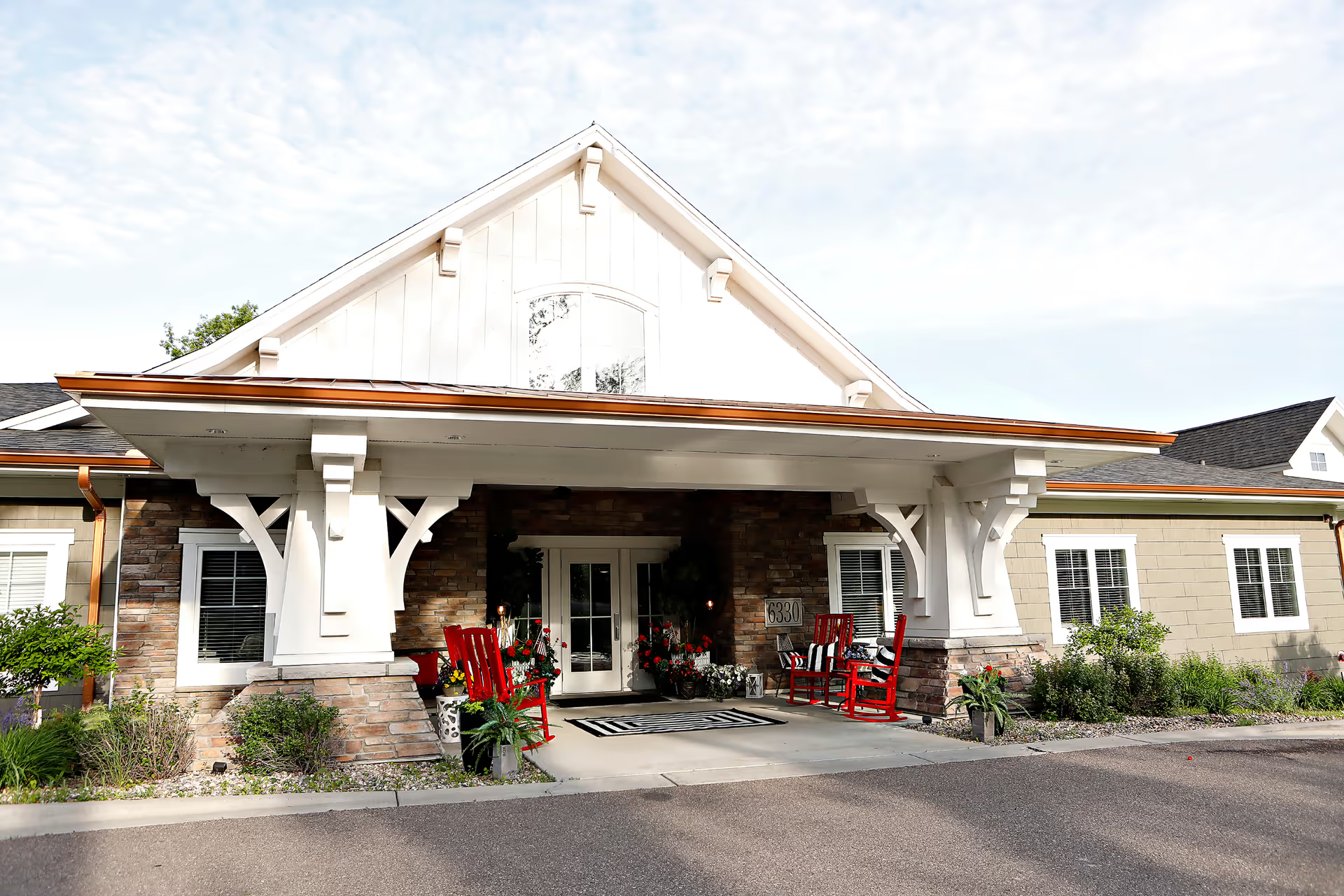
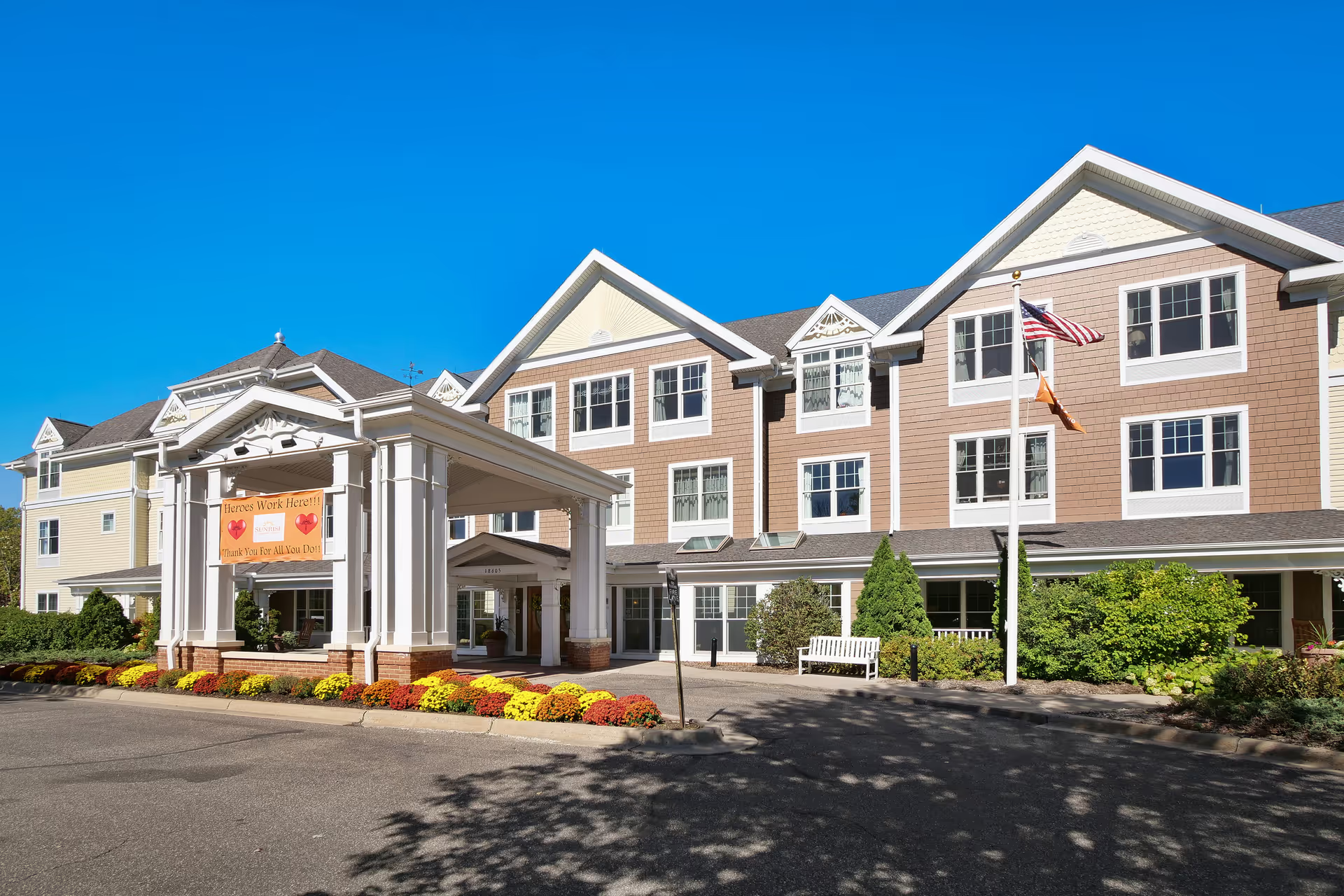
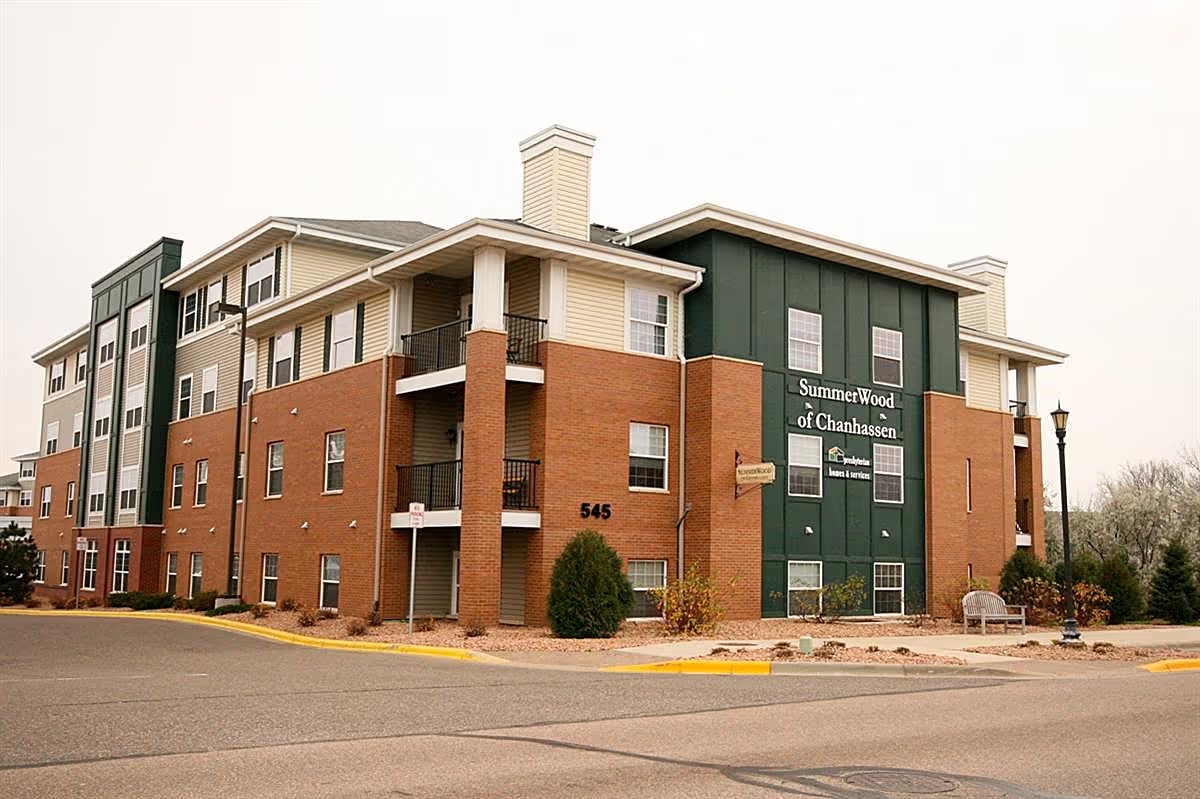
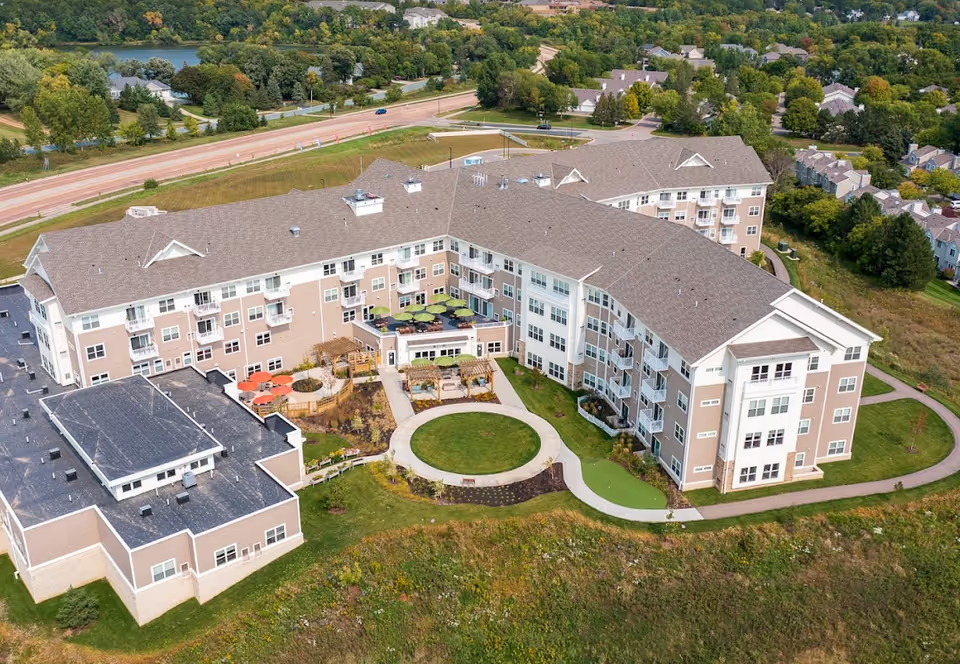
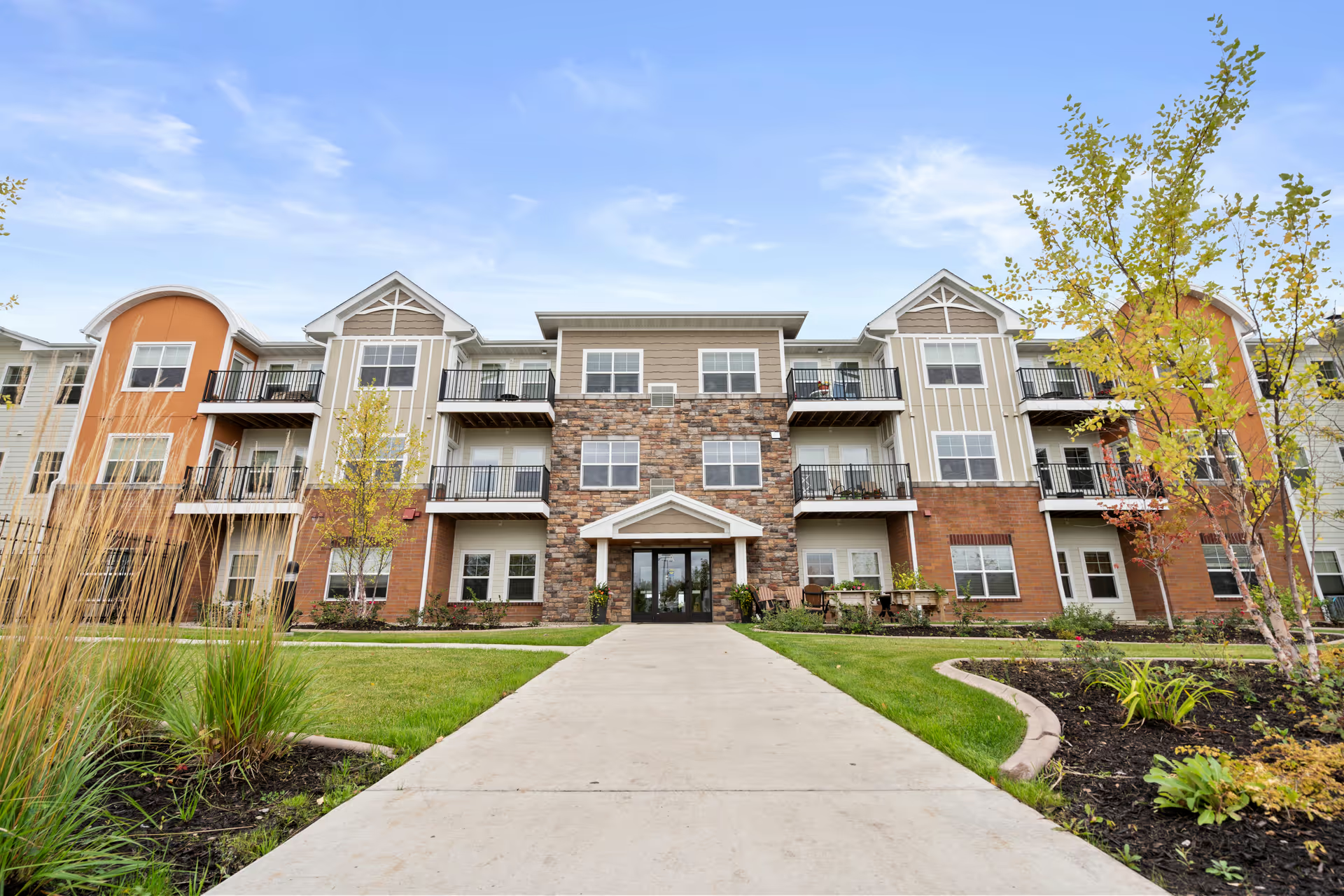
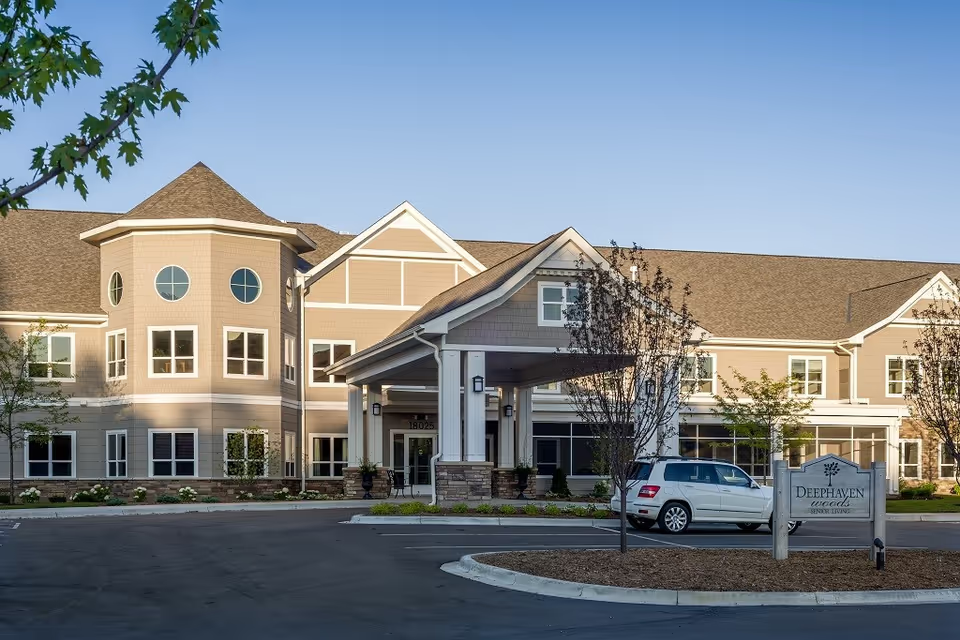
Shorewood Landing presents a mixed profile. Many families and visitors praise the community’s physical environment and amenities: a newer, well-maintained building with bright, nautical-themed common areas, sizeable new apartments, an outdoor patio and courtyard, a movie/media room, and on-site salon/barber services. The community follows an integrated independent-to-assisted model with memory-care options, which some families find convenient for aging-in-place. The centralized layout and household-scale size contribute to a sense of community for residents, and the location near Lake Minnetonka is frequently cited as an attractive feature.
Dining and activities are regularly cited as strengths. The dining program draws repeated positive comments for quality and an appealing dining hall; there are regular events and programs, and staff are often described as encouraging and engaged in programming. Families frequently note effective follow-up from administrative staff and helpful move-in support. Several reviewers specifically highlighted individualized attention, compassionate nursing assistants, and strong pandemic-era infection-control diligence that helped families feel secure.
Care and staffing show a clear divergence in experiences. Numerous reviews applaud thoughtful, experienced caregivers and describe good communication and responsiveness; at the same time, there are repeated operational concerns about inconsistent staffing levels, frequent staff and leadership turnover, and gaps in training. These operational issues are linked to delays in attending to personal-care needs, falls, and uneven clinical incident response, including hospice coordination. Some reviewers described serious concerns about staff conduct and sanitation that they felt warranted stronger managerial attention.
Facility design and maintenance are also mixed. While common areas and many apartments are bright and well-kept, reviewers raised accessibility and site-safety limitations related to the facility’s siting (busy nearby road, lack of sidewalks, and entry accessibility). Apartment layouts were called out as not fully senior-friendly in some units (low lighting in rooms, kitchen appliance placement and control locations that may be difficult for residents with mobility or dexterity limitations). Maintenance issues such as noisy laundry equipment and inconsistent housekeeping/sanitation standards were noted as operational pain points.
Management and costs reflect variability. Some families praise open communication, efficient administrative processes, and a strong move-in experience; others describe variable management responsiveness and express frustration with leadership turnover. The community is positioned at a top-market price point, and several reviewers felt the cost was not consistently matched by operational reliability. There are also comments about inconsistent availability of spiritual services and unclear pet-policy enforcement.
Overall pattern: the facility offers many attractive physical features, programs, and instances of high-quality, compassionate care, but these positives coexist with operational weaknesses that materially affect resident experience for some families. Prospective residents and families should weigh the strong amenity set and many positive staff interactions against documented variability in staffing, training, sanitation consistency, and site-specific accessibility. A focused conversation with management about current staffing levels, staff training, sanitation protocols, hospice coordination, appliance layouts in specific units, pet policies, and service guarantees would be prudent prior to commitment.