Reviews describe a facility with clear strengths in day-to-day caregiving and physical upkeep alongside operational inconsistencies that families should evaluate before placement.
Care and staff: Many reviewers describe staff as warm, attentive and proactive—helping families navigate medical referrals, communicating with relatives, and creating a supportive atmosphere. Several comments highlight an emphasis on family collaboration and a strong, family-oriented ethos. At the same time, there are specific clinical coordination gaps described, such as delays or challenges in escalating certain medical issues to a resident’s primary physician. Prospective families should ask about current nursing workflows, on-call physician arrangements, and documented escalation protocols.
Dining and nutrition: The facility operates a kosher dining program and some residents and families report enjoyable meals and good dining experiences. However, other reviewers describe inconsistent food quality and dissatisfaction with meal service. This creates a mixed picture: kosher and dietary accommodations appear in place, but meal preparation and consistency may vary. Visitors should sample a meal, review weekly menus, and ask about kitchen staffing and quality-control measures.
Activities and social life: Opinions on programming are mixed. Some residents report an active social life, engaging activities, and increased resident participation; others report minimal programming and limited social opportunities. This variability may reflect recent changes in staffing or programming priorities. Family members should request a current activities calendar and observe participation during a visit.
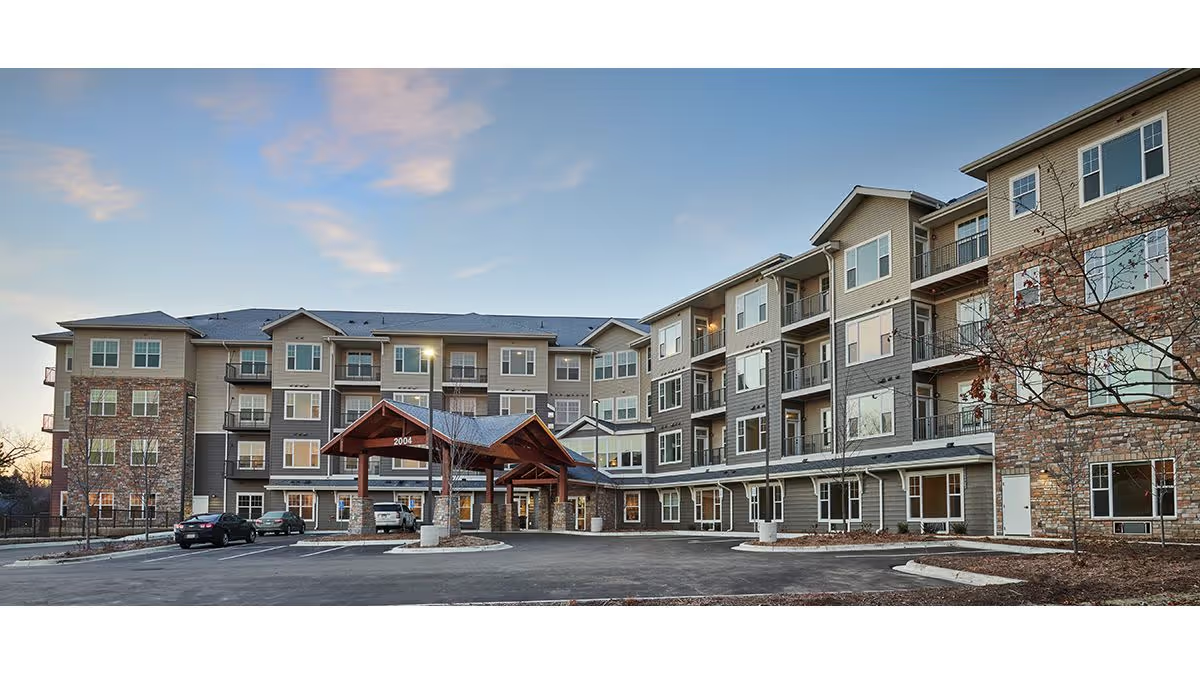
Facilities, safety and management: Cleanliness and room maintenance are commonly praised, with many reviewers calling the environment well kept. Conversely, there are operational concerns tied to leadership turnover and perceived decline under newer management, which reviewers associate with weaker oversight, lower occupancy, and resource strains. Several families raised safety and environment concerns related to how resident-to-resident interpersonal conflicts are managed and how urgent clinical issues are handled. These are facility-level patterns rather than single incidents, and they suggest the need to review incident-handling policies, staffing ratios, and behavior-management protocols.
Recommendation: The facility shows strong interpersonal care strengths—friendly staff, cleanliness, and family engagement—paired with uneven performance in clinical coordination, dining consistency, activity programming, and leadership stability. Before deciding, families should tour during mealtime and an activity, speak with nursing leadership about escalation and physician coordination, review staffing ratios and recent management changes, and ask for examples of how resident interpersonal issues are handled. Those steps will help determine whether the current operational profile meets the prospective resident’s needs.