The reviews present a mixed picture of Nagel Assisted Living & Memory Care: many families and partners praise the facility for its compassionate, hands-on staff and strong family advocacy, while recurring operational concerns suggest areas that require managerial attention. Strengths center on person-focused care for residents with complex medical and memory needs, along with individualized attention made possible by the facility’s small scale and one-on-one approaches. Several reviewers singled out particular team members and care coordinators as responsive and helpful, and the facility’s memory-care offerings, sensory-room resources, and continuing-education opportunities for staff were viewed positively.
Care quality shows two distinct patterns. On the positive side, staff are frequently described as kind, attentive, and effective at coordinating moves and transitions; reviewers noted supportive interactions, smooth move-ins, and good follow-up by central staff via phone. The facility’s ability to support higher medical and behavioral-health needs was highlighted, and some families recommended the program for private-pay and waivered clients. On the other hand, consistent concerns relate to medication management, staff inexperience, and training delays. These issues manifest as missed or incomplete med passes, unclear medication controls, and general gaps in clinical-process reliability — operational weaknesses that affect perceived safety and trust.
Dining and activities drew mixed feedback. Some reviewers appreciated fresh food, an active dining experience, and varied menus; others found the kitchen small and were dissatisfied with meal quality. Activity programming and engagement are strengths where they occur — tailored programs, outings, and a well-regarded sensory room were mentioned positively — but reviewers also described irregular scheduling and instances where field trips or outings did not take place as expected.
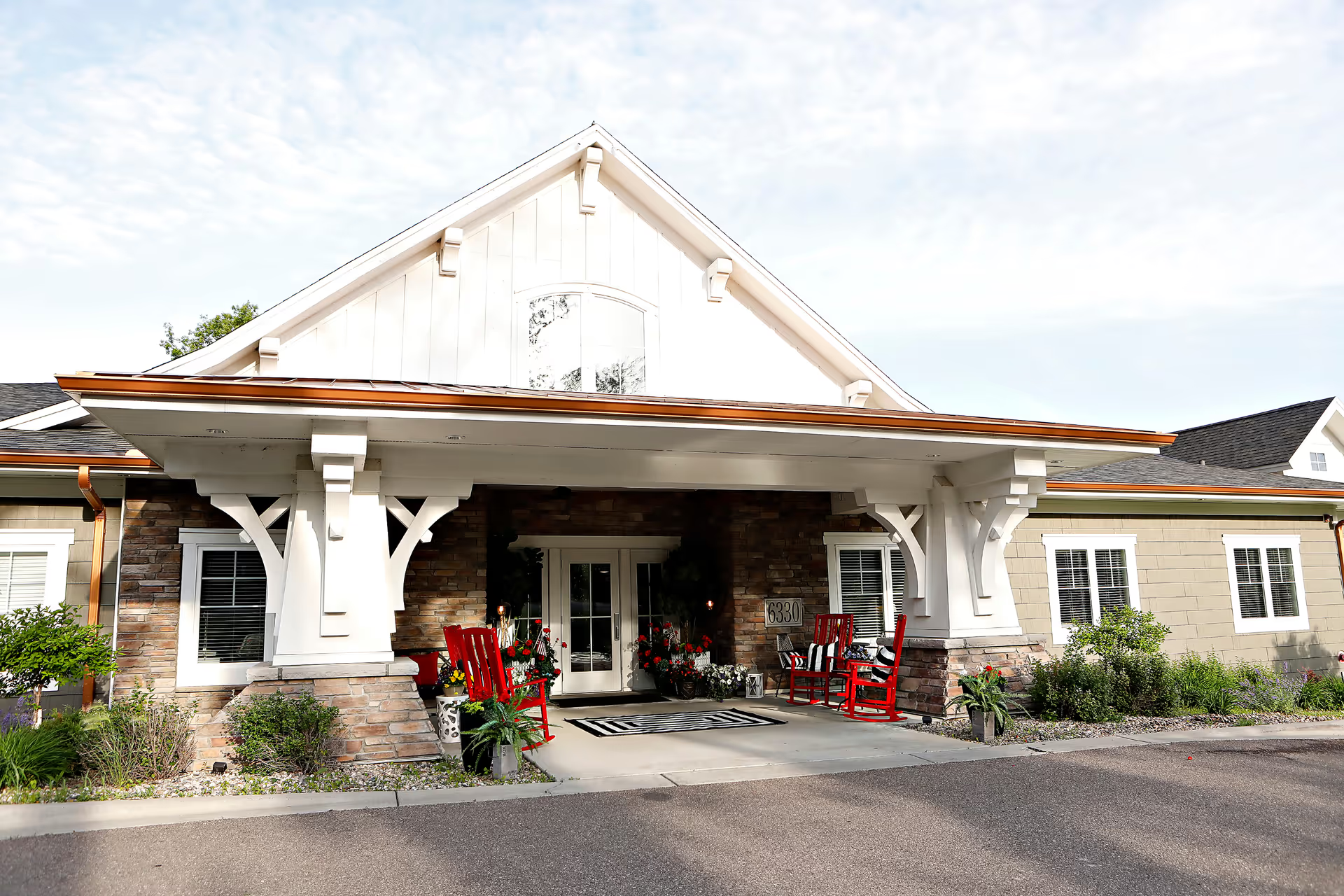
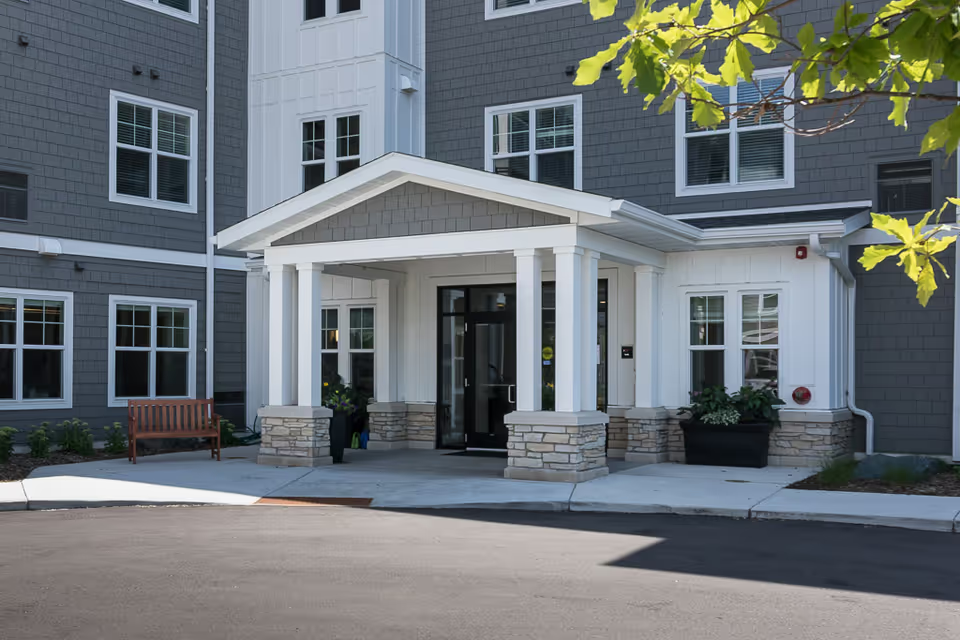
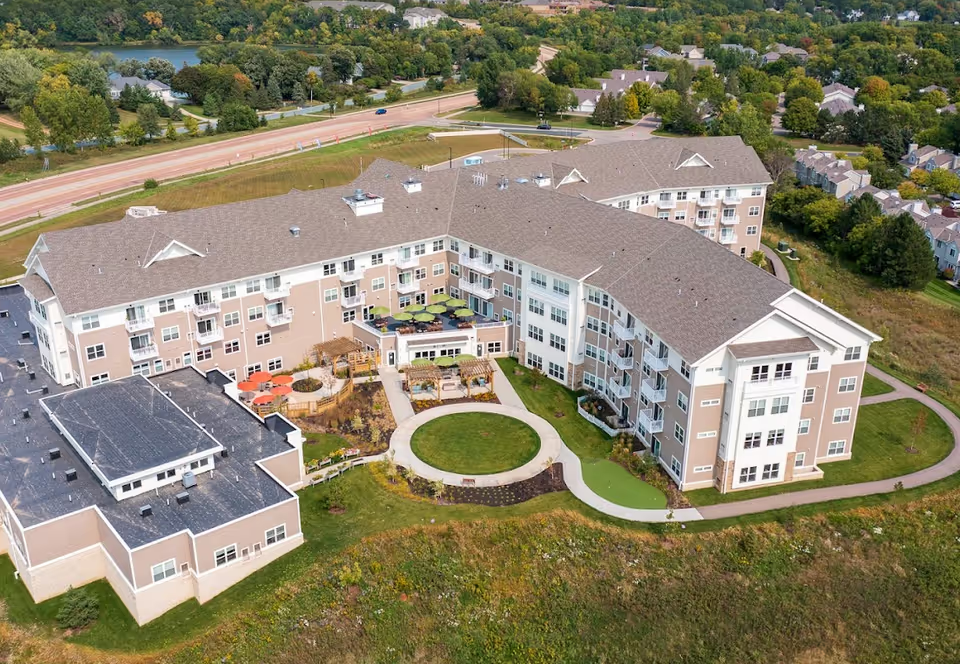
Facility design and practical operations present additional considerations. Positive notes include the availability of single rooms and a personable, small-community atmosphere. Concerns include limited accessibility features (no ramps mentioned), shared living-space constraints, and a perception that parts of the building feel institutional. Communication infrastructure gaps — notably a lack of phones on resident floors or at nursing stations — were cited as creating barriers for residents to contact loved ones and for timely family communication.
Management and culture show both capability and inconsistency. Several reviewers praised the leadership’s problem-solving, community involvement, and staff-development orientation, including CEU opportunities and expansion plans. Conversely, others reported organizational disorganization, privacy-protection lapses (staff speaking aloud about resident identities or conditions), and episodes of unprofessional conduct that raise questions about staff professionalism and cultural sensitivity. There were also mentions of safety and regulatory concerns that suggest the facility should be reviewed for compliance and process improvements.
For prospective residents and families: Nagel offers strengths in compassionate, individualized memory-care and close family advocacy, but the pattern of operational concerns — particularly around medication management, consistent staff training, privacy protections, communication systems, and accessibility — warrants careful inquiry. Before transitioning a loved one, ask for current staffing ratios and turnover data, the facility’s medication-administration protocols and audit results, documentation of safety/regulatory compliance, examples of activity schedules and outing plans, and a chance to meet the core care team who will be involved day to day.