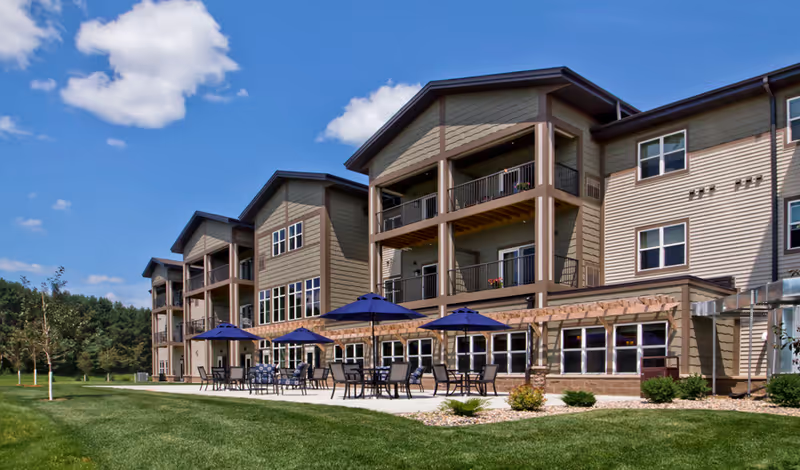
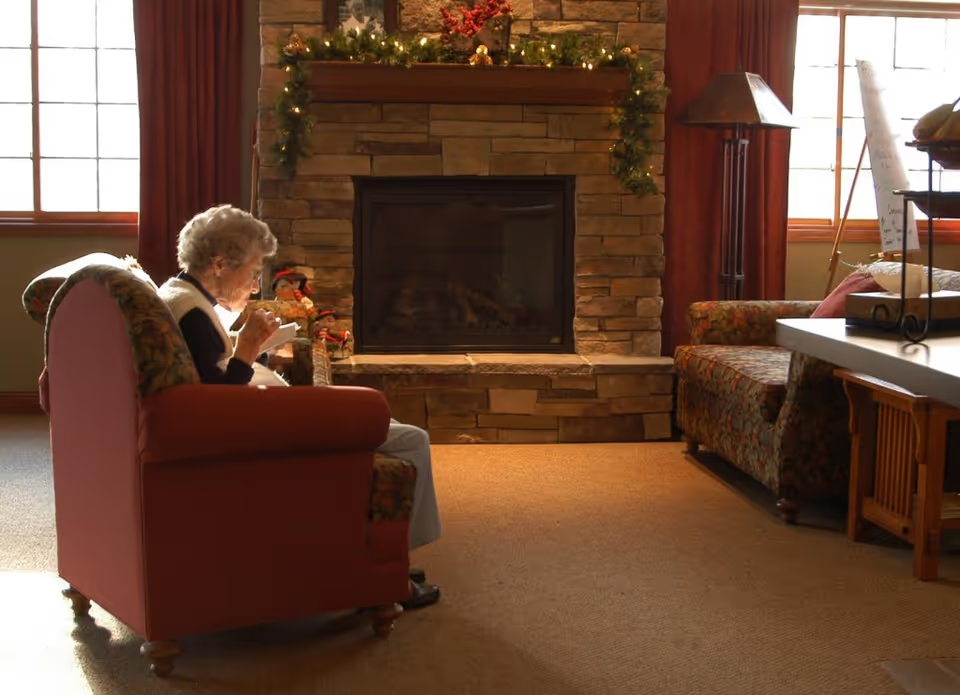
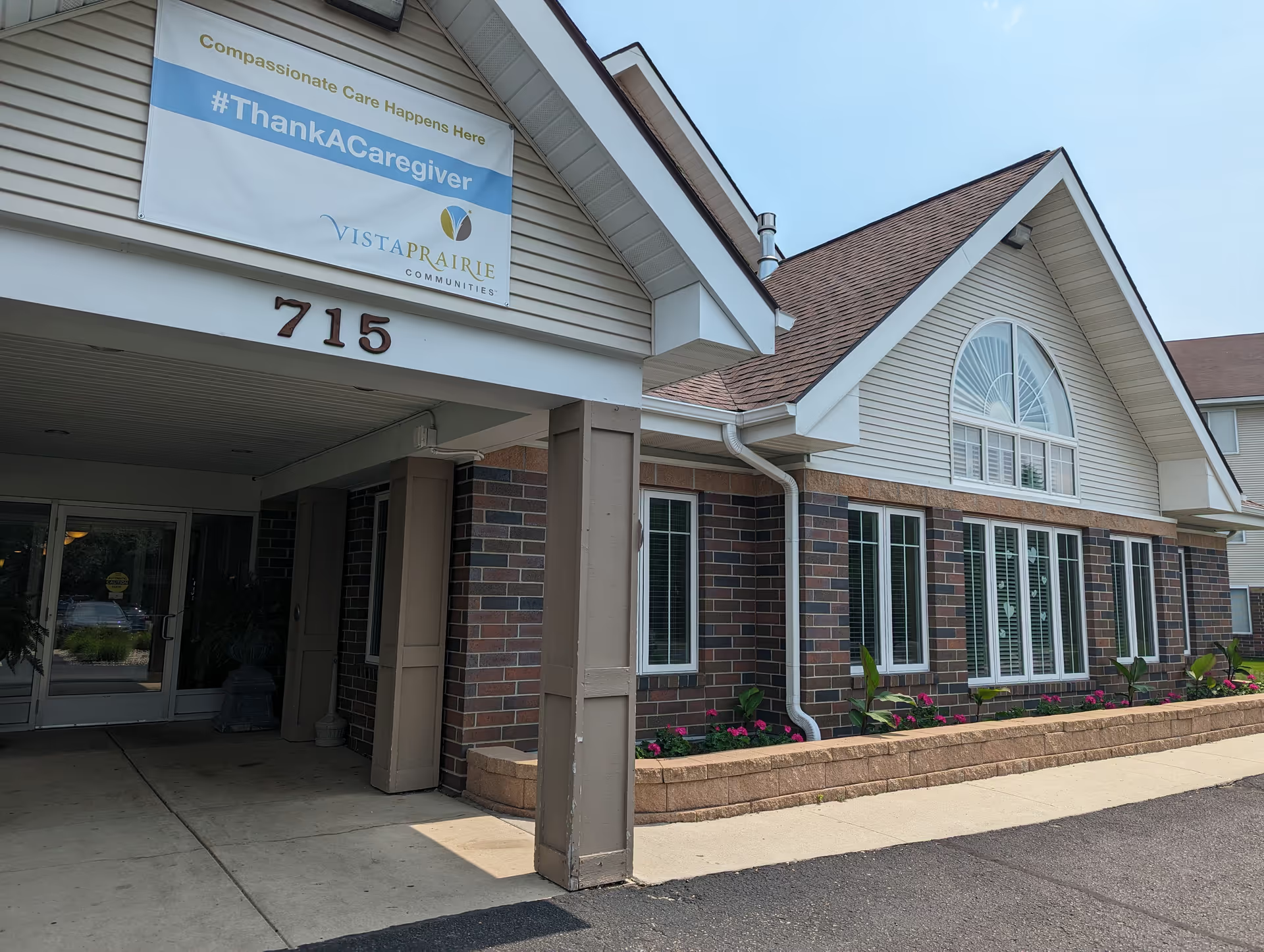
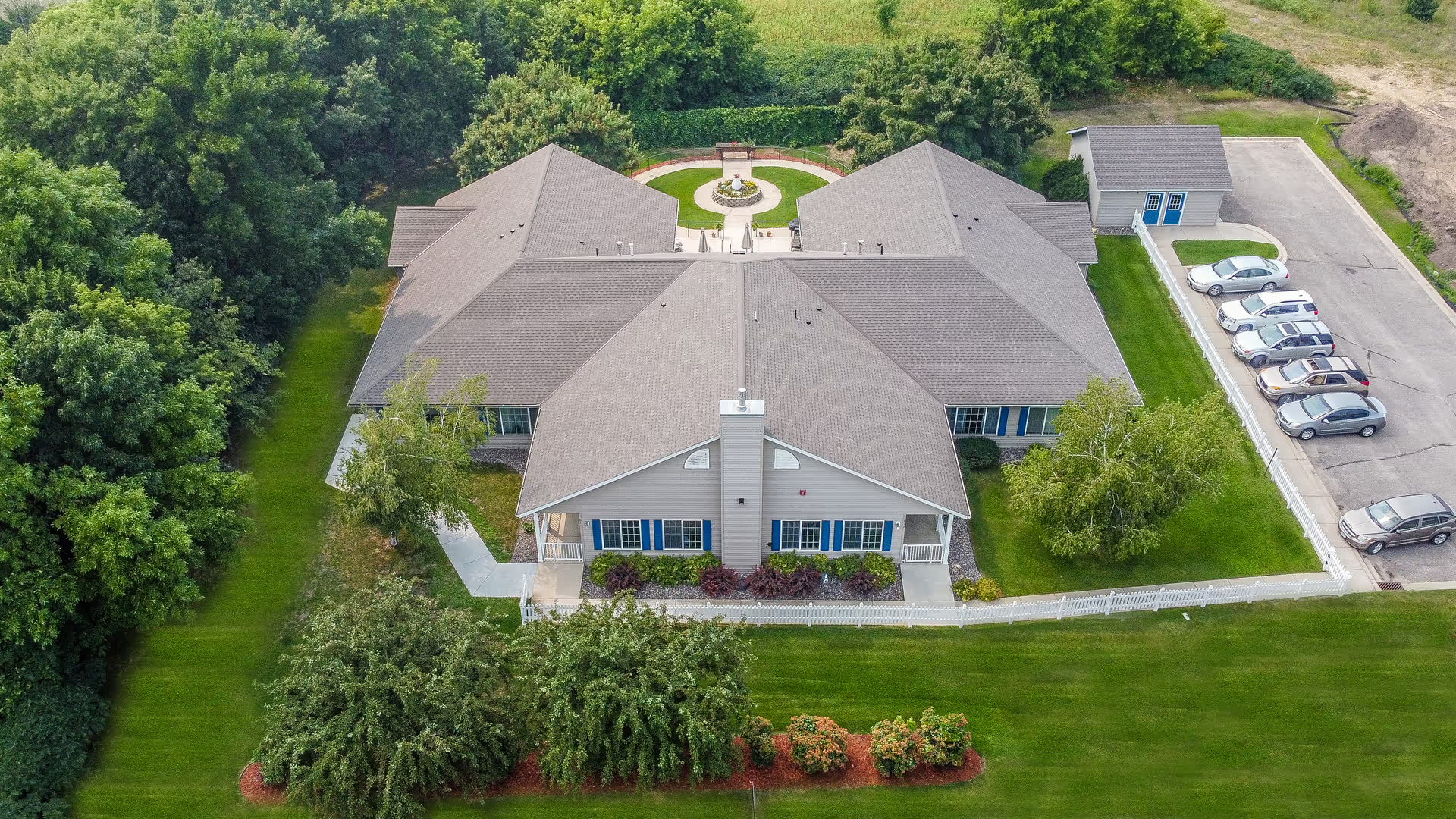
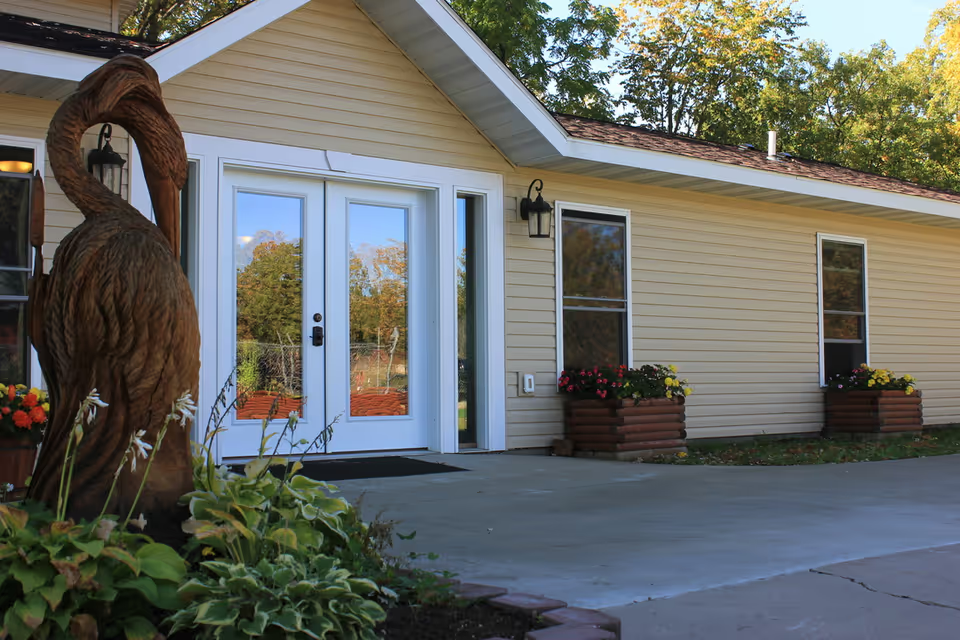
Reviewers describe a facility with a mixture of clear strengths and recurring operational weaknesses. Positive accounts emphasize a warm, home-like atmosphere, compassionate caregiving, and staff who are friendly and attentive; several families specifically praised an efficient, kind admissions team and strong hospice and rehab support. Renovation work and clean common areas were cited by many as contributing to a comfortable environment, and a number of reviewers reported good meal quality and effective end-of-life coordination.
At the same time, a pattern of inconsistency appears across clinical and operational areas. Multiple accounts point to understaffing and variable nurse availability, producing delays in response to resident needs and uneven oversight of clinical tasks. Concerns about medication-administration processes, and more specifically diabetes and wound-care management, were raised; these represent substantive clinical risk areas that prospective families should evaluate. Communication with families and by phone is uneven: some relatives found social-work and intake staff helpful, while others described confusing or concerning discharge communications and difficulty reaching staff.
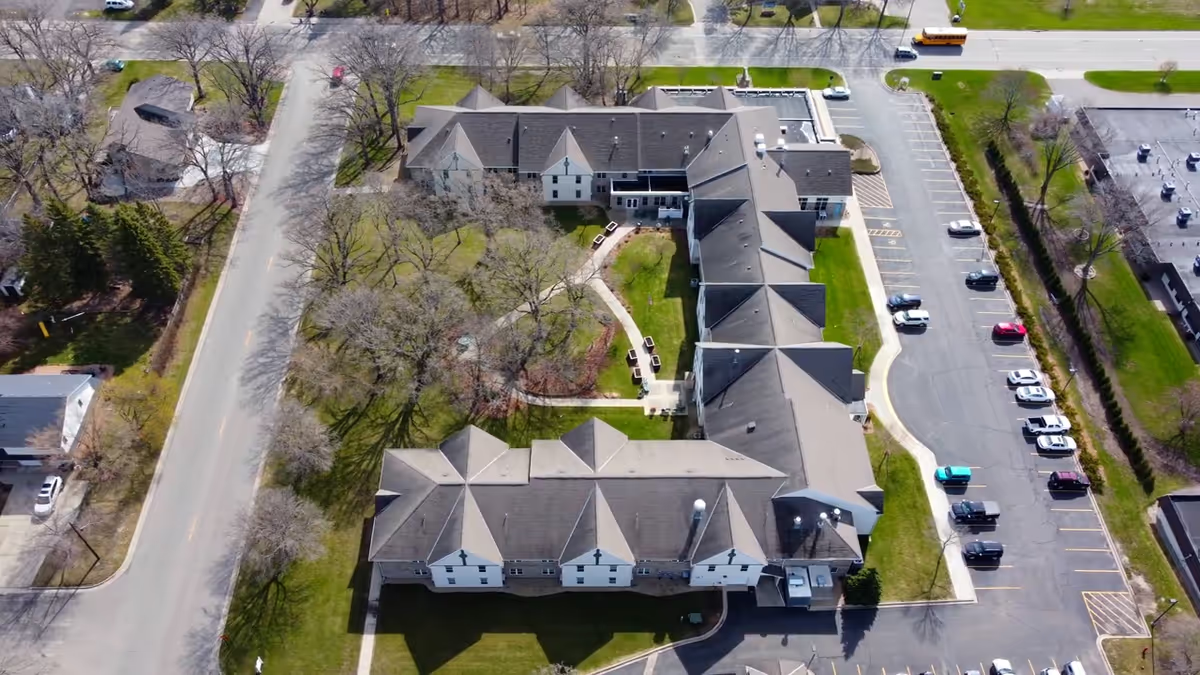
Dining and daily-life services show mixed performance. While food quality was described positively by several reviewers, there are also reports of incorrect meals, frequent room delivery in lieu of dining-room service, and limited meal alternatives on certain days. Activity offerings were described as minimal or not clearly posted by some families, suggesting variability in engagement programming. Facility limitations noted include older, smaller resident rooms, limited dining space, inconsistent climate control, small windows, and parking or accessibility constraints that may affect visitors and residents with mobility needs.
Overall, the facility elicits strongly positive experiences for some families and significant concerns for others. The divergence suggests operational variability—in staffing, clinical oversight, and communication—that leads to uneven resident experiences. Prospective residents and families should arrange an in-person tour, ask specific questions about current staffing ratios, medication and wound-care protocols, activity schedules, parking and accessibility, and observe admissions and intake communications to confirm whether the facility’s strengths align with their care expectations.