Care quality: Reviews describe a wide range of care experiences, producing an overall picture of inconsistent clinical reliability. Many families praised the rehabilitation program and some individual nurses and therapists for effective therapy and clinically competent care. However, other accounts raise significant concerns about medication administration (including late or missed analgesics and anticoagulant-dosing issues with elevated INR), delayed laboratory follow-up, and medication left unattended. Several reviewers reported delays in pain control and in other time-sensitive clinical responses, and a limited ability to progress with therapy when pain was not managed promptly. A small number of accounts include an allegation of elder mistreatment and other serious safety events; these appear as isolated but significant claims that families escalated to advocacy or external reporting channels.
Staff and supervision: Staffing consistency is a dominant theme. Positive comments emphasize caring, friendly direct-care employees and dedicated admissions/social-work staff. At the same time, numerous reports describe understaffing, high shift-to-resident ratios (especially overnight), frequent staff turnover, and inexperienced or inadequately supervised aides. These operational issues are linked in reviews to delayed call-light responses, longer waits for assistance with transfers and toileting, and a perceived need for family advocacy to secure basic care. Supervision gaps were also associated with inconsistencies in clinical documentation and follow-up.
Dining and nutrition: Dining received mixed but generally favorable feedback from a number of reviewers. Many praised appealing, healthy options, varied menus, plentiful snacks, and an attractive dining environment. Other reviewers noted a decline in food variety and quality following ownership changes, and some cited inconsistent meal-service continuity. Overall, dining appears to be a relative strength for many residents, with occasional declines tied to operational changes.
Activities and engagement: The facility offers a range of activities, with positive mentions of varied programming, scheduled entertainers (for example, a weekly flutist), and well-occupied communal schedules. The grounds and nature path contribute to resident engagement. Conversely, some families described limited stimulation or inadequate supervision in memory-care areas, where residents were described as bored or insufficiently engaged. Activity access appears uneven between units and shifts.
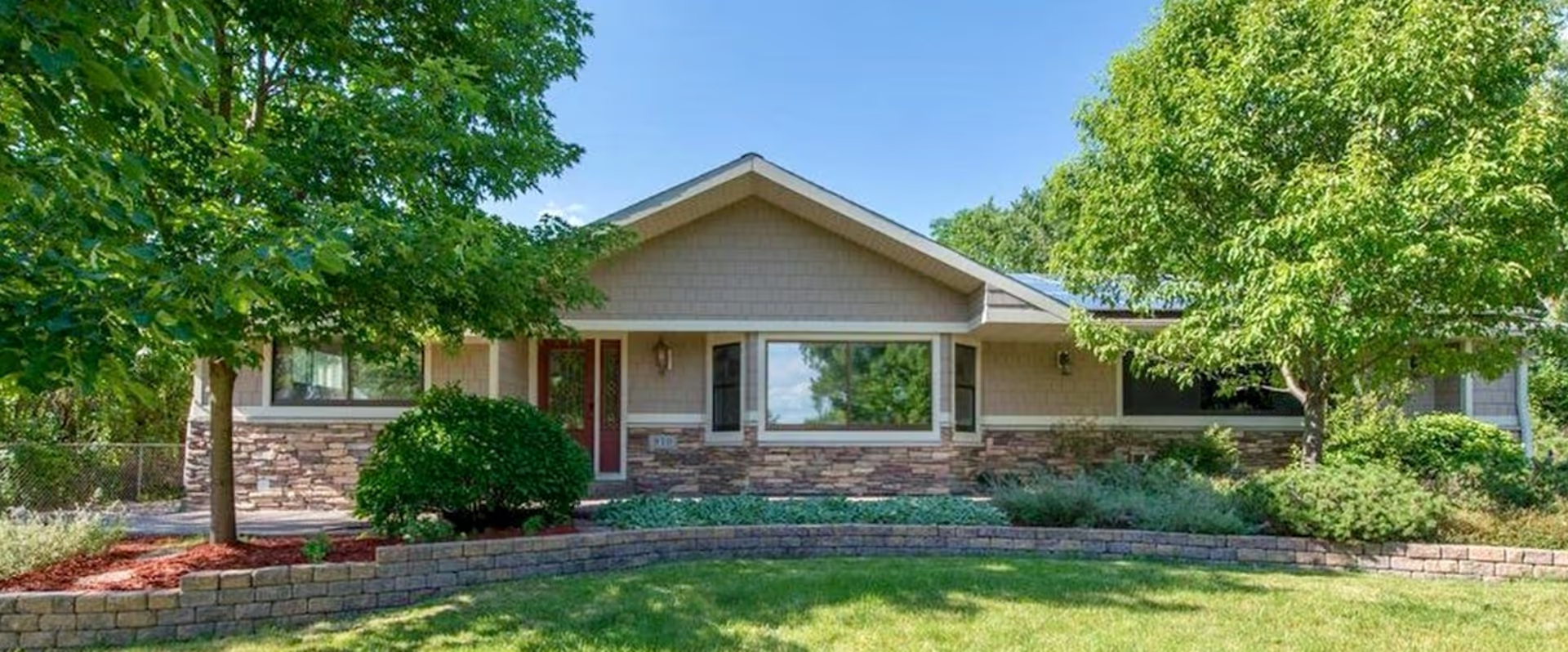
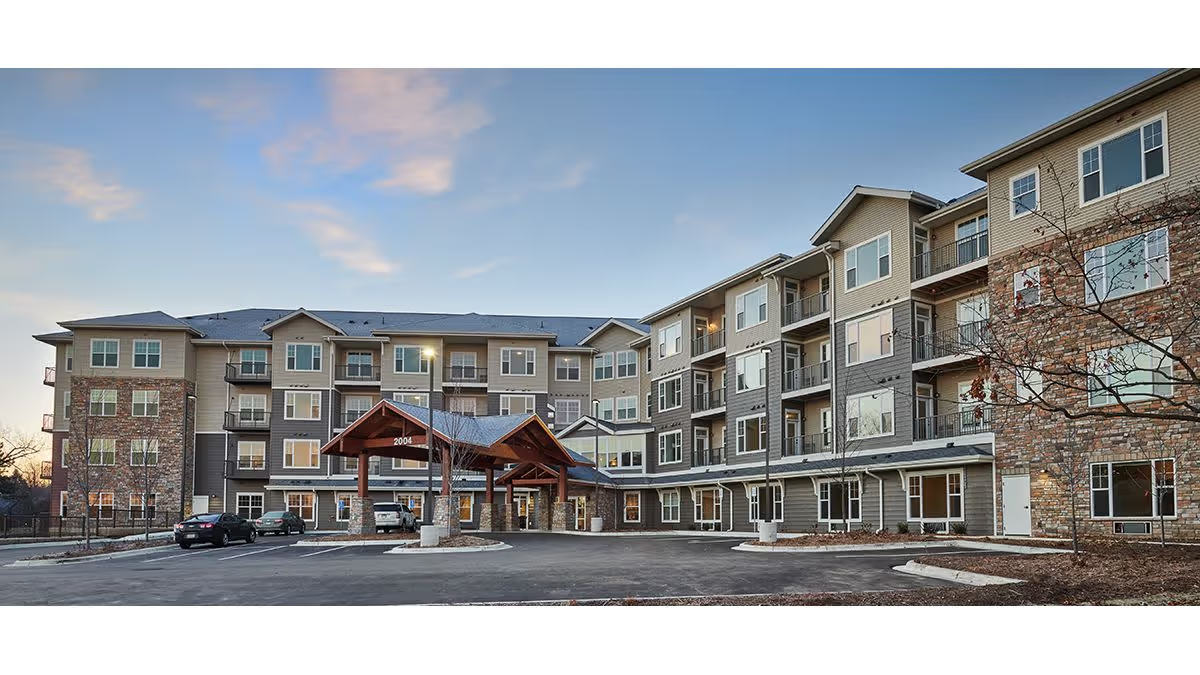
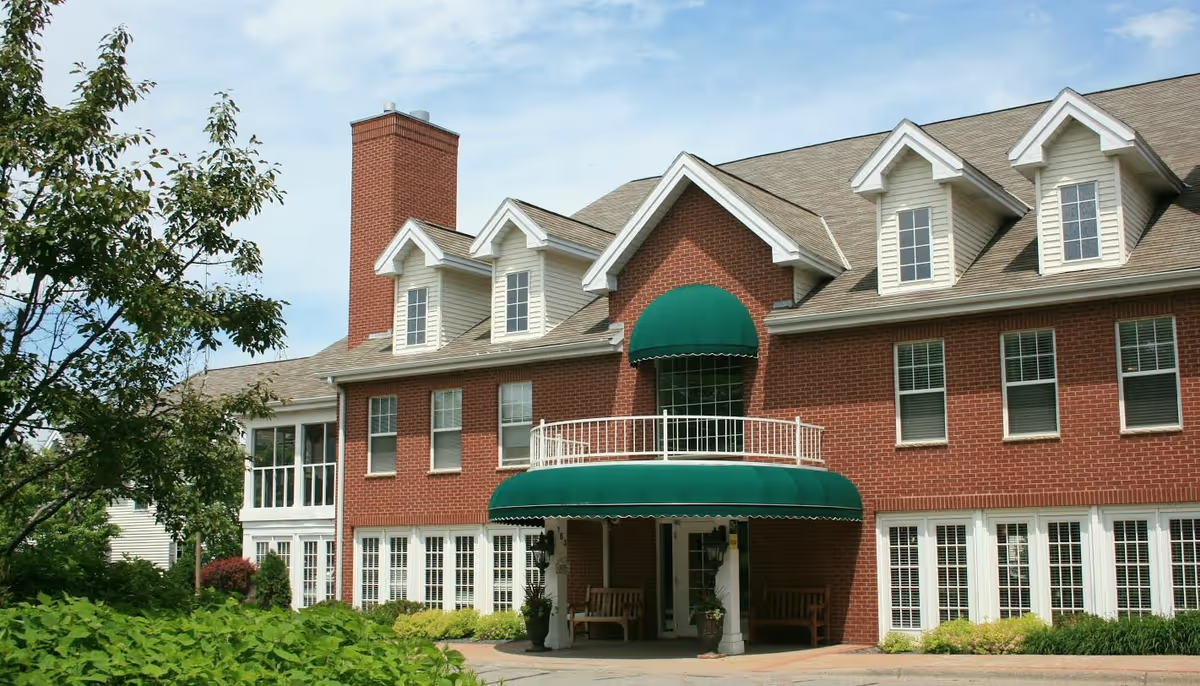
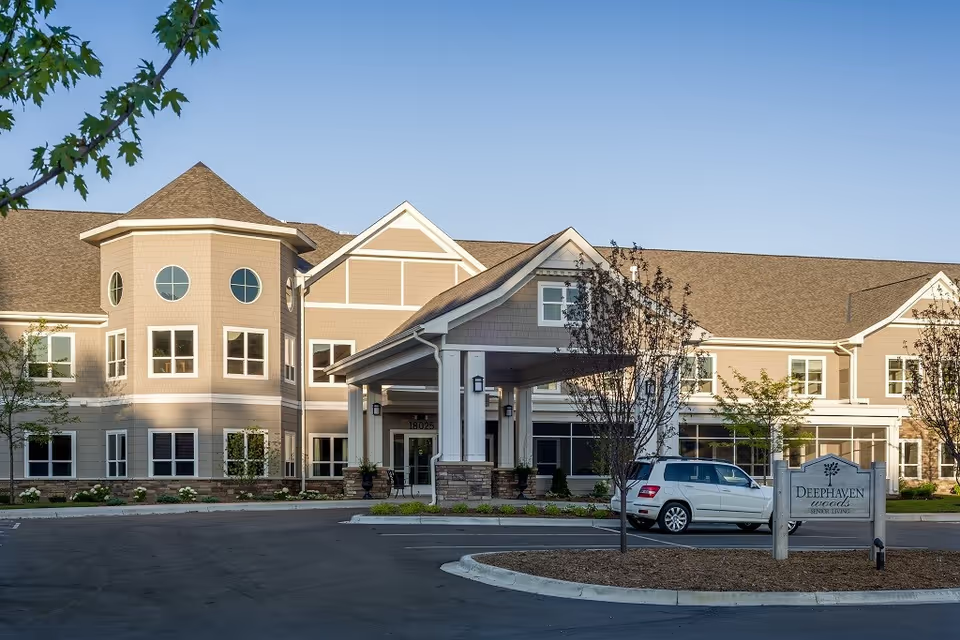
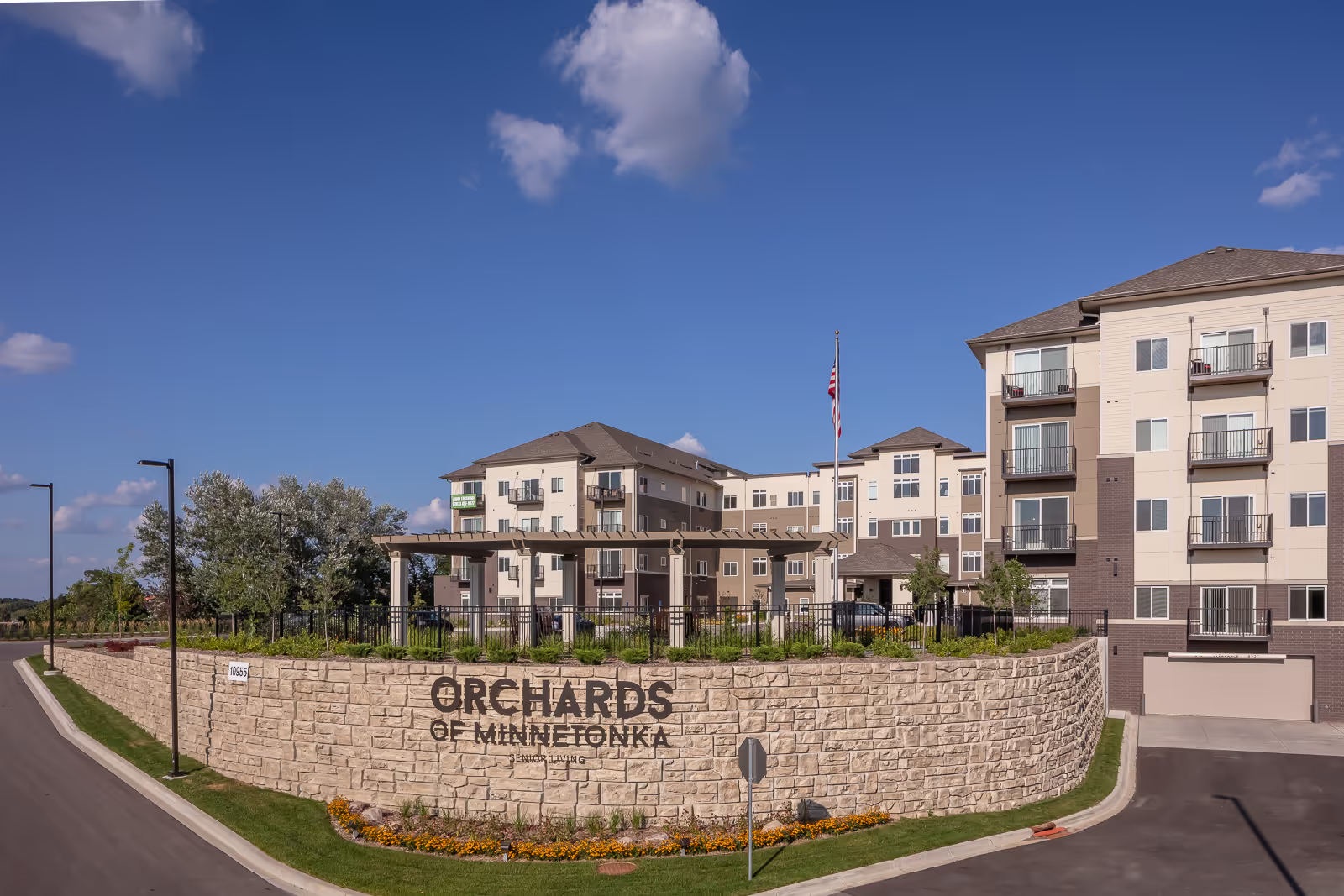
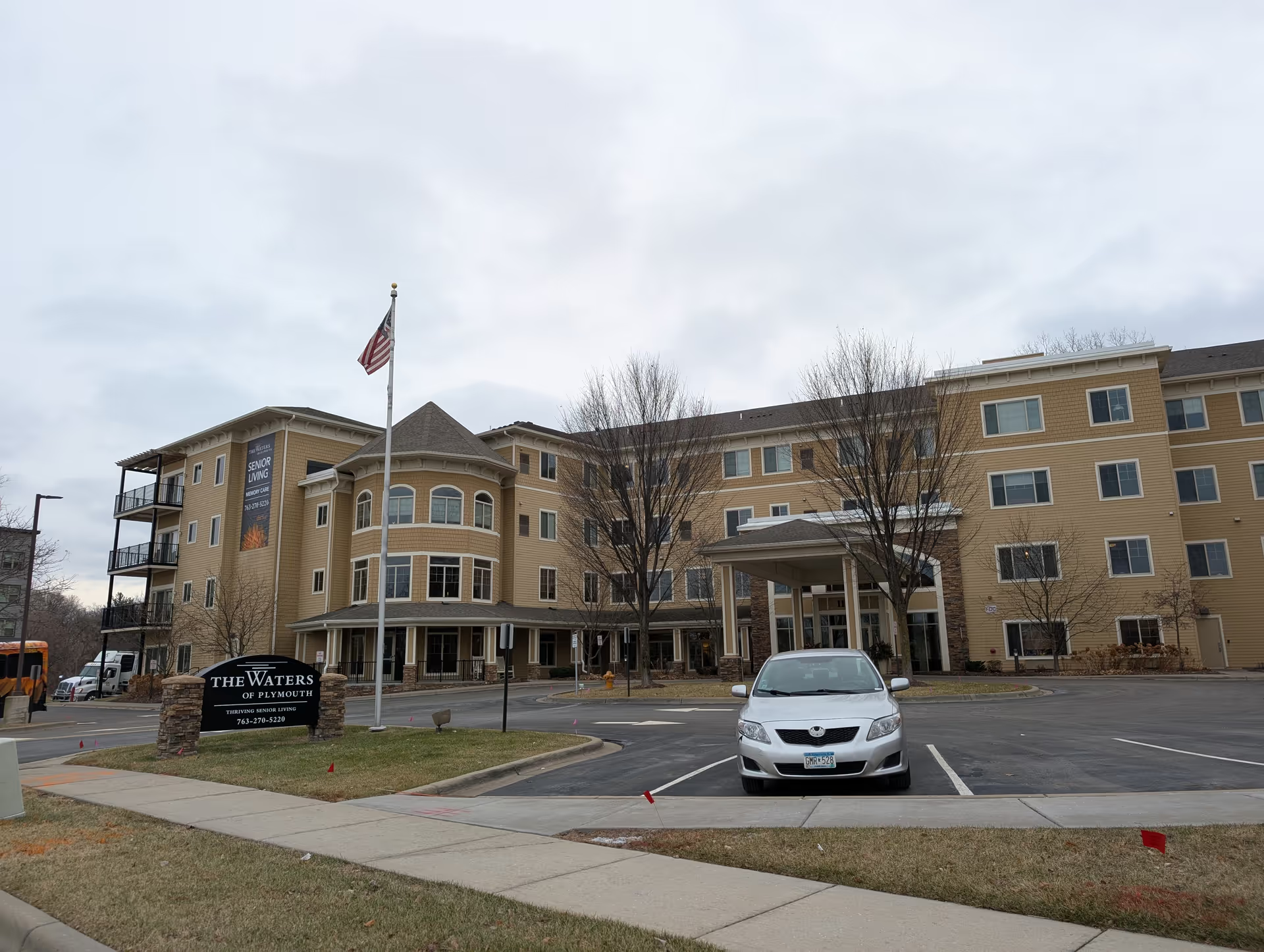
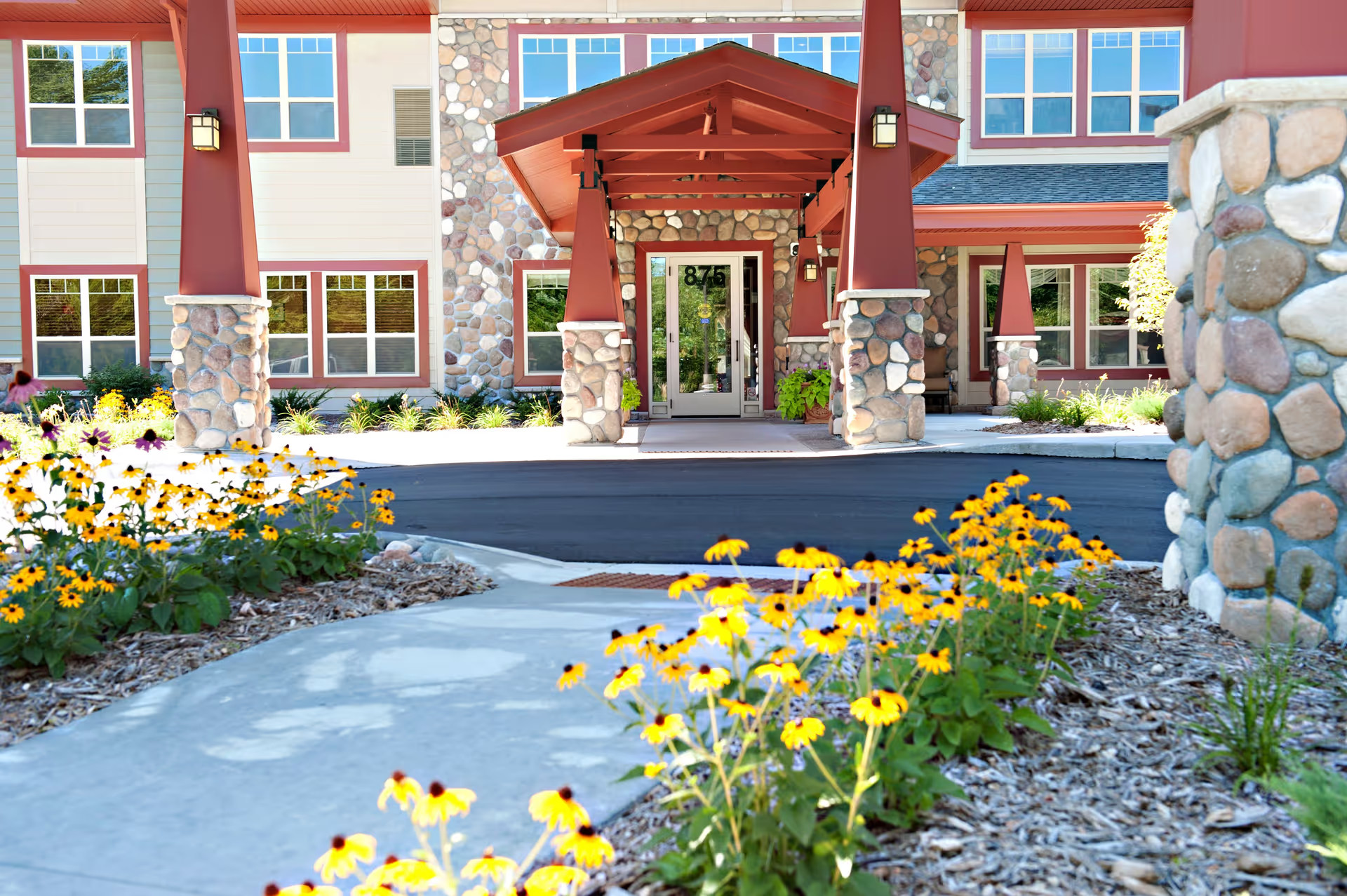
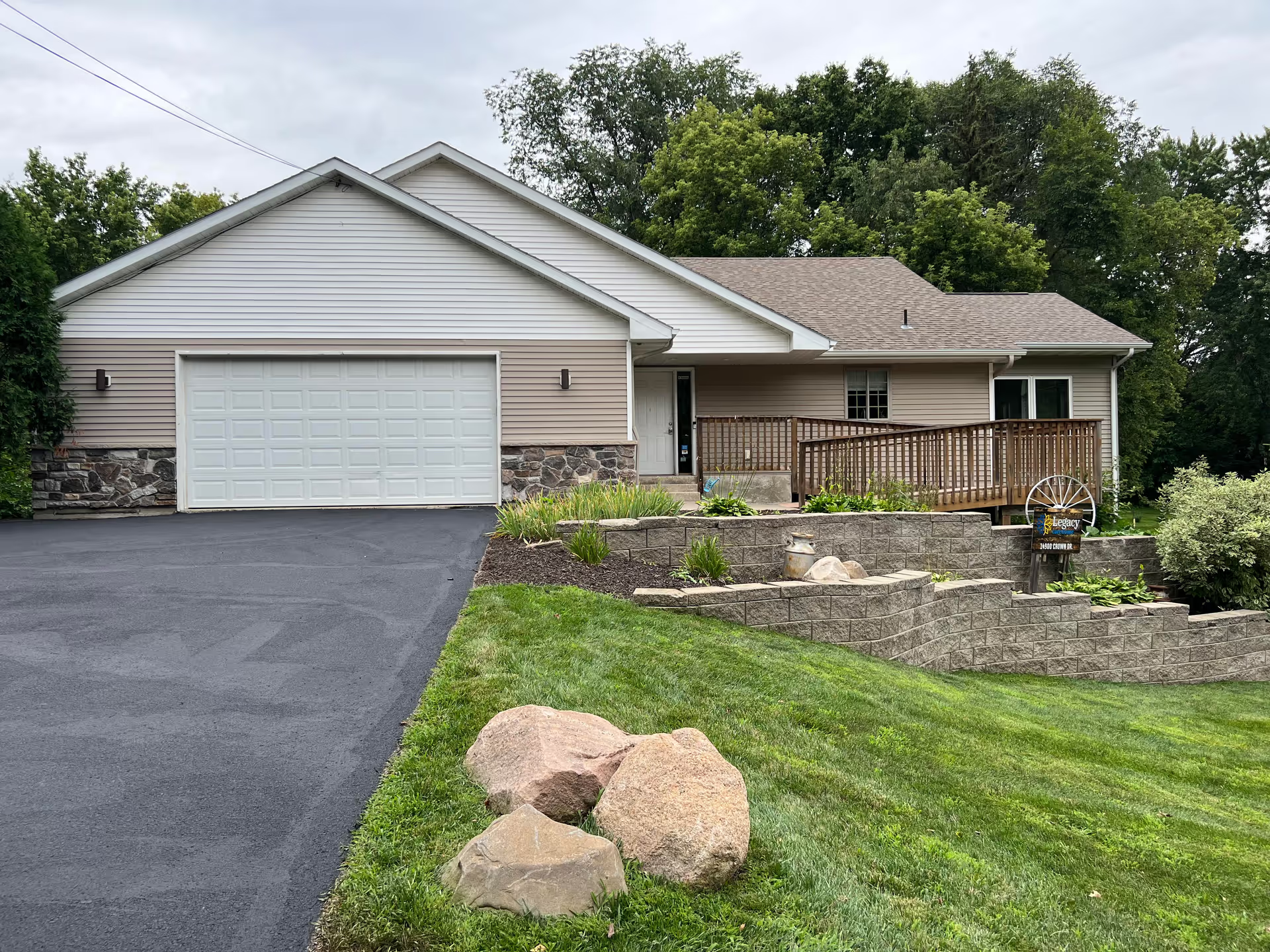
Facilities and environment: Physical attributes are mixed. Reviewers consistently note attractive exterior landscaping, a welcoming foyer, and accessible outdoor amenities. The central common area and some indoor features are well-decorated. Conversely, several reviews point to maintenance and sanitation deficits in specific areas: broken laundry equipment, supply shortages (towels, commodes, pillow coverings), pest-control concerns in some spaces, and rundown or poorly maintained resident rooms and furnishings. Safety equipment (bed rails, mattress recommendations) and ad hoc maintenance interventions were also described as inconsistent.
Management and operations: Management-related concerns include perceived prioritization of cost control, slow or inadequate responses from leadership to family escalations, billing and insurance coordination difficulties, and operational disruption following ownership changes. Positive examples of engaged management and helpful admissions personnel are reported, but they sit alongside accounts of unfulfilled promises, delayed escalation of safety issues, and inconsistent follow-through on care plans.
Notable patterns and takeaways: The overall pattern is one of variability: strong clinical and hospitality elements in parts of the facility (notably rehabilitation, grounds, and some staff), counterbalanced by persistent operational weaknesses (staffing instability, medication and safety-process inconsistencies, and localized sanitation/maintenance problems). Families considering this facility should weigh the facility’s rehabilitation strengths and pleasant campus features against the risk of uneven day-to-day care and responsiveness. If pursuing placement, prospective residents and families may wish to ask specifically about current staffing ratios by shift, medication-safety protocols, memory-care supervision practices, recent ownership changes, and how management addresses supply and maintenance shortfalls. Regular family involvement and clear escalation plans appear important for ensuring consistent care outcomes based on these reviews.