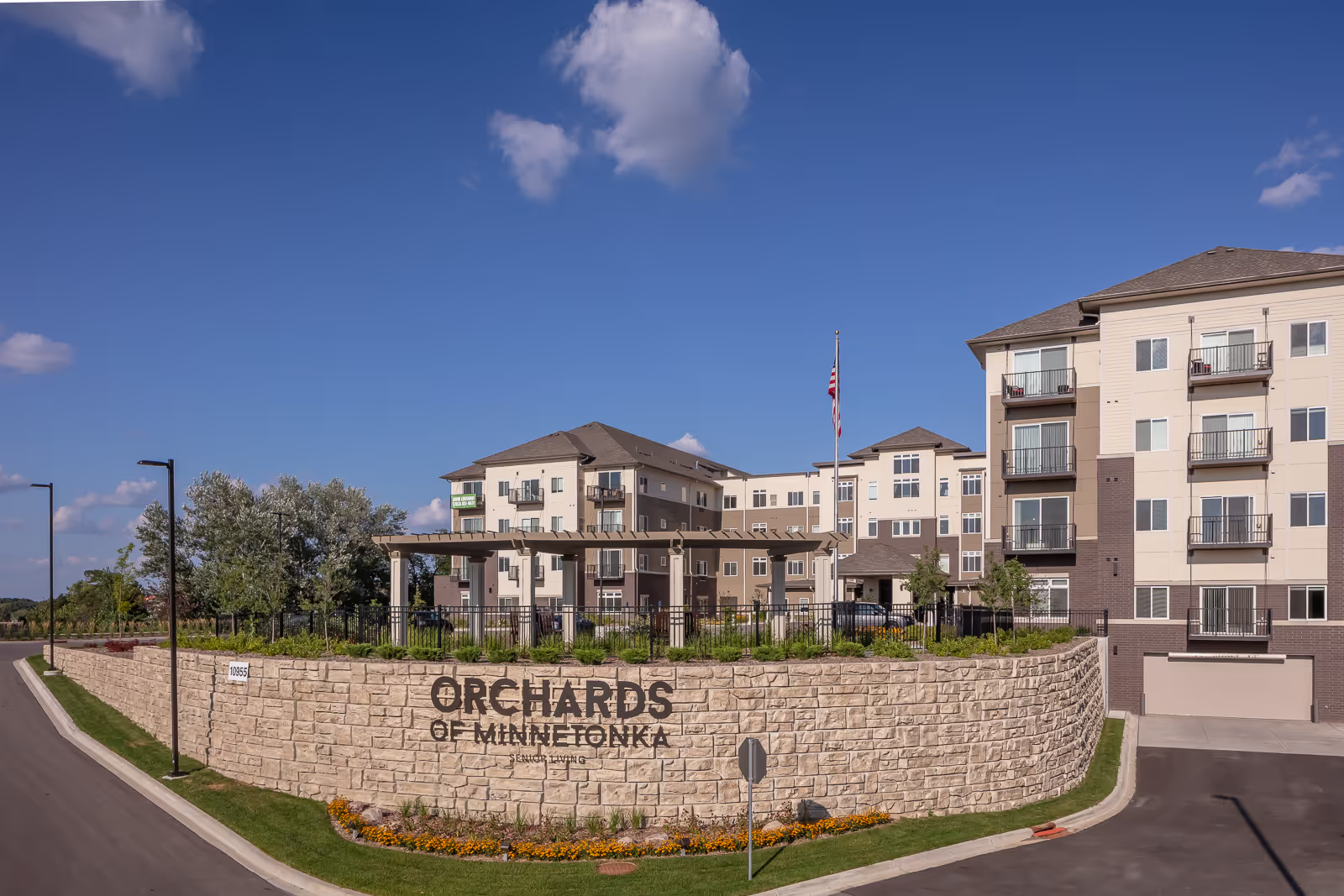
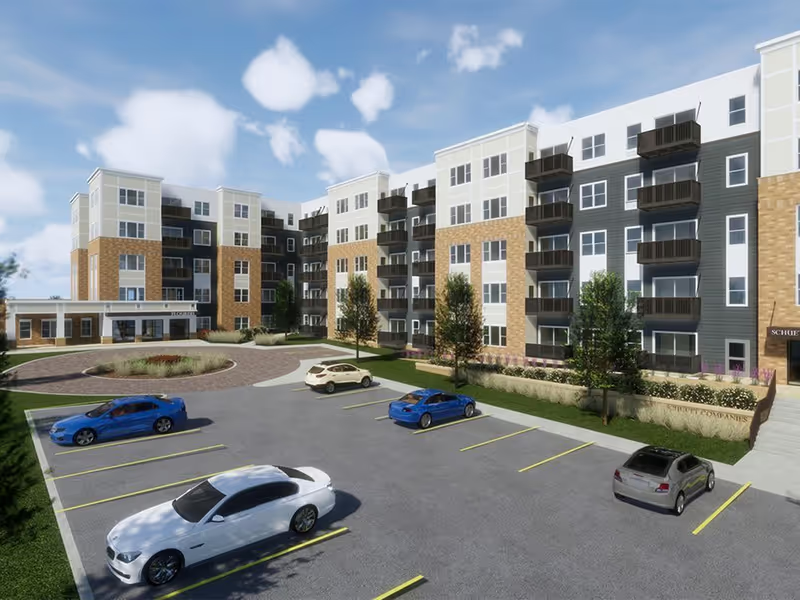
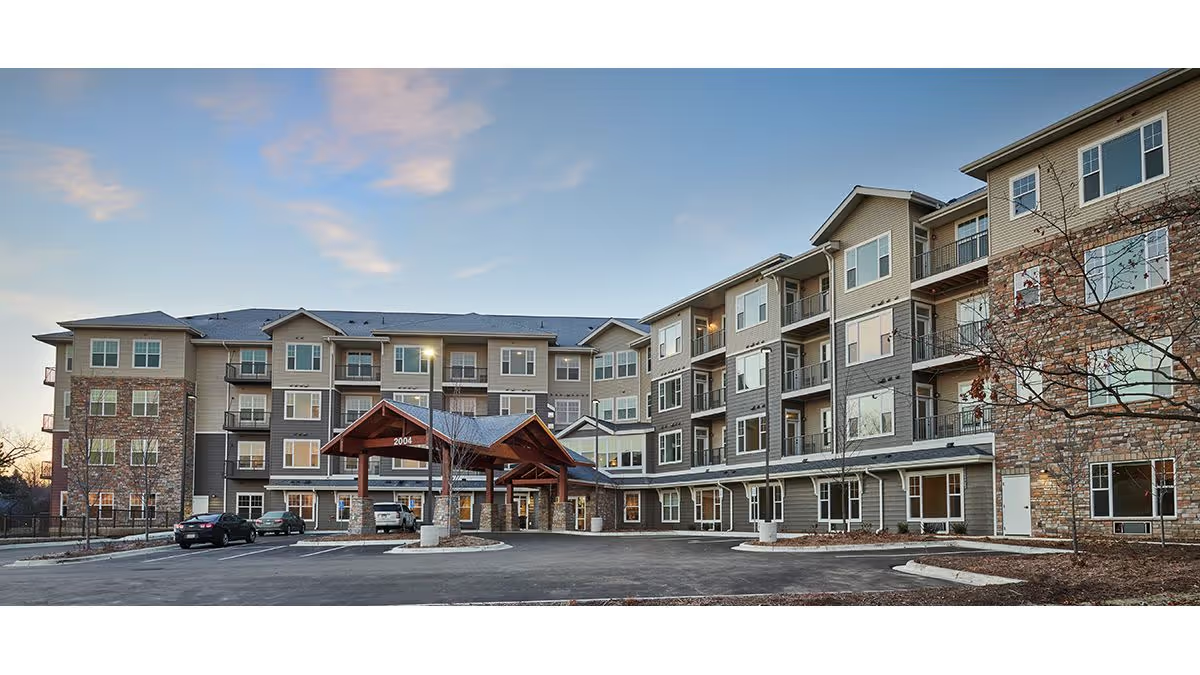
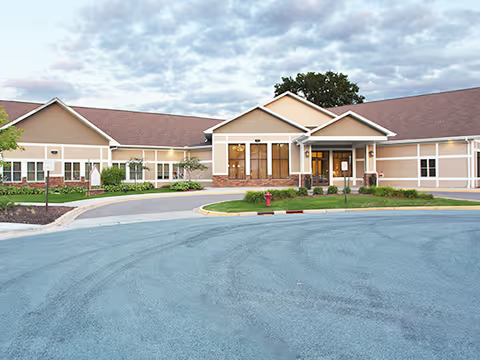
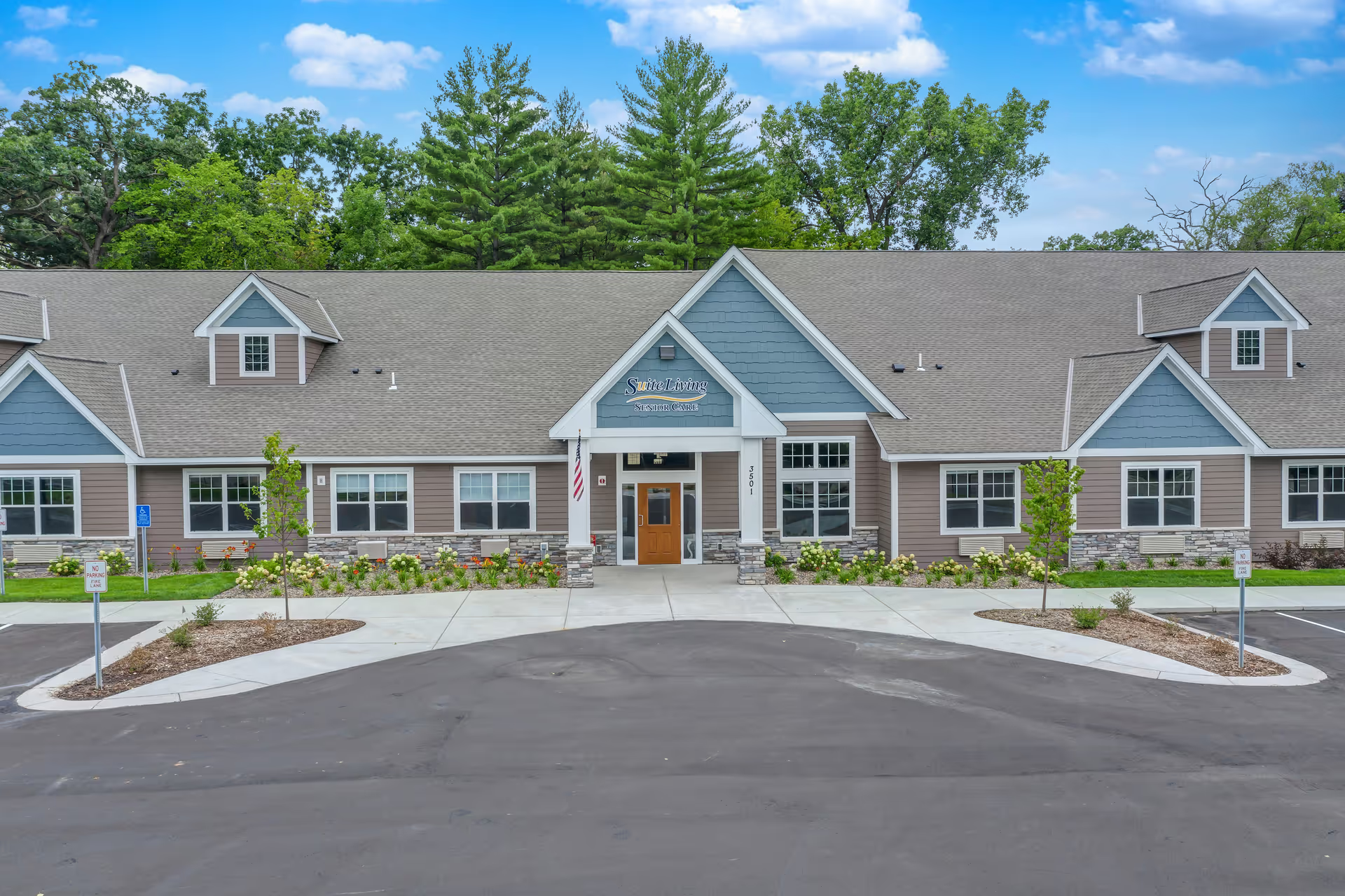
Overall impression: The Waters of Plymouth presents as a new, upscale senior living community with strong aesthetic and campus-level strengths. Many families describe a bright, clean environment with modern finishes, attractive communal spaces, and a range of apartment configurations. Memory care and independent living environments are noted for comfortable layouts and thoughtful design, and several reviewers highlighted specific staff members and coordinators who provide attentive, compassionate support.
Care and staffing: Nursing staff are frequently praised for their professionalism and compassion; however, the facility also demonstrates uneven staffing patterns and recurring turnover that affect continuity of care. Reviewers described instances that point to broader operational gaps—delayed responses to resident emergencies, inconsistent delegation between nurses and aides, and variable experience handling complex conditions such as Parkinsonian medication timing. These findings suggest the need to confirm current staffing ratios, training programs, and clinical oversight before placement.
Dining and nutrition: The community has a history of chef-prepared meals and several positive comments about food quality and dining ambiance. At the same time, there are multiple accounts of declining food consistency, meal-delivery delays, and periods when dining service was reduced or altered. Dining capacity and scheduling constraints were also noted; prospective residents should clarify meal plans, hours of service, and contingency arrangements for staffing shortages or illness-related closures.
Activities and social life: The facility offers a broad variety of activities—music programs, themed events, special dinners, and exercise options—and many residents describe an active social environment. Nonetheless, several families reported that activity engagement can be inconsistent and that residents with greater care needs may require more structured, individualized programming. Evaluating the activity calendar, staff-to-program ratios, and how the community engages less-mobile or cognitively impaired residents will be important for those seeking meaningful daily engagement.
Facilities and services: Physical amenities and cleanliness receive consistent positive feedback. On-site clinical conveniences—physician visits, lab services, and electronic access to care notes—are tangible strengths. Some practical limitations were raised, such as variability in in-unit amenities (washing machines, tubs) and limited visitor parking; these are operational items to confirm during a tour.
Management and value: The community operates at a higher price point, and reviewers frequently call out annual price increases and add-on fees. Opinions about value are mixed: families who experienced steady clinical oversight and engaged staff were satisfied, while others felt the cost did not align with care reliability. Management and leadership turnover were repeatedly mentioned as affecting culture and follow-through; prospective residents should ask about current leadership stability, staff retention initiatives, and escalation/communication protocols for incidents.
Notable patterns and guidance: Strengths center on facility condition, hospitality of many frontline staff, and available clinical conveniences. Weaknesses are operational—staffing consistency, medication-management controls, meal-service reliability, and family communication during incidents. Prospective residents and families should arrange an in-person tour, meet nursing leadership, review medication and emergency response procedures, and obtain a detailed fee and service schedule to assess whether the community’s current operational practices meet their expectations and clinical needs.