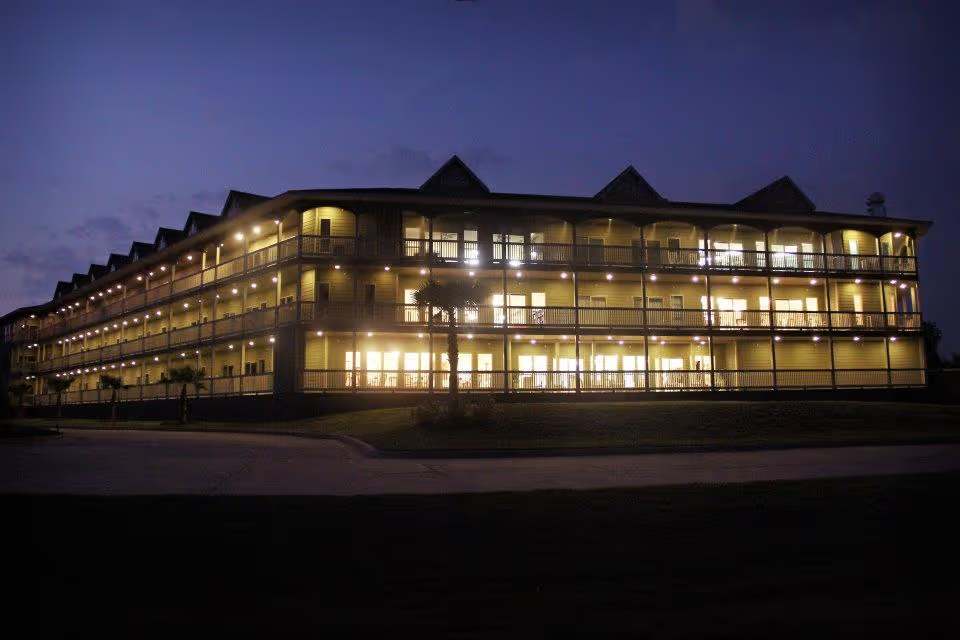
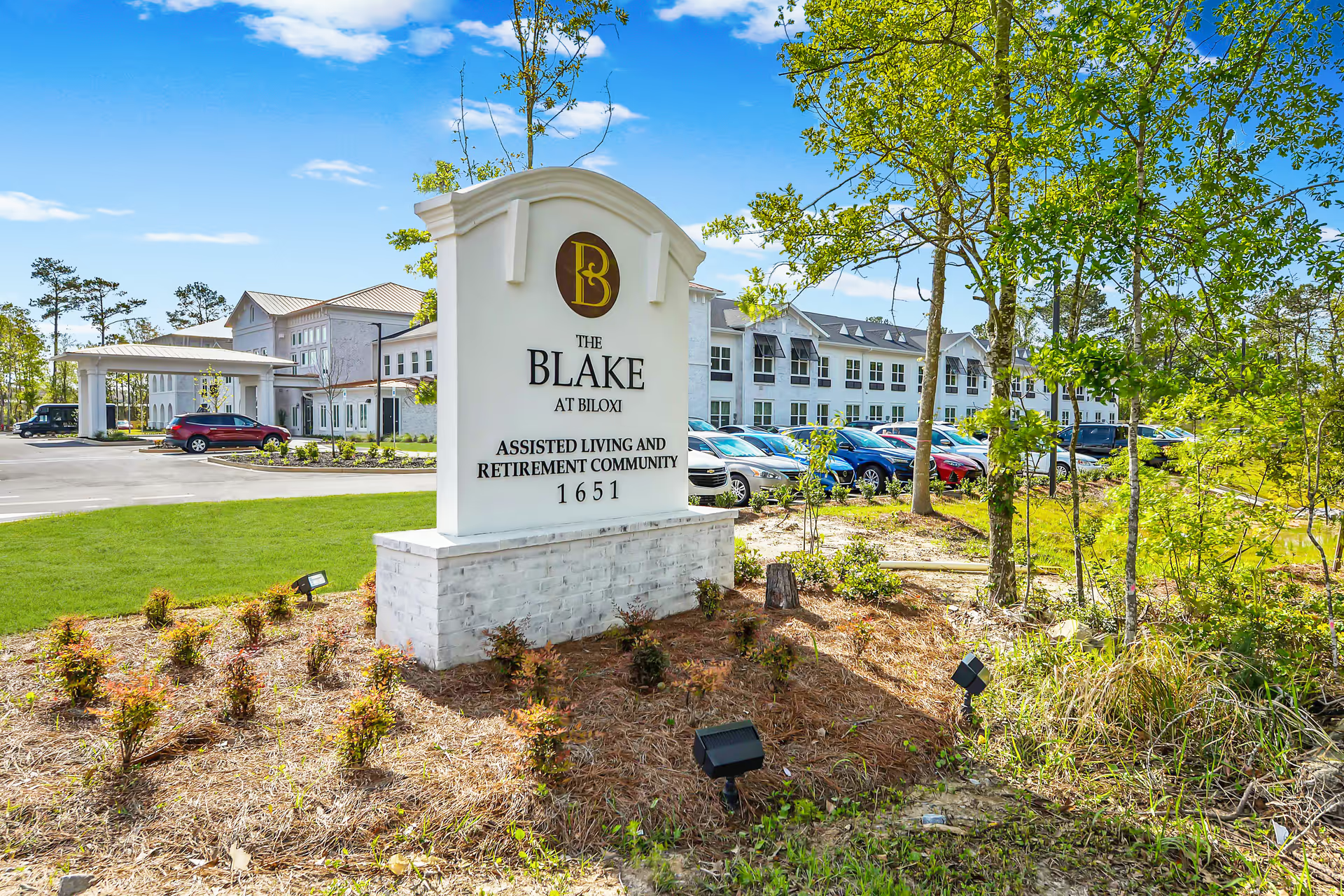
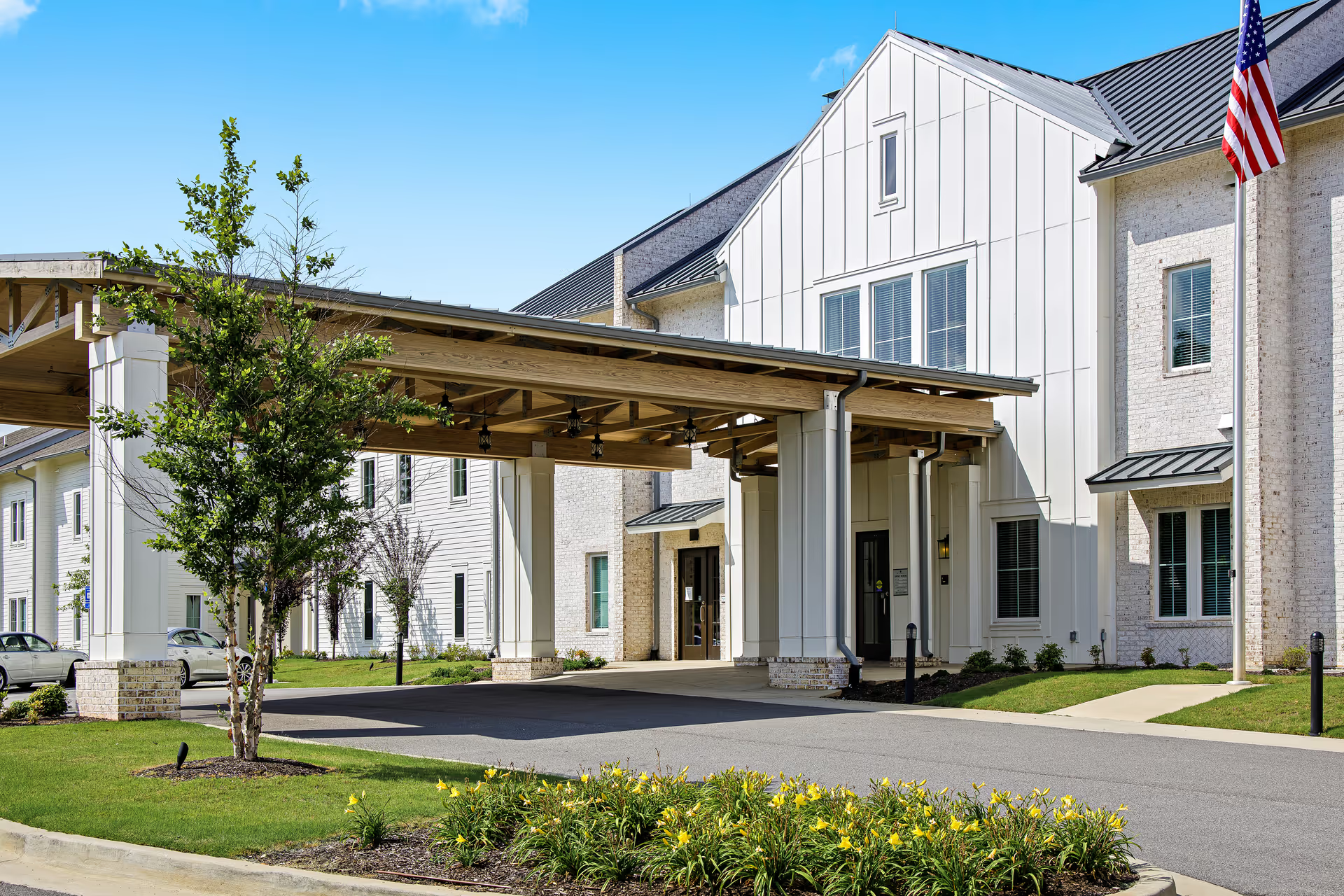
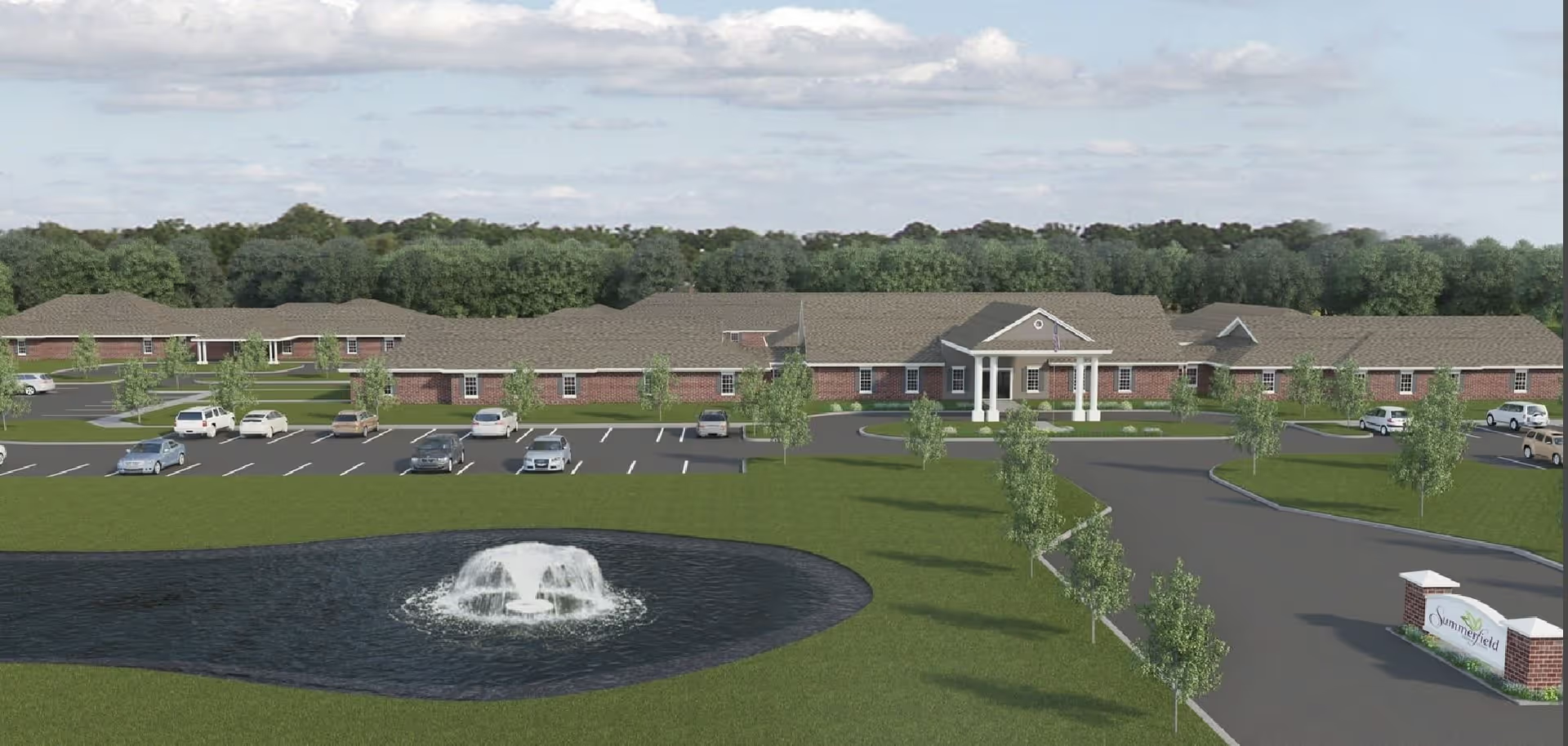
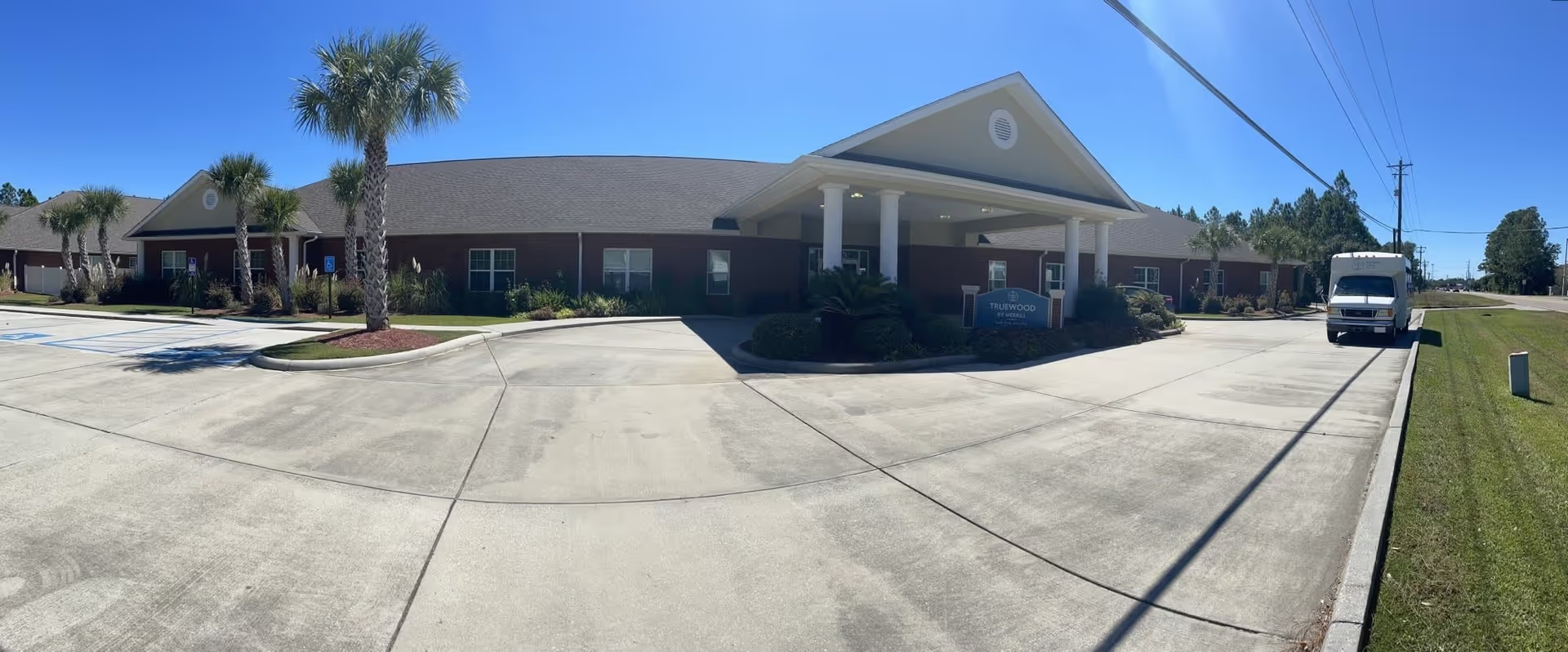
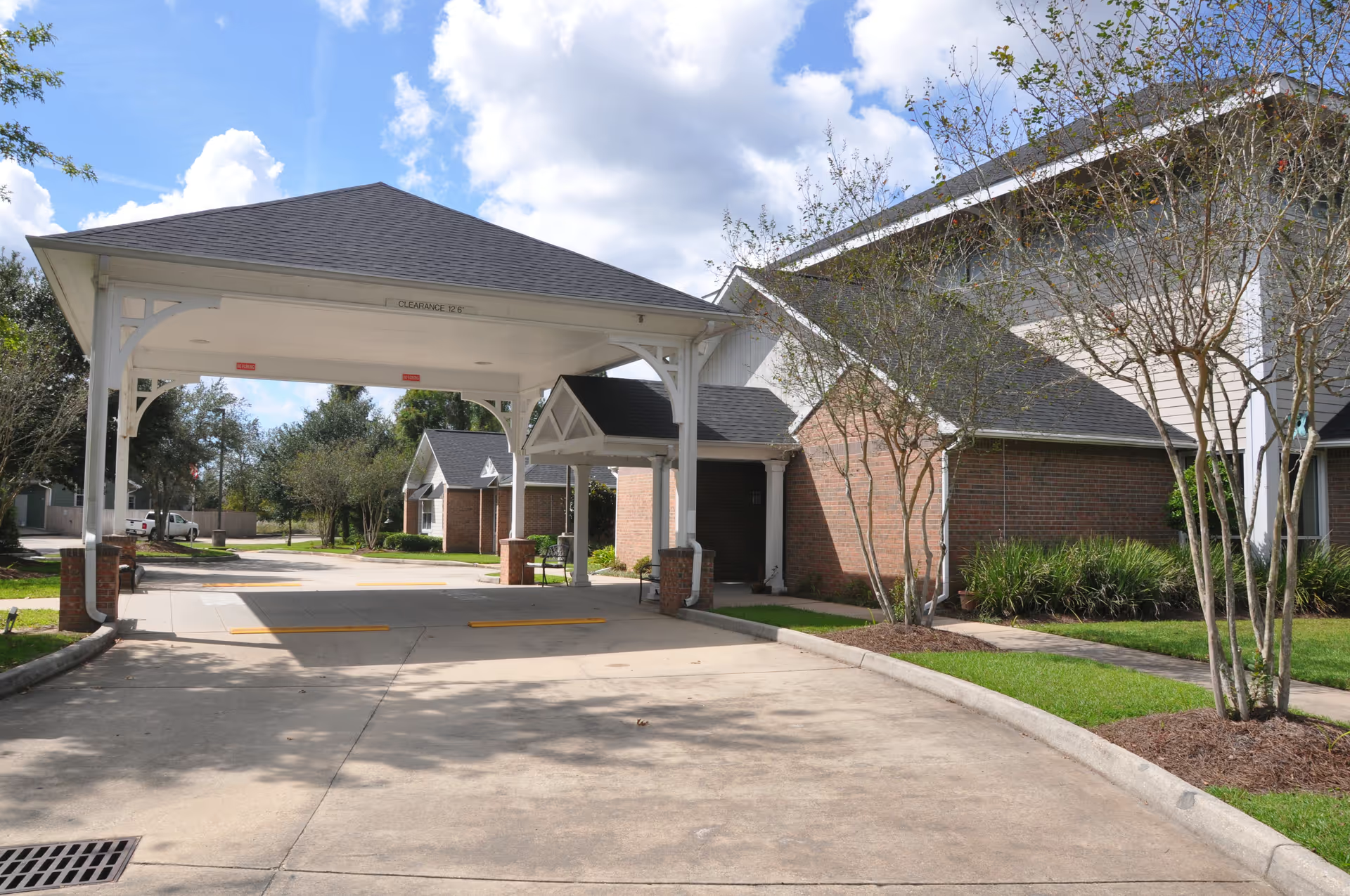
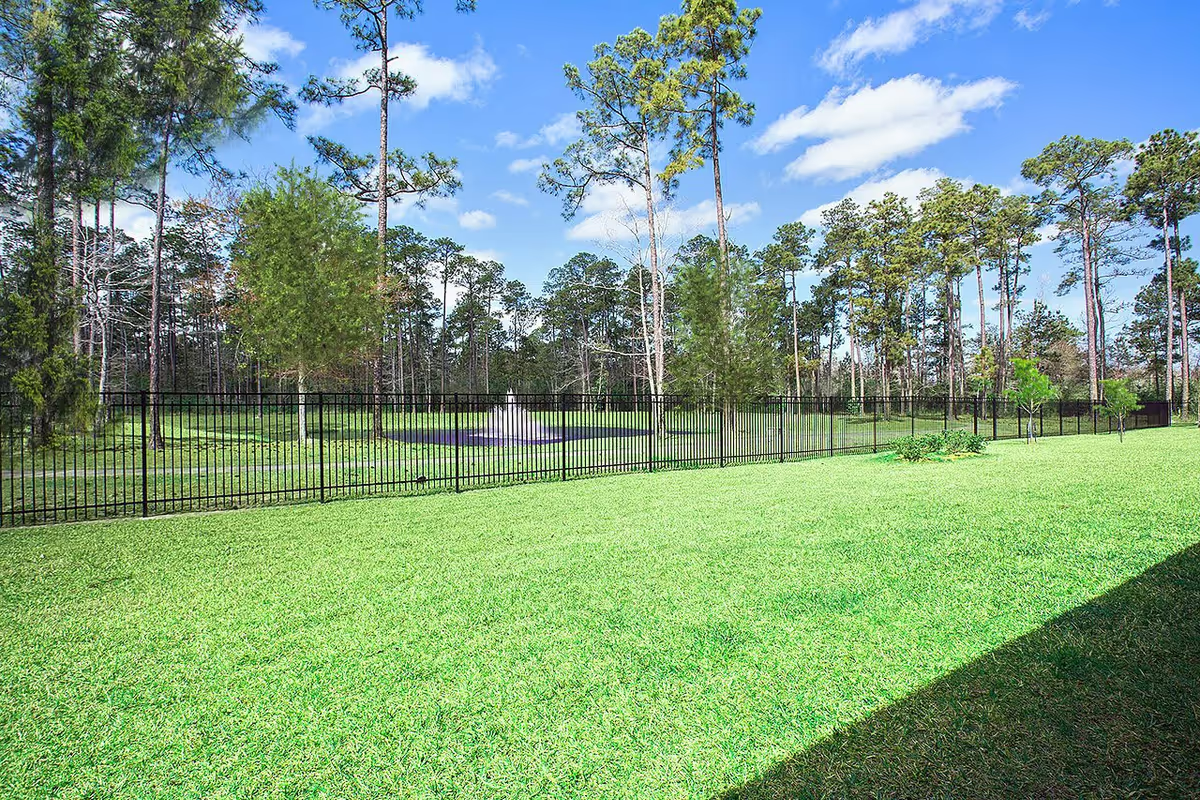
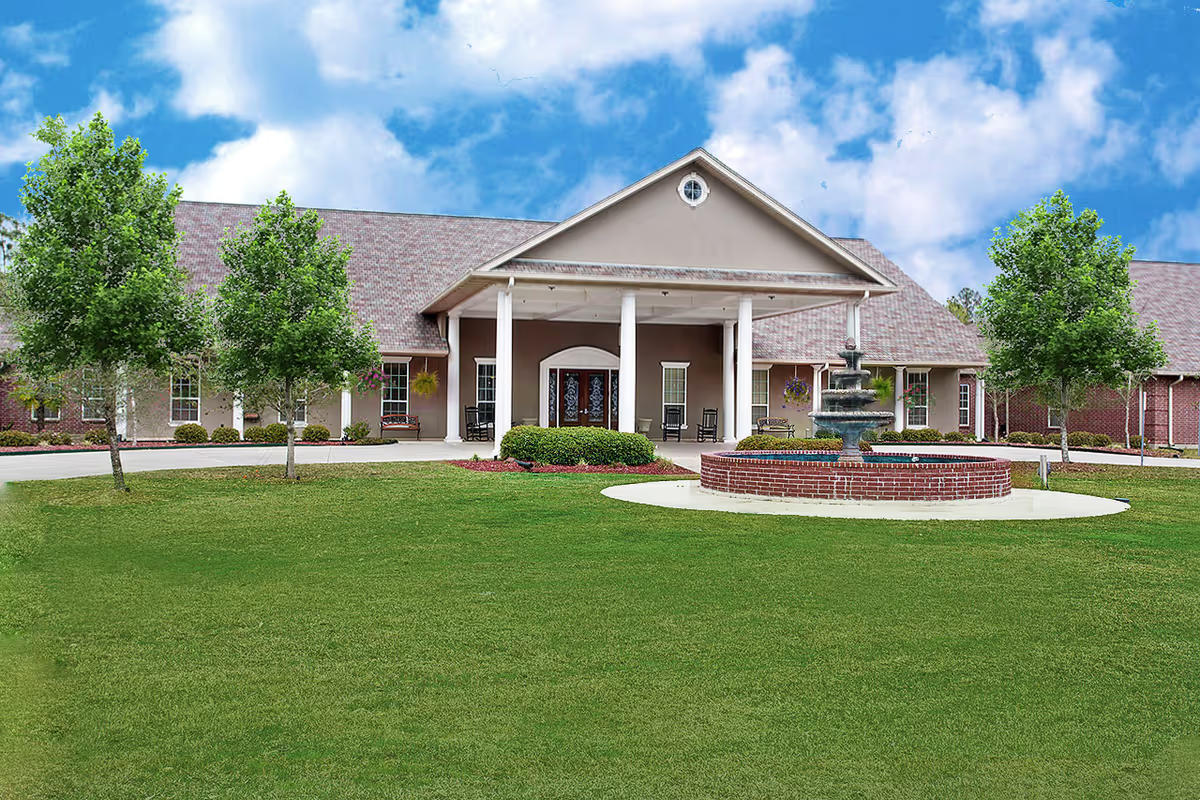
Brookdale Biloxi presents a mixed but informative profile for prospective residents and families. Strengths commonly described include a generally compassionate and engaged caregiving team, an active calendar of social and recreational programming (bingo, crafts, exercise, outings, seasonal events), and a range of on-site amenities such as a salon, movie/theater room, exercise facilities, and outdoor garden and patio spaces. Apartment-style living with kitchenettes and larger studios or one-bedroom units is commonly noted, along with accessible common areas and transportation support to medical appointments. Several reviews highlight structured family communication practices (monthly calls, quarterly care conferences) and attentive move-in assistance.
Clinical and care-related offerings are a clear selling point in many accounts: there is an on-site memory-care unit and clinical staff presence, rehabilitation and physical-therapy support tied to hospital assessments, and examples of staff who know residents by name and provide personalized interactions. Families frequently praise individual caregivers, LPNs, and certain leaders for creating a family-like atmosphere and for quick responses to routine requests.
However, a number of operational weaknesses recur across reviews. Dining and meal-service quality is inconsistent: while some accounts praise an on-site chef and restaurant-style dining, others describe frequent menu repetition, running out of options, and meals perceived as substandard. Staffing variability and staffing levels are repeatedly linked to delayed assistance with personal care tasks (bathing, feeding), limited time for hands-on care, and uneven responsiveness to calls for help. Relatedly, reviewers identify variability in cleanliness and maintenance—from well-kept areas to concerns about carpets, odors, and deferred refurbishment in specific units.
Management, administrative, and safety patterns appear mixed. Several families report billing discrepancies, slow or unclear resolution of financial questions, and admissions/contract clarity issues; others praise cooperative administrative staff. Communication from leadership and responsiveness to serious clinical incidents are described as inconsistent: where some leaders and directors are credited for prompt action, other accounts describe delayed callbacks or unresolved incident follow-up. There are also isolated but consequential reports suggesting gaps in medication-management practices, training for dementia care in parts of the memory unit, and inconsistent incident-response protocols.
Facility systems-level issues include periodic HVAC/temperature instability, turnover-related competency variation among staff, and divergent experiences of value for cost — some families find it competitively priced, others view monthly charges as high relative to perceived service levels. Importantly, many strengths (friendly staff, activities, amenities) co-exist with operational fragilities (staffing, dining, billing, maintenance). Prospective residents and families would likely benefit from focused questions during a tour: ask for current staffing ratios, examples of dementia-care training and supervision, typical menu rotation and food-continuity plans, billing and refund policies in writing, incident-response protocols, and the facility’s plan for outstanding maintenance or HVAC issues. This balanced approach will help weigh the facility’s clear strengths in social programming and individual staff engagement against recurring operational concerns described by families.