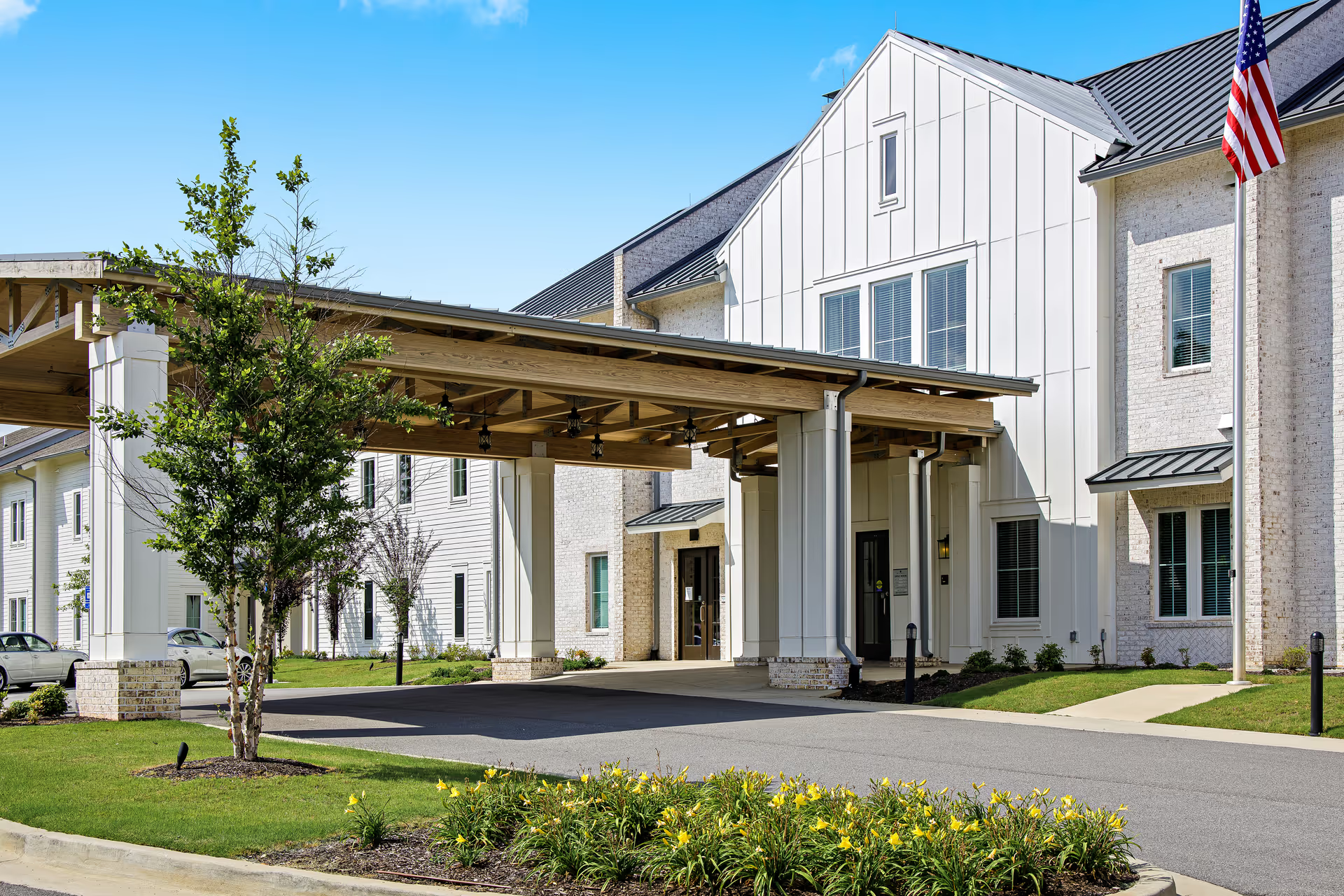
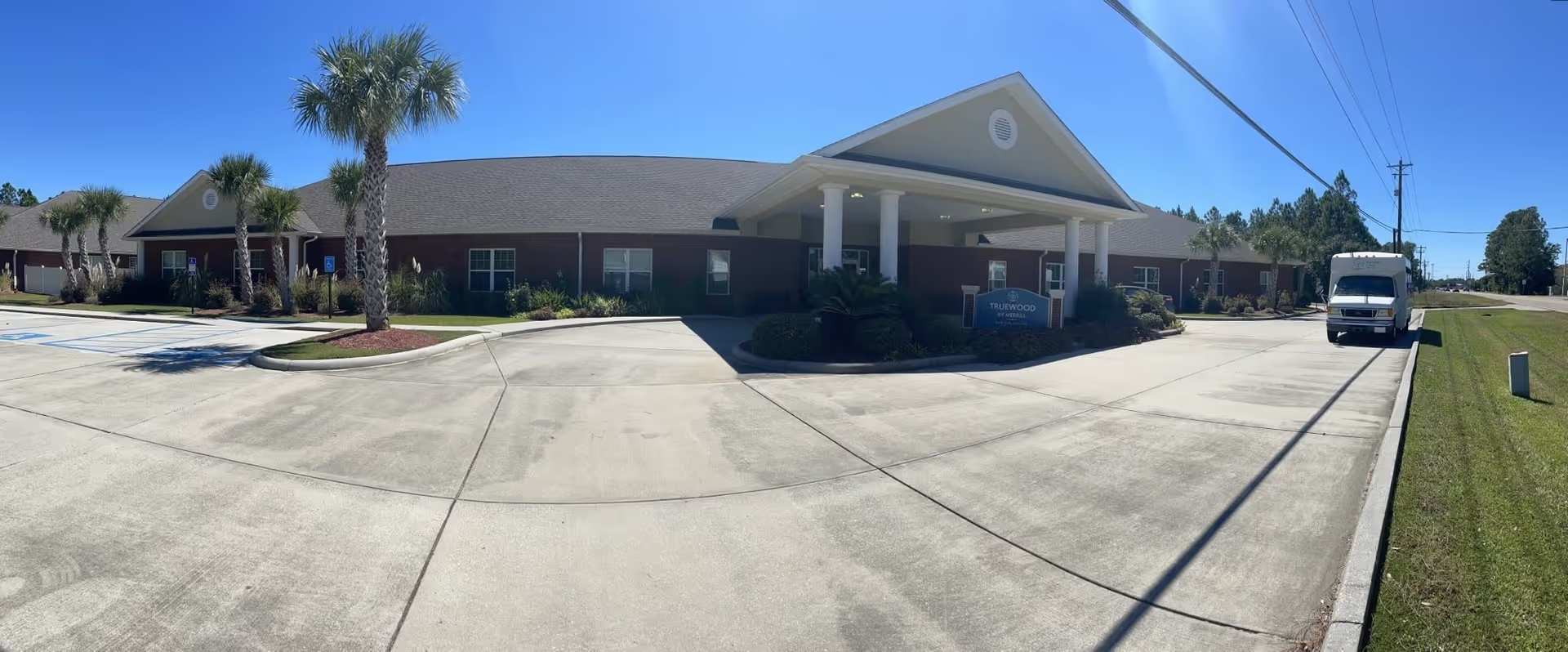
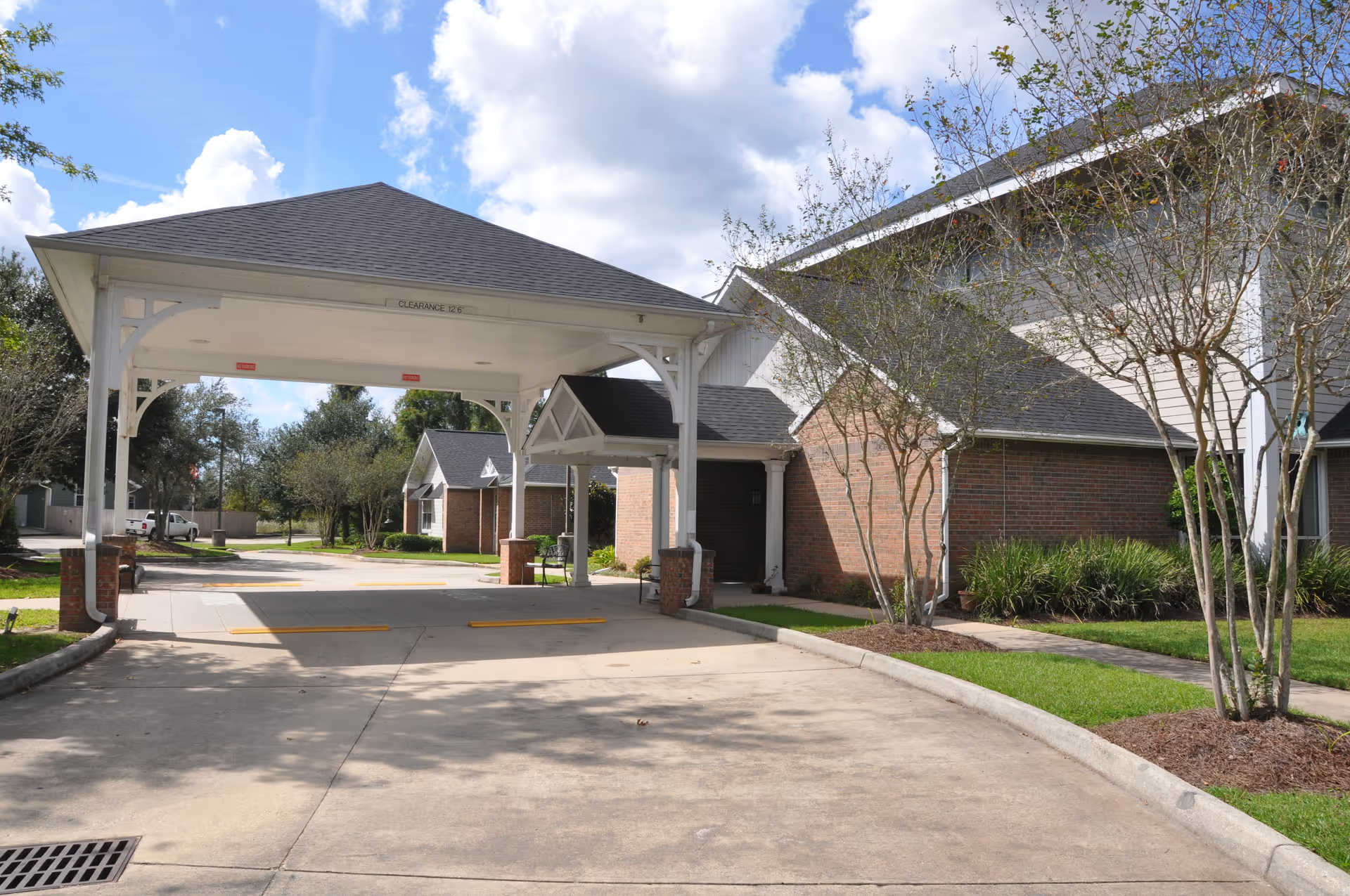
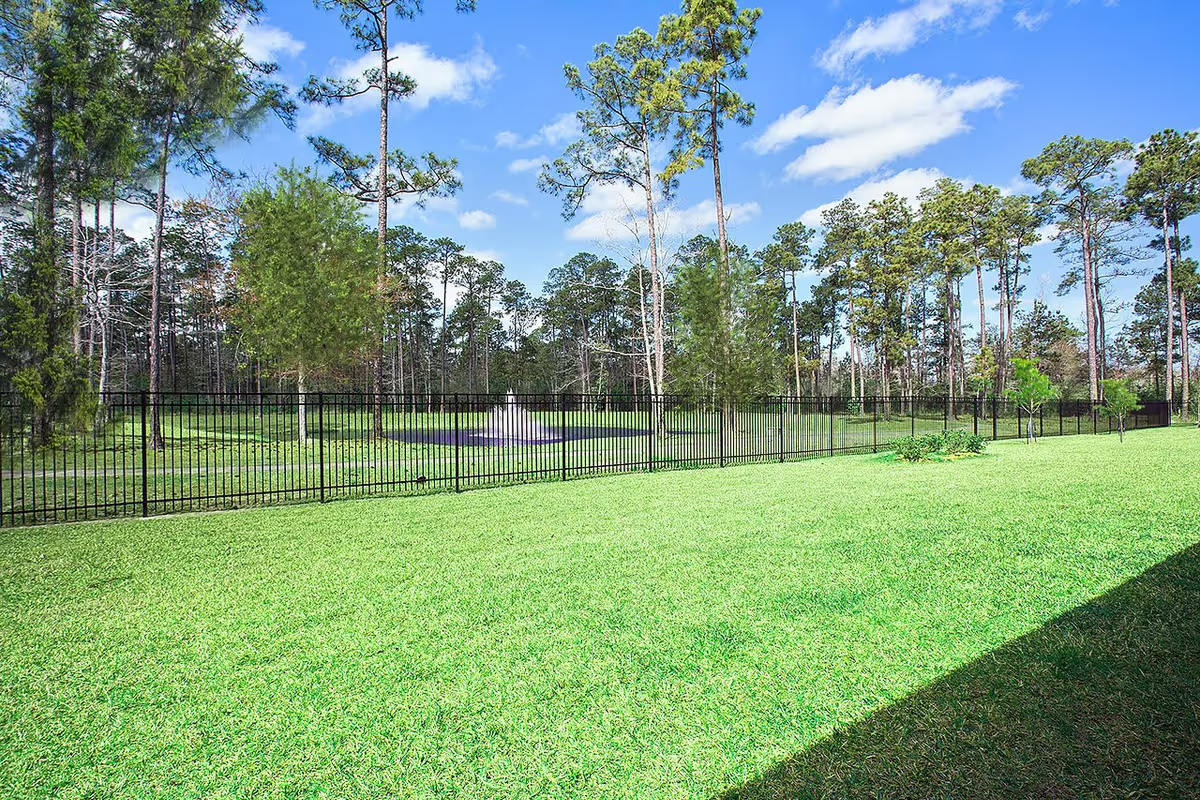
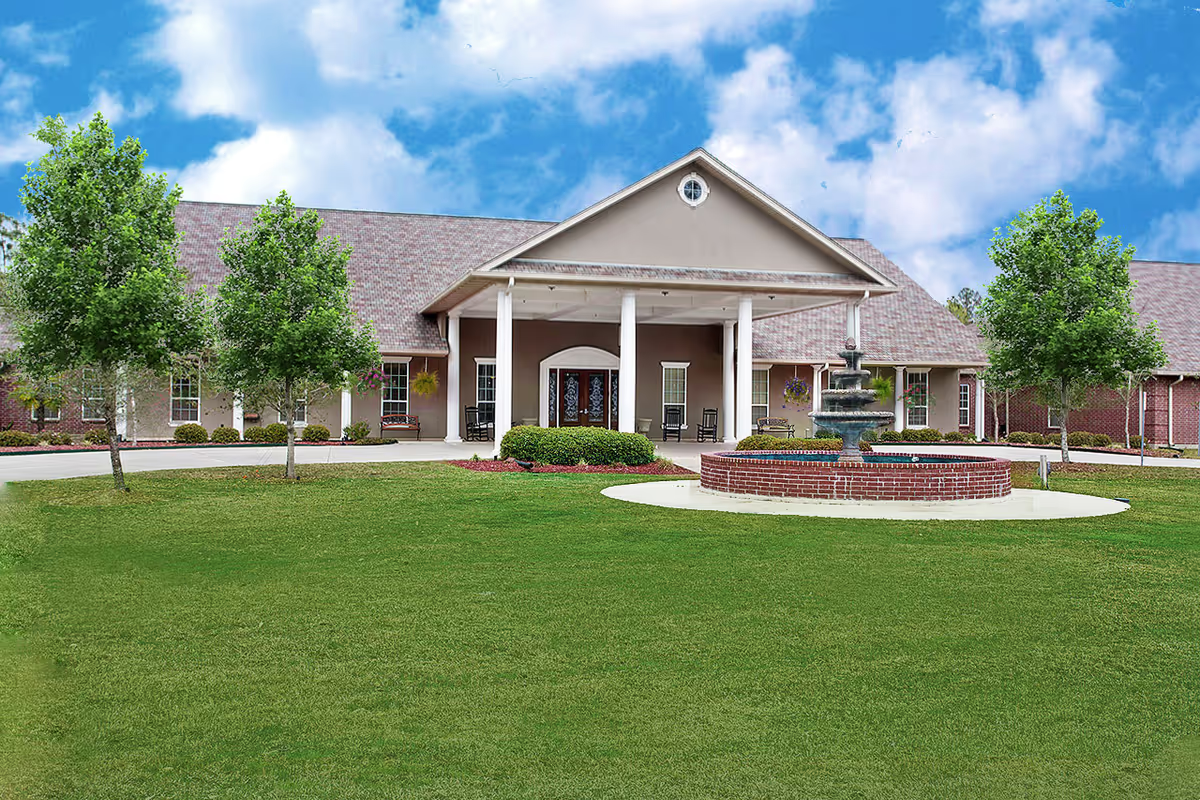
Seashore Highlands presents as a newer, well-maintained retirement community with many physical and programmatic strengths. Reviewers consistently highlight the facility’s single-level, home-like design, spacious private rooms with kitchenettes and private baths, landscaped courtyards, and overall cleanliness. The community’s scale and layout are noted as easy to navigate for residents using walkers and wheelchairs, and its central location offers proximity to family and convenient access.
Care quality and staff interaction are among the most frequently discussed aspects. Numerous families praise the nursing staff, resident assistants, and specific caregivers for being compassionate, attentive and personally engaged; examples include individualized acts of kindness and hands-on help during recovery stays. These accounts point to genuinely caring staff members and pockets of high-quality, patient-centered care. At the same time, there is a countervailing pattern: reviewers describe periods when staff appear overburdened, which can reduce time available for direct resident interaction. This variability suggests that care experience can depend on staffing levels and shift dynamics.
Dining and activities are generally strengths but show inconsistent delivery. The community offers an on-site cafeteria with a varied menu and residents appreciate not having to leave for meals. A broad set of activities is available—exercise classes, bingo, religious services, scripture study, seasonal events, and field trips—and the environment is described as lively when programming is active. However, some reviewers report gaps in entertainment and irregular activity schedules, and at times available transportation and community resources (for example, the facility bus) are not fully utilized. These points indicate that programmed offerings exist but their consistency may vary by day or unit.
Operational and management themes are mixed. Several reviewers praise visible leadership and responsive staff, including specific positive references to on-site managers. Conversely, other reviewers express concerns about management attentiveness, organizational coordination, and staff being required to perform multiple roles (kitchen, cleaning, caregiving), which contributes to perceived disorganization and inconsistent service levels. There are also mentions of disruptive resident relocations or transitions—not tied to a single incident but reflecting an operational weakness around moves and room assignments.
In summary, Seashore Highlands appears to offer a high-quality physical environment, compassionate caregivers, and a range of programming that can support recovery, social engagement, and religious life. The principal areas for inquiry during a tour or family meeting are staffing patterns and coverage, how activities and transportation are scheduled and maintained, the facility’s approach to staff training and consistency of care, and policies around room moves and transitions. Those factors appear to drive the variability family members describe between very positive experiences and instances of limited responsiveness or organizational gaps.