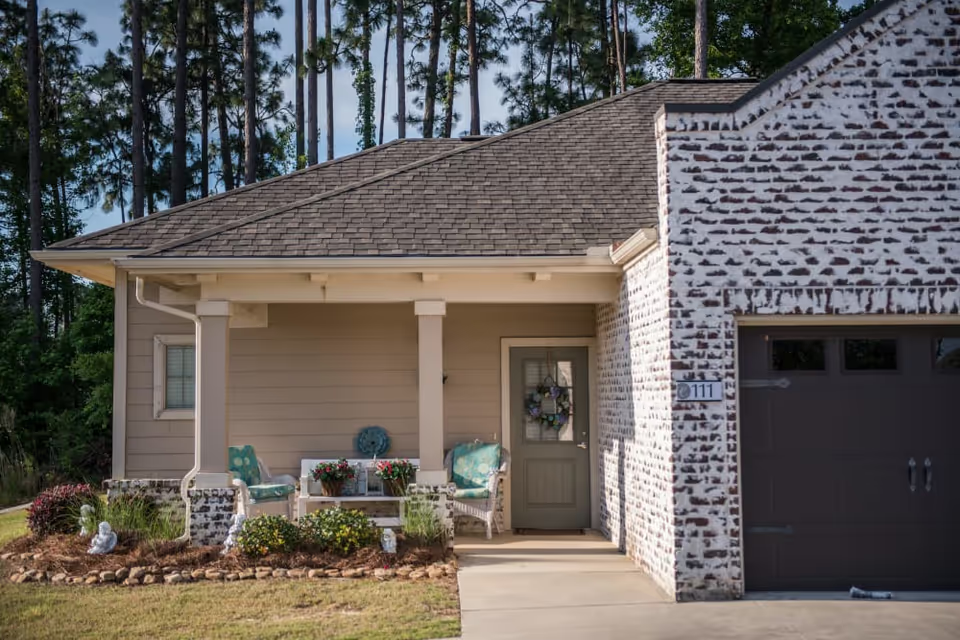
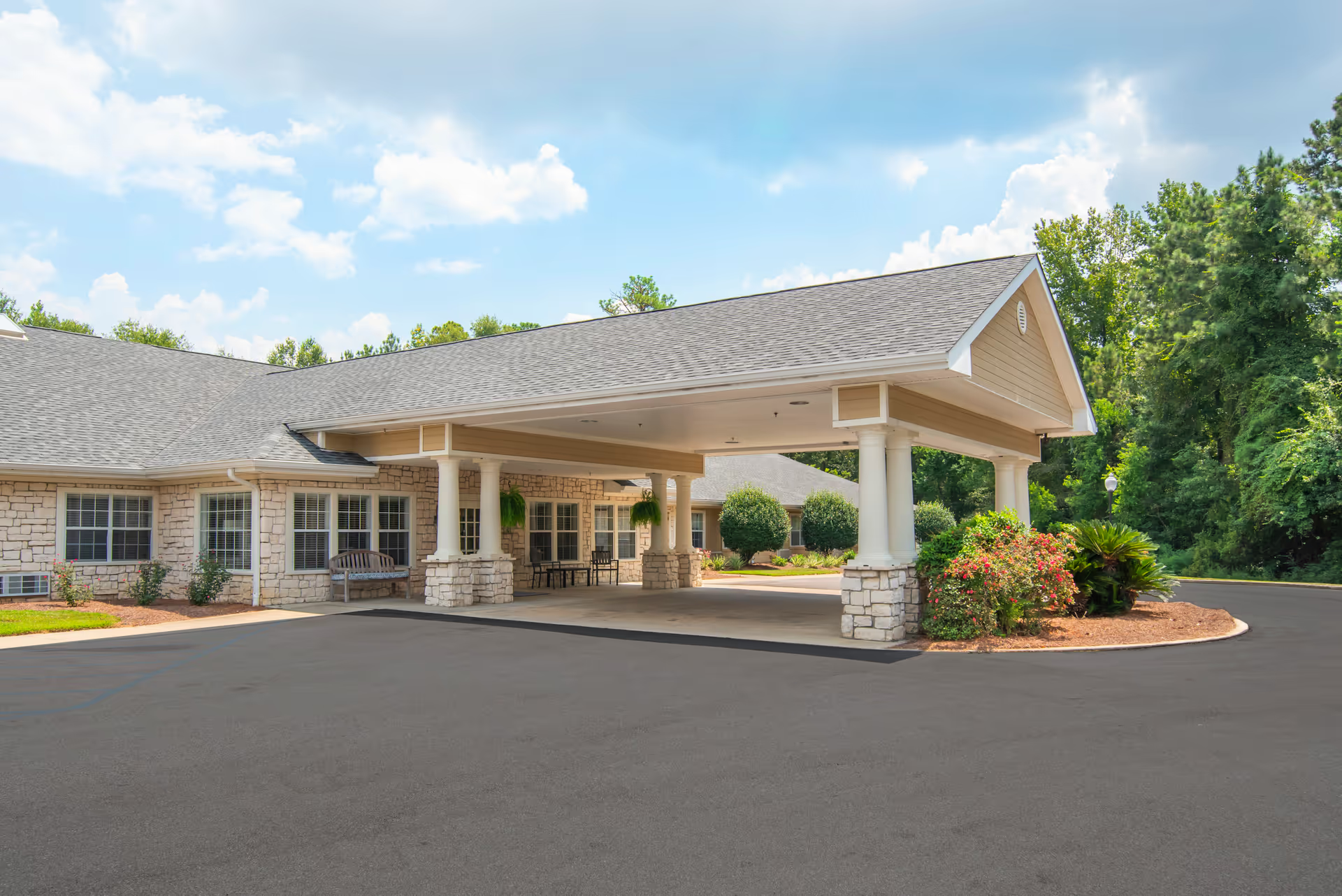
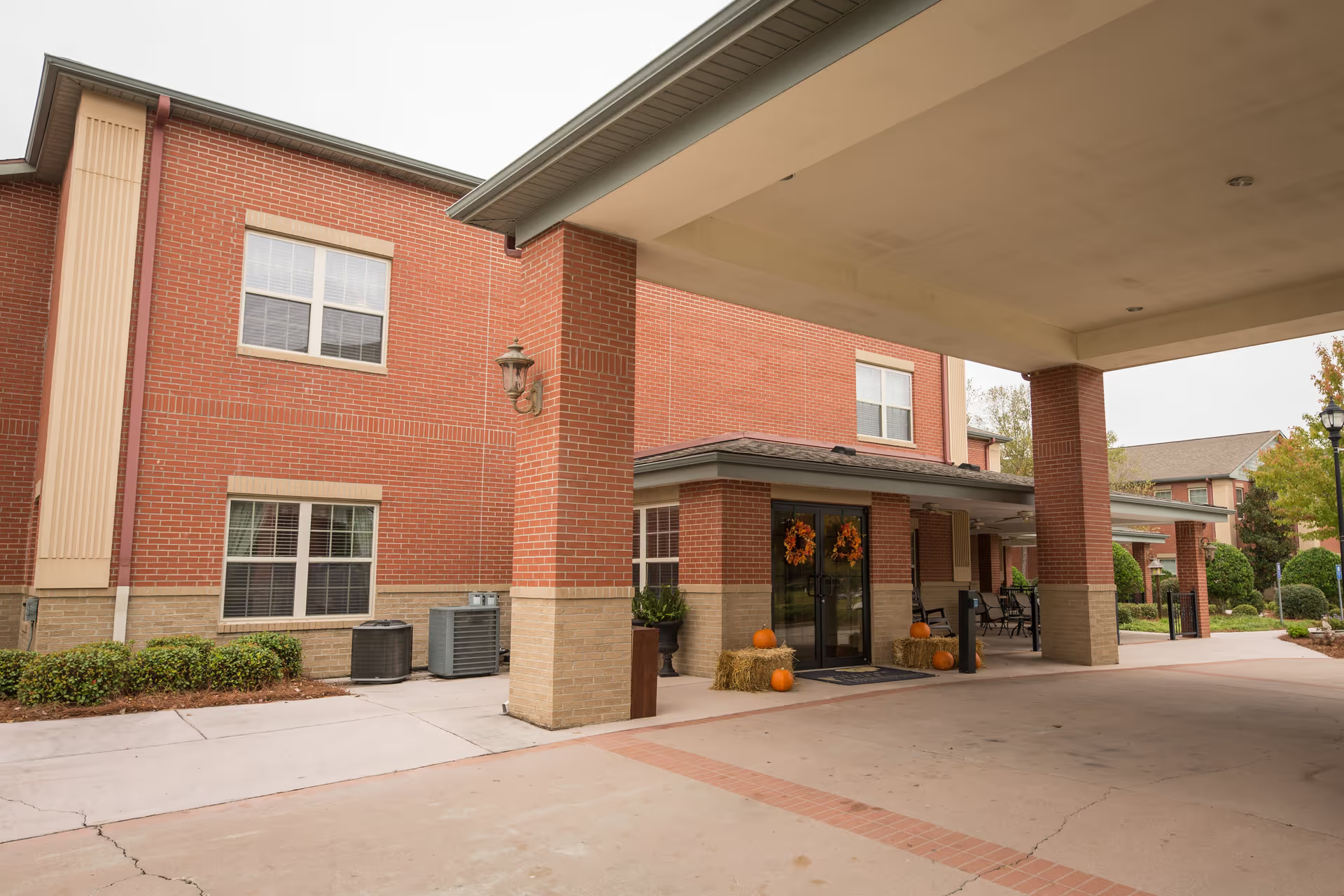
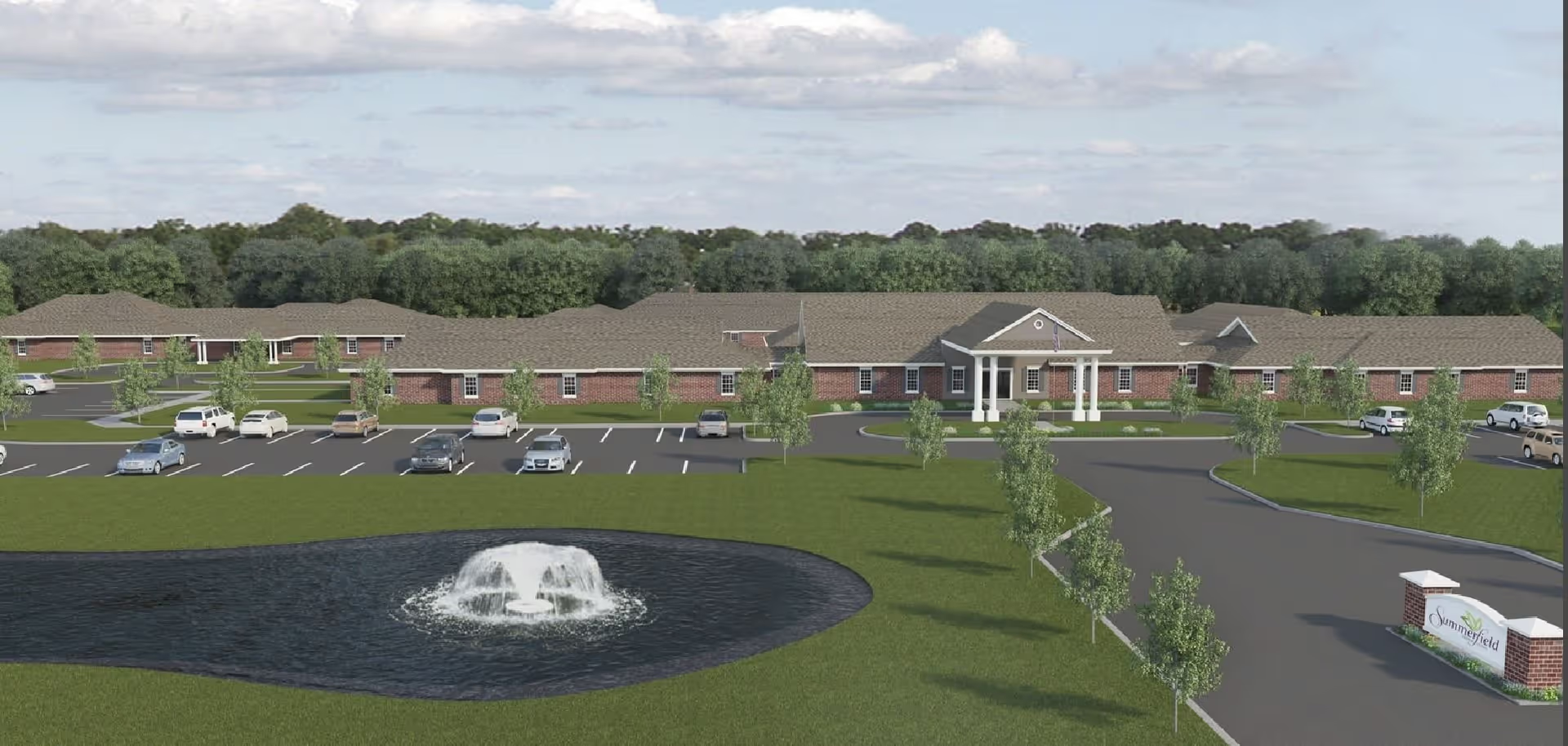
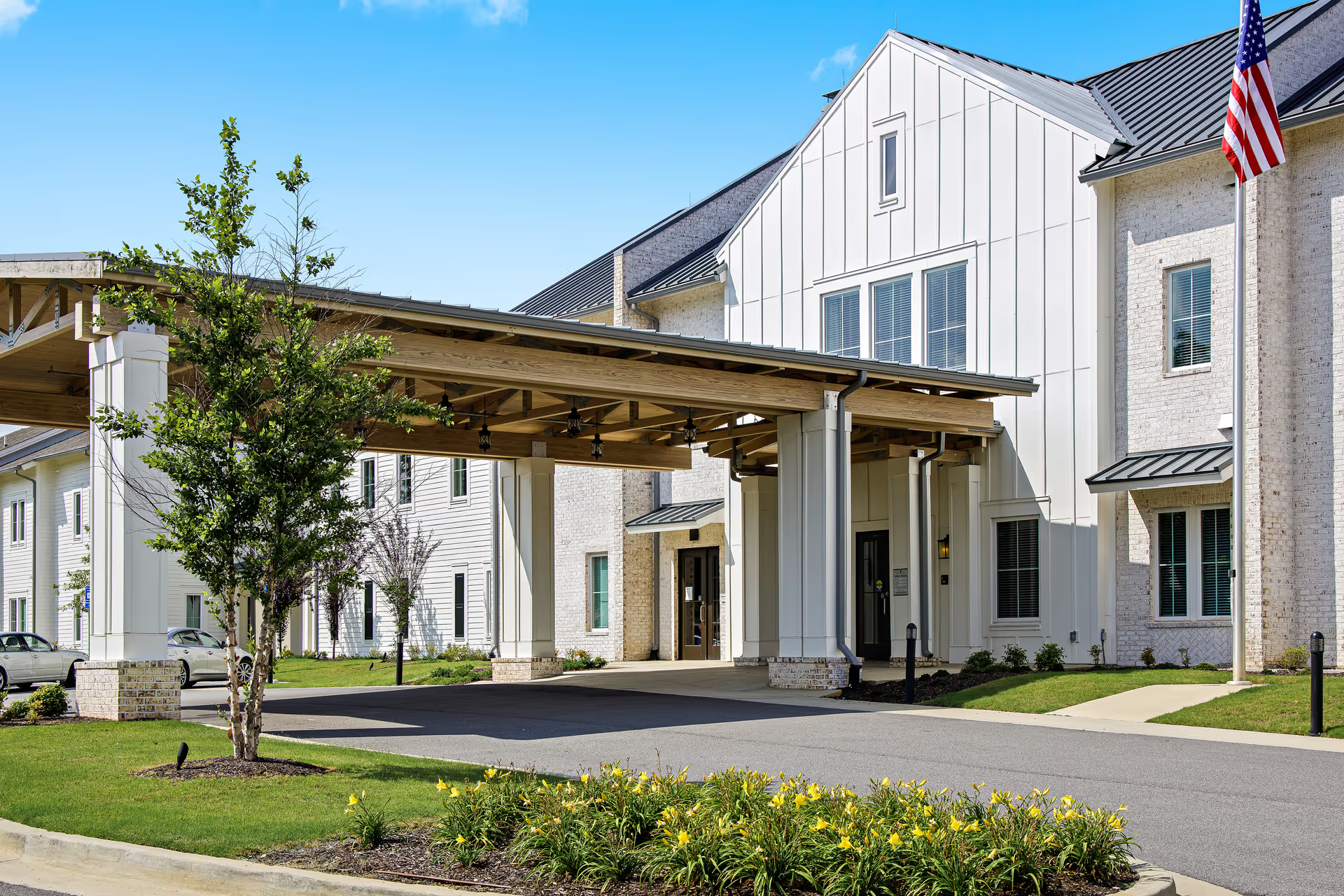
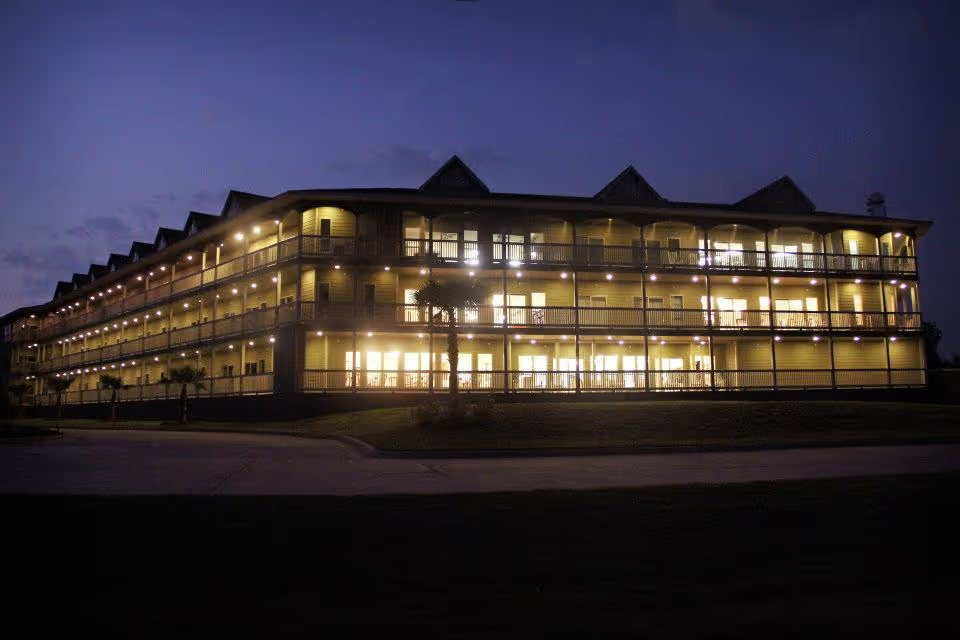
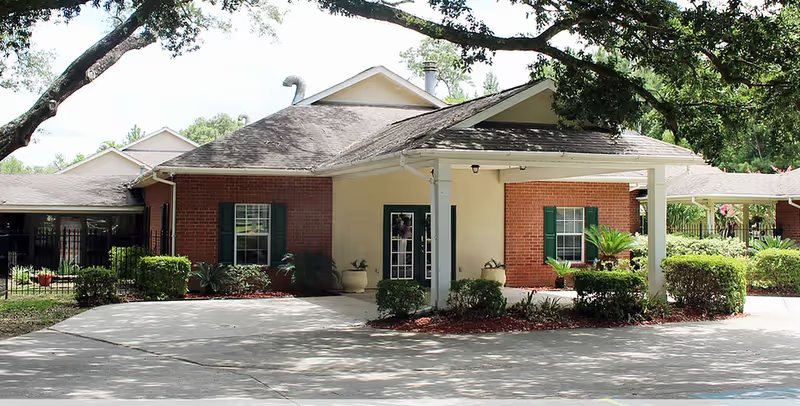
The Claiborne at Hattiesburg presents as a high-end, recently updated senior living community with many built-environment strengths: resort-style architecture, private and spacious apartment units (many with kitchens and large showers), attractive common spaces, and a broad set of on-site amenities including a theater, library, coffee shop, salon, post office, courtyards and a memory garden. Families consistently praise the cleanliness, contemporary finishes, and the condo-style feel of the residences. The community also offers in-house therapy and pharmacy services, scheduled transportation and outings, and active wellness programming that supports both assisted living and memory care residents.
Care and staffing evoke a mixed but instructive pattern. A substantial number of families describe attentive, compassionate caregivers and managers who provide individualized attention, smooth move-ins, prompt follow-up, and strong relationship-building with residents. Specific staff members and local leaders were repeatedly commended for professionalism and responsiveness. At the same time, other accounts point to staffing shortages, high turnover, and inconsistent conduct or responsiveness on some shifts. These operational weaknesses have translated, for some families, into clinically relevant concerns about memory-care oversight and the timeliness and tone of staff interactions. A few reviewers described incidents that prompted immediate relocation decisions; those accounts indicate risks around clinical oversight and family communication in certain cases.
Dining and activities are generally highlighted as strengths but with variability. Many reviewers praise the dining room atmosphere, social meals, and special events; several families reported very positive resident enjoyment of meals and frequent activities (holiday parades, bus trips, therapy-driven programs). However, there are recurring comments about inconsistent meal temperature, portioning, menu variety, and occasional service problems. The activities roster and community events are robust and appear to support resident engagement when staffing and coordination are steady.
Facility operations and management show both strong local leadership and areas needing improvement. Positive reports emphasize helpful tours, smooth transition processes, and proactive local managers who solve problems quickly. Conversely, common operational issues cited include billing discrepancies, maintenance delays or inconsistent repair quality, intermittent communications outages (phone downtime), and a perception that higher-level corporate response can be slow or insufficient when systemic problems are raised. These administrative issues have produced frustration in some family interactions and unresolved financial disputes in others.
Notable patterns for prospective families: experiences at the Claiborne tend to be polarized — many families describe excellent care, warm staff relationships, a full calendar of activities, and a comfortable physical environment; others report operational and clinical inconsistencies significant enough to prompt changes in placement. When evaluating the community, families may find it useful to ask specific, operational questions about current staffing levels and turnover, memory-care clinical oversight and emergency protocols, dining samples and portion policies, billing and refund procedures, maintenance response times and escalation pathways, and communication practices for shift handoffs and family updates. Such targeted inquiries will provide a clearer sense of whether the community’s strong amenities and local staff strengths align with a prospective resident’s care and oversight needs.