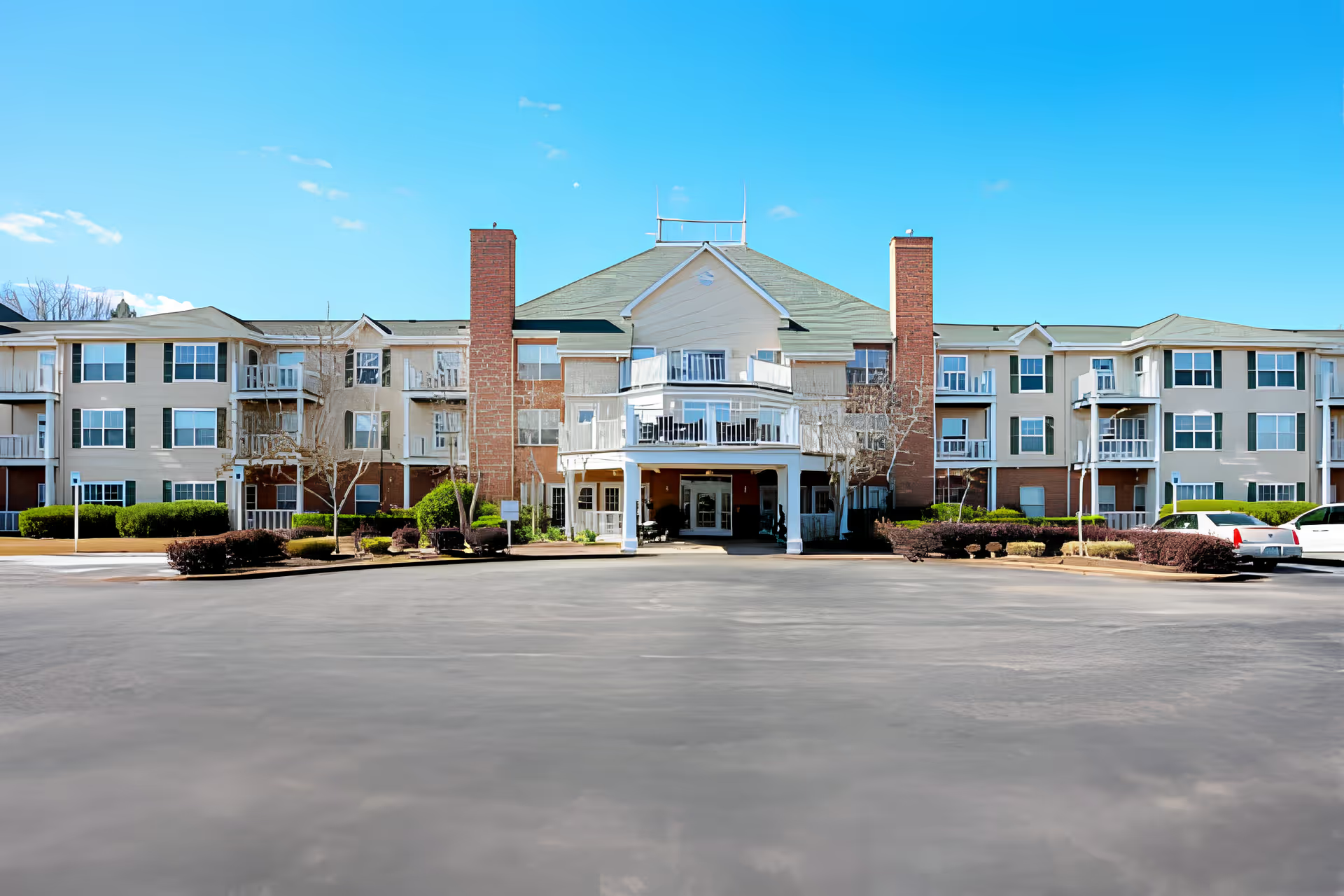
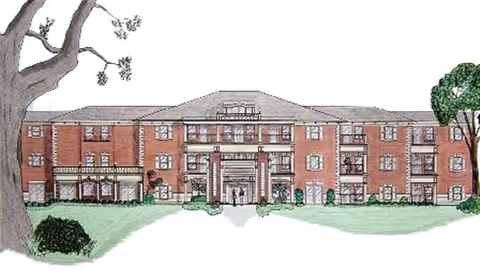
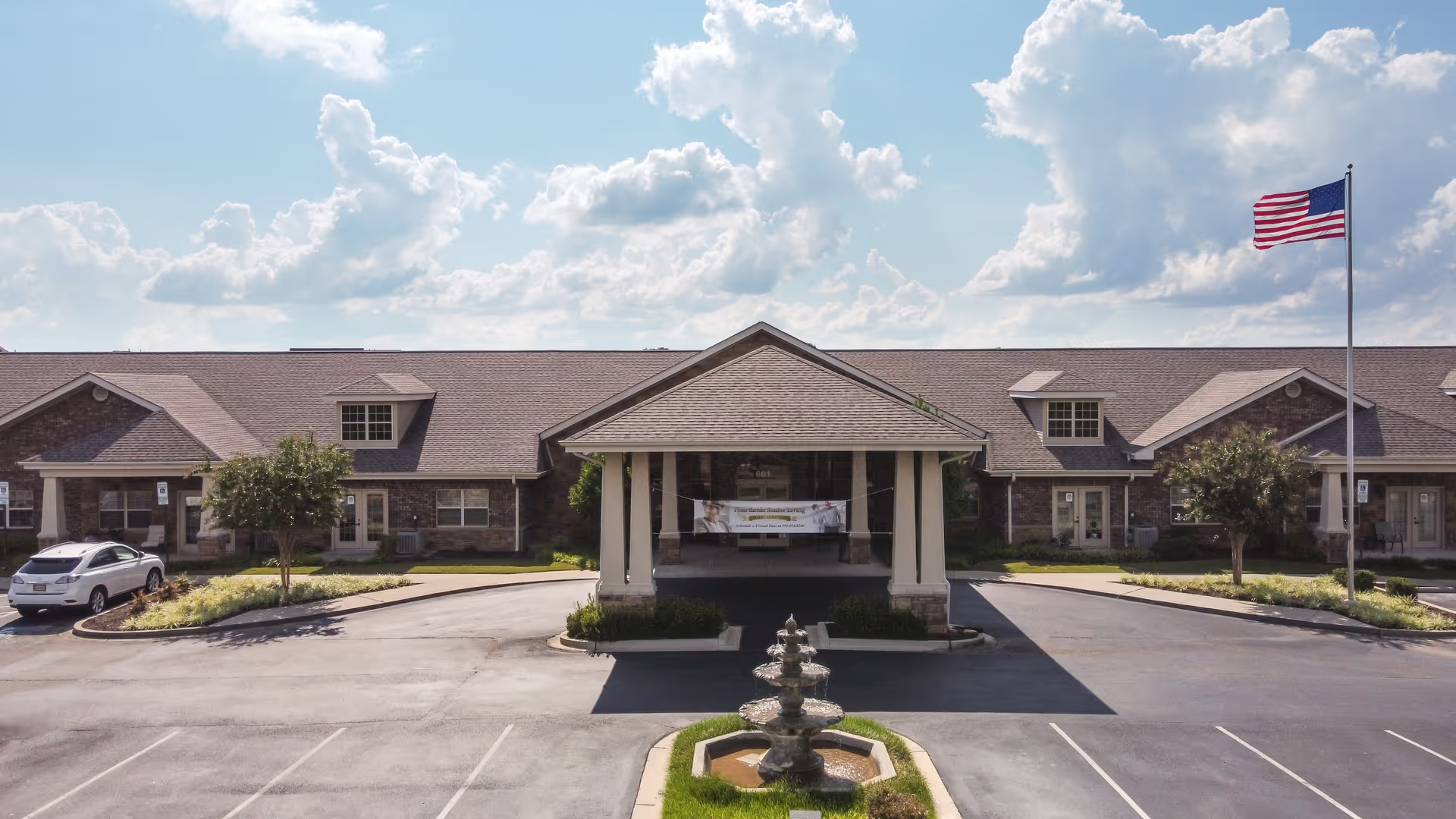
Overall impression: The Magnolia at Oxford Commons presents as a well-appointed assisted living community with several operational strengths and a generally high level of family satisfaction. Positive themes include robust on-site rehabilitation services, an engaged leadership team, attentive nursing during daytime hours, and a wide range of amenities that support a social, active lifestyle. Many families describe a smooth move-in and strong early acclimation, with staff who know residents by name and communicate regularly about events and status updates.
Care and clinical services: The facility's in-house therapy offerings (physical, occupational, and speech therapy) and daily exercise classes receive consistent praise; reviewers credit these services with meaningful functional improvements for residents. Nursing staff are often described as caring and responsive, and management is frequently characterized as supportive and professional. However, there are recurring operational concerns around personal-care assistance and medication management; these include inconsistent bathing support, delays in attending to personal-care needs, and uneven medication-administration practices. Memory-care families specifically cite staffing and program gaps that can affect supervision and engagement on certain days, particularly overnight or when hospice is not present.
Staff, community, and activities: The activities program and outings are a clear strength — reviewers highlight an upbeat activities coordinator, regular off-site trips, classes (flower arranging, devotionals, yoga), social events, and opportunities for residents to form friendships. Staff-level strengths include long-tenured employees, hands-on leadership, and frequent family communication. These elements contribute to a strong sense of community and perceived peace of mind among many residents and families.
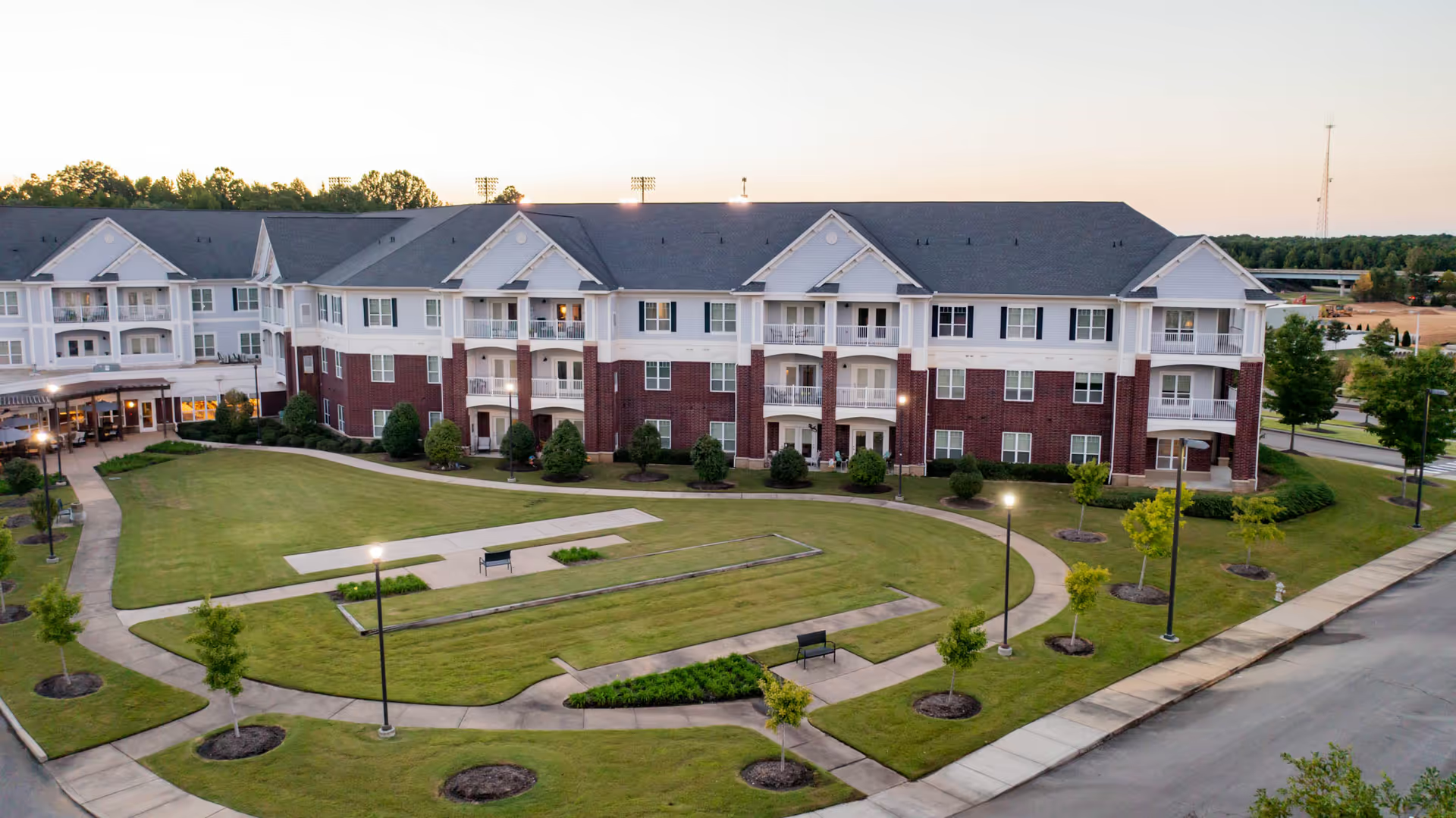
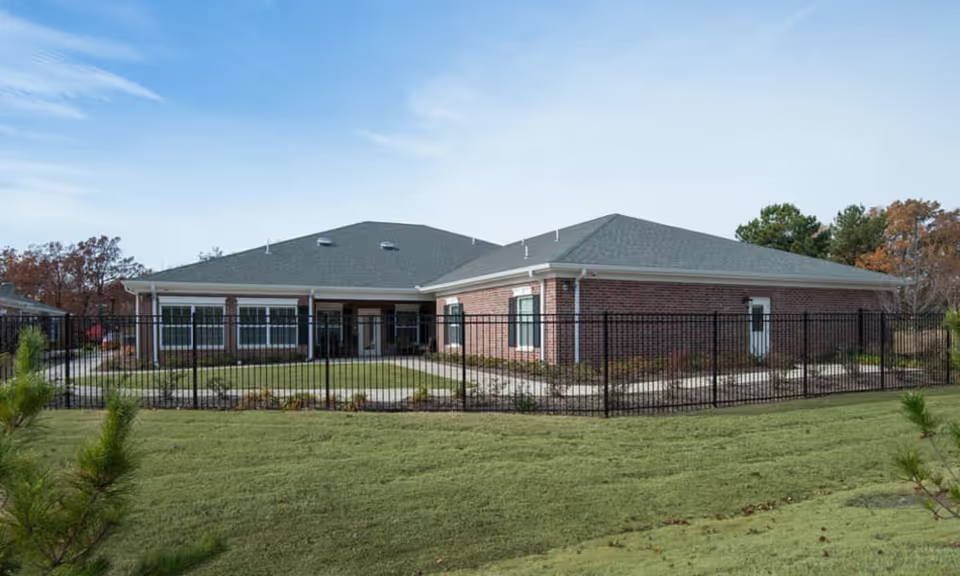
Dining, housekeeping, and facilities: Dining is described positively in many accounts — a chef-led program, menu choices, and accommodations for preferences are cited as highlights. At the same time, other families report variable meal quality and limited menu variety at times. Housekeeping and apartment services (weekly cleaning, linen changes, laundry) are commonly listed as included strengths. Facility amenities and aesthetics are frequently praised (clean appearance, attractive common areas, secure access), though reviewers also note intermittent maintenance delays and HVAC/air-conditioning reliability issues that can impact comfort.
Management and notable patterns: Leadership and admissions staff receive repeated commendation for professionalism and a seamless move-in experience. There are occasional references to ownership or management transitions; where concerns appear, they center on operational follow-through (maintenance responsiveness, after-hours escalation) rather than leadership warmth. Cost is a theme for several families who question value relative to service variability. Overall, the pattern is one of a well-resourced community with strong rehabilitation, activities, and daytime caregiving, paired with operational weaknesses that include inconsistent personal-care assistance, medication oversight variability, memory-care staffing gaps, and occasional facility-maintenance or comfort issues. Prospective residents and families should weigh the facility’s clinical and social strengths against these operational considerations, ask targeted questions about overnight staffing, medication protocols, maintenance response times, and menu rotation, and, if possible, speak with current memory-care families to understand day-to-day consistency.