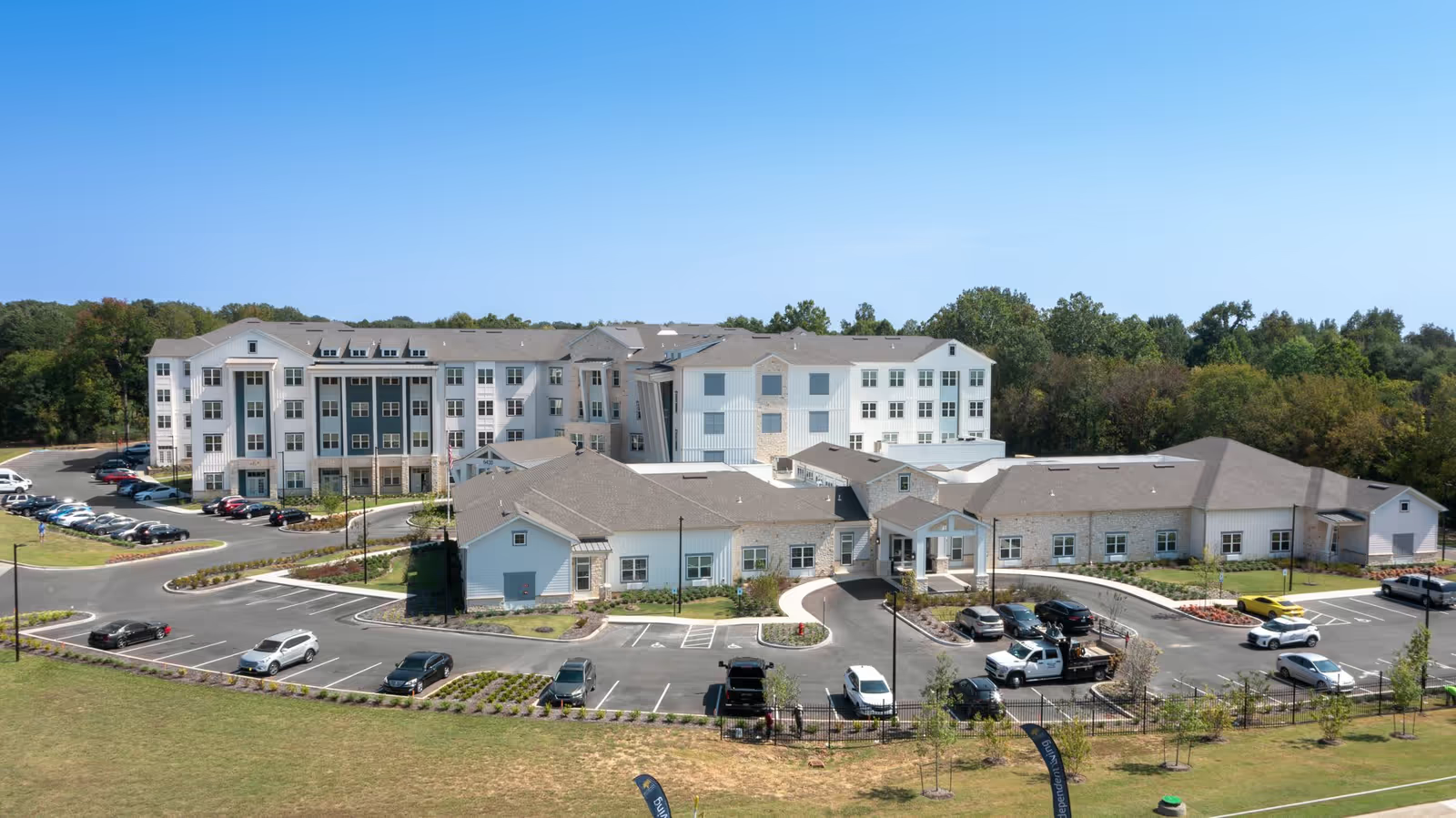
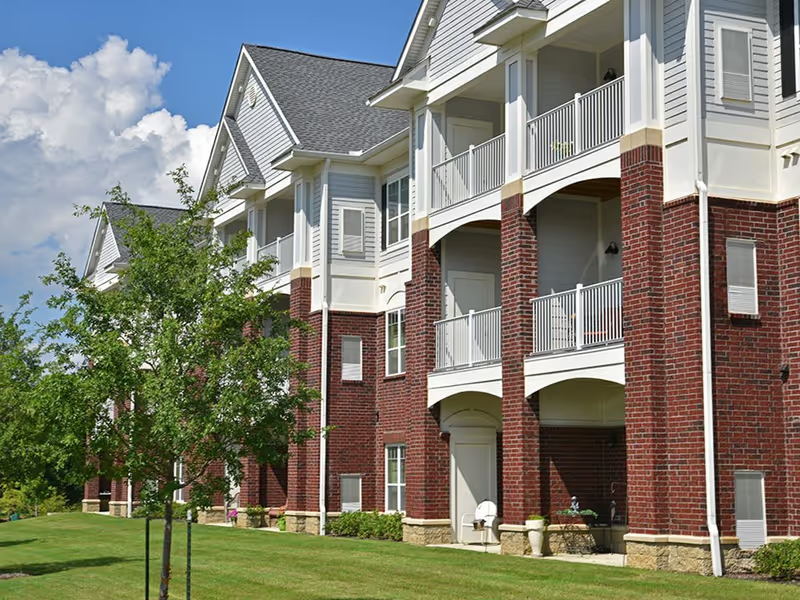
Overall impression: Reviews of Diversicare of Shelby present a mixed picture. Many families describe a warm, small-community atmosphere with staff who are caring and attentive; others raise significant clinical and operational concerns. The facility appears capable of providing effective short-term rehabilitation and personalized attention in some cases, but experiences are uneven, and several themes recur that prospective residents and families should evaluate during a visit.
Care and clinical oversight: Positive accounts emphasize professional nursing and therapy teams that helped residents regain function and respected individual schedules. Conversely, other reviews describe inconsistent clinical performance — delayed responses to call lights, intermittent assistance with activities of daily living, and concerns about pressure-injury prevention and thrombosis risk. There are also reports of gaps in documentation and in the execution of physician orders. Taken together, these suggest variable care continuity and an uneven application of clinical protocols across shifts or units.
Staff, professionalism, and communication: Staff are frequently characterized as kind, respectful, and relationship-oriented; several families highlighted particular staff members and an administrator as sources of strong leadership and compassion. However, other reviewers noted variable professionalism and tone, delayed or nonresponsive phone and administrative communications, and difficulty reaching business-office contacts. These contrasting descriptions indicate that interpersonal interactions are a strength in many situations but may be inconsistent depending on staffing and administrative workflows.
Dining, therapy, activities, and facilities: Some residents and visitors describe a clean, home-like environment with enjoyable visits, festive programming, and therapy that supports recovery. At the same time, reviewers raised concerns about inconsistent meal quality and satisfaction with dining. Therapy availability and duration were described as beneficial when delivered as planned but inadequate or abbreviated in other instances. Housekeeping and sanitation were praised by some and criticized by others, suggesting variability in environmental standards.
Management and notable patterns: Operational issues identified across reviews include unreliable phone systems, breakdowns in family communication, and occasional failures to follow physician instructions promptly. There are also serious allegations regarding billing or Medicare/Medicaid practices; these are episodic but warrant careful inquiry. The overall pattern is one of pronounced variability — strong, compassionate caregiving and competent therapy in many cases, alongside episodic lapses in responsiveness, documentation, and environmental consistency.
What to check during a visit: Prospective residents and families should observe staffing levels during different shifts, ask for the facility’s protocols on wound care and thrombosis prevention, review recent therapy schedules and session lengths, sample a meal, and test phone/administrative responsiveness. Request copies of care plans and recent physician-order communications, and ask about billing practices and oversight. Direct observation and specific questions will help determine whether the facility’s strengths align with an individual resident’s priorities and clinical needs.