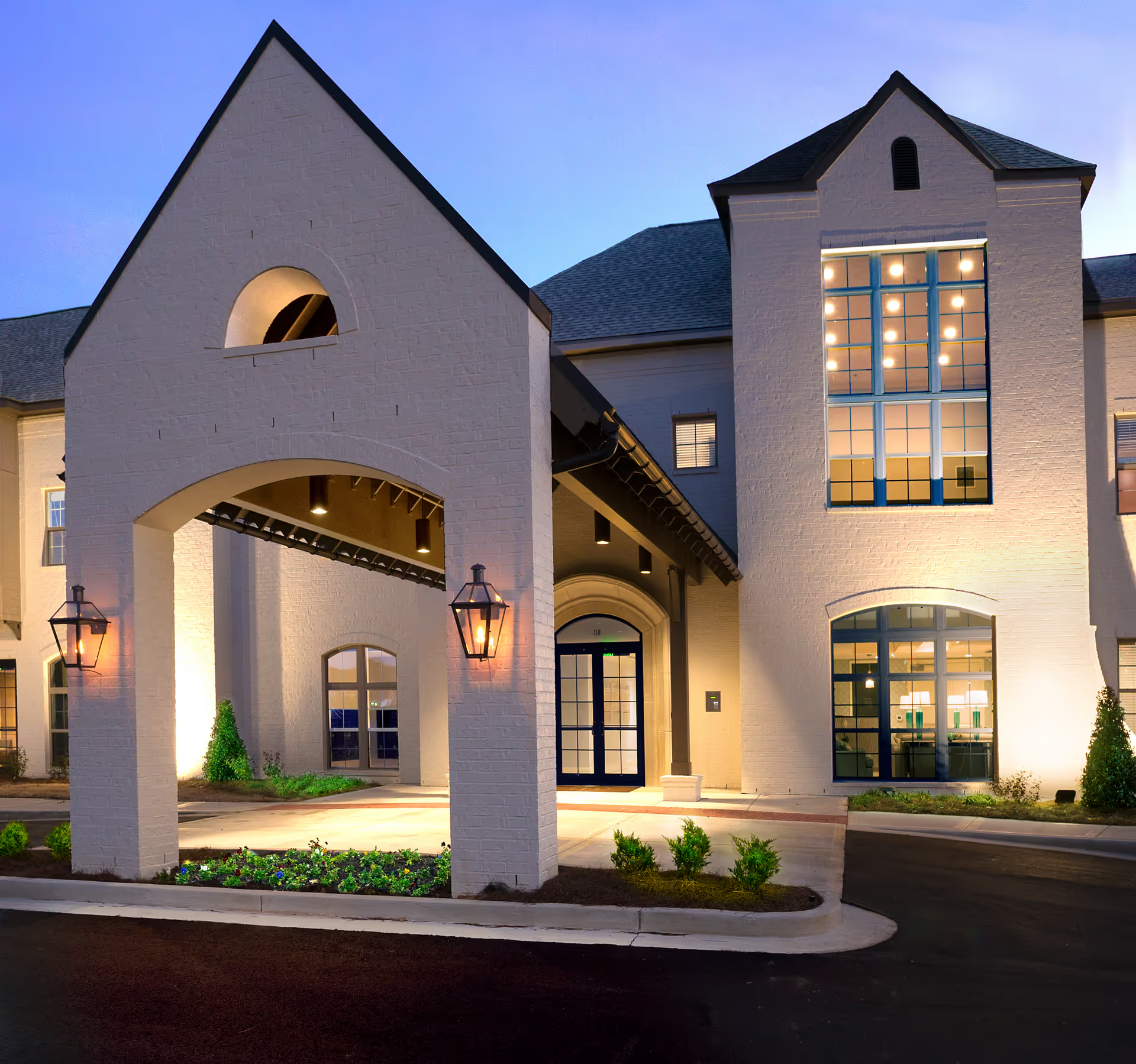
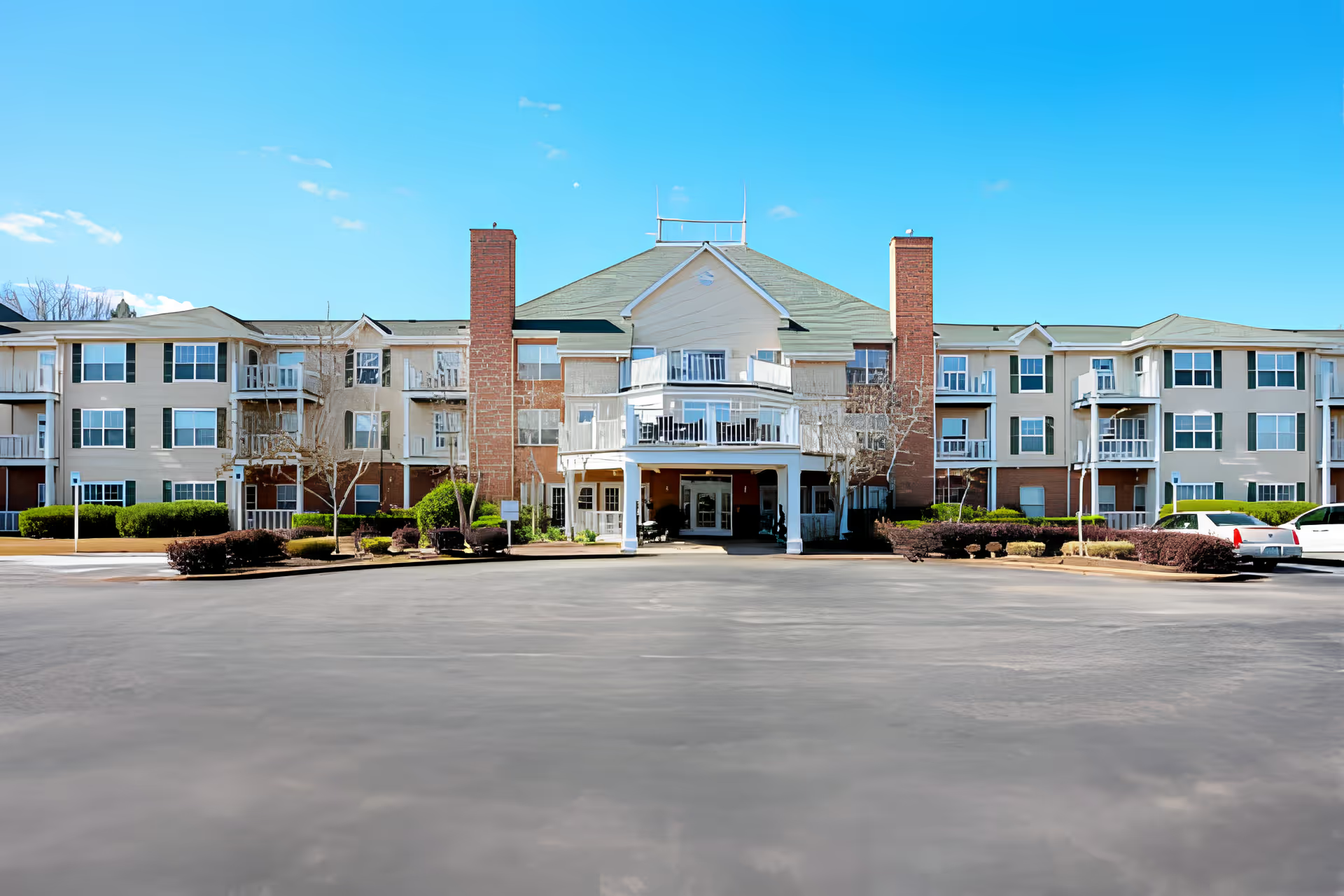
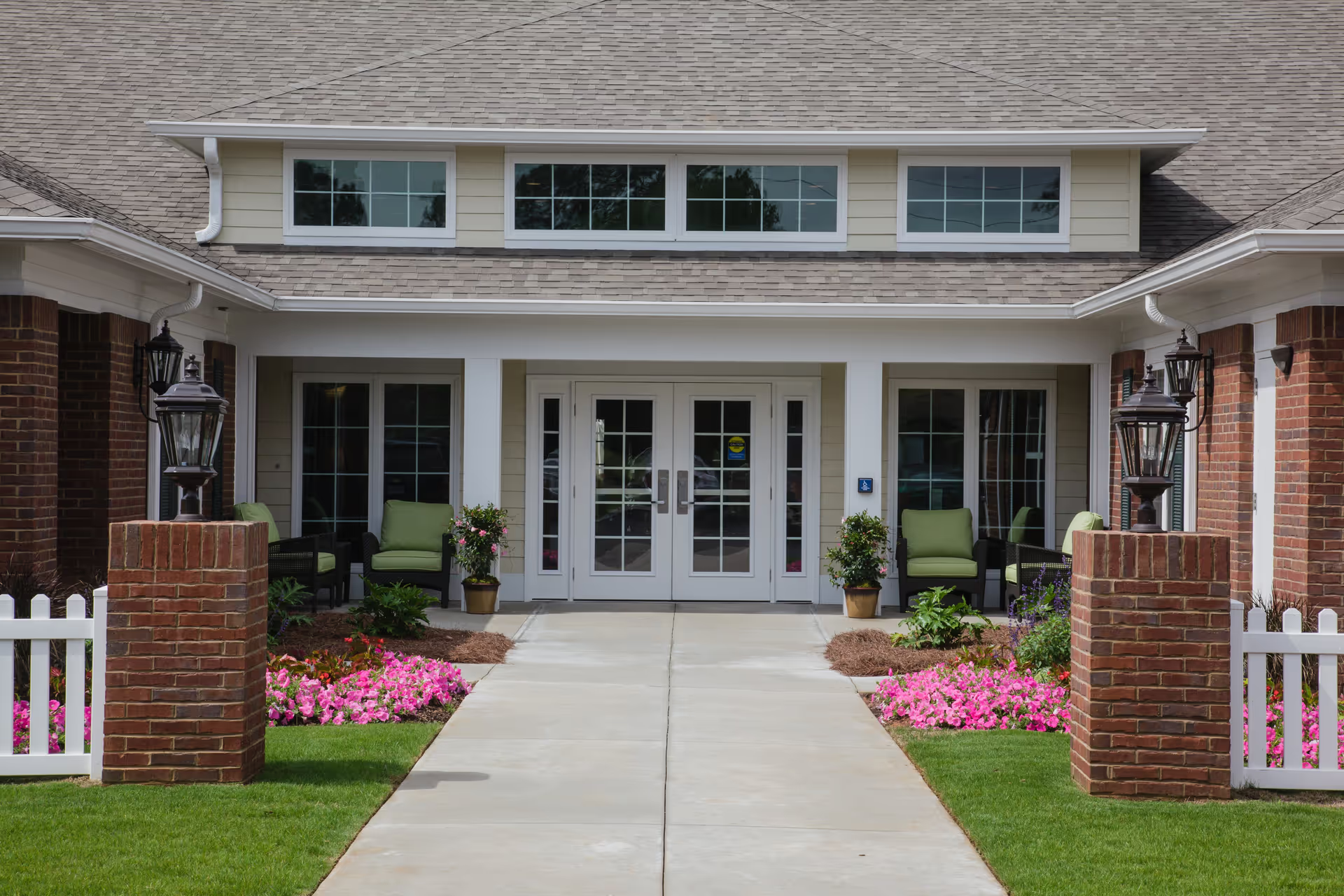
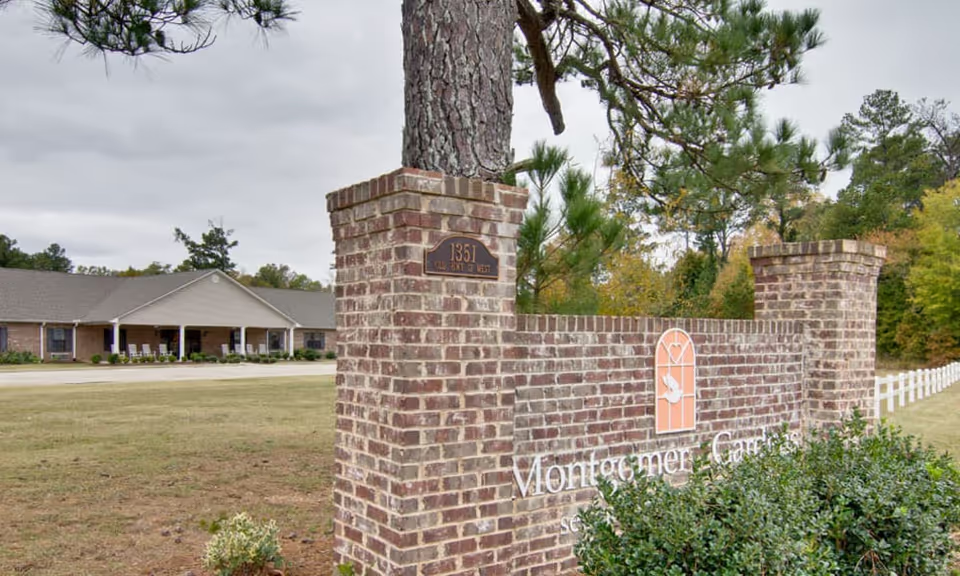
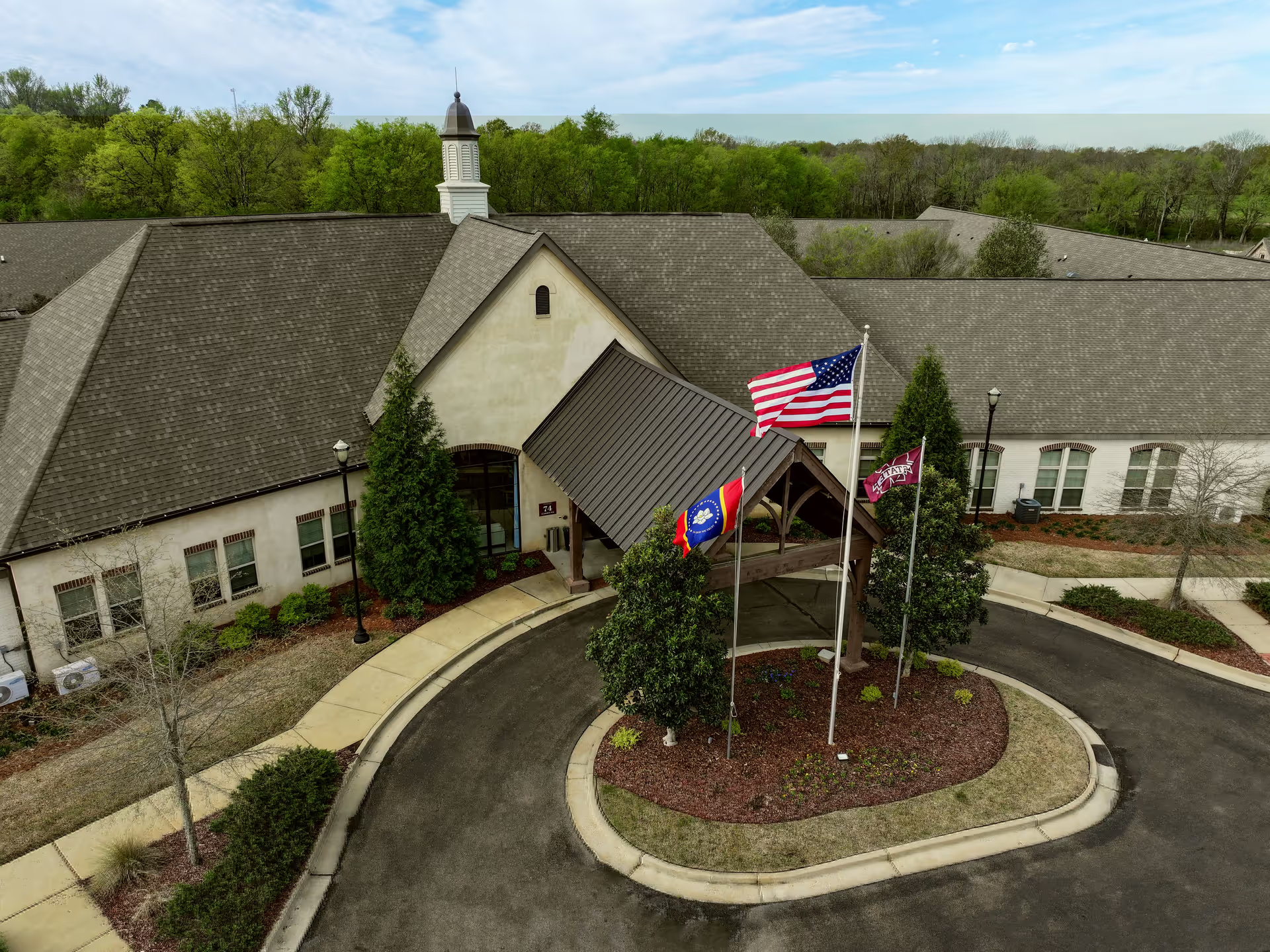
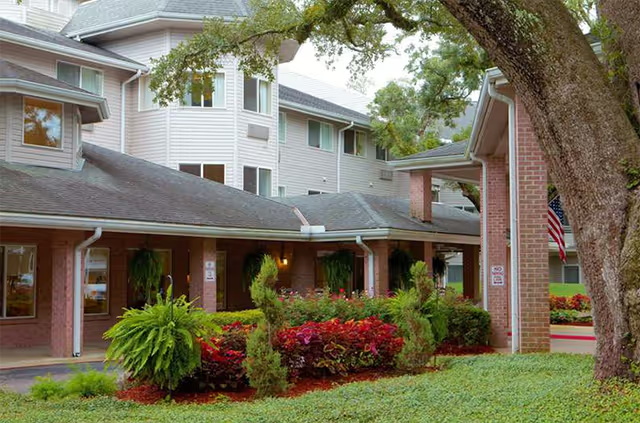
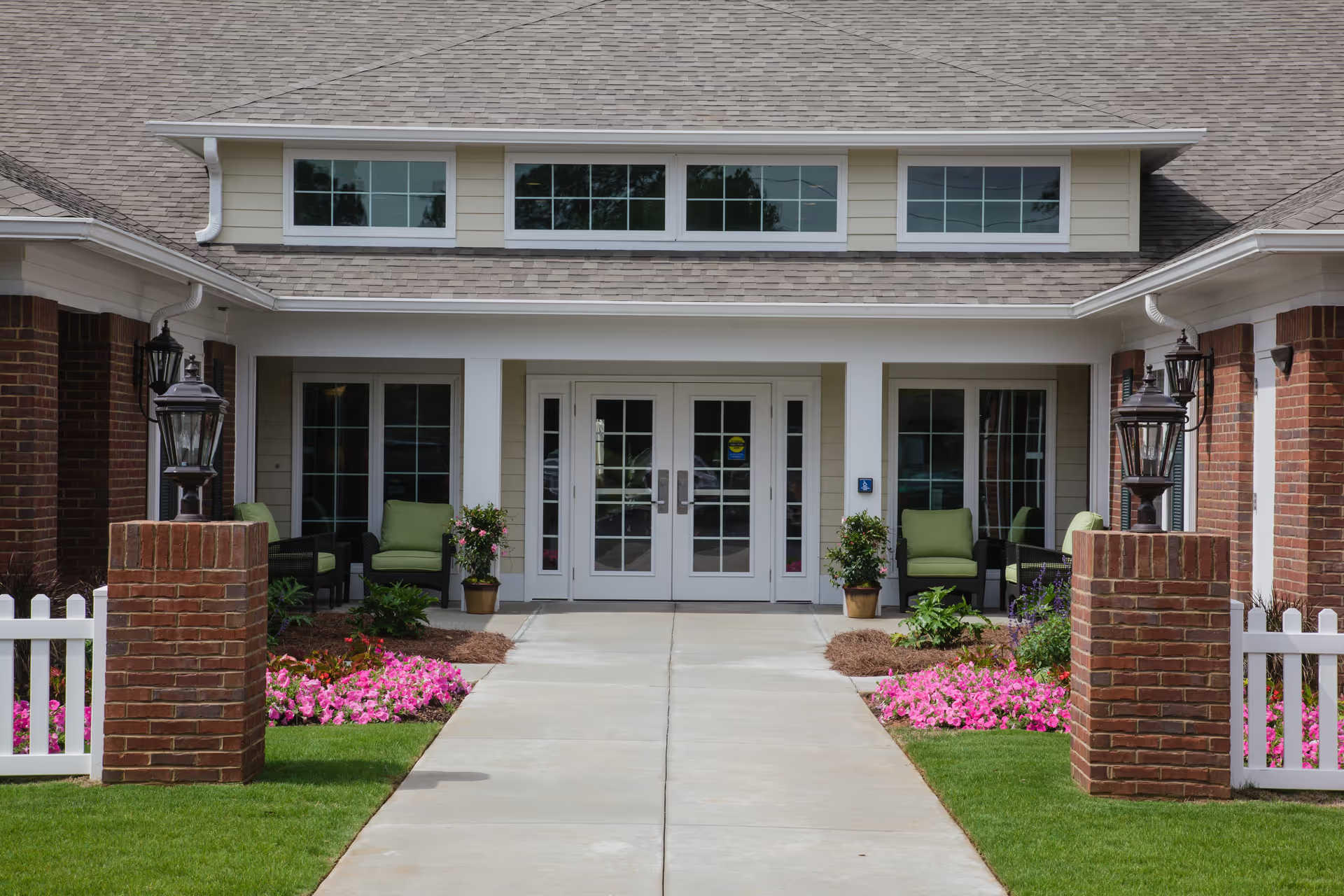
Overall impression: Magnolia Manor Tupelo elicits a mixed but largely community-oriented impression. Many comments highlight a clean, attractive, boutique-style facility with a welcoming resident population and a range of on-site amenities. Families described helpful move-in assistance and visible efforts at housekeeping, laundry, and room upkeep; several reviewers cited specific staff members and admissions personnel as knowledgeable and responsive. At the same time, experiences vary noticeably between families, producing a polarized set of perceptions about day-to-day operations.
Care and clinical oversight: Clinical strengths include attentive caregiving by some nurses and staff who ensure daily medication delivery and individualized attention for dietary or medication needs. Named staff received positive mention for consistent follow-through. However, there are recurring concerns about inconsistent medication-management processes and uneven clinical coverage, including uncertainty about nighttime aide availability and occasions when no nurse was immediately reachable. Prospective families should clarify on-call arrangements, medication administration protocols, and overnight staffing during tours.
Staff and management: Staffing is described as a strong point by many—friendly, accommodating, and compassionate—yet other accounts point to variability in professionalism, responsiveness, and tone. Administrative responsiveness is similarly mixed: admissions coordination and some leaders have been praised, while other family members described slow or unclear communication from management and specific breakdowns in follow-up. This pattern suggests uneven supervisory oversight and variable staff training or turnover in places.
Dining and activities: The facility offers three meals daily, with snacks and accommodations for dietary needs, and multiple reviewers praised the kitchen and communal dining. At the same time, others marked dining quality as inconsistent. Activity programming is a clear asset for many residents: a diverse activity calendar, music groups, and salon services contribute to engagement. However, several accounts indicate that programming for residents with memory impairment can be limited or less consistent than for the general population, and loneliness or need for more targeted support groups was noted.
Facilities and safety: The building is frequently described as clean, well-kept, and free of pervasive odors; the small, boutique atmosphere is repeatedly cited as comforting. Conversely, some reviews raise sanitation and housekeeping inconsistencies and mention safety-control lapses such as unsecured doors or insufficient supervision of residents who require wandering management. These are operational concerns rather than universal conditions, but they bear directly on resident safety and should be explored with staff (e.g., wandering protocols, door-locking procedures, and room-security processes).
Patterns and recommendations for families: The dominant pattern is variability—strong positives in staff engagement, admissions support, activities, and facility presentation coexist with operational weaknesses in staffing consistency, medication controls, housekeeping standards, and administrative communication. Experiences appear to range from highly satisfied to sufficiently concerned that families relocated residents. For prospective residents, prioritize an in-person tour during a mealtime and activity period; ask specific questions about staffing ratios and night coverage, medication administration and reconciliation procedures, memory-care programming, housekeeping schedules, and how management handles family communications and service discrepancies. Clear answers in these areas will help determine whether the facility’s strengths align with an individual resident’s needs.