Overall impression: The Goldton at Adelaide presents as a well‑appointed senior living community with consistently positive feedback about front-line staff, programming, dining, and facilities. Reviewers repeatedly highlight compassionate nursing care, a broad activities calendar, pleasant dining, and clean, attractive grounds. At the same time, there are recurring operational themes that prospective residents and families should evaluate during a tour and in contract negotiations.
Care and staff: Clinical and caregiving staff receive the strongest praise. Comments emphasize knowledgeable, hardworking nurses and caregivers, regular check‑ins, effective rehabilitation/therapy outcomes, and a caring bedside manner that contributes to residents’ safety and quality of life. Memory-care areas are described as having around‑the‑clock clinical coverage. However, there are also consistent mentions of inconsistency in management responsiveness and a perception that individualized care planning can be uneven; some families felt care became less attentive over time. Prospective families should ask about current staffing ratios, turnover, and processes for updating individualized care plans.
Dining and activities: Dining is frequently described as a positive feature — varied menus, accommodated dietary restrictions, and pleasant dining venues. The activities program is a clear strength: residents enjoy a wide range of options (creative classes, devotionals, outings, movies, shopping trips) and organized transportation for off‑campus events. That said, reviewers noted policies that require meals in common areas and some mandatory community activities, which can limit resident choice. Clarify meal‑seating options and activity participation expectations if autonomy around daily routines is important.
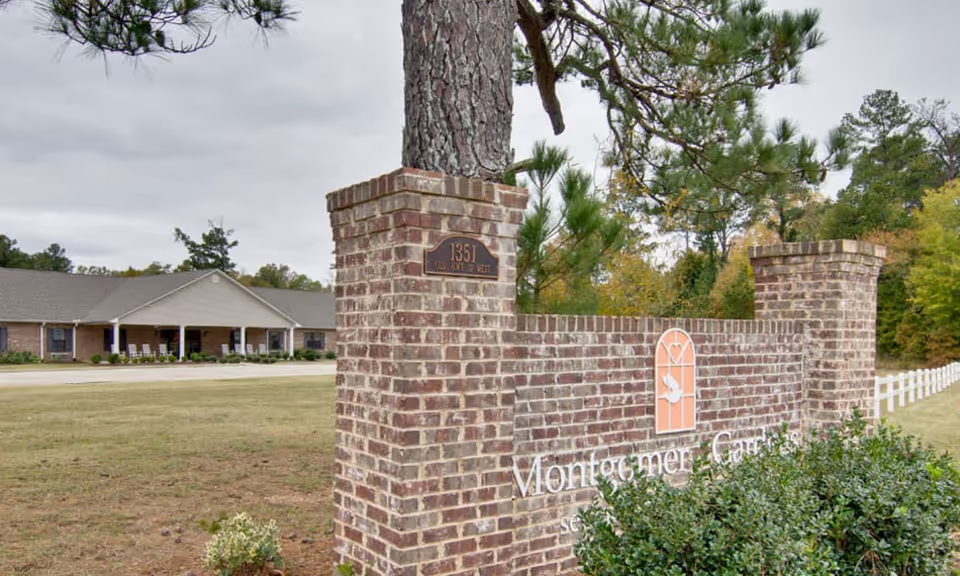
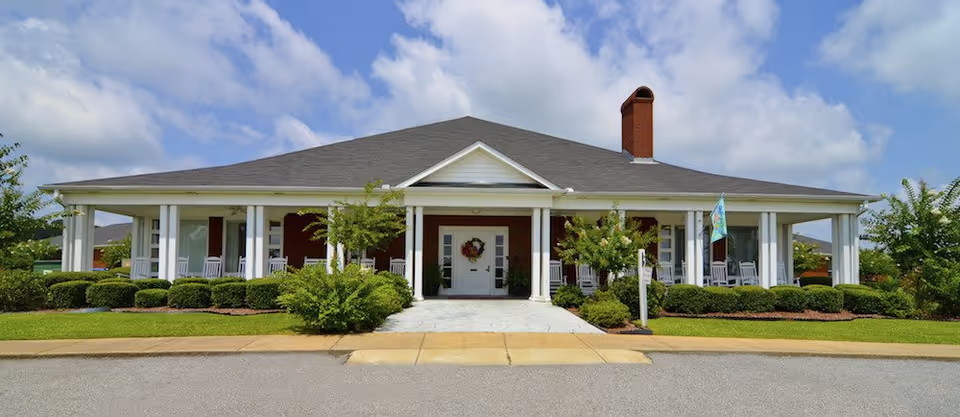
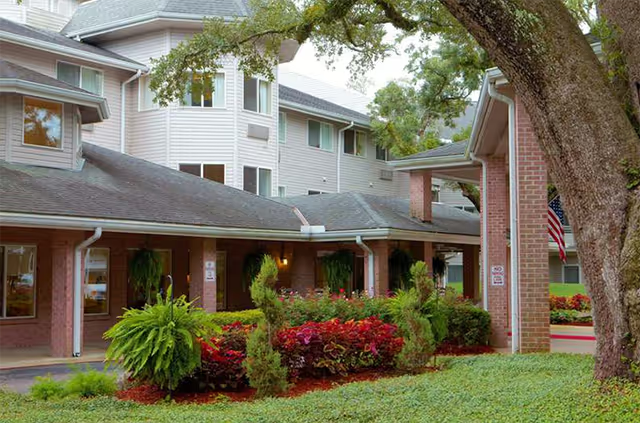
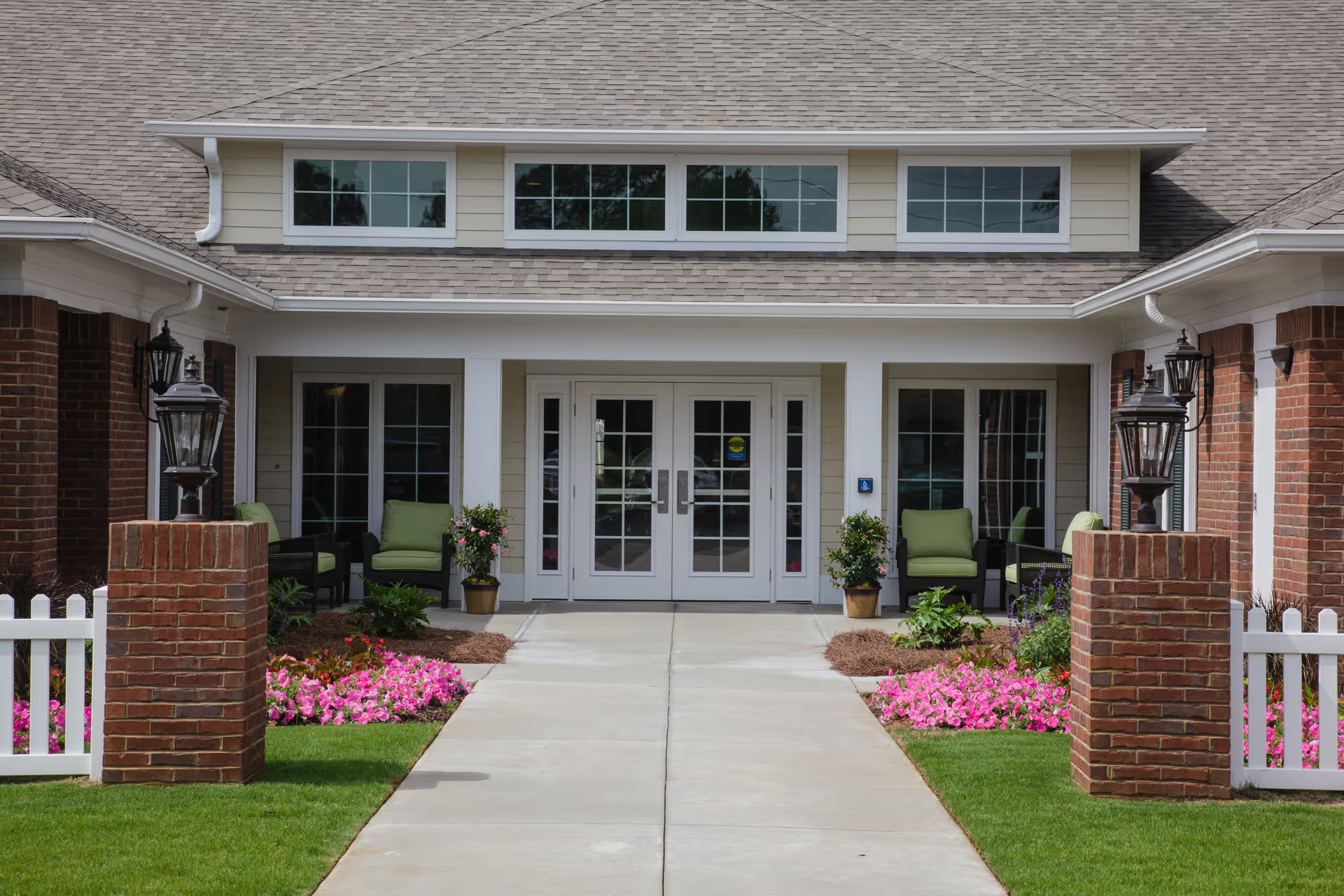
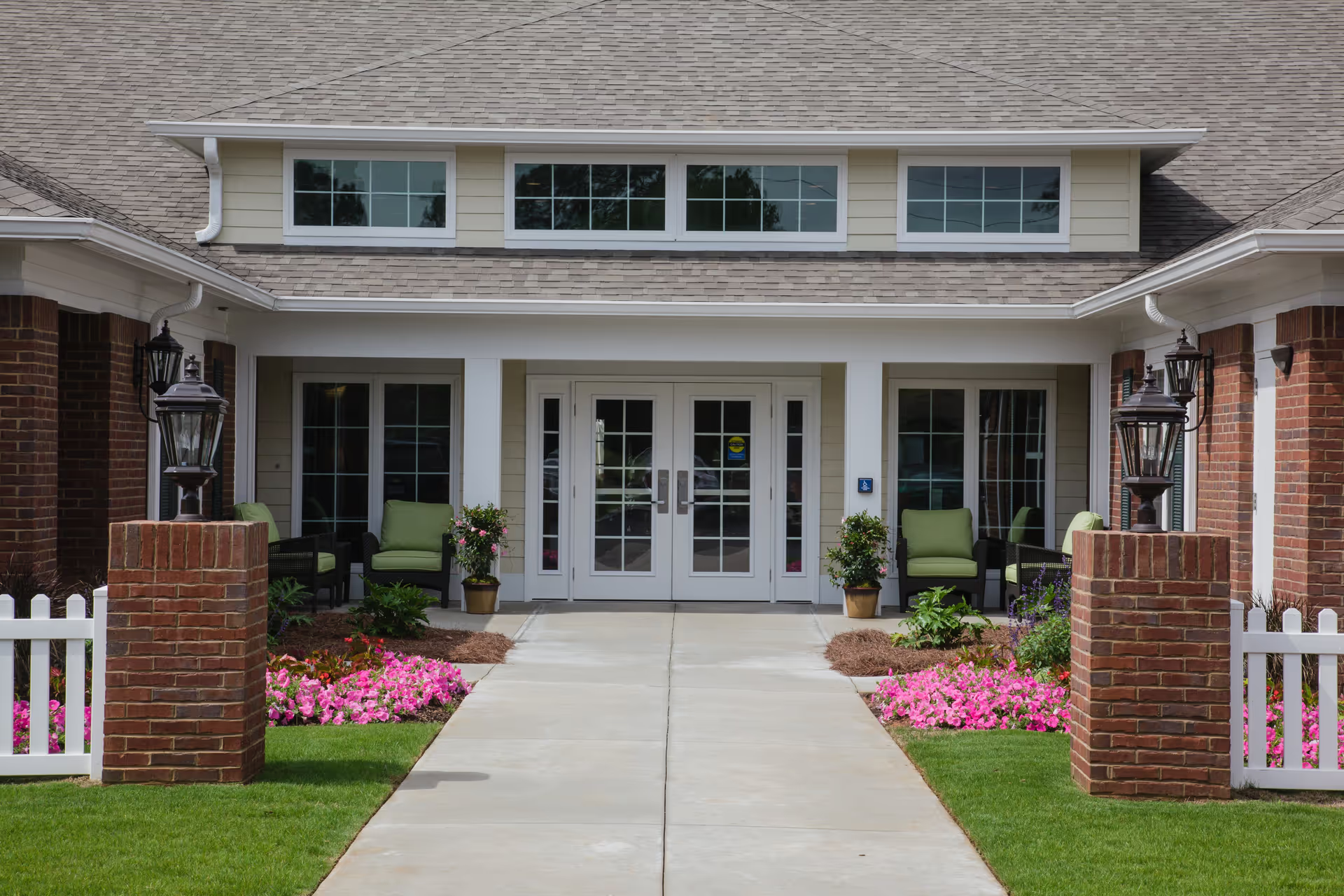
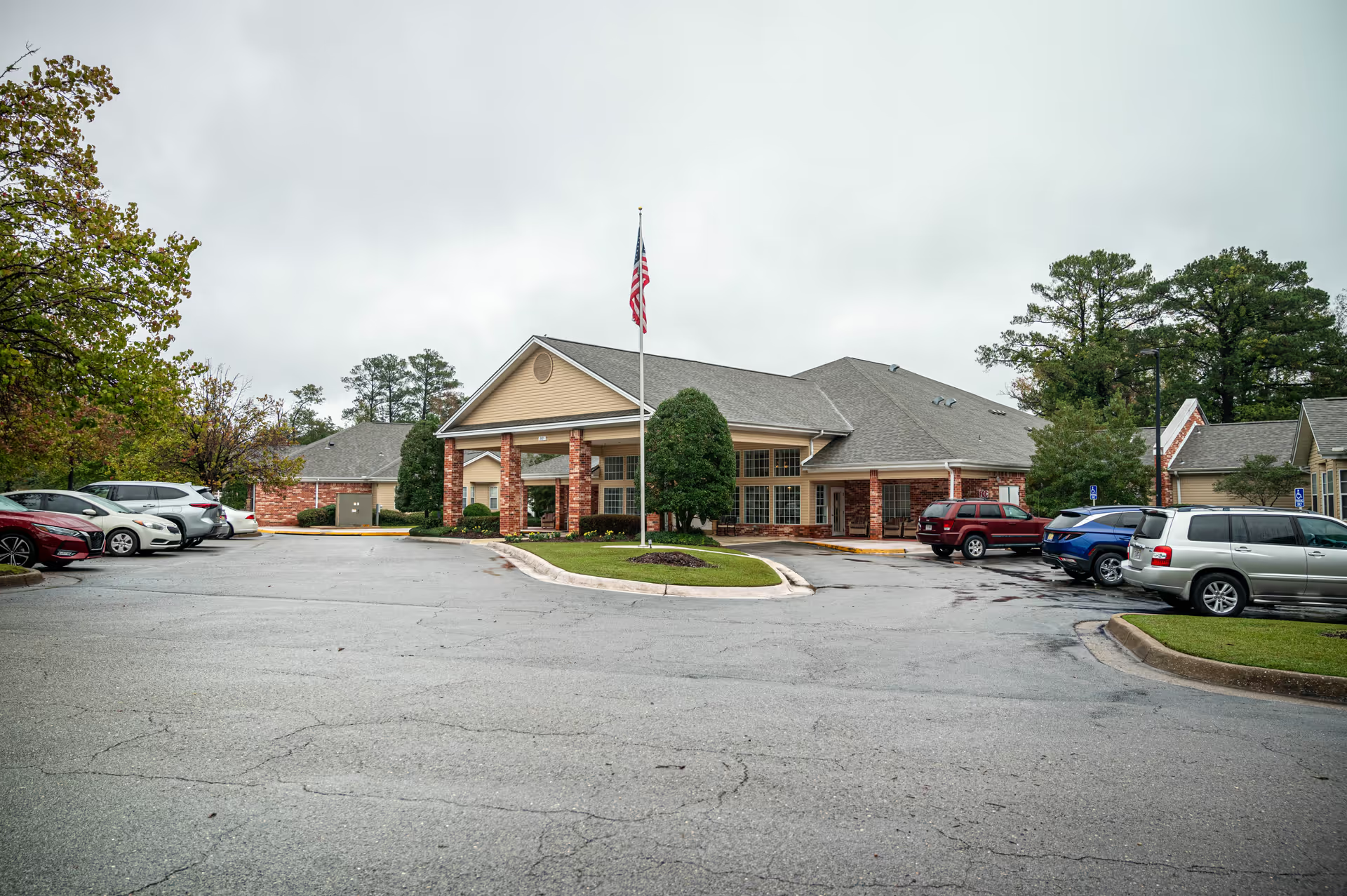
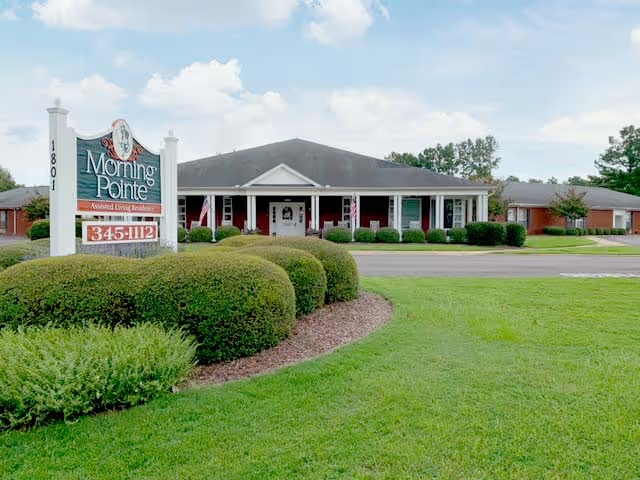
Facilities and amenities: The physical plant and campus amenities draw strong approval. Reviewers cite spotless common areas, well‑maintained cottages/apartments, a beautiful courtyard with bird feeders, and dedicated spaces such as a theatre and therapy unit. Proximity to services and ease of visiting were also highlighted. The overall environment is consistently described as attractive and comfortable.
Management, cost transparency, and policies: Several comments raise concerns about transparency around fees and certain operational policies. Specific examples cited include advance charges for 24/7 sitter arrangements that families said were not clearly communicated and disputes over deposits. There are also notes about a rigid wake‑up schedule and other routine policies that may restrict resident autonomy. These reflect broader issues of opaque billing practices and policy inflexibility rather than isolated incidents. During touring and contracting, prospective residents should request written explanations of all fees, deposit terms, sitter/ancillary service charges, and daily routine policies.
Notable patterns and recommendations: The dominant positive pattern is strong, compassionate front‑line care and an active, well‑resourced community life. The dominant cautions relate to management communication, transparency of financial and routine policies, and occasional variability in care consistency or staffing levels. Recommended due diligence includes reviewing the contract for fee disclosures, asking for current staffing ratios and turnover statistics, observing meal and activity options for resident choice, and speaking directly with memory‑care leadership about program content versus marketing materials. These steps will help families weigh the facility’s clear strengths against the operational traits noted above.