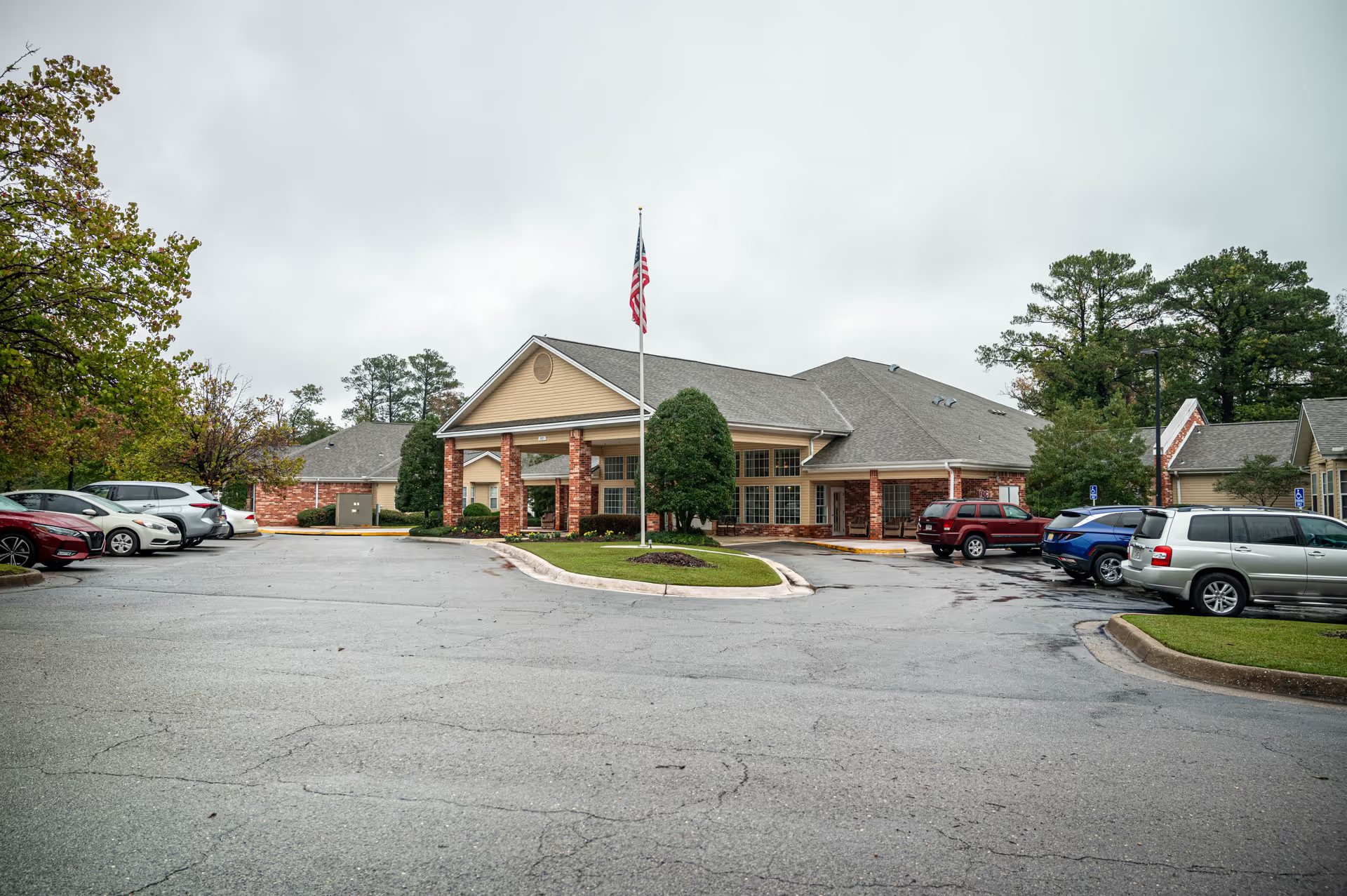
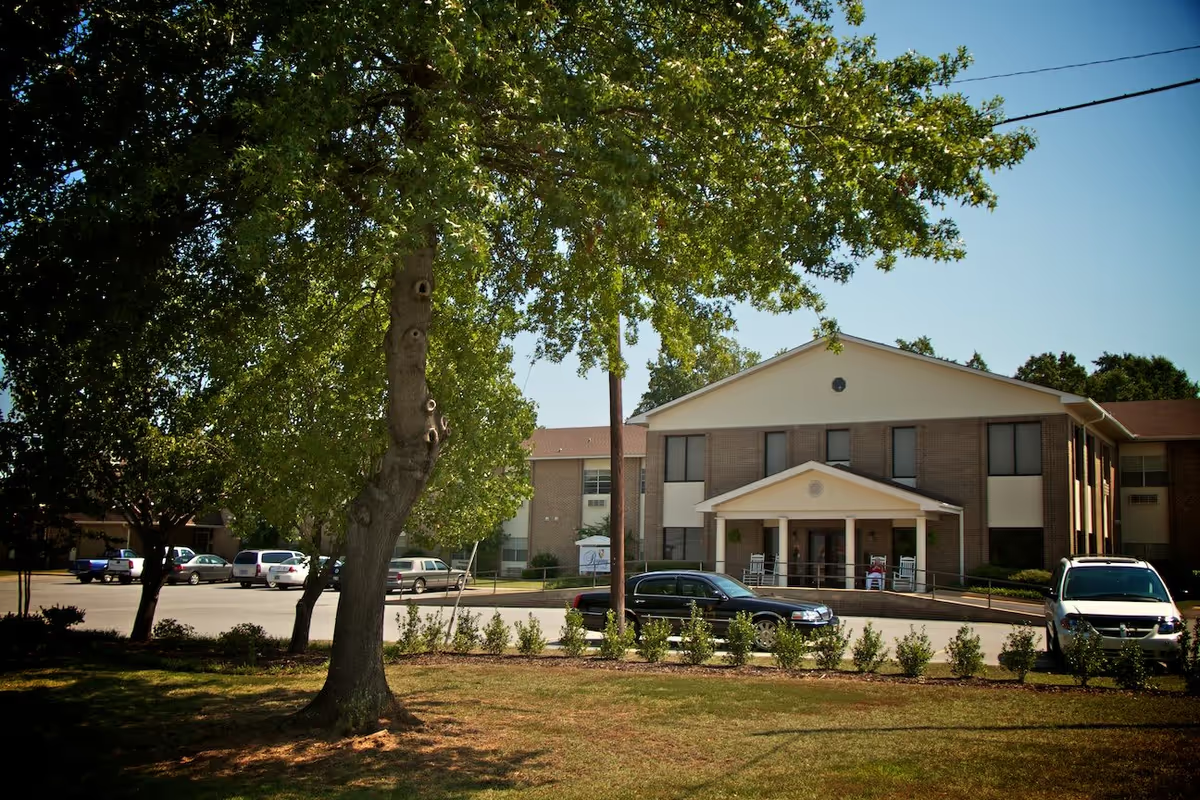
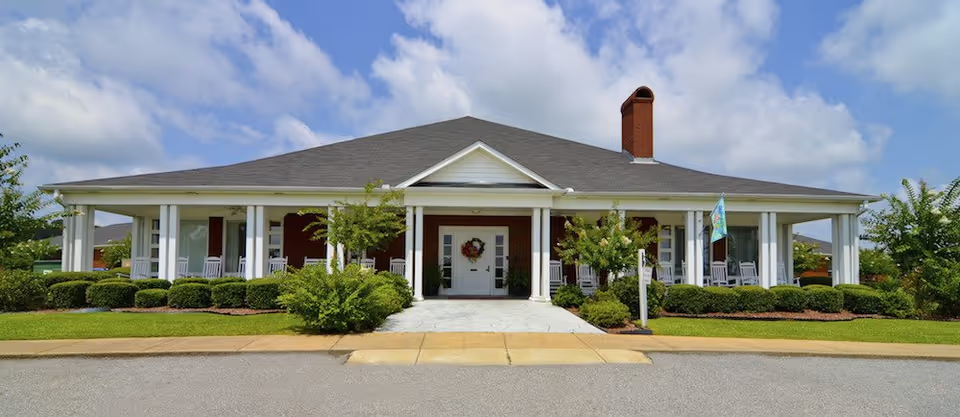
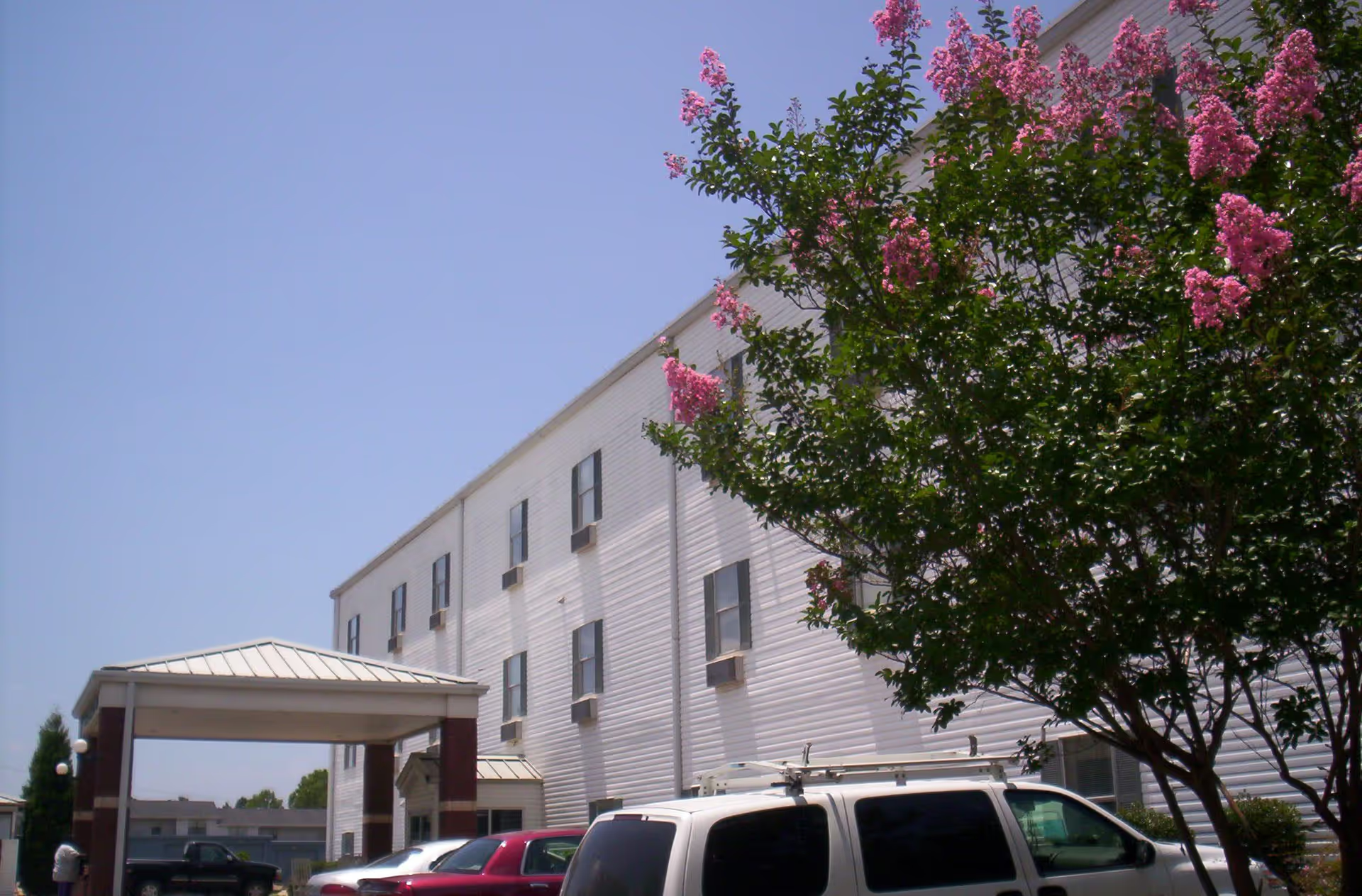
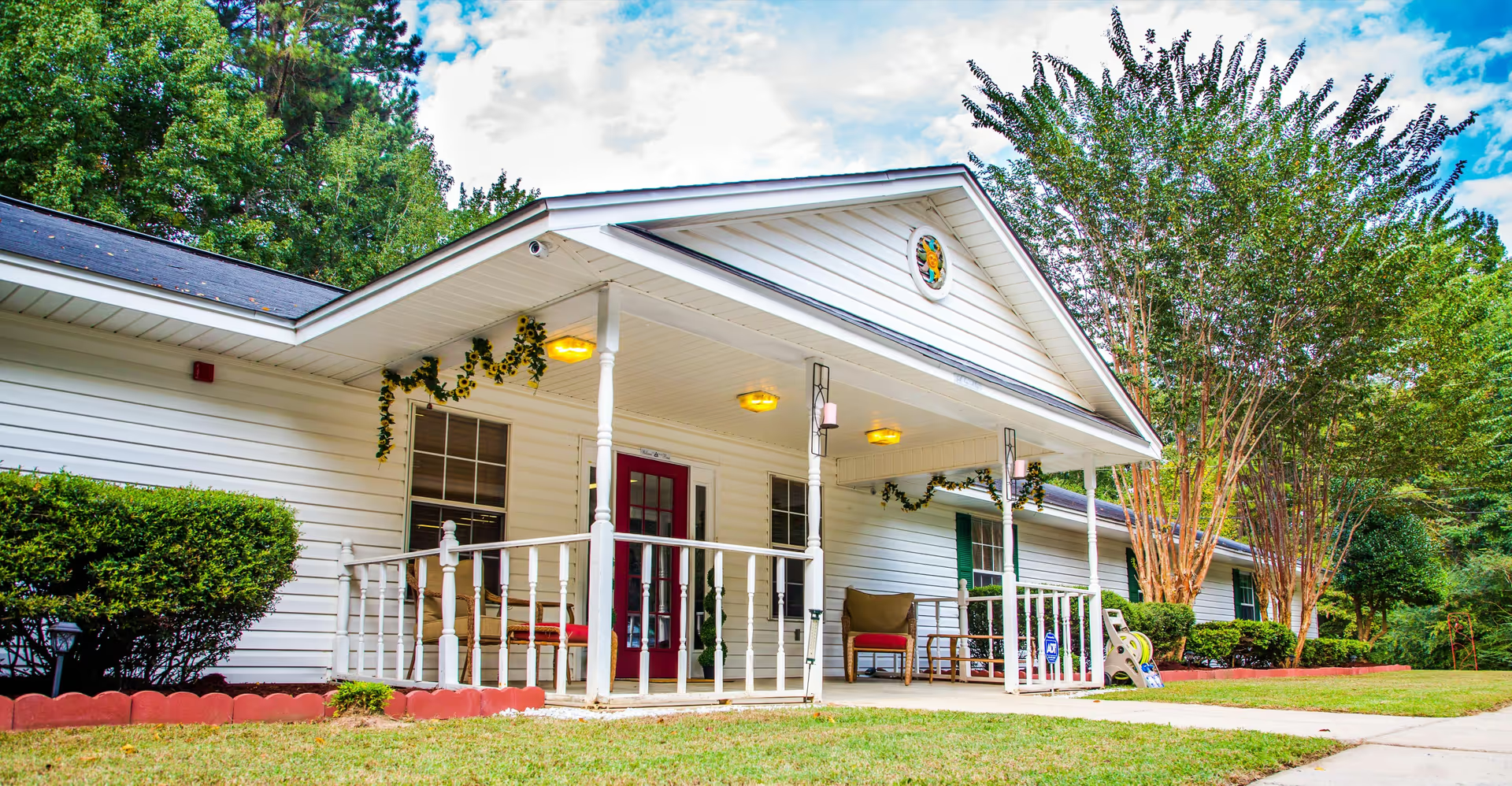
Morning Pointe of Tuscaloosa elicits a strongly mixed picture across reviewers: many families and visitors praise the facility's physical environment, activity program, and a number of care staff, while other accounts point to operational gaps that could affect resident safety and satisfaction. The community projects a small, home-like atmosphere with clean, well-decorated common areas and an elegant dining room. Multiple comments highlight an active activities calendar, engaged volunteers, and notable leadership in community relations and the activities department. Dining receives generally favorable comments for menu variety and accommodation of preferences, and maintenance responsiveness and quick repairs are frequently noted.
Care quality and staffing appear variable. Numerous reviewers commend individual caregivers and nurses as compassionate, attentive, and responsive; several single-case accounts describe staff who provided strong emotional support and personalized attention. At the same time, there are consistent operational concerns: staffing levels and turnover are described as unstable, there are gaps in regular nursing coverage, and some families describe inconsistent personal-care delivery including bathing schedules and incontinence-related delays. Medication-administration and storage processes were identified as an area of concern by multiple reviewers, which should prompt direct verification during a tour.
Memory-care and safety deserve particular attention. The facility does have a dementia-specific unit and many families reported improvement in memory-care presentation, but other accounts describe inadequate separation between dementia and non-dementia residents, wandering incidents, and privacy intrusions. These descriptions point to inconsistent wandering controls and unit separation practices rather than a uniformly secure memory program; prospective families should confirm the physical layout, door/alarm systems, staffing ratios, and observation practices used for memory-care residents.
Staff conduct, management communication, and operational transparency are recurring themes. Several reviewers praise named staff and directors for being welcoming and proactive; conversely, other accounts raise concerns about leadership responsiveness, communication tone, and professional boundaries. There are also isolated but serious allegations (including claims involving personnel actions and documentation) that merit follow-up with facility leadership and, if appropriate, verification through licensing or corporate channels. Families also mention challenges with phone accessibility, variable responsiveness to complaints, and perceived discrepancies between marketing/placement information and delivered services.
Facilities, activities, and quality-of-life offerings are frequently cited as strengths: residents are described as engaged in events, outings, and social programming, and many families note an improved quality of life following placement. However, reviewers also mention periods of reduced activity availability (for example, during infection-control restrictions) and some limitations on outdoor programming. Meal quality is often praised, but a subset of observers note variability in food quality and portioning.
In summary, Morning Pointe of Tuscaloosa appears to offer a well-appointed, small-scale community with several strong interpersonal strengths — notably in activity leadership and individual caregiver relationships — alongside operational inconsistencies that affect clinical oversight, dementia-specific security, sanitation practices, and management communication. Prospective residents and families should tour in person, request a meeting with nursing leadership, review staffing schedules and turnover statistics, ask about dementia-unit separation and wandering safeguards, inspect laundry and personal-item protocols, sample meals, and clarify contract terms and extra fees before making a placement decision.