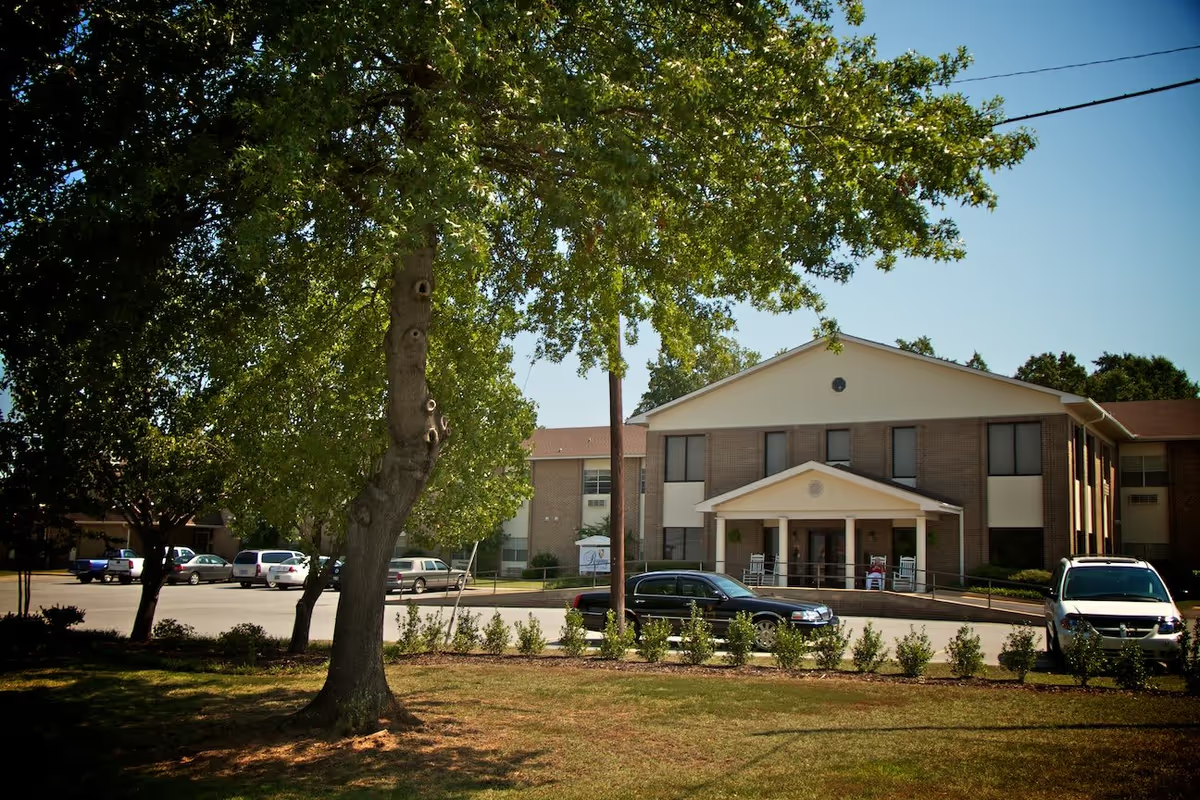
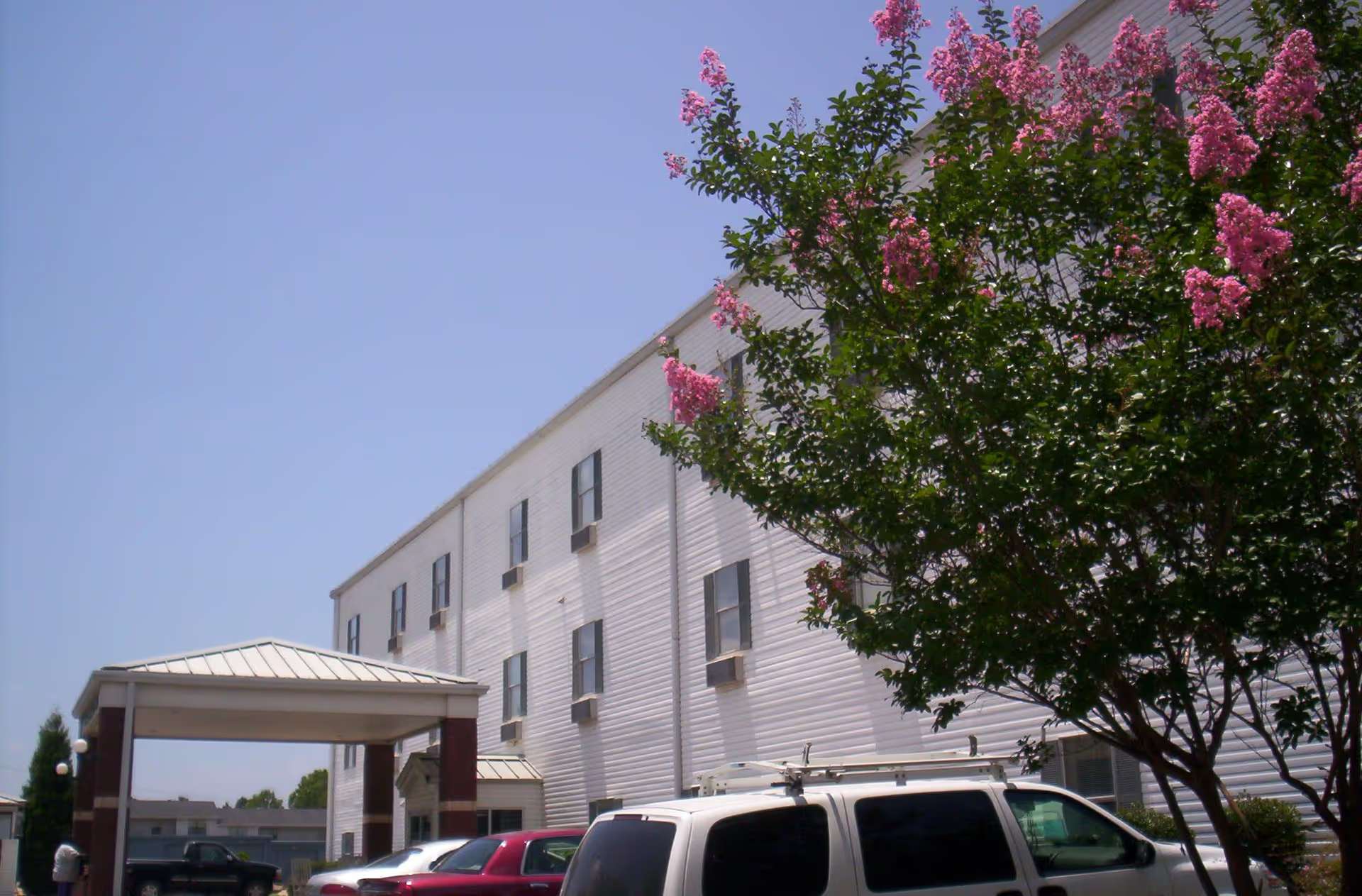
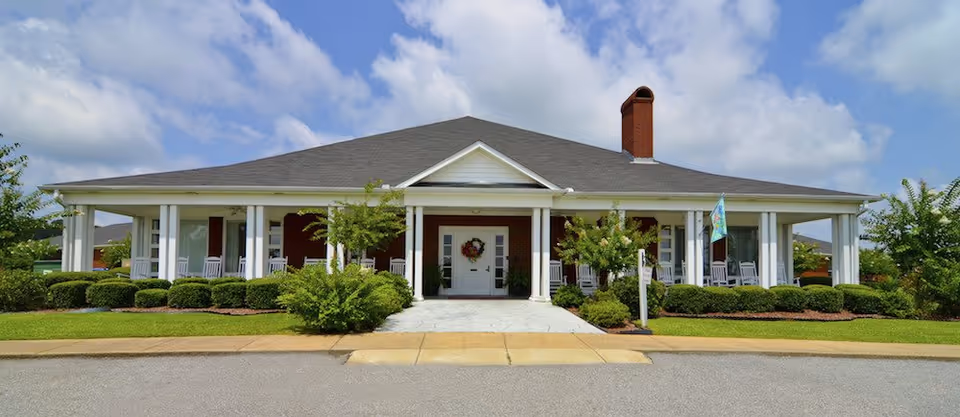
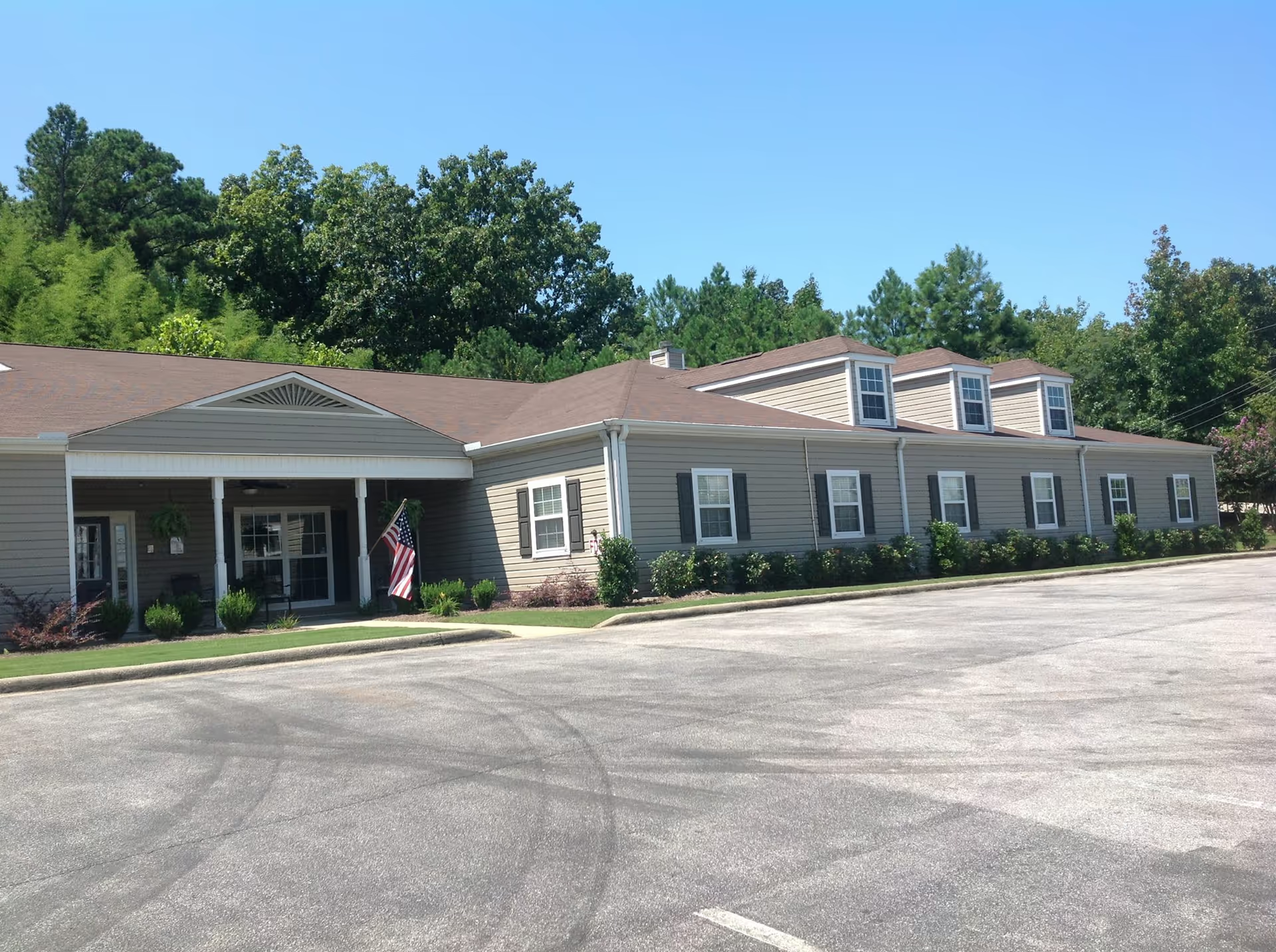
Overall impression The Legacy of Crimson Village presents as a small, nurse-owned assisted living option that emphasizes affordability, cleanliness, and a homelike environment. Reviewers consistently describe the building and common areas as attractive and well cared for, and the facility is noted for providing home-cooked meals, an engaging activities program, and a buzzer-entry security system. These elements contribute to a generally pleasant dining and social atmosphere where residents appear comfortable during meals and events.
Care and staffing Clinical oversight is framed positively by the nurse-owned model and by staff described as friendly, knowledgeable, and caring. However, there are operational patterns worth noting. Several reviewers expressed concerns about inconsistent staff communication and an occasional negative customer-service tone; this has led to trust and family-communication gaps in some interactions. In addition, the facility appears to rely on a single nurse for overnight coverage, which may limit immediate clinical responsiveness during night hours and could be a consideration for prospective residents with higher medical needs.
Dining, activities, and daily life Dining is a clear strength in terms of food quality and resident enjoyment: reviewers mentioned home-style meals and an active mealtime atmosphere. The activity program is also described as strong, with residents engaged and participating. One facility characteristic to consider is the dining-room layout and its proximity to the front entrance; this arrangement can reduce privacy and create visibility from the door, which some families may find undesirable.
Facilities and move-in considerations The physical plant is presented as clean and home-like, but move-in amenities appear minimal: rooms have been described as basic and not always furnished at admission, so families should confirm what is provided before move-in and plan for additional furnishings if needed. For people seeking specialized memory-care services, reviewers indicate the facility is not configured for that level of care and may not be appropriate for residents with significant memory impairment.
Management and patterns to watch The nurse-owned model can be an advantage for clinical alignment, but reported gaps in communication and occasional confrontational interactions with staff have eroded confidence for some families. Prospective residents and their loved ones should inquire directly about staff conduct policies, overnight clinical coverage, the facility's approach to family communication, and whether the facility can meet specific clinical or memory-care needs.
Practical next steps for visitors When touring, ask about staffing patterns (including night coverage), what is included in a typical room at move-in, the facility's approach to resident privacy in dining and common areas, and examples of how management handles family concerns. These questions will help match the facility's operational characteristics to the prospective resident's care and lifestyle needs.