The reviews present a mixed picture of Farmington Manor with clear strengths in interpersonal care but notable operational weaknesses. Several comments highlight that residents are "well taken care of" and "very happy," and families express appreciation for staff who are caring and attentive. These observations suggest that, at least in some cases, direct caregiving interactions and emotional support are strong features.
Staff-related impressions are polarized. On the positive side, staff are described as caring, nice, and part of a solid support system; families have expressed satisfaction with day-to-day interactions. Conversely, other commentary characterizes staff behavior as unprofessional and unorganized. Taken together, this indicates variability in staff professionalism and responsiveness across shifts or teams, and a potential need for more consistent training, supervision, or staffing stability.
There is limited specific information about dining and activities in the available summaries. Because those areas are not consistently described, prospective residents and families should ask the community for sample menus, activity calendars, and opportunities to observe meals and programming during a visit to better assess fit and quality.
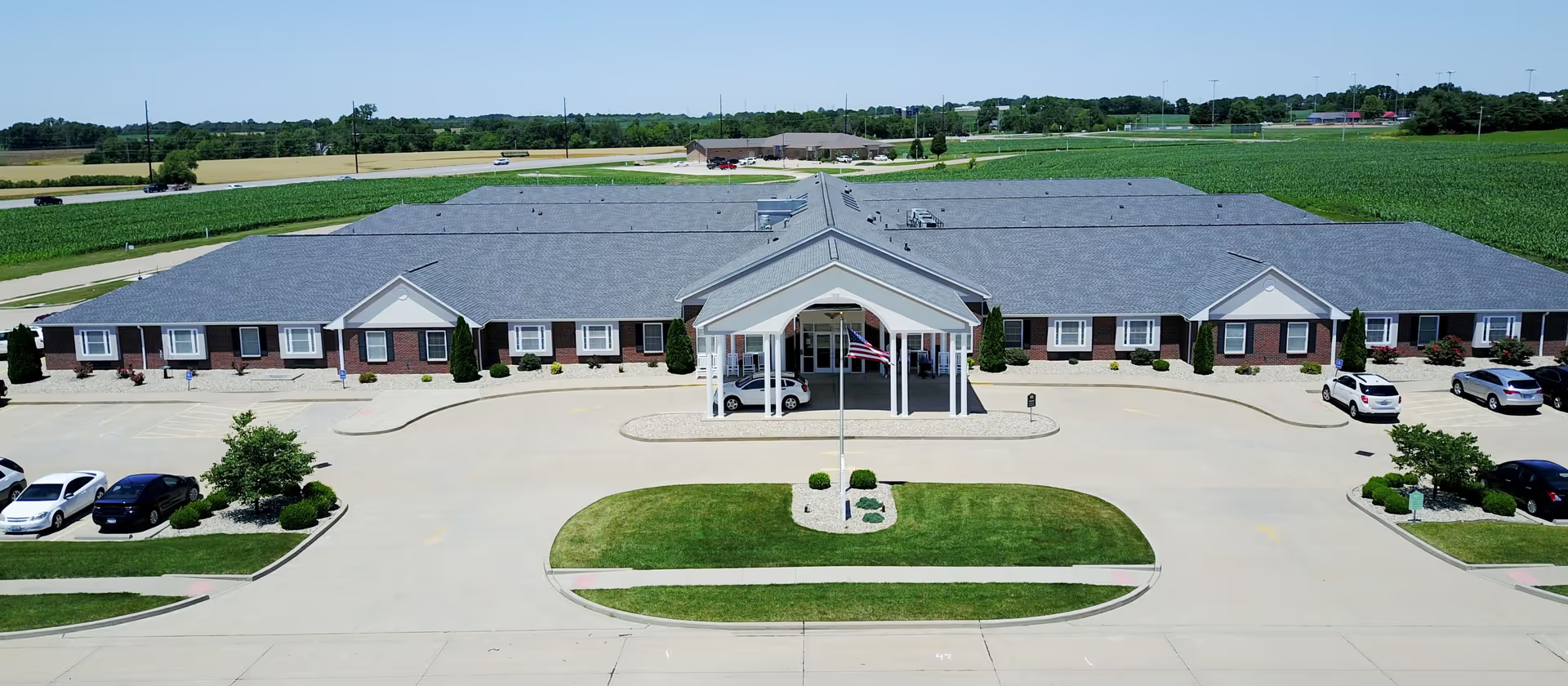
Facility-level impressions are somewhat positive regarding the physical environment — reviewers called it a "nice place to stay," which implies comfortable, presentable accommodations. At the same time, the operational descriptors ("unorganized," "does not care about residents") point to management and process issues. These suggest gaps in administrative oversight, consistency of daily routines, and perhaps communication pathways between staff and families.
Notable patterns across the feedback are the contrast between strong personal caregiving in many interactions and uneven operational reliability. For families considering Farmington Manor, useful follow-up questions include: how the community manages staffing levels and turnover, what staff training and supervision look like, how the facility tracks and responds to family concerns, and what quality-improvement processes are in place. Observing staff–resident interactions, asking for references from current families, and reviewing contract and move-in incentive details can help clarify whether the community’s strengths align with a prospective resident’s needs.