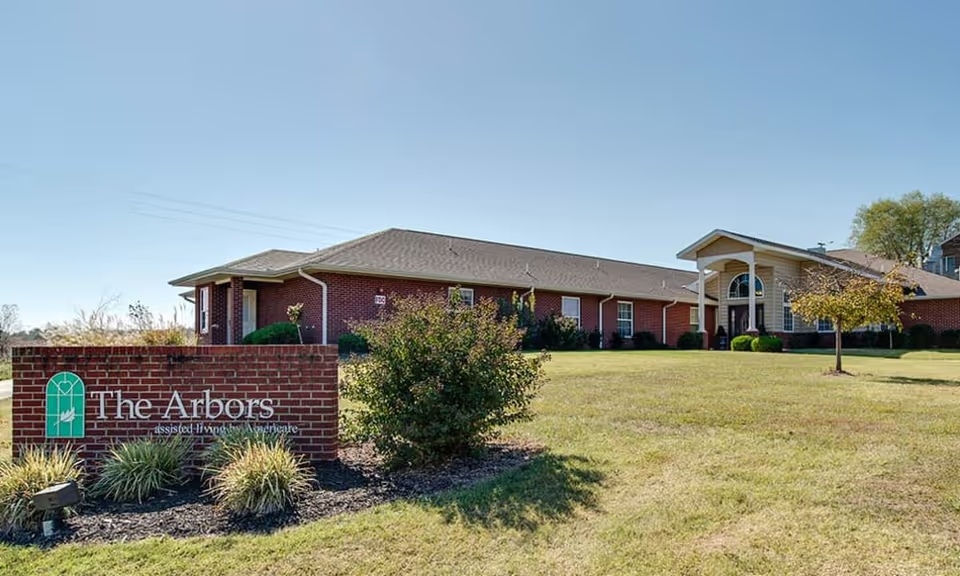
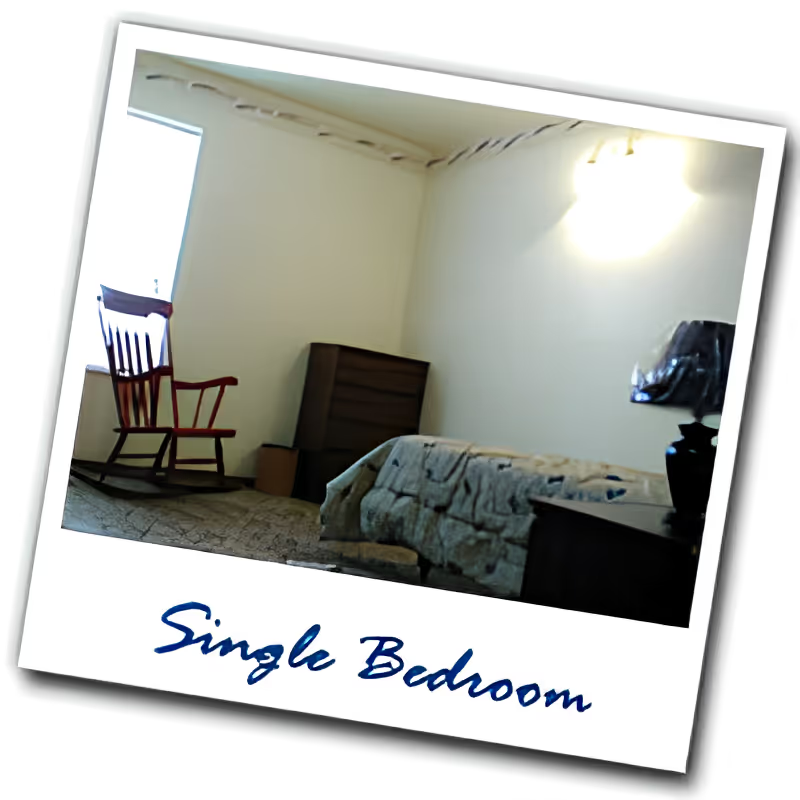
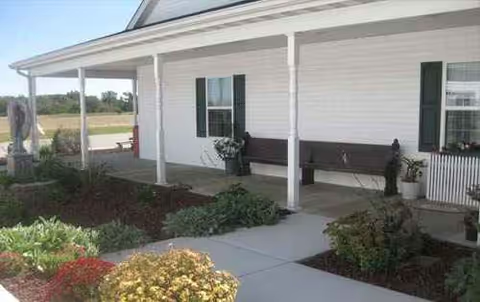
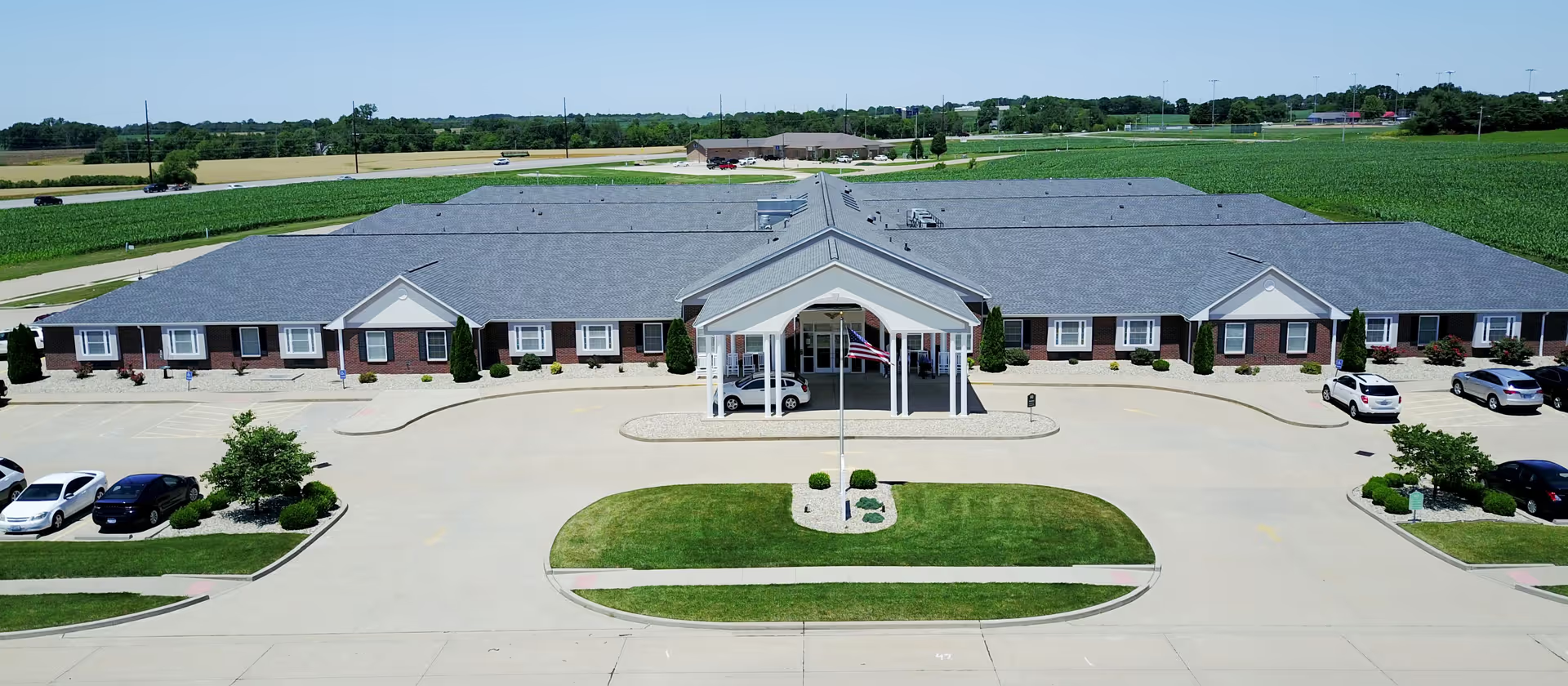
Reviews describe a facility with clear strengths alongside recurring operational weaknesses, producing markedly mixed family experiences. On the positive side, many families and residents highlight a warm, family-like culture among caregiving staff. Several accounts praise compassionate, attentive CNAs and nurses, manager involvement, transparent communication, and hospice partnerships that supported end-of-life transitions. The physical plant also receives consistent commendation: reviewers describe a clean, modern environment with larger rooms, larger showers, a restaurant-style dining area, and amenities such as a whirlpool that support therapy and recovery. Multiple reviewers credited the rehabilitative services and physical therapy with successful recoveries.
At the same time, a number of reviews raise facility-level concerns that appear linked to staffing and operational processes. Understaffing and variability in staff performance are recurring themes and are described as contributing to delays in responding to call lights, prolonged waits for mobility assistance, and inconsistent attention to personal-care needs. Several accounts indicate lapses in medication timing and scheduling, including late-night deliveries of medications, which point to gaps in medication-administration processes. Fall-prevention and safe-transfer practices are another area of concern; a pattern of fall incidents and related family anxiety suggests opportunities to strengthen protocols and supervision.
Dining and nutrition experiences are mixed. Some reviewers appreciate homemade, flavorful meals and accommodating dietary requests, while others note inconsistent meal service, cold plates, missing condiments, order errors, and occasional omissions in planned menu items. Related sanitation and hygiene observations — including concerns about food-handling and aspects of personal-care hygiene — indicate inconsistent adherence to cleanliness practices in some situations.
Programmatic and managerial patterns are similarly polarized. Activity programming is praised by some as engaging and resident-centered, but other families describe limited activities and social isolation for particular residents, suggesting variability in resident engagement across units or shifts. Communication and leadership receive both positive and critical comments: several reviewers report effective managerial involvement and supportive coordination, while others describe unresolved social-work or family-communication issues, perceived prioritization misalignments, and instances where individual staff conduct or tone toward families was inappropriate. Transport and logistics coordination also emerge as an operational gap in a few accounts, with difficulties arranging timely transfers or outings.
Overall, the facility demonstrates notable strengths in compassionate caregiving, therapy resources, and physical environment, which have produced strong positive outcomes for many residents. However, consistent areas for improvement are evident: staffing levels and reliability, medication and call-response processes, fall-prevention protocols, meal-service consistency, and uniform sanitation and personal-care practices. Prospective residents and families should weigh the facility’s rehabilitative and environmental advantages against the variability in day-to-day operational performance and seek specific assurances about staffing ratios, medication administration protocols, fall-prevention measures, and family communication practices during tours and care-planning discussions.