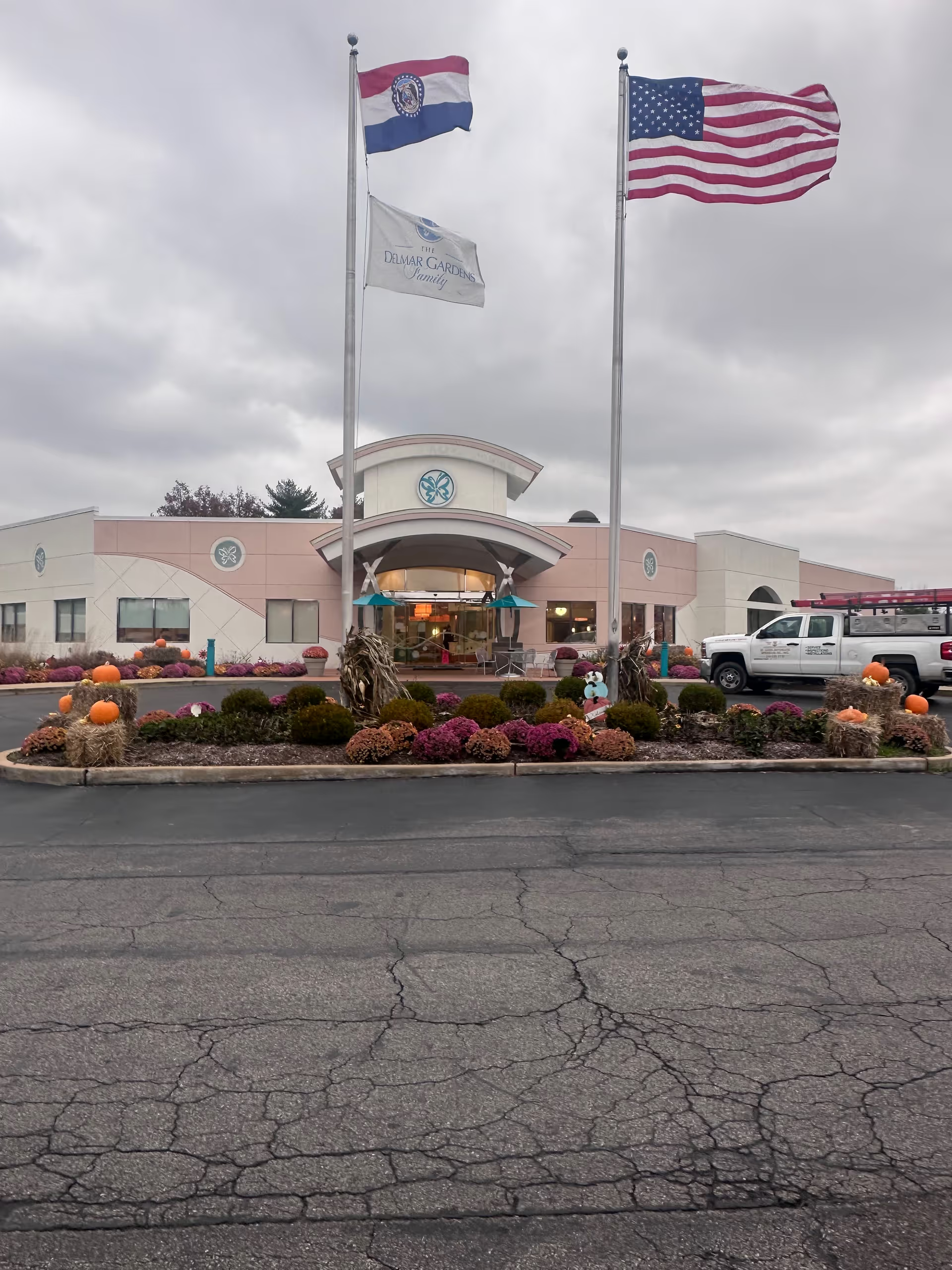
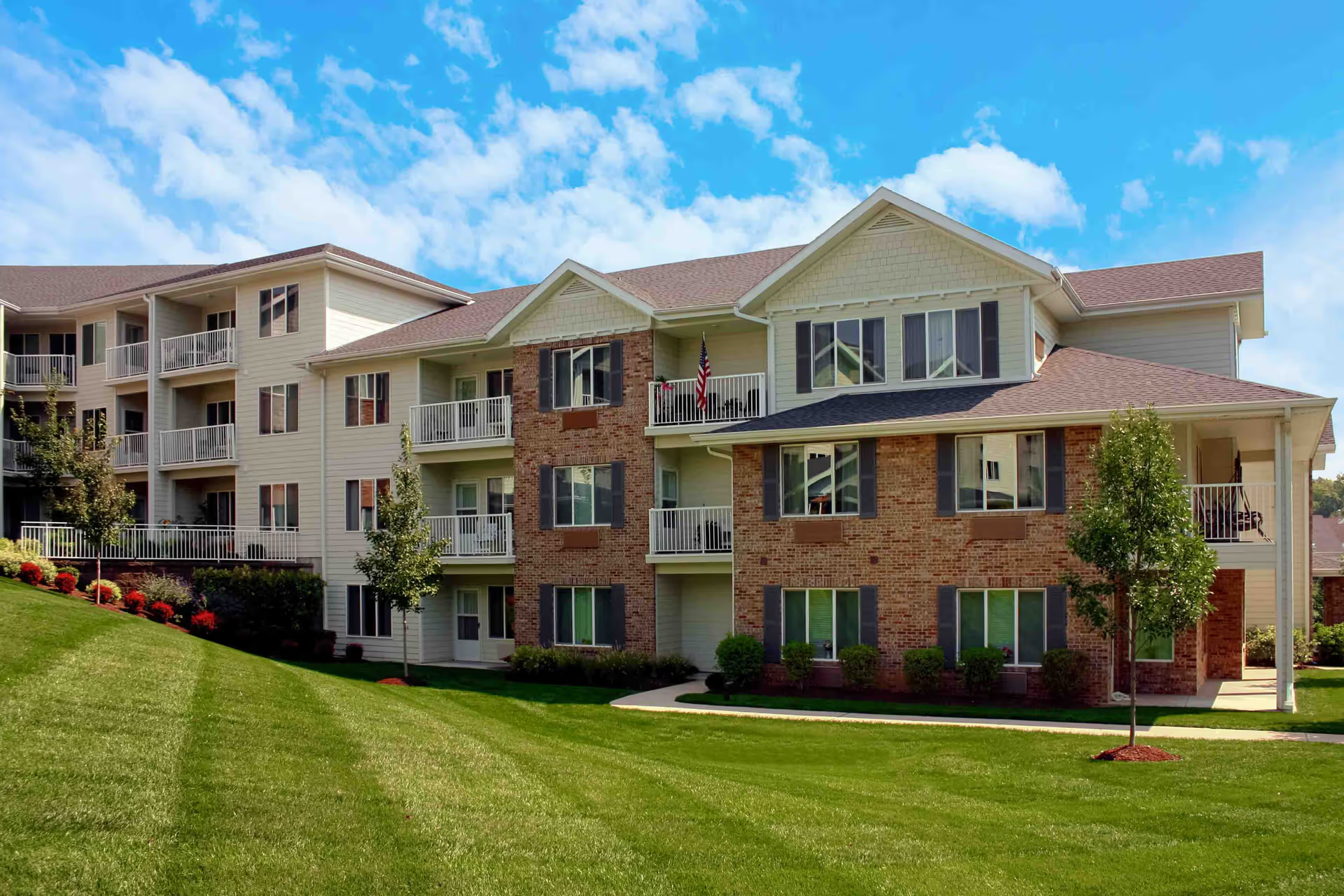
The review summaries present a mixed picture in which direct praise is limited largely to on-site staff, while operational and environmental concerns predominate. Several reviewers explicitly described positive interactions with staff, indicating that frontline caregivers can be attentive and supportive. However, a set of recurring facility-level issues—cleanliness, maintenance, resident engagement, and management priorities—appears to shape the overall impression.
Care and staff: Comments indicate that individual staff members are capable and, in some cases, well regarded by families. At the same time, reviewers raised concerns about staff conduct and communication tone in particular interactions; these observations suggest variability in how staff engage with residents and families. The combination of praised staff members alongside accounts of unprofessional remarks points to inconsistent training or supervision of interpersonal conduct. Prospective families should observe staff–resident interactions during a visit and ask about staff training, supervision, and complaint-resolution procedures.
Dining and activities: There are few specific remarks about dining quality in the summaries provided. A clearer pattern emerges around activities: reviewers noted a lack of scheduled or meaningful programming, with residents appearing largely unengaged during daytime hours. This suggests limited activity programming and engagement opportunities. Prospective residents should inquire about weekly activity calendars, staffing for recreational programs, and examples of social engagement tailored to resident ability levels.
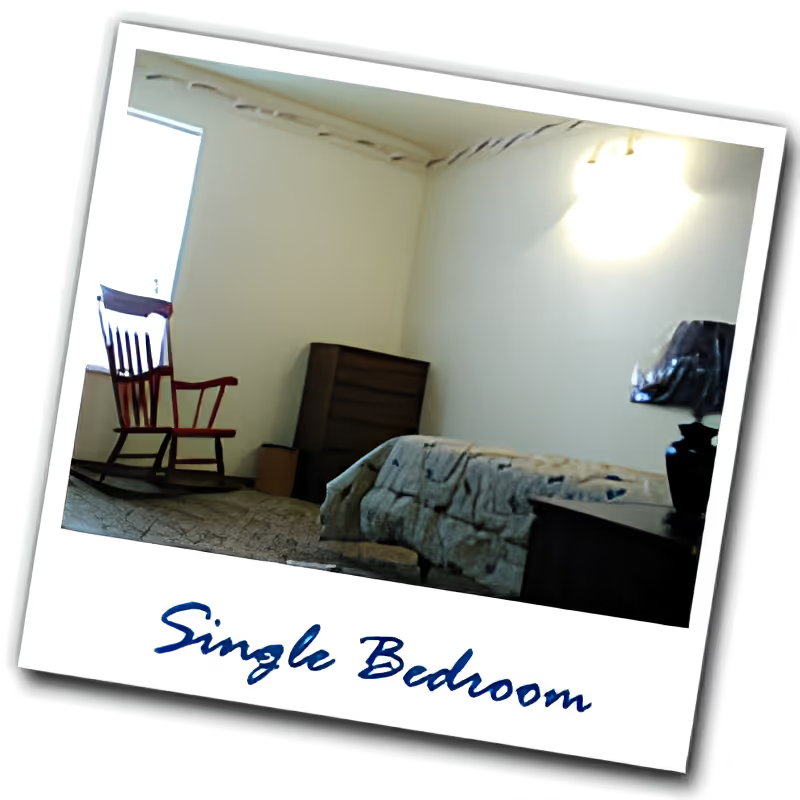
Facilities and sanitation: Multiple comments describe sanitation and maintenance shortcomings, including odor concerns in common areas, unclean bathrooms, and missing basic supplies. Outdoor maintenance issues—such as unmanaged smoking areas and discarded cigarette receptacles—were specifically noted, as well as the presence of an animal on the premises without clarity on policy or oversight. Together, these items indicate gaps in routine housekeeping, maintenance, and property management. Visitors should inspect common areas, restroom facilities, and outdoor spaces, and ask for details about housekeeping schedules, pest-control plans, and pet policies.
Management and governance: Reviewers conveyed a perception that management decisions are driven by financial priorities rather than resident experience, and some reviewers expressed a reluctance to recommend the facility. Reports of privacy concerns and a general sense of an unsettled or "scary" atmosphere point to broader issues with facility culture and oversight. These patterns are consistent with organizational-level gaps in enforcement of standards, resident-centered policies, and communication with families. Prospective residents and families should request information on the facility’s ownership, staffing ratios, complaint processes, and recent inspection or survey history.
Notable patterns and guidance: The dominant themes across the summaries are cleanliness and maintenance deficiencies, limited programming, and inconsistent staff conduct despite some positive staff interactions. Because the summaries reflect both strengths and weaknesses, an in-person tour is strongly advised. During a visit, observe common areas and meal times, request current activity schedules, speak with multiple staff members and residents, and ask management for documentation of cleaning protocols, staffing levels, pet/smoking policies, and how privacy and dignity are protected. These steps will help determine whether the facility’s operational practices align with a prospective resident’s expectations and care needs.