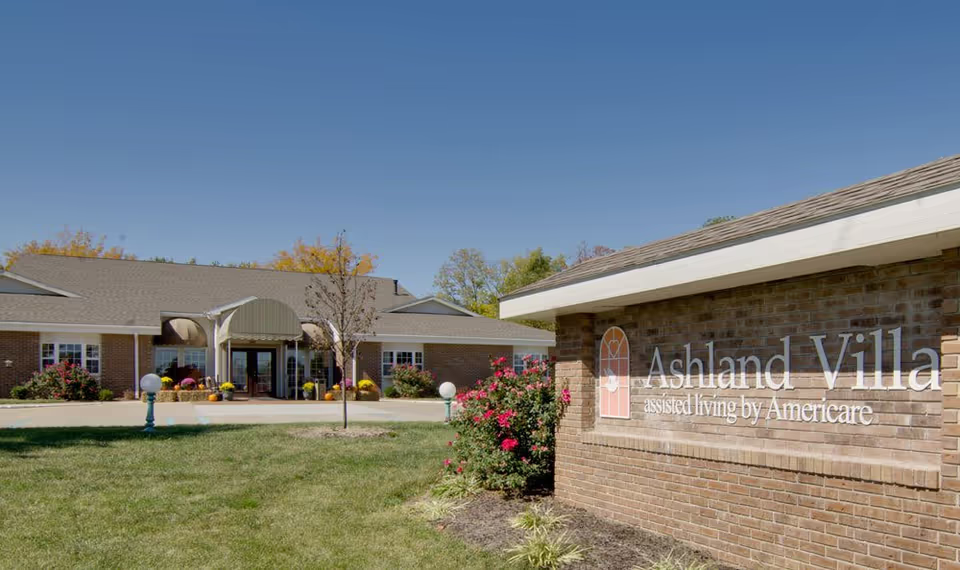
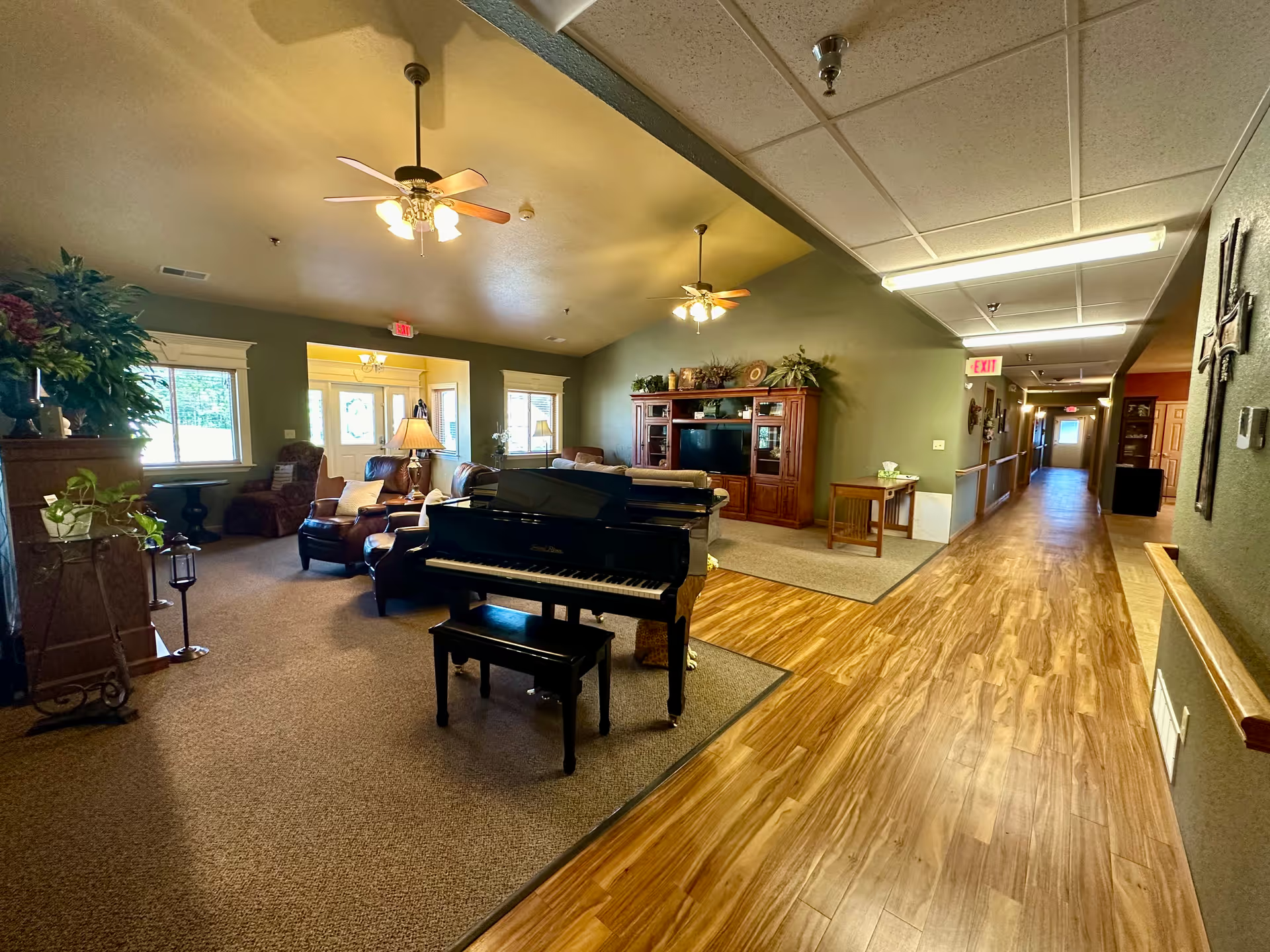
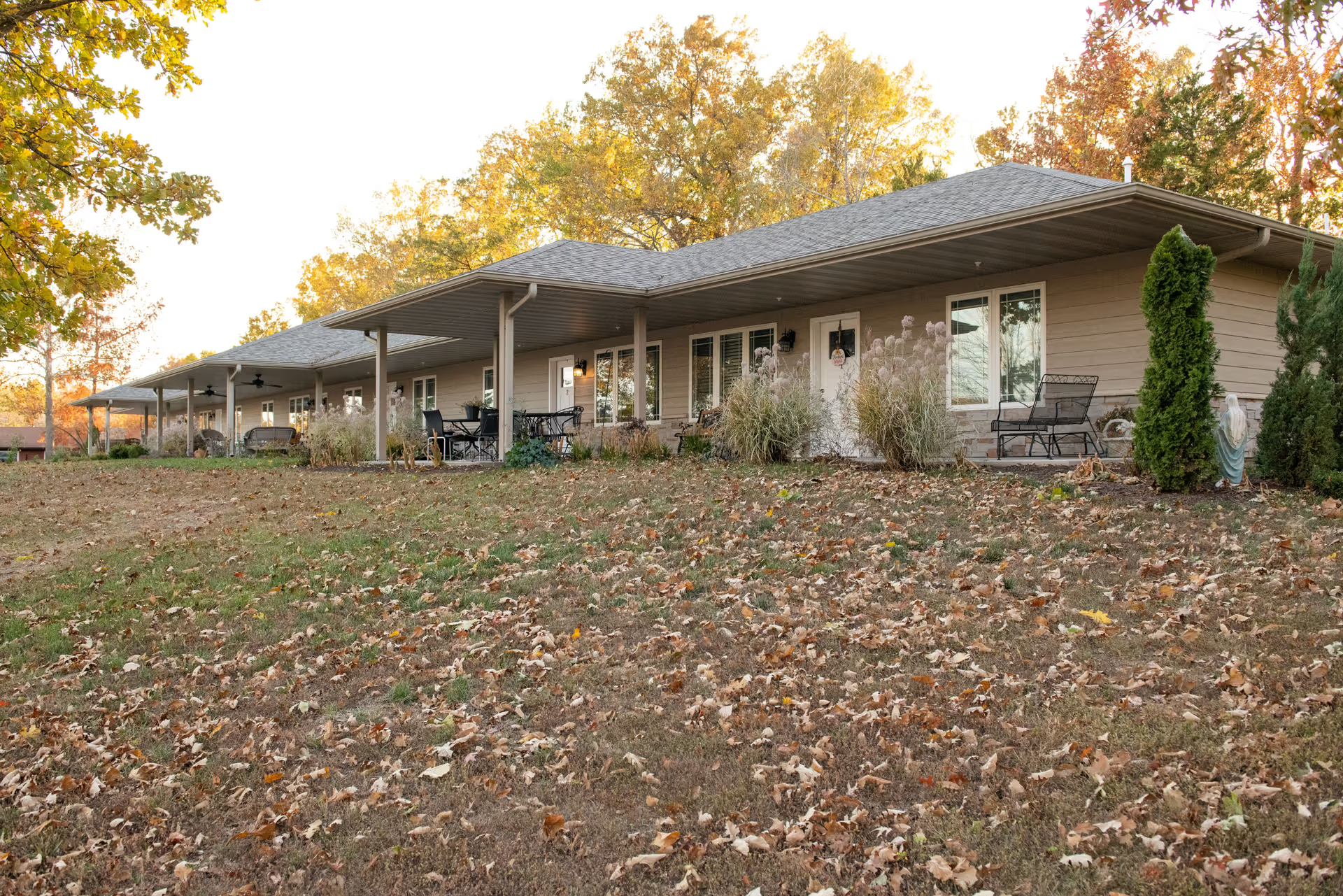
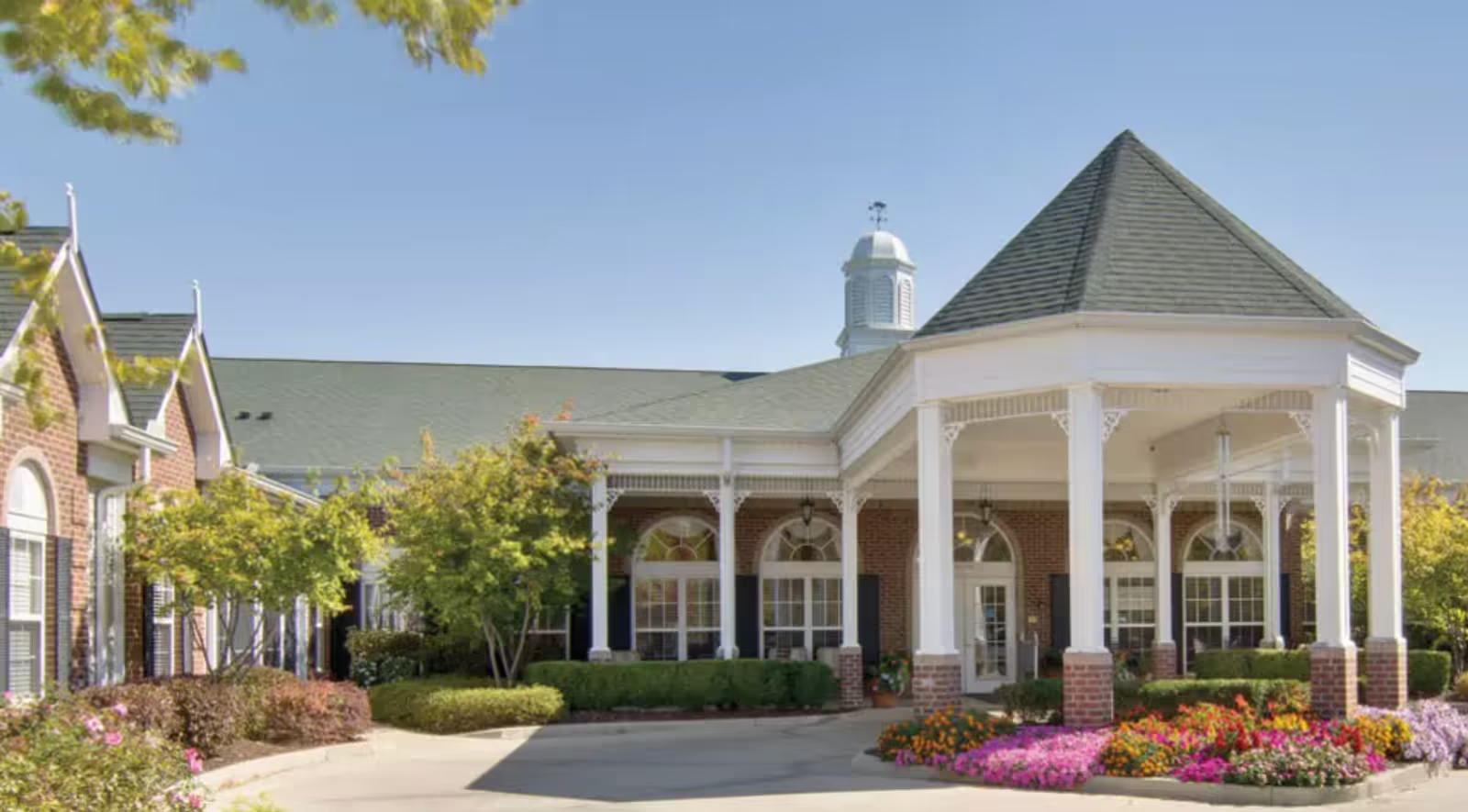
The reviews for Ashbury Heights present a mixed picture with distinct positive experiences alongside recurring operational concerns. Several reviewers described staff who are caring, polite and hardworking, and some families felt the facility provided resident-focused attention and a welcoming, home-like atmosphere. Positive notes include a pet-friendly policy, a diabetic-friendly diet option that helped with blood-sugar management, and affordability relative to memory-care alternatives. A number of reviewers specifically praised night-shift staff and administrators for being kind and helpful.
Care and staffing impressions are polarized. On the positive side, caregivers were described as compassionate and attentive in a number of accounts. Conversely, other reviewers raised concerns about staffing levels and reliability: staff working long shifts, appearing overworked, and occasional forgetfulness or missed tasks. These observations suggest variability in day-to-day staffing stability and communication, which could affect consistency of care and responsiveness.
Dining and activities are similarly inconsistent across accounts. Some families enjoyed engaging recreational programming and described fun activities for residents; others reported a lack of scheduled activities. Meal quality was also described as uneven — while specific dietary accommodations (for example, diabetic menus) were appreciated, there are complaints about inconsistent food quality and service continuity.
Facility condition and housekeeping received mixed evaluations. A subset of reviewers called the facility very clean, while others described sanitation and upkeep issues, rooms needing repainting, and common areas that could benefit from updated decor or maintenance. These divergent views indicate variability in housekeeping and maintenance execution across units or time periods.
Management and corporate-level issues emerged as a recurring theme. Several reviewers described disruption related to ownership or management transitions, communication difficulties with new leadership, and dissatisfaction with corporate HR processes. Specific administrative practices cited include employee-facing policies around health screening costs and slow administrative responses to staff concerns; these point to systemic HR and policy-implementation weaknesses rather than isolated interpersonal problems.
Notable patterns for prospective families: the facility can provide a supportive, family-oriented environment for some residents, particularly where staff continuity is strong and dietary needs are managed well. At the same time, there are consistent signals of variability in housekeeping, maintenance, staffing stability, dining consistency, and leadership communication. Prospective residents and families should schedule multiple visits (including different shifts), inspect rooms and common areas, ask for current staffing ratios and maintenance schedules, review written policies on employee health screening and incident resolution, and inquire about the regularity of activities and meal planning to gauge whether the facility’s current operating conditions match their needs.