The reviews present a consistent picture of a small, family-run assisted living operation that emphasizes personalized, home-style care. Families describe an owner-operated model in which proprietors are directly involved in daily life — including meal preparation and spiritual programming — and communicate regularly with relatives. Care quality is characterized by attentive, respectful interactions, active medication-management practices, and a safety-oriented approach; one specific practice noted was staff commitment to infection-control measures.
Staffing and culture are recurring strengths. Caregivers are described as dedicated, hardworking, and treating residents like family; reviewers highlight warm, respectful staff–resident interactions and frequent examples of staff going beyond assigned duties. The setting supports social engagement: residents reportedly interact well with one another, enjoy meals together, and have access to spiritual/Bible lessons. Activity programming appears oriented toward community and routine socialization rather than an expansive slate of specialty offerings.
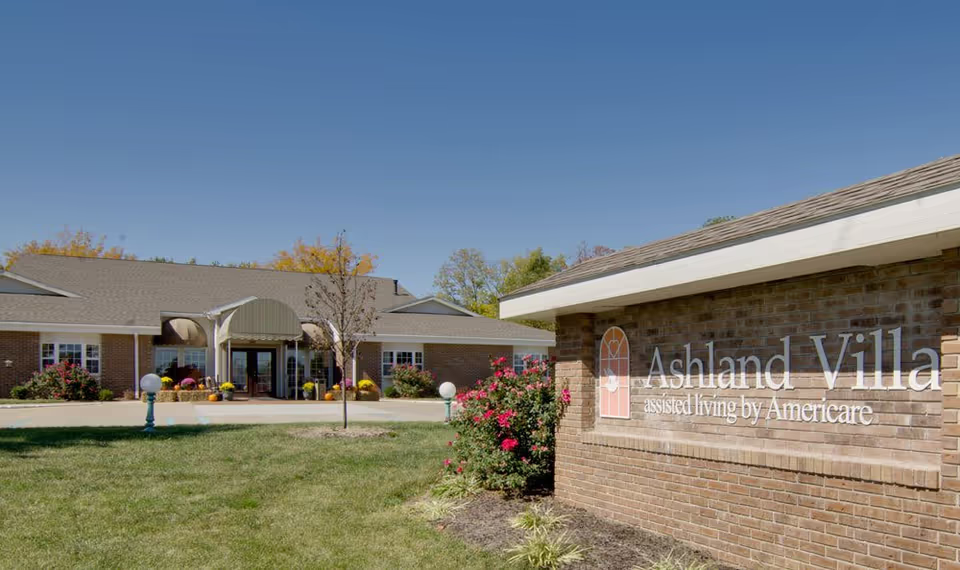
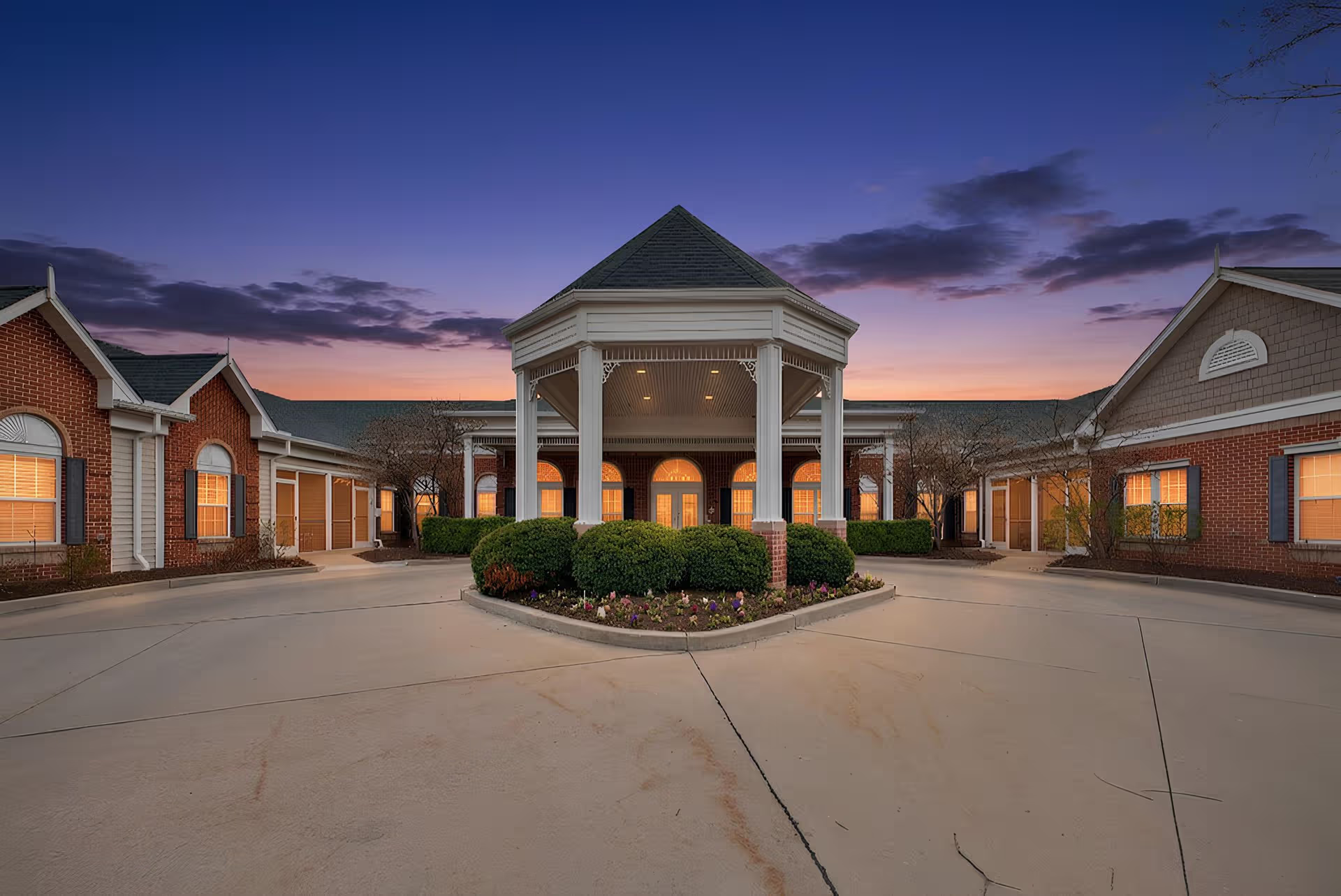
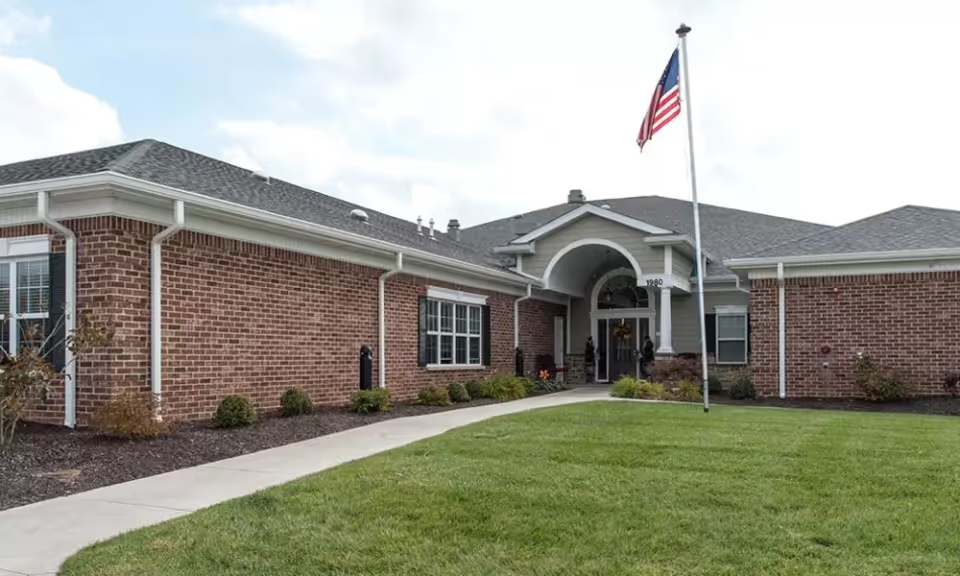
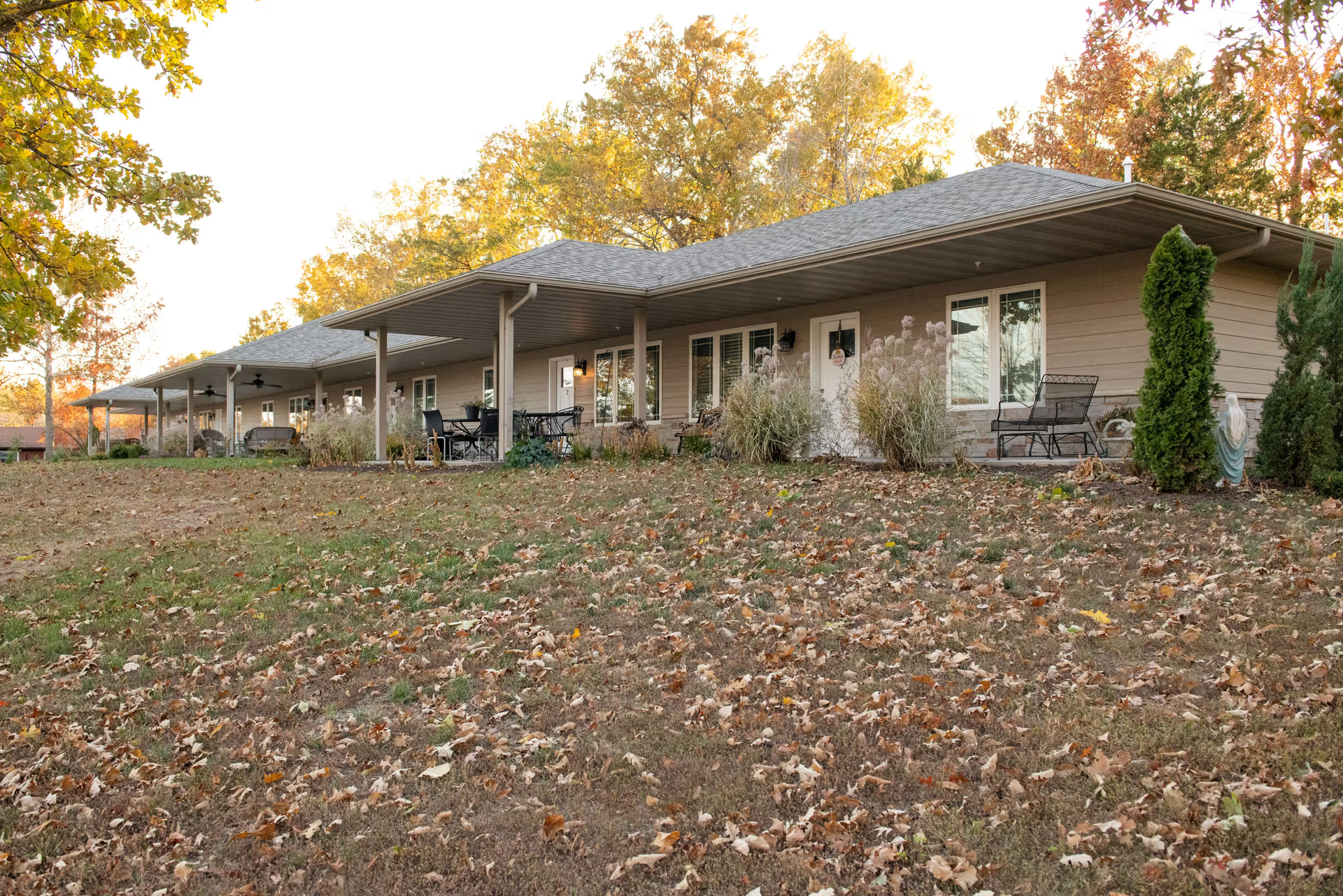
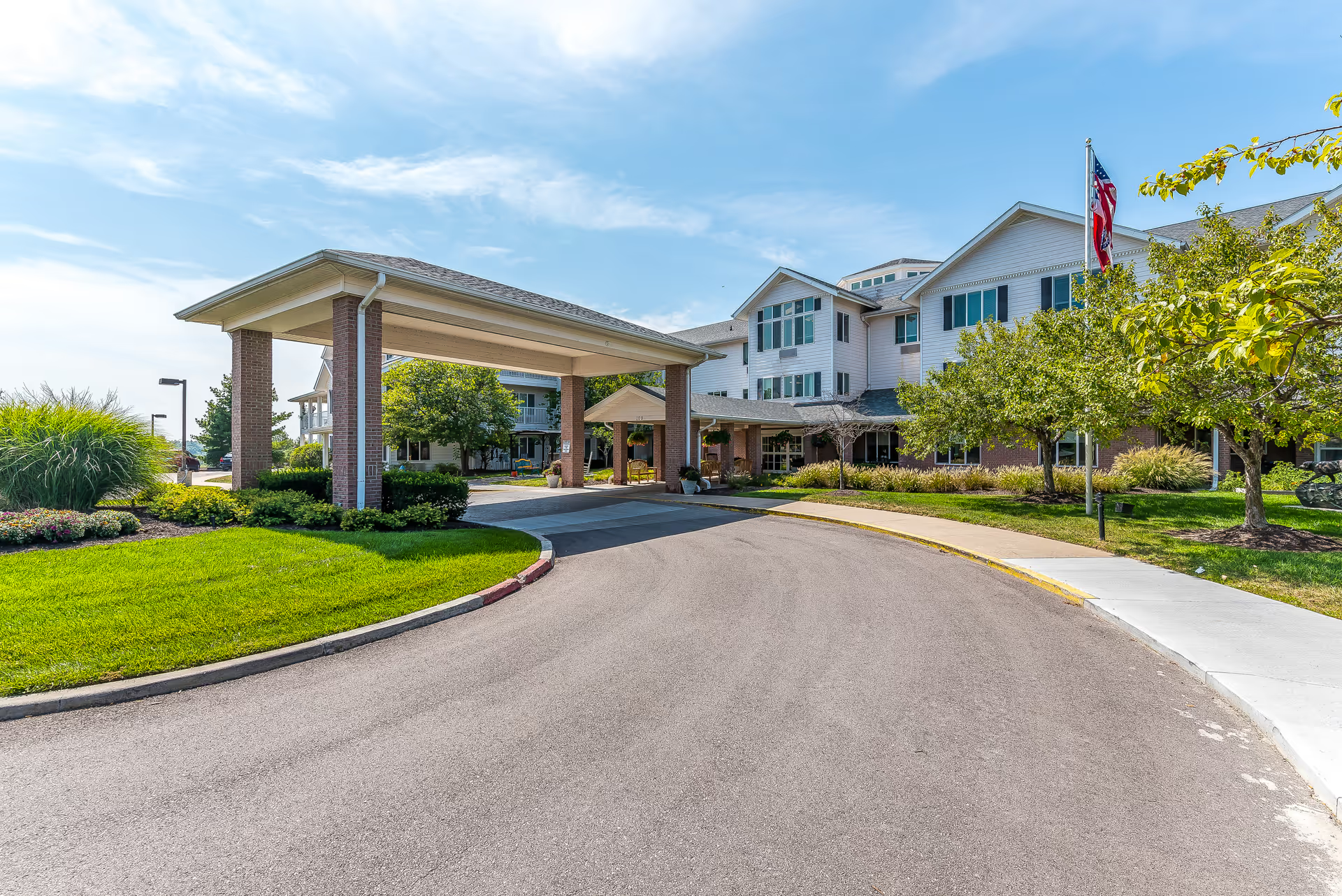
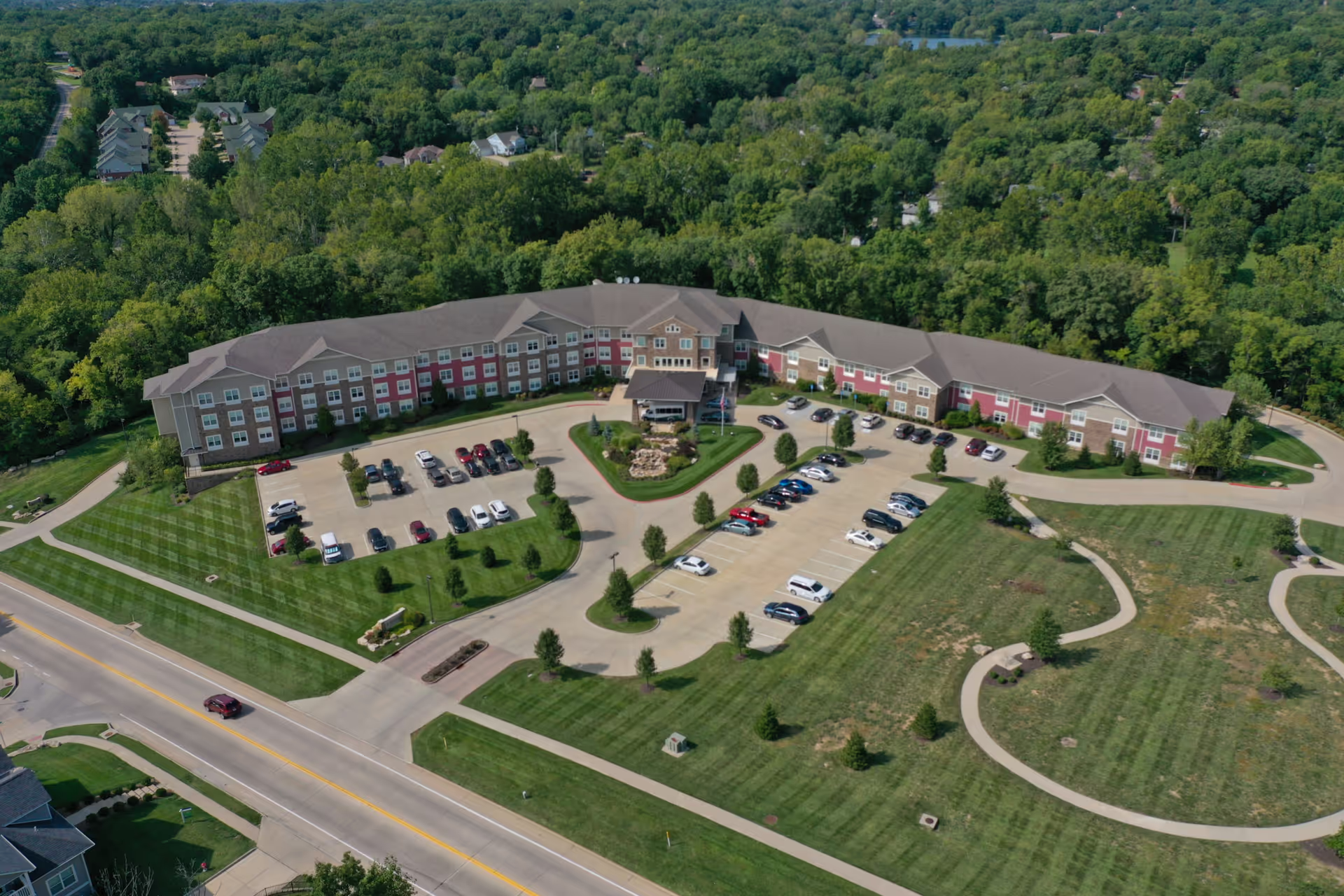
Dining and facilities receive positive mention. Meals are described as home-cooked and well-liked, and the physical environment is consistently characterized as attractive, cozy, clean, and peaceful. Reviewers emphasize a well-maintained interior and property and note good family communication about care and daily life.
Notable operational patterns and trade-offs emerge. The small, owner-centric model is a strength for individualized attention but also implies limits: access to higher-acuity clinical or specialized nursing services may be constrained compared with larger, clinically focused providers; continuity of some services (for example, meal preparation or management tasks) can be closely tied to proprietor availability. The facility scale also suggests fewer on-site amenities and a narrower variety of formal programs. Families prioritizing a homelike environment and close personal attention are likely to view these trade-offs favorably, while those requiring more robust clinical resources or a broad activity department should verify service capacity and staffing redundancy during the decision process.