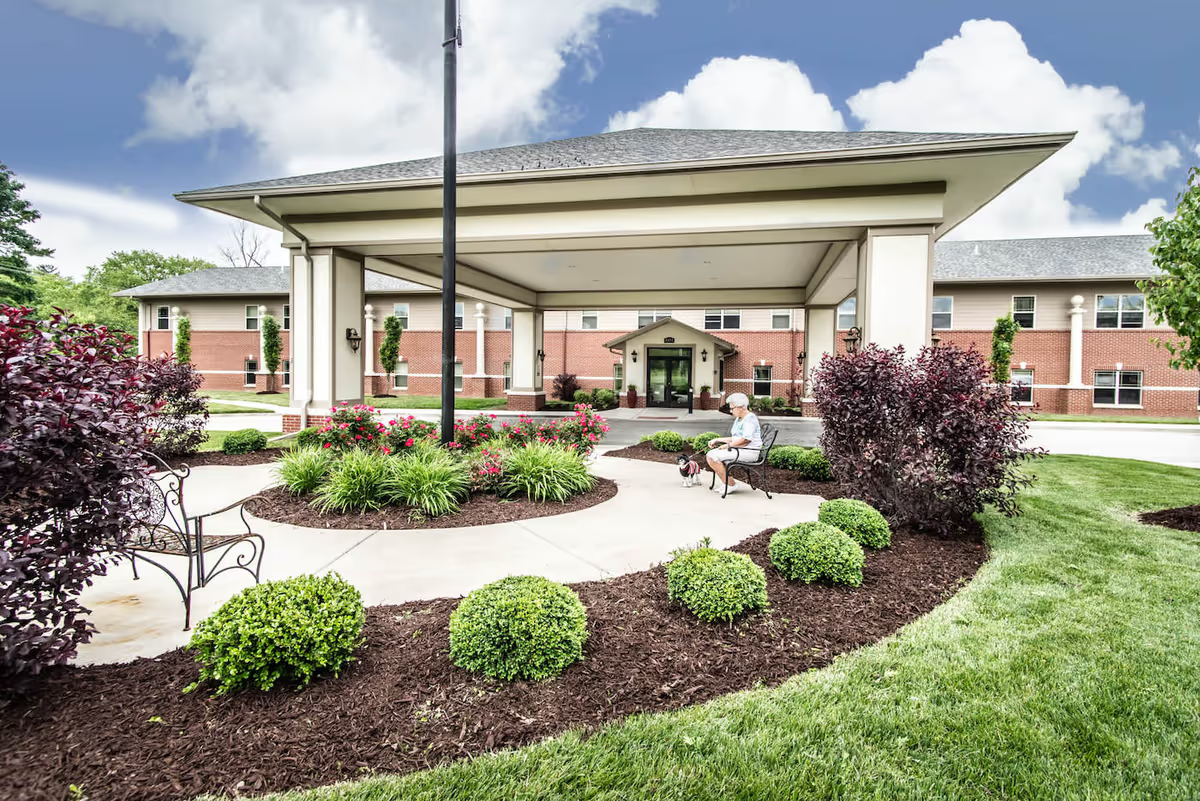
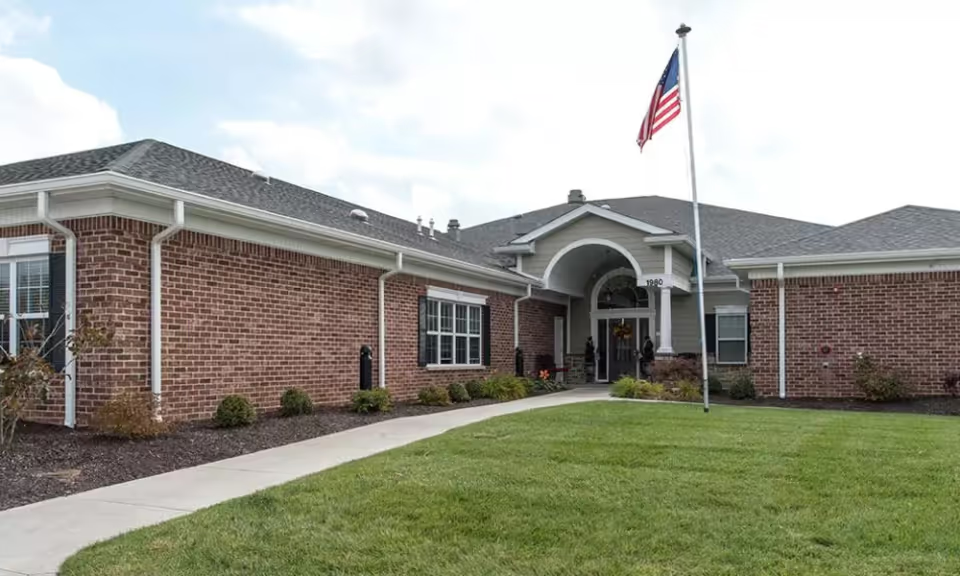
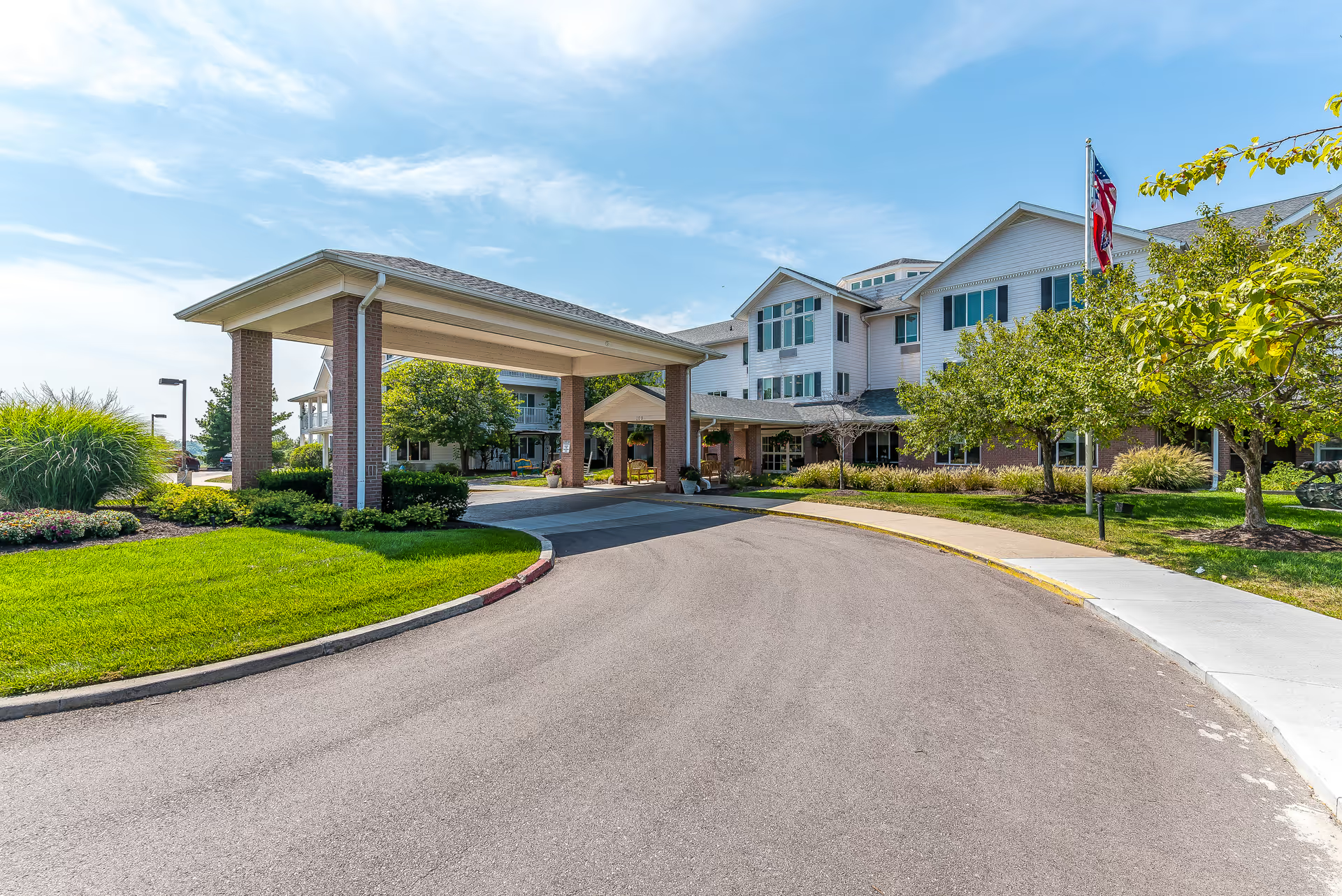
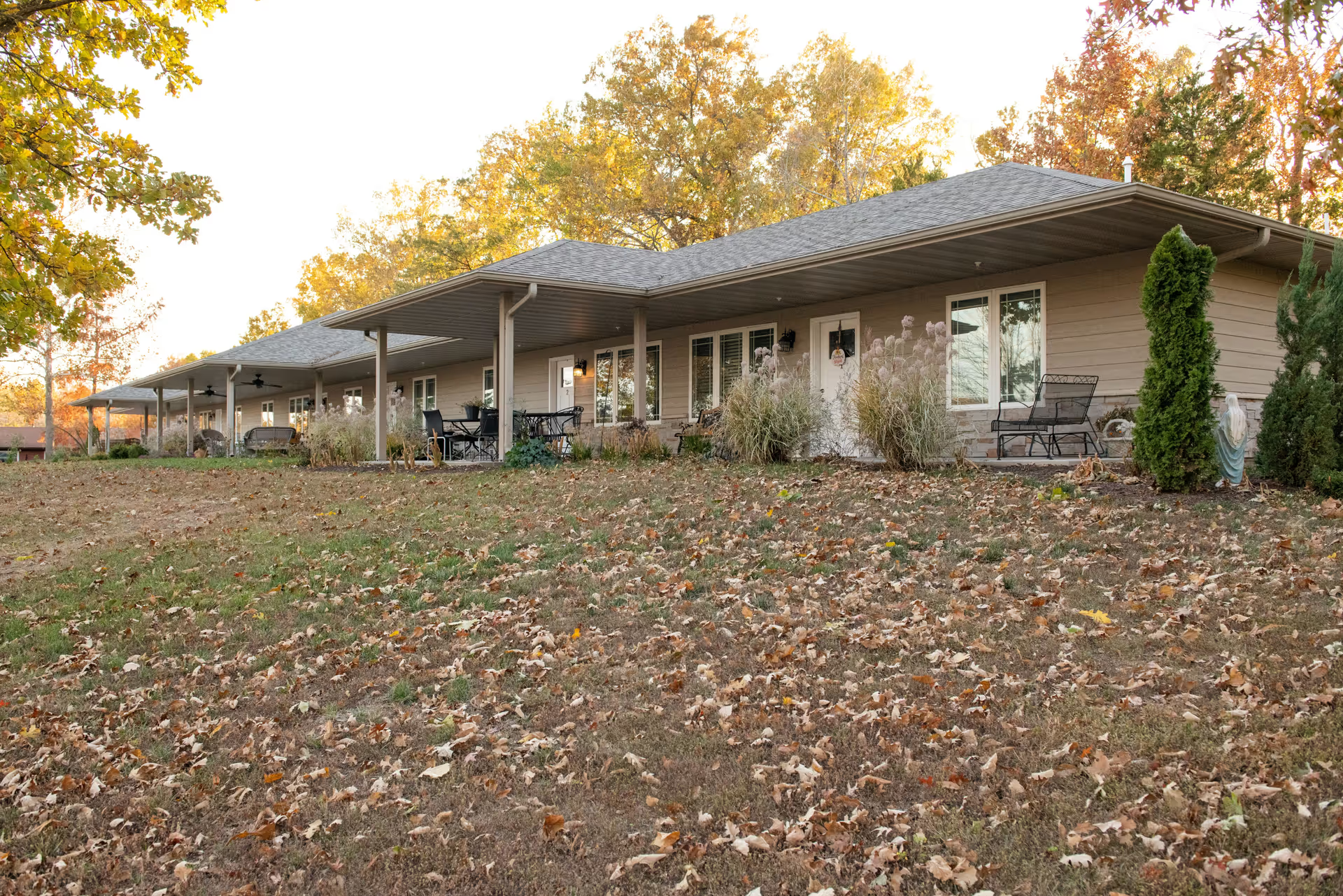
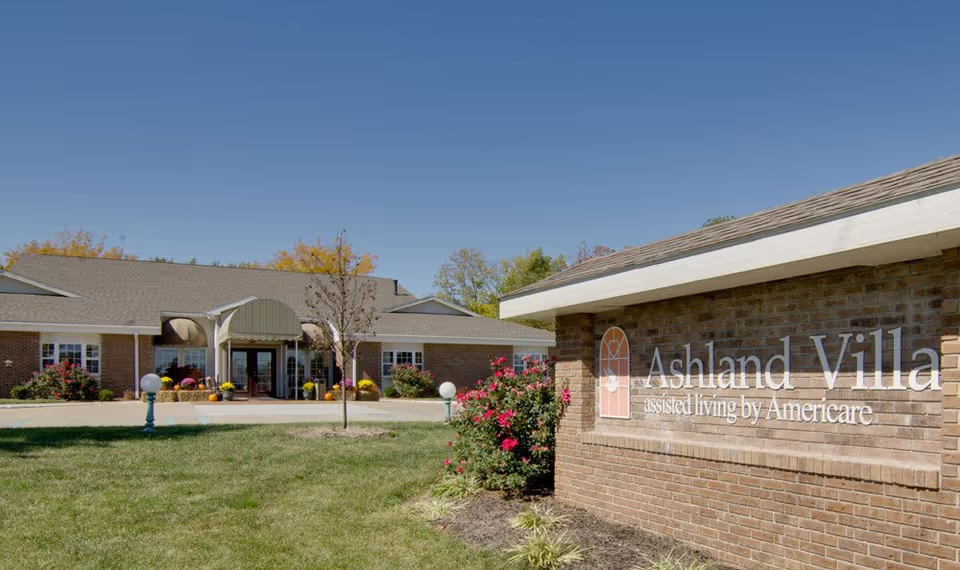
Overall impression: Colony Pointe Senior Living presents as a newer, well-kept community with many strengths in environment and interpersonal care. Reviews commonly describe a clean, bright building with pleasant grounds, outdoor seating and a garden patio, and apartment-style rooms that offer generous closet space and bathrooms. The facility offers auxiliary amenities such as a spa room, craft area and computers, which contribute to a homelike, activity-friendly atmosphere for many residents.
Care and staff: Staffing and clinical capability are mixed themes. Numerous accounts praise attentive, compassionate caregivers and nursing staff, noting good medication management and the availability of diabetes monitoring and portable oxygen support. Admissions and initial meetings are frequently described as responsive and informative. However, other accounts indicate variability in day-to-day clinical follow-through — examples include inconsistent execution of care plans, fluctuations in chronic-condition control, and delays in attending to incontinence or bedside needs. These contrast in perceptions suggest that clinical consistency and response times can vary by shift or unit.
Dining and activities: Activity programming is a clear strength for many residents, with frequent on-site offerings (arts and crafts, musical acts, puzzles, spa days, and organized outings) that keep residents engaged. That said, there is variability in program frequency and the extent of offsite trips. Dining quality is another mixed area: several reviewers describe clean, well-organized dining spaces and positive meals (notably breakfast and some praised menu items), while others raised concerns about meal quality, limited menu suitability for specific needs such as dementia-friendly diets, and occasional reliance on convenience offerings. Prospective residents should assess menu options and special-diet accommodations during a tour.
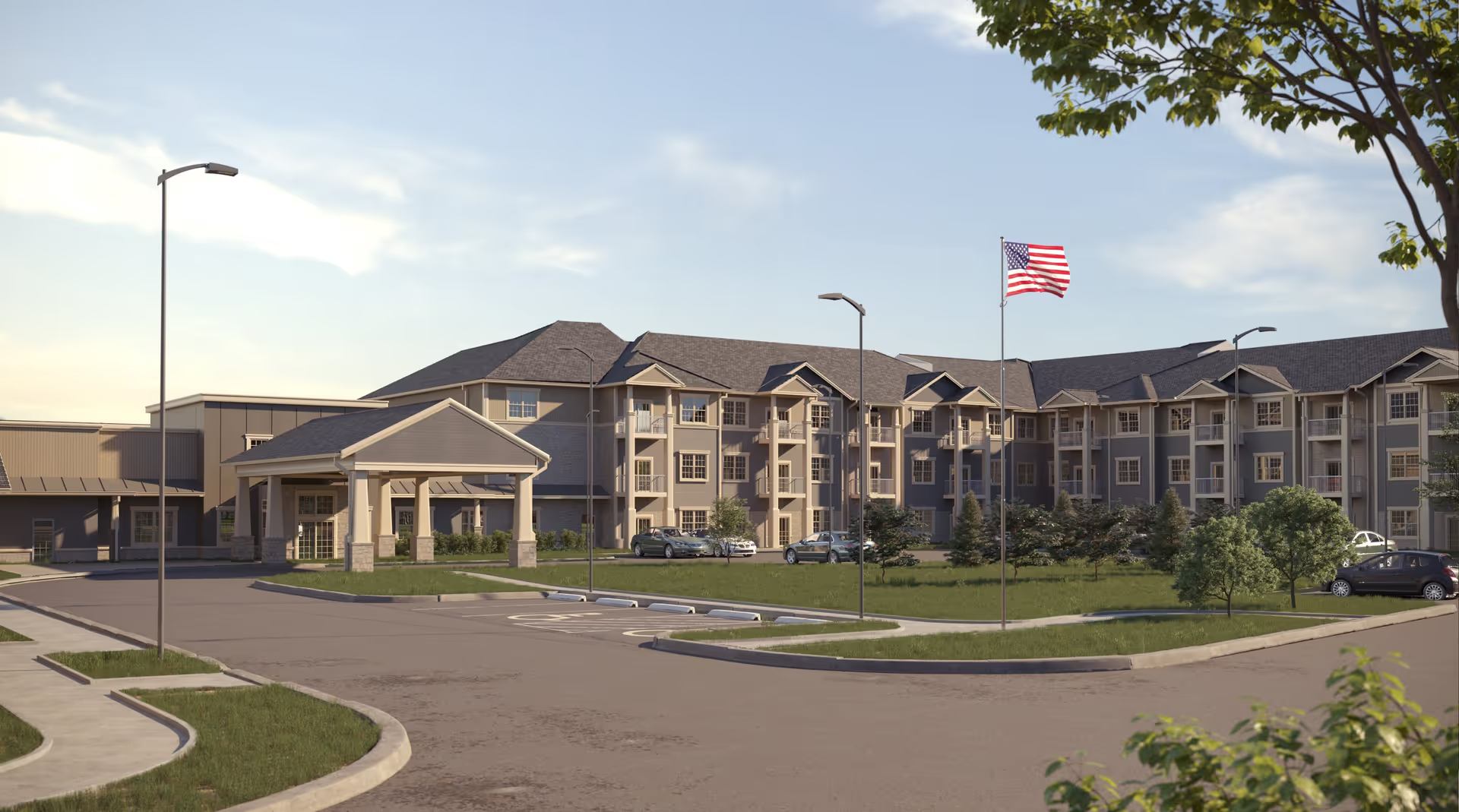
Facilities and operations: The physical plant is generally viewed positively — newer construction, clean common areas, and pleasant views. Some practical limitations were noted, including smaller lobby or dining-room layouts and smaller unit configurations in certain apartments. Operationally, reviewers described issues that point to uneven housekeeping and sanitation practices at times, and design choices such as a glassed-in nurses' station that may reduce direct floor visibility. There are also observations about limited external camera coverage and occasional gaps in onboarding or procedural communication for families (for example, move-in checklists and alarm-code guidance).
Patterns and considerations: The overall pattern is one of a largely well-maintained community with strong interpersonal care and good programming, combined with operational inconsistencies in staffing, housekeeping, and some clinical follow-through. These mixed patterns suggest variability by shift, staff team, or unit rather than uniformly poor or uniformly excellent performance. Prospective residents and families should prioritize clarifying staffing ratios and response-time expectations, the facility's approach to clinical-care plan adherence (particularly for chronic conditions), dining accommodations, housekeeping schedules, and the visibility/security layout during a visit. Asking to speak with nursing leadership and to observe a mealtime or activity can help assess whether the facility's strengths align with a specific resident's needs.