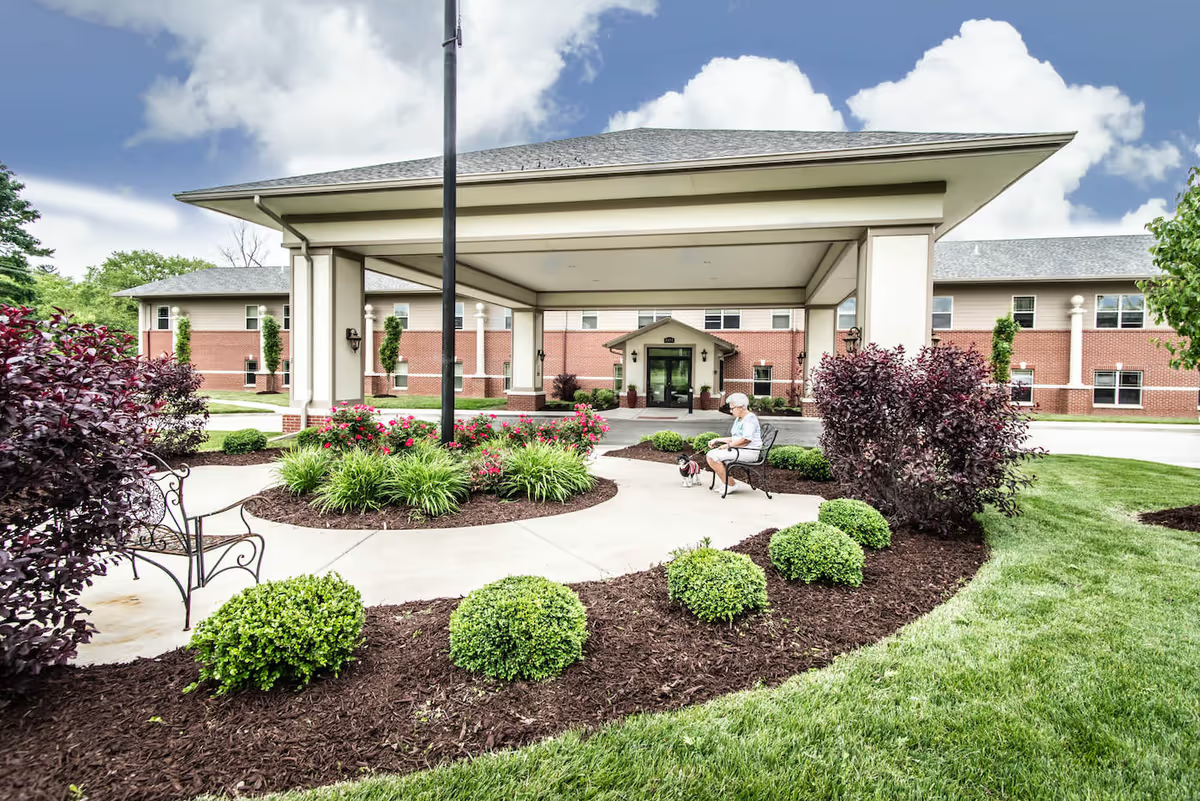
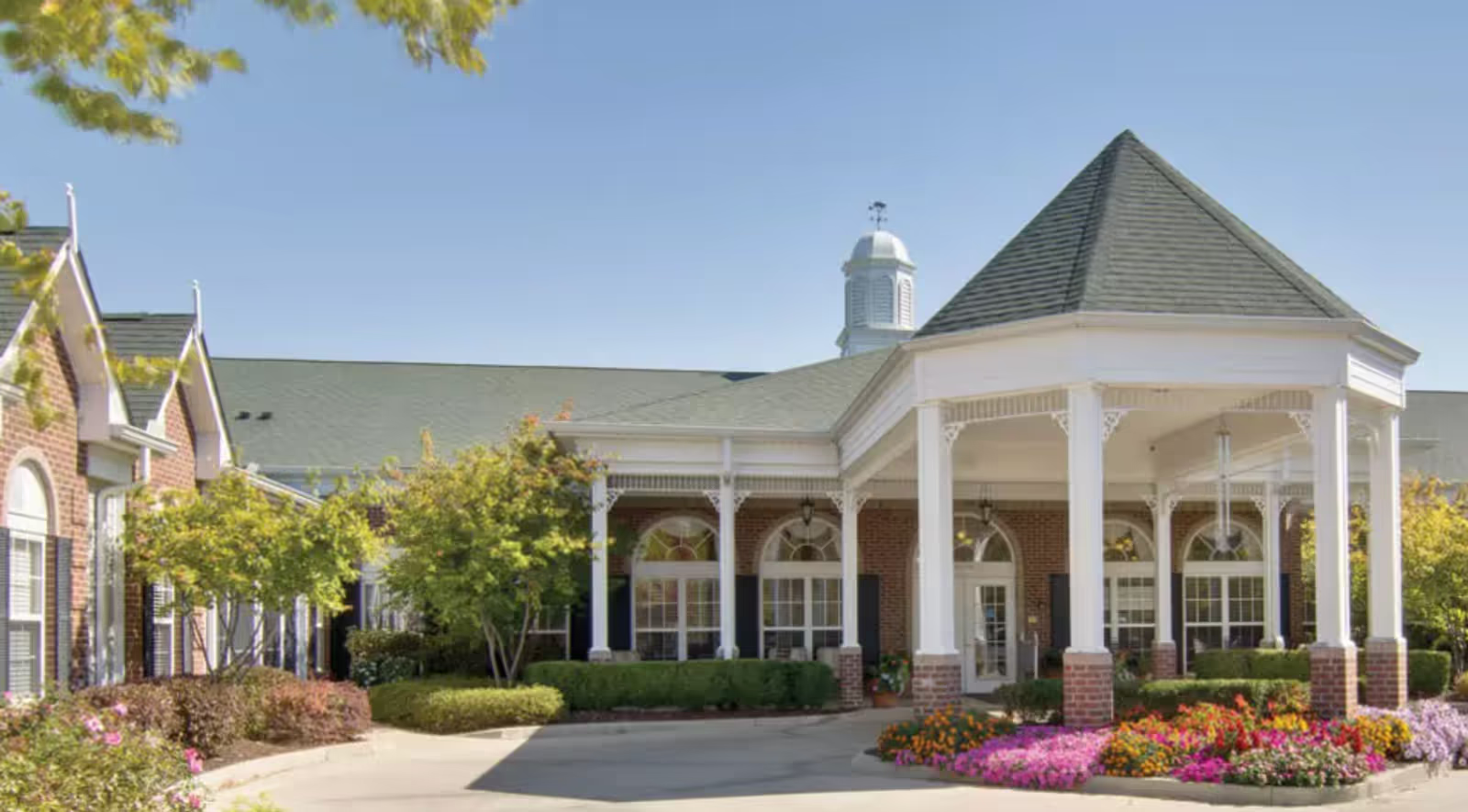
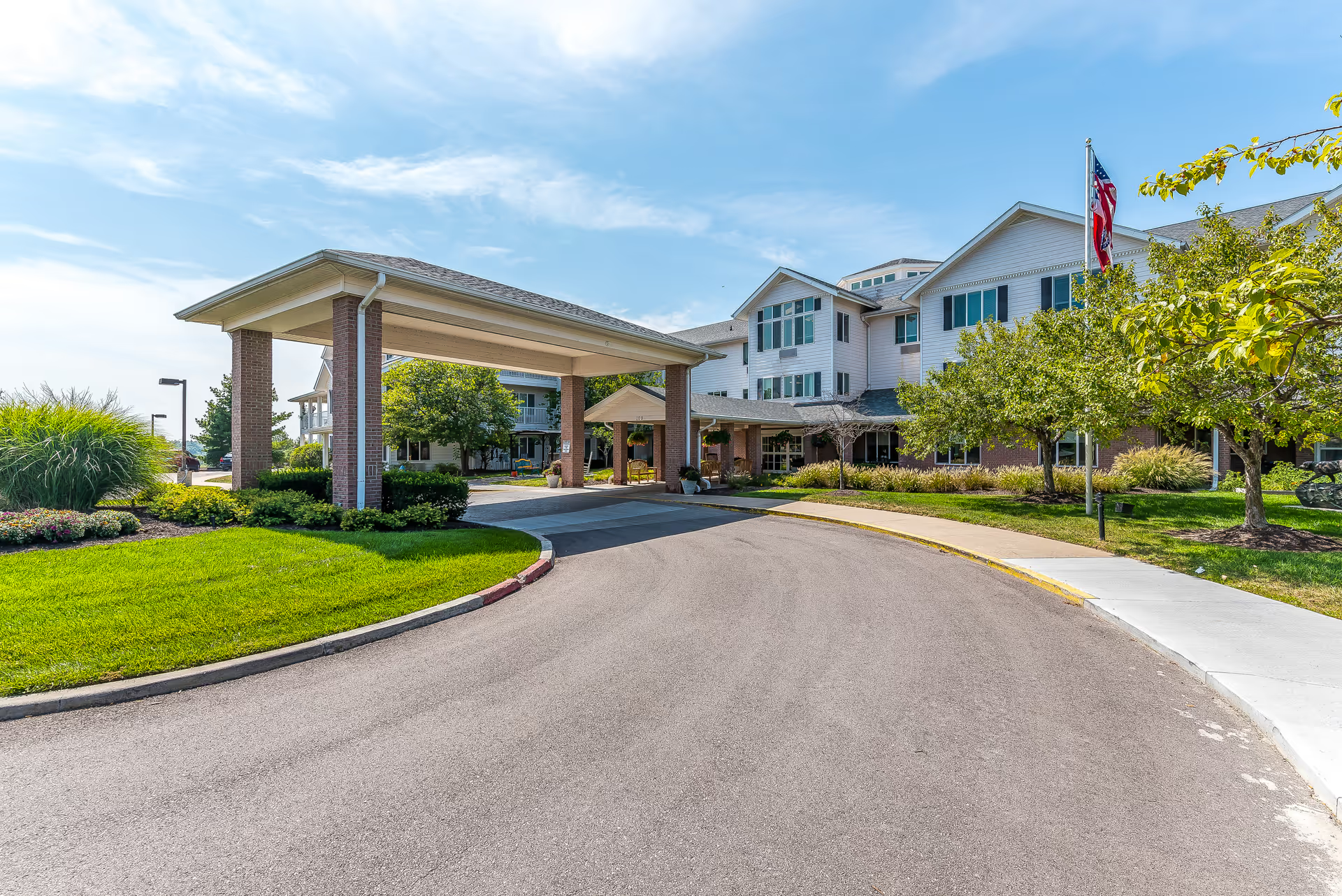
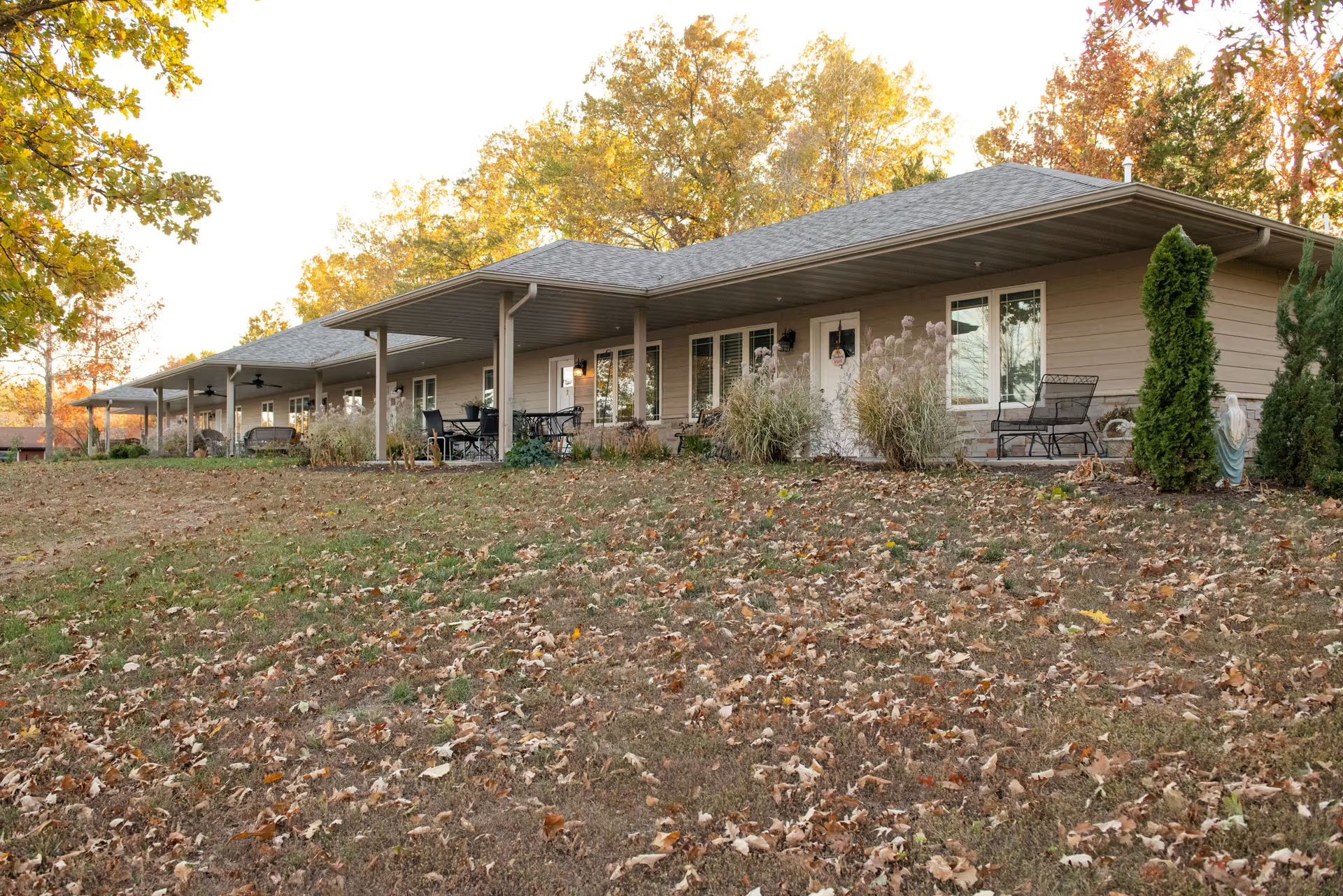
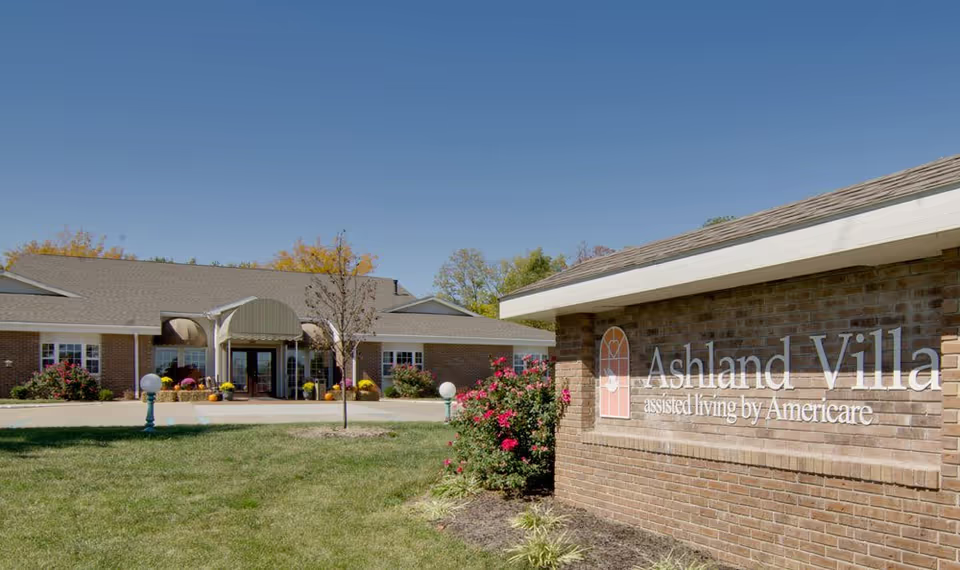
Mill Creek Village presents a mixed but clearly defined profile: many families and visitors praise the community for its compassionate, family-oriented staff, strong dementia-care capability, and a clean, attractive physical environment. The campus is frequently described as new or well-maintained, with comfortable cottages, roomy private rooms, pleasant decor, landscaped grounds, and on-site amenities such as a beauty shop. Several accounts highlight attentive staff communication, supportive end-of-life engagement with families, and an overall homey, well-designed atmosphere that many residents enjoy.
Care quality and staffing evoke polarized impressions. On the positive side, reviewers commonly describe empathetic caregivers who treat residents with respect and provide individualized support; dementia care and staff follow-through receive particular commendation. At the same time, there are consistent operational concerns around staffing stability. High staff turnover and periods of understaffing have been cited, with consequences including reduced coverage for activities and housekeeping. These staffing patterns appear to contribute to variability in service consistency from day to day.
Dining and activities show similar variability. Some families report nutritious, pleasing meals and an active calendar that includes walks and social programming. Others describe inconsistent meal quality, issues with meal temperature and presentation, limited menu variety, and periods when activity options are restricted or placed on lockdown. The community offers on-site dining and regular activities, but prospective residents should expect that experience may vary depending on staffing and management practices at any given time.
Facility operations and maintenance are another area of mixed feedback. The property’s appearance, furnishings, and landscaping are frequently praised, yet reviewers also describe limited housekeeping scope (including a lack of scheduled deep cleaning and more detailed dusting/window care) and inconsistencies in laundry and linen management. There are specific concerns about maintenance responsiveness and infrastructure reliability, including HVAC performance and delays or difficulties getting repairs completed. Combined with comments about higher monthly fees and reported vacancies, these operational issues suggest variability in oversight and resource allocation.
Overall pattern and guidance: Mill Creek Village offers many strengths that appeal to families seeking compassionate staff, a pleasant campus, and specialized dementia support. However, consistent themes — high turnover, periodic understaffing, housekeeping and maintenance gaps, and uneven dining and activity fulfillment — point to operational variability that can affect daily life. Prospective residents and families should consider an in-person visit and ask targeted questions about current staffing ratios and turnover, housekeeping schedules and deep-clean frequency, meal plans and sample menus (including meal-temperature controls), maintenance response times and warranty/repair procedures, activity calendars and contingency plans, and current occupancy/pricing. These inquiries will help clarify whether the community’s strong person-centered care examples are stable and replicable over time.