Care quality appears mixed. Several accounts describe timely, attentive interventions—including at least one report characterizing care as life-saving—indicating the facility can provide effective acute responses. At the same time, other accounts raise concerns about inconsistent day-to-day care and cleanliness in resident rooms and common areas. These contrasting reports suggest variability in routine care processes and oversight rather than a uniformly consistent level of service.
Staff observations are also mixed. Positive comments emphasize compassionate interactions and prompt assistance when staff are present. Negative observations focus on low staff visibility on units, unclear identification of personnel, variability in responsiveness, and at least one allegation of inappropriate language by a staff member. Taken together, the pattern suggests uneven staffing levels or supervision and variable professionalism, which affect families’ perceptions of reliability and tone in resident interactions.
There is limited information specifically about dining services in the provided summaries. Reviewers did not provide substantive, consistent commentary on meal quality, menu variety, or meal-service reliability, so a reliable assessment of dining is not possible from these summaries alone.
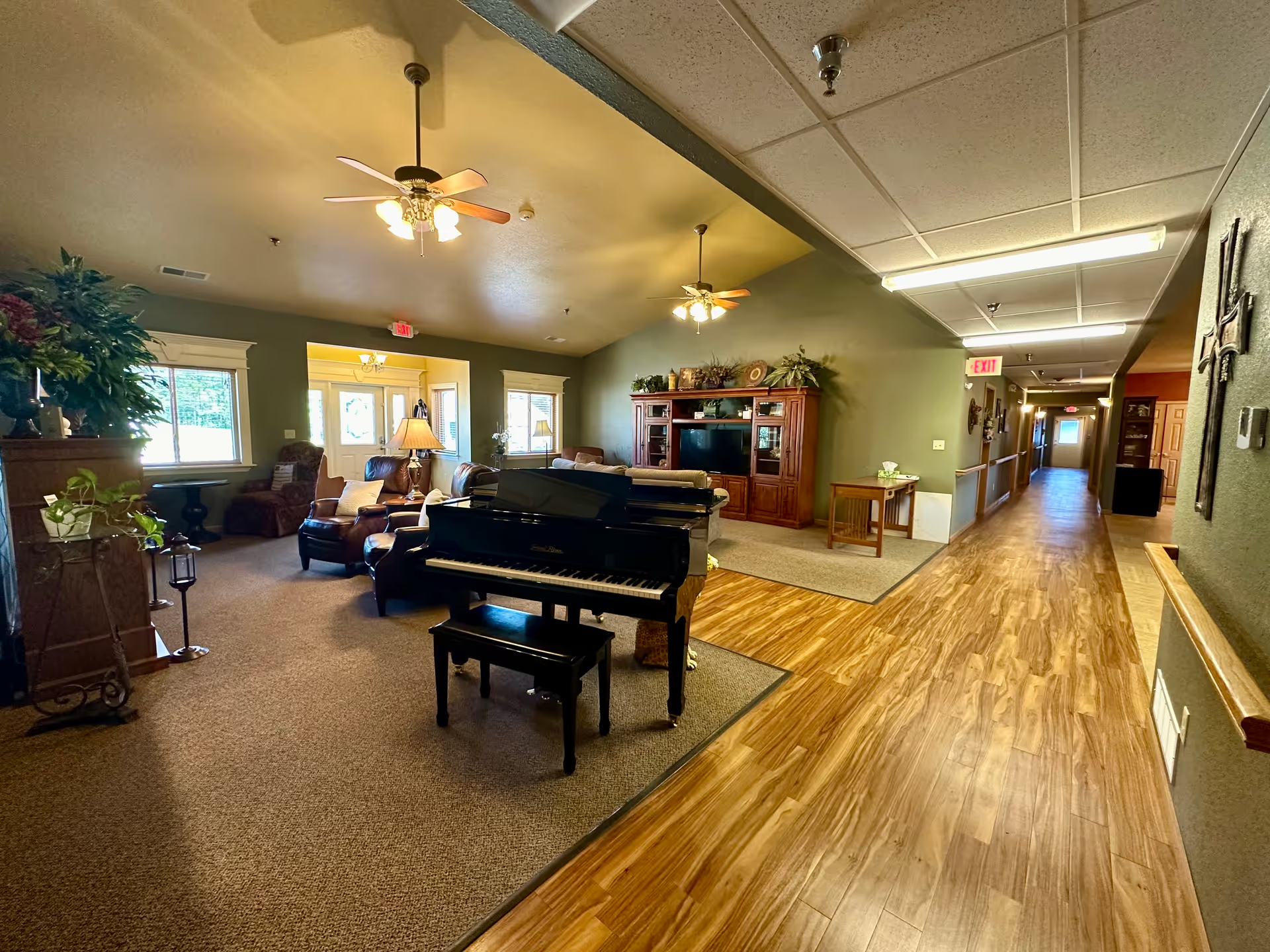
Activity and social engagement concerns recur in the feedback. Descriptions of a dreary or uninviting atmosphere and idle residents indicate that programming or common-area use may be limited or not well promoted. The physical environment and low communal appeal appear to reduce resident engagement, rather than clear evidence of structured, consistent activity programming.
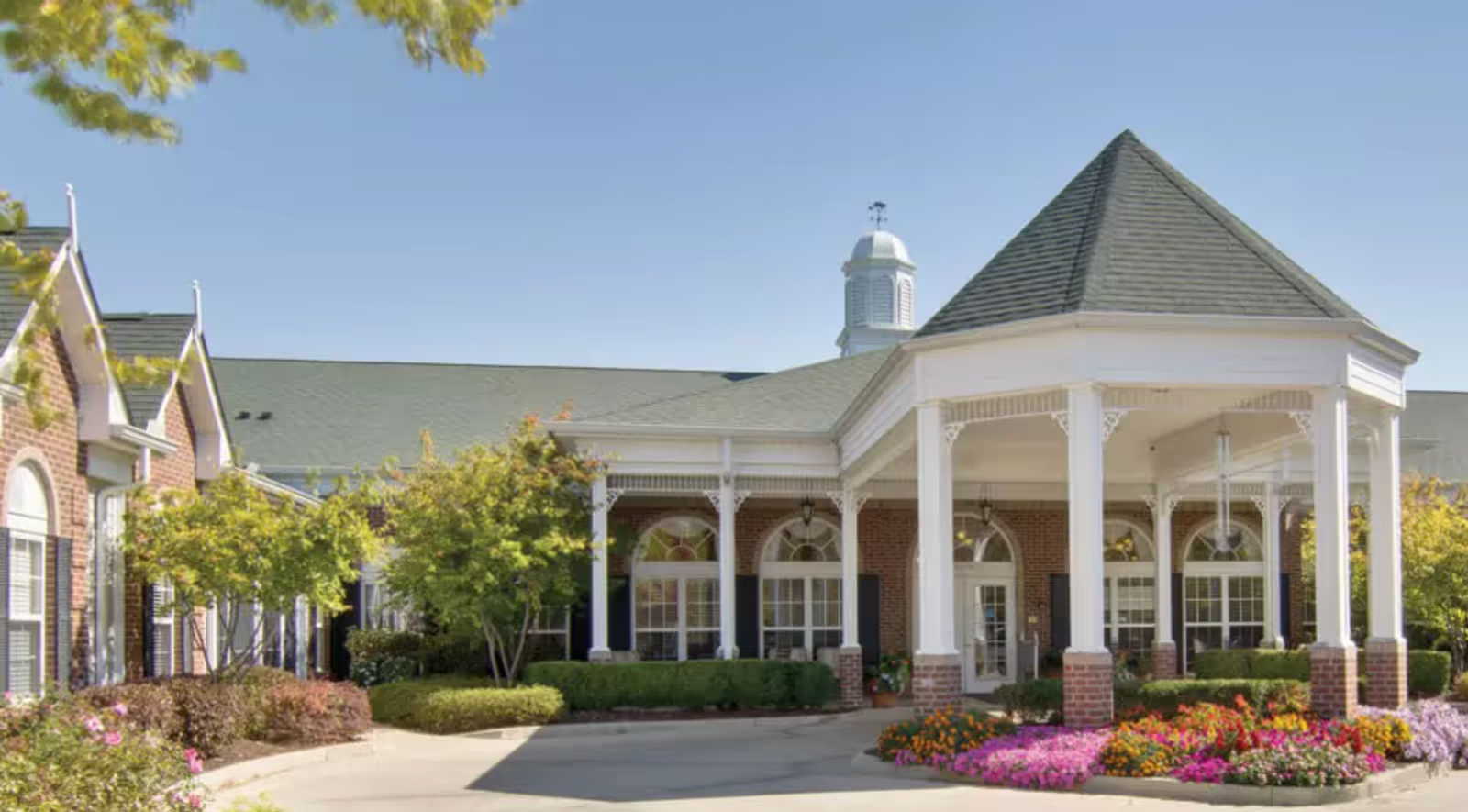
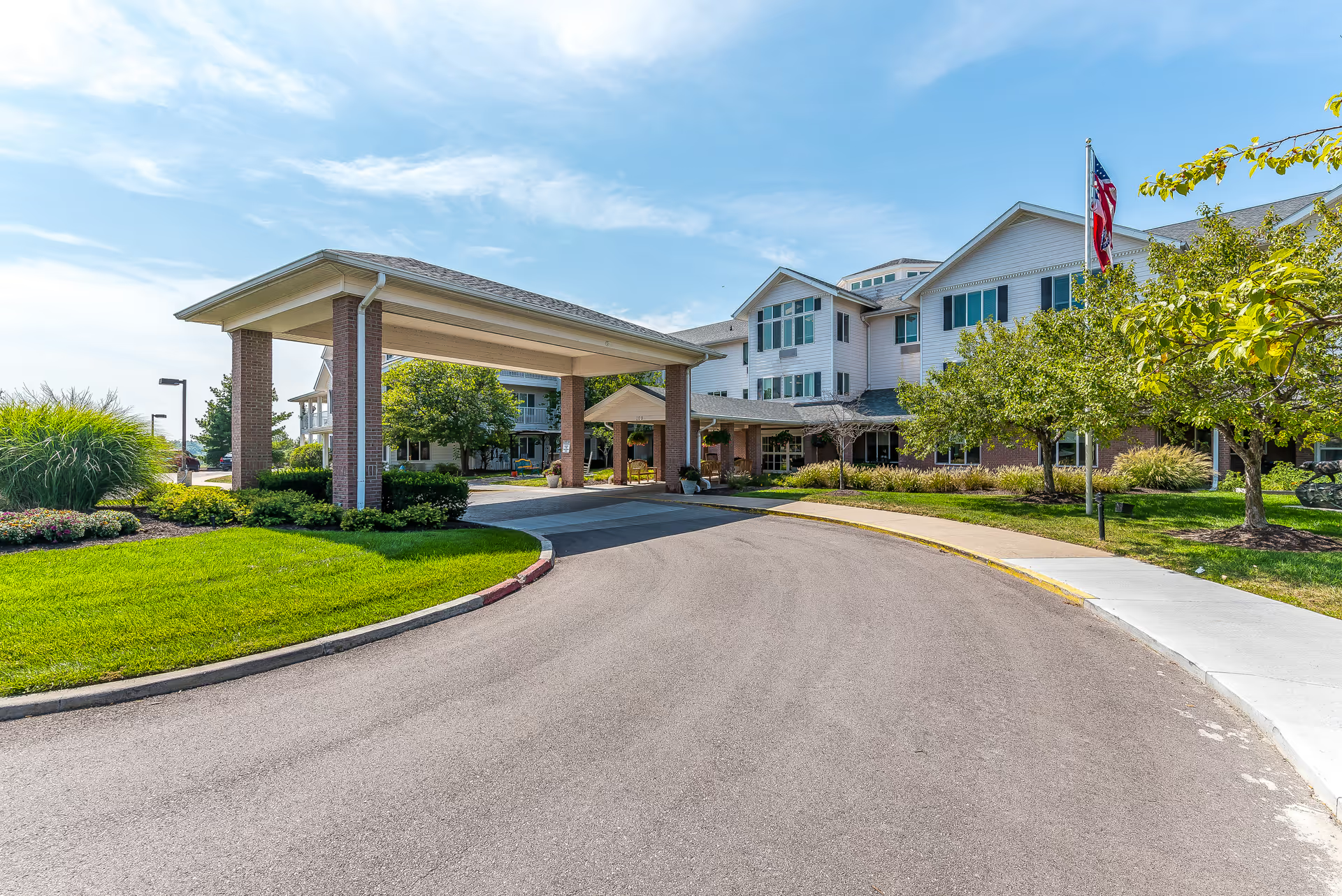
Facility condition is a prominent area of concern. Multiple comments describe aging finishes, worn carpeting, walls in need of painting, and an overall dated presentation of common spaces. These observations point to a need for capital maintenance and cosmetic upgrades to improve both appearance and resident comfort. One positive note is that private rooms were described as small but adequate in size, so personal living spaces may meet basic spatial needs even where communal areas feel dated.
Management and value perceptions are mixed. Some reviewers perceive that financial priorities and lack of investment contribute to deferred maintenance and an institutional atmosphere; others praise individual staff members and prompt care in specific situations. The combination of perceived understaffing, limited supervision, and deferred facility upgrades creates concerns about overall value relative to cost.
Notable patterns: there is a clear split between reports of effective, even critical, care interventions and reports of operational problems such as building maintenance, sanitation concerns, unclear staff identification, and inconsistent staff professionalism. Prospective residents and families considering this community should observe staffing visibility, cleanliness in both private and common areas, and the activity environment during a visit. If these issues are important, ask management about recent or planned capital improvements, staffing ratios, staff identification protocols (for example, uniforms or badges), and programming schedules to better understand how the facility addresses these operational areas.