Overall impression: Reviews convey a mix of positive everyday experiences and important operational concerns. Many families and visitors describe a warm, small-community atmosphere with clean, well-maintained common areas and a generally friendly staff. At the same time, several accounts raise substantive questions about how the facility handles urgent medical situations, staff conduct, and routine staffing levels.
Care quality and clinical issues: Positive comments emphasize attentive caregiving and the availability of hospice-level services for residents who require end-of-life support. However, there are also reports that point to gaps in clinical assessment and emergency escalation. Those accounts describe delays or difficulty obtaining timely medical attention in urgent situations, and one description included outside-authority involvement to secure help. Prospective families should ask the facility about on-shift clinical staffing, emergency protocols, response times, and how urgent medical concerns are escalated to outside providers.
Staff, management, and communication: Many reviewers praise individual caregivers and note supportive leadership and engaged staff. Simultaneously, there are concerns about inconsistent staff conduct and the tone of communication with residents and family callers. Additional patterns include under-staffing and weaknesses in call-handling or family-notification processes. These issues point to uneven oversight and training rather than a uniform culture; asking about staff training, supervision, and staffing ratios at different times of day can help clarify expectations.
Dining and activities: Reviews are favorable about the dining program and the variety of activities offered. Residents are said to have access to regular programming — exercises, bingo, church services, movies — often led by an activity director. The setting is described as small and communal, which can be conducive to participation and social engagement. Families who prioritize active programming should inquire about current activity schedules and participation levels.
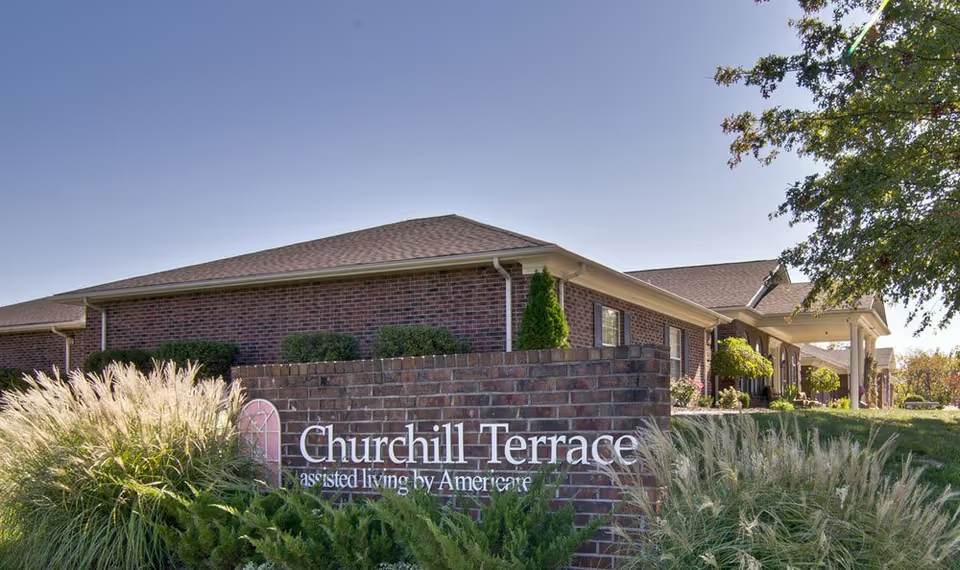
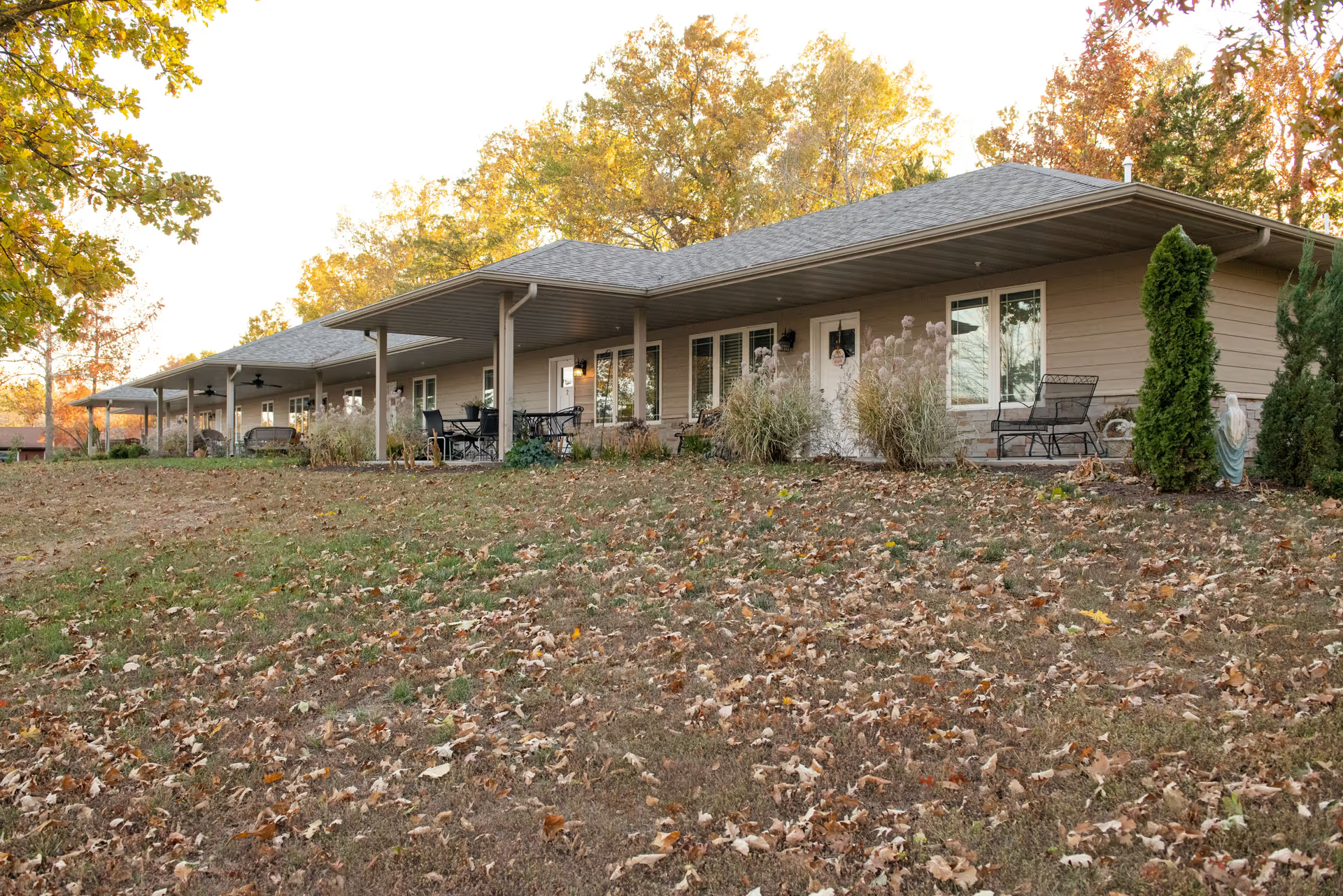
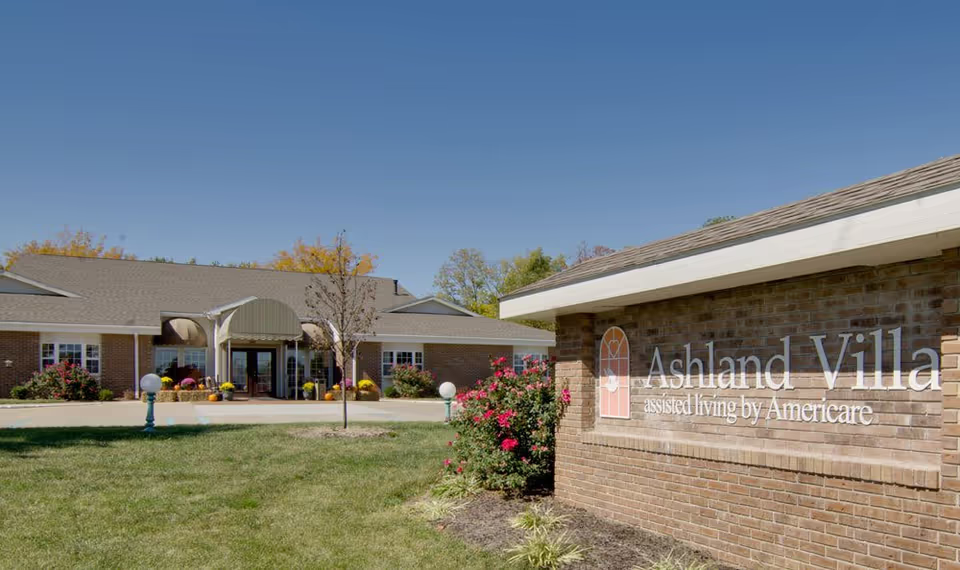
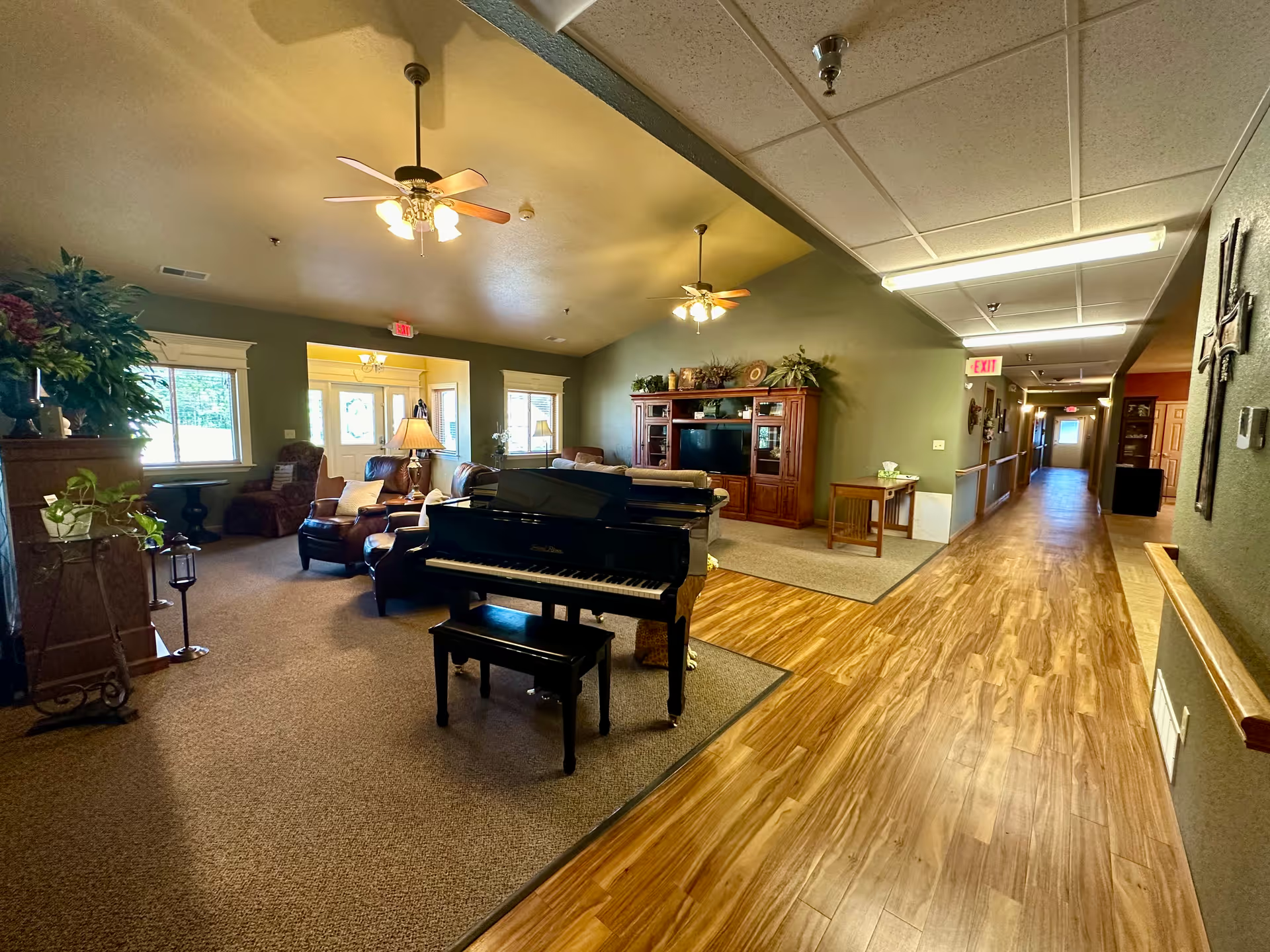
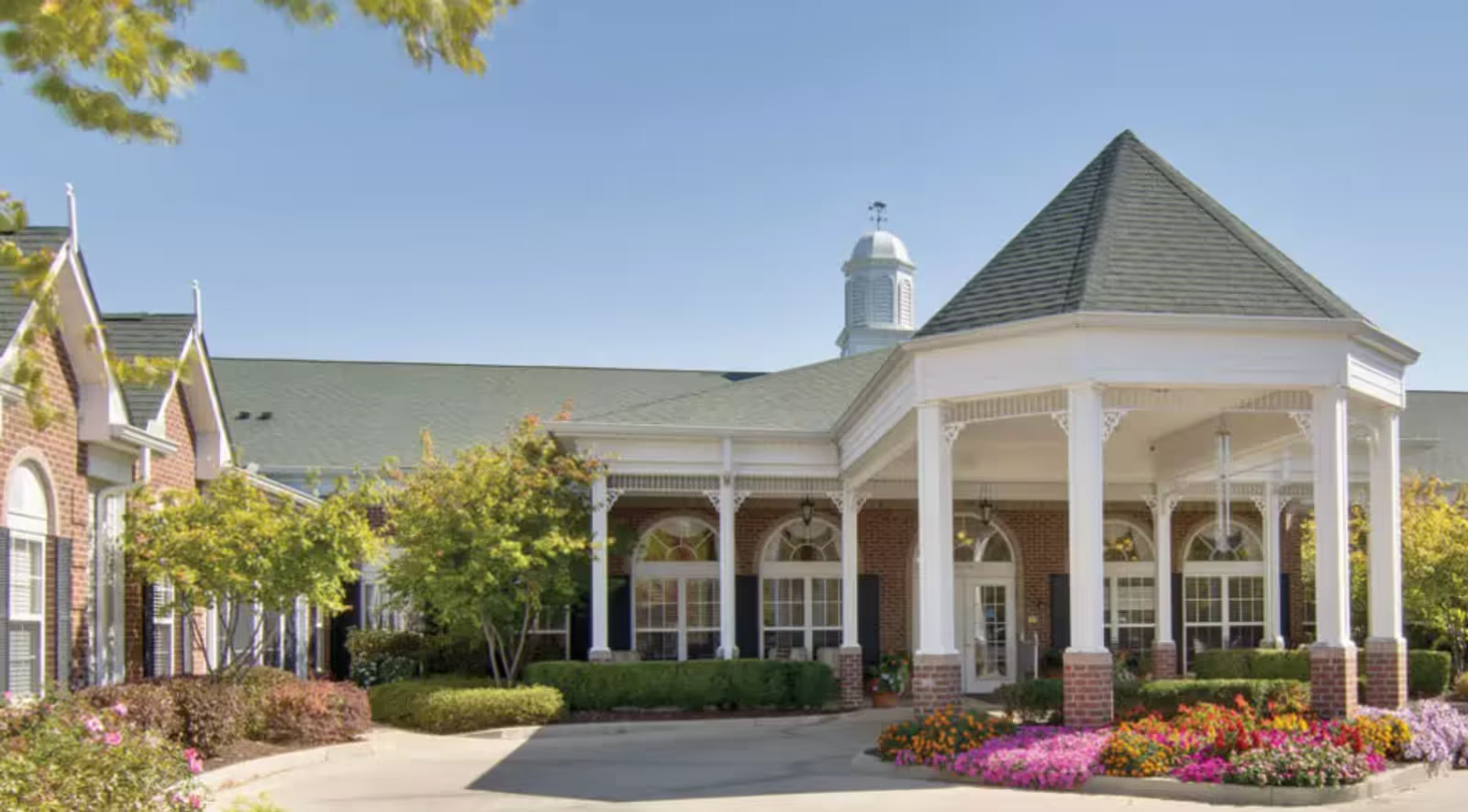
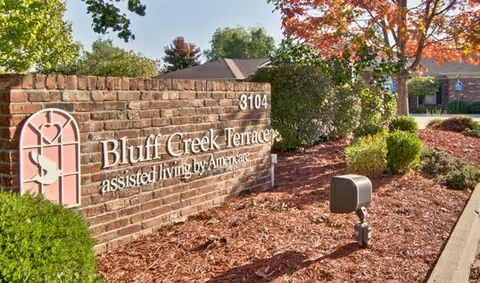
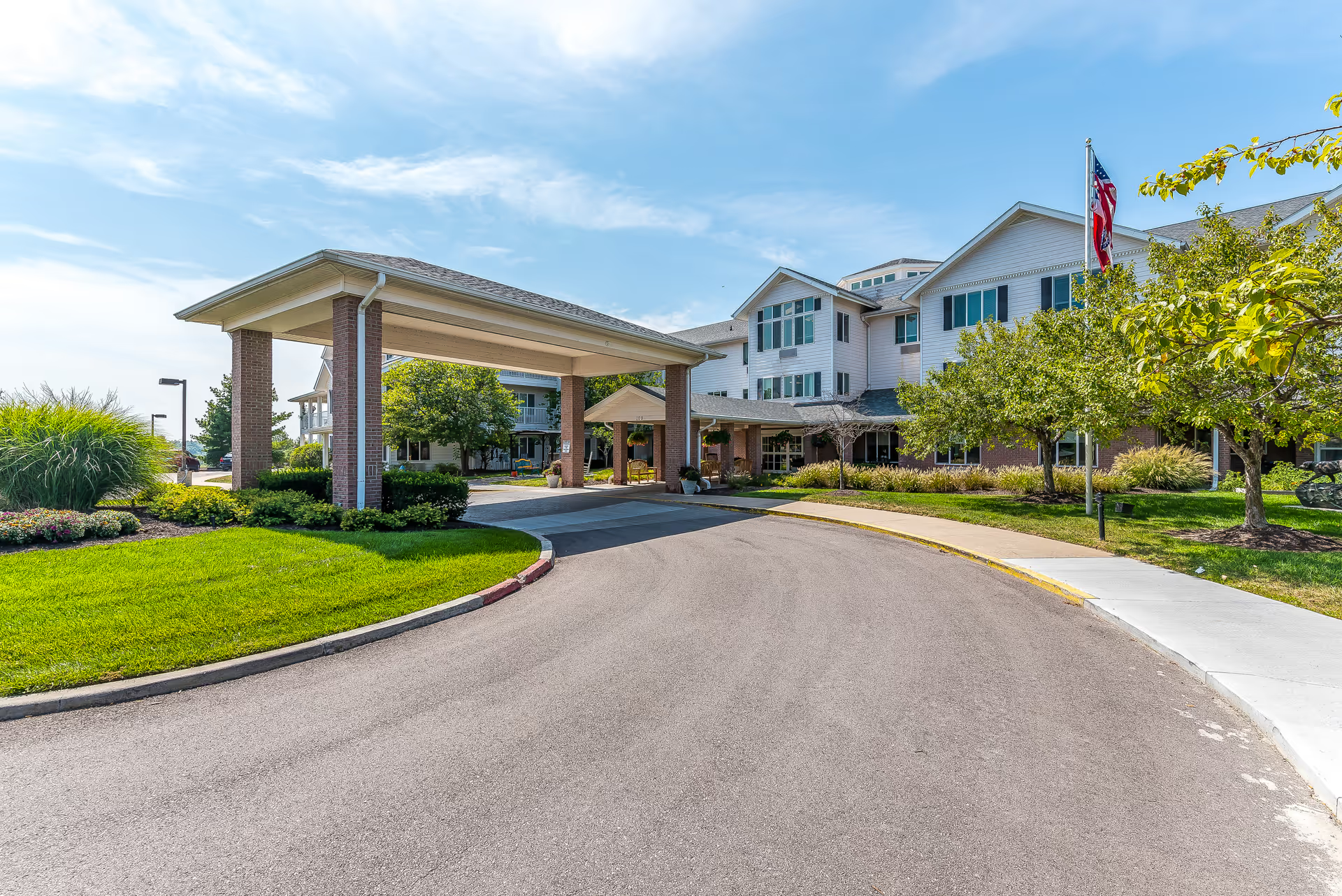
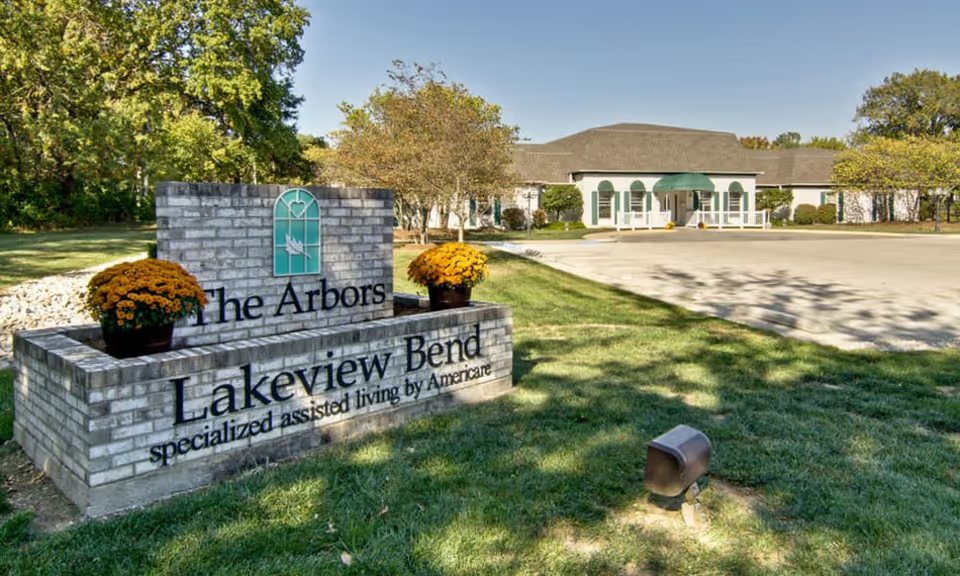
Facilities and location: The physical plant receives positive comments for cleanliness and an appealing interior. The facility’s smaller size and convenient proximity to local physicians are noted advantages for families seeking close-by medical access. Visitation is generally described as flexible, which may be important for family involvement.
Actionable considerations: Given the mixture of strong everyday supports and reports of serious operational lapses, prospective residents and their families should verify specifics before deciding. Key questions include: current staffing ratios and typical coverage by clinical staff; documented emergency-response procedures and examples of recent emergency handling; staff training and supervision practices; how family communications and after-hours calls are managed; and verification of hospice and end-of-life services. Direct observation of staff–resident interactions during a visit can also help assess communication tone and responsiveness.