Reviews of Hillcrest Manor are polarized, with some families describing attentive, friendly staff and a pleasant physical environment, while others describe serious operational and clinical concerns. The pattern suggests variable performance across shifts, units, or individual caregivers: where the facility provides strong day-to-day assistance and a bright, comfortable dining atmosphere, other experiences point to inconsistent care processes and communication breakdowns.
Care quality: Several accounts raise substantial concerns about the facility’s clinical response and escalation processes. Reviewers referenced acute hospital transfers for serious medical conditions and concerns following a resident’s hospitalization and subsequent death. These narratives highlight potential gaps in early recognition of declining medical status, timeliness of clinical intervention, and post-incident family communication. At the operational level, medication-management practices and handoff/monitoring processes appear inconsistent.
Staff: Many families praised individual staff members as kind, accommodating, and willing to go beyond basic duties. At the same time, other reviews describe unprofessional conduct, delayed responsiveness to resident needs, and problematic interactions with families (including blaming family members). There are also specific concerns about medication access and control. This mix indicates variability in staff training, supervision, or staffing ratios rather than uniformly consistent staff performance.
Rehabilitation and medical coordination: A recurring theme is unmet expectations around rehabilitation services and coordination of outside medical appointments. Reported problems include rehabilitation plans that did not meet anticipated needs, residents not being transported to physician appointments, and unclear rehab outcomes. Prospective residents should obtain a detailed, written therapy plan, measurable goals, and confirmation of transportation and appointment procedures before admission.
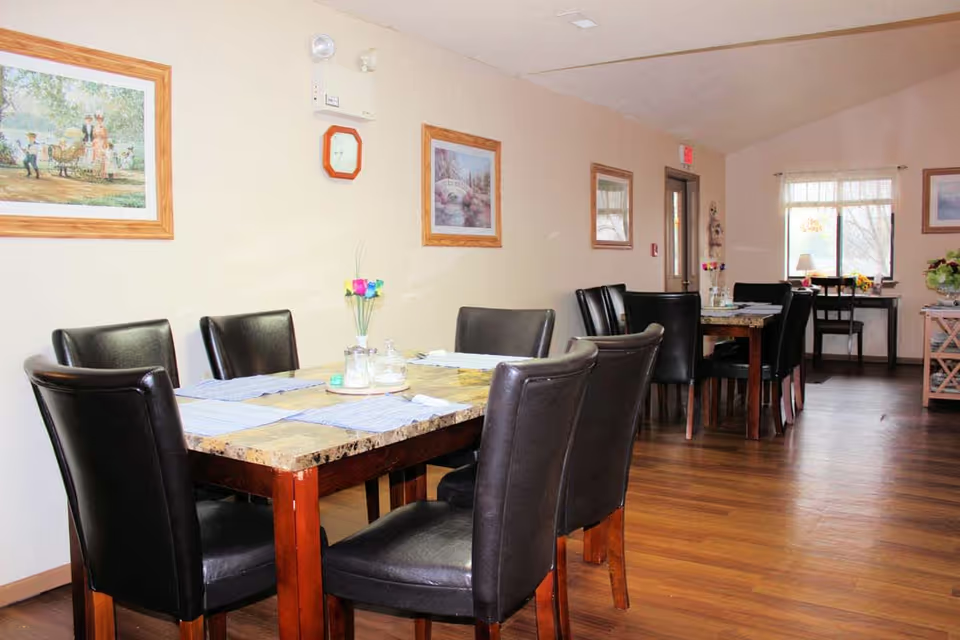
Dining, activities, and facilities: Positive comments emphasize a cheerful interior and an engaging dining room ambience (including live birds), which families found pleasant. However, those positives are tempered by sanitation and cleanliness concerns in both resident rooms and common areas. Activity programming beyond the dining environment was not frequently described in the reviews; families interested in social and therapeutic programming should request current activity schedules and observe sessions during a visit.
Management and belongings: Reviewers pointed to deficiencies in social-work and management coordination, including communication gaps and what families perceived as insufficient advocacy or case management. There are also reports consistent with inadequate handling and inventorying of personal belongings, including allegations of improper disposal or loss. Families should clarify the facility’s policies for personal-property inventory, storage, and disposition, and document belongings on admission.
Notable patterns and recommendations: The overall pattern is one of uneven performance — clear strengths in staff members who are compassionate and in aspects of the dining environment, counterbalanced by operational weaknesses that affect safety, rehabilitation outcomes, and family trust. Prospective residents and families should: tour the facility multiple times (including mealtimes and medication rounds), ask for written rehabilitation and clinical-care plans, review medication and belongings policies, speak with the director of nursing and social worker about communication protocols, and check recent inspection and licensing records. Those steps can help determine whether the facility’s strengths align with the prospective resident’s needs and whether identified operational gaps have been addressed.