Overall impression: Norterre receives largely positive feedback for its person-centered environment, household model, and engaged staff. Families frequently highlight compassionate day-to-day care, a welcoming move-in experience, and a broad activities program that fosters socialization and resident engagement. The community’s household layout, in-room kitchenettes, and secure memory-care unit are cited as strengths that create a home-like atmosphere and support family involvement.
Care quality and clinical operations: Many families praised nursing and medical teams for timely medication administration, proactive health updates, and attentive medical care. At the same time, a pattern of variable responsiveness appears in several accounts: long waits for assistance and delayed nurse response times were noted, and reviewers expressed the need for stronger clinical oversight and additional staff training. There are also indications that care start-up can lag during staffing transitions, with improvements reported after key staff returned or changes were made. These items suggest the facility generally delivers good clinical care but may have operational gaps that affect consistency.
Staff and management: Staff are widely described as caring, patient, and willing to go above and beyond; communication with families is frequently described as clear and helpful. The activities leadership (specifically the activities director) is singled out for positive impact on resident life. Conversely, some comments indicate occasional concerns about staff conduct or tone and call for enhanced training and stronger nursing leadership. Management strengths include professional administration around admissions and activity programming, while opportunities exist around clinical leadership continuity and staff development.
Dining and nutrition: Dining receives mixed but mostly positive commentary. Cooks and kitchen staff are praised for quality meals, responsiveness to dietary restrictions, and culturally diverse offerings — including staff-led ethnic cooking. However, operational issues affect meal access for some residents, especially during dinner-hour service, and there are isolated concerns about dining-area sanitation. These patterns indicate strong culinary capabilities that would benefit from tighter meal-service coordination and consistent cleanliness monitoring.
Activities and social life: The activity program is a clear strength. Reviewers emphasize engaging, patient staff-led programming, therapies tailored by level of care, and frequent opportunities for residents to socialize and form friendships. This area contributes significantly to families’ reports of residents being happier and more active after moving in.
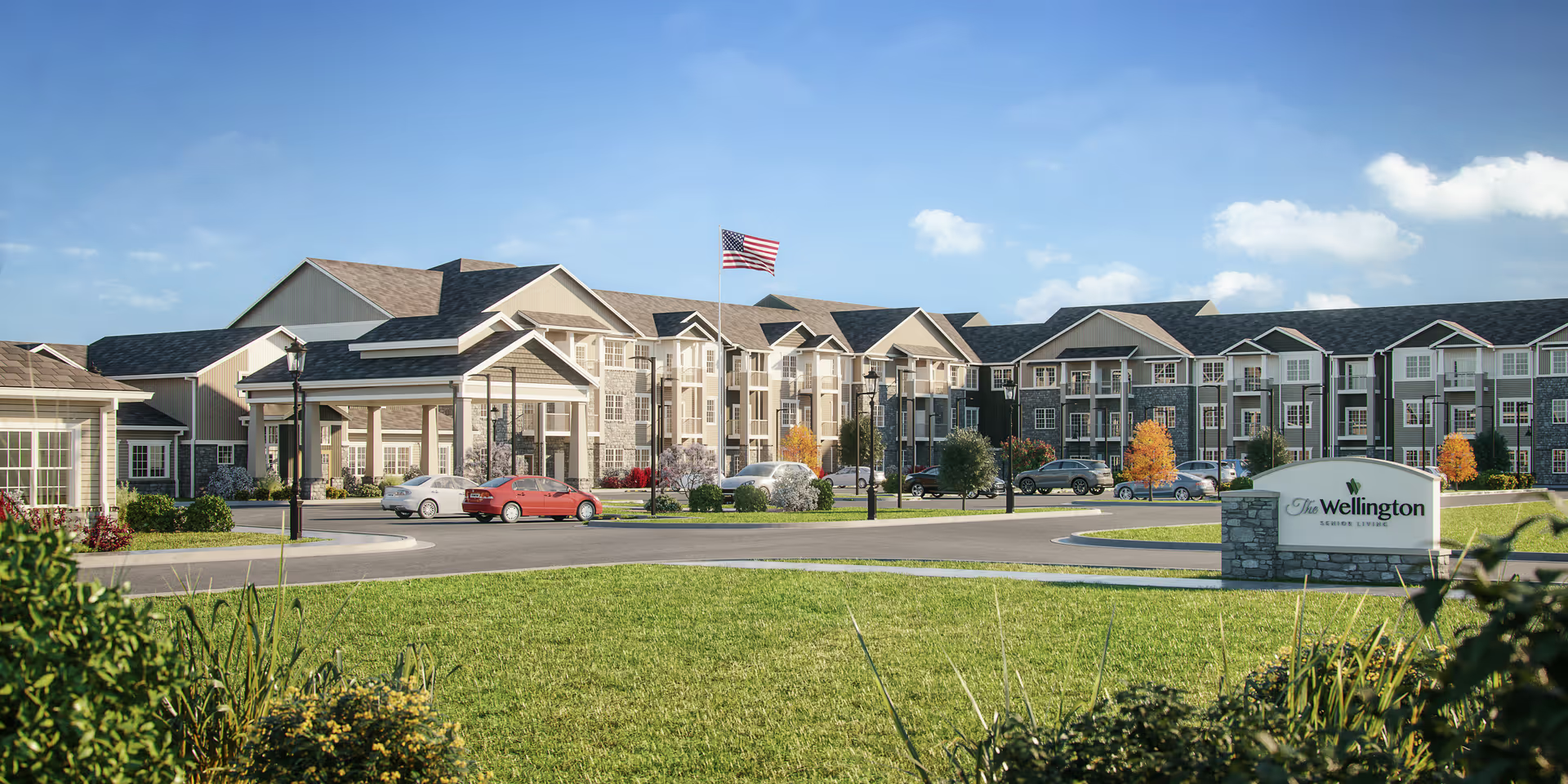
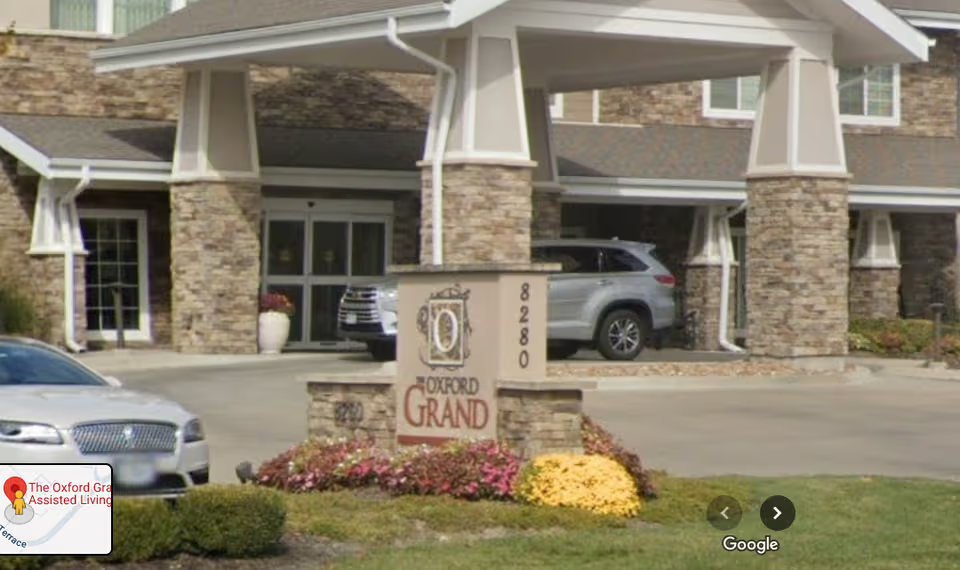
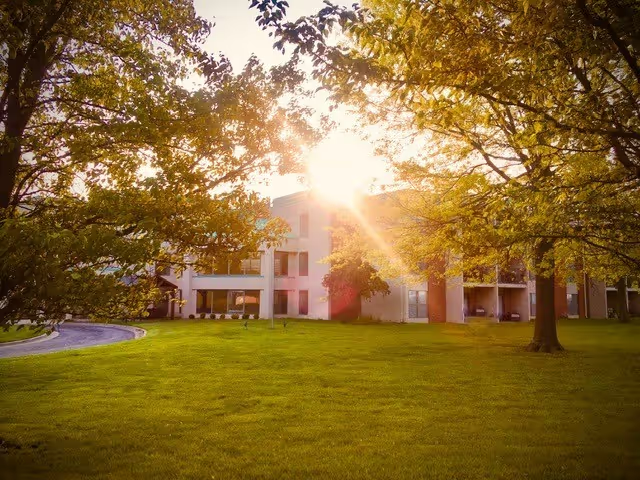
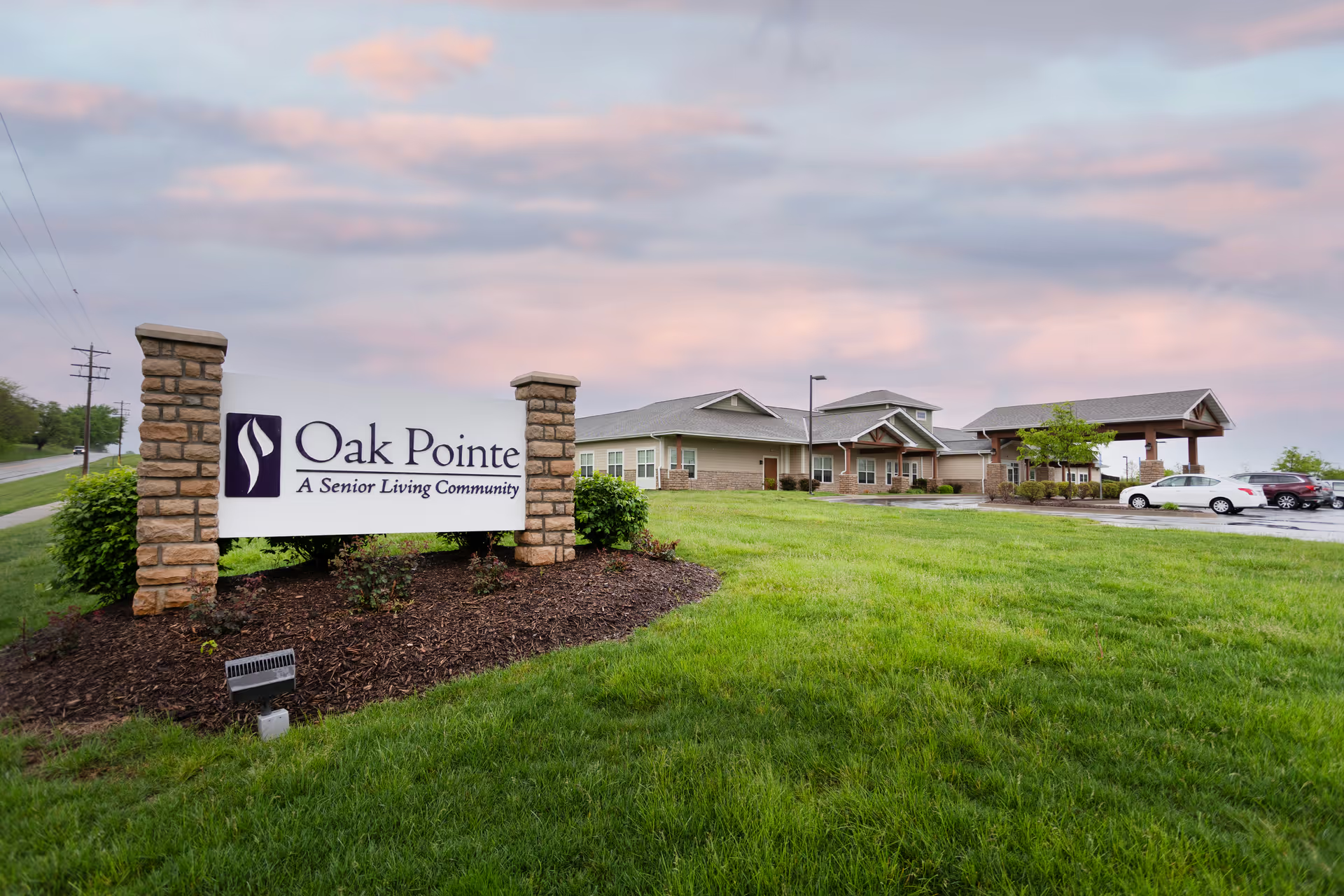
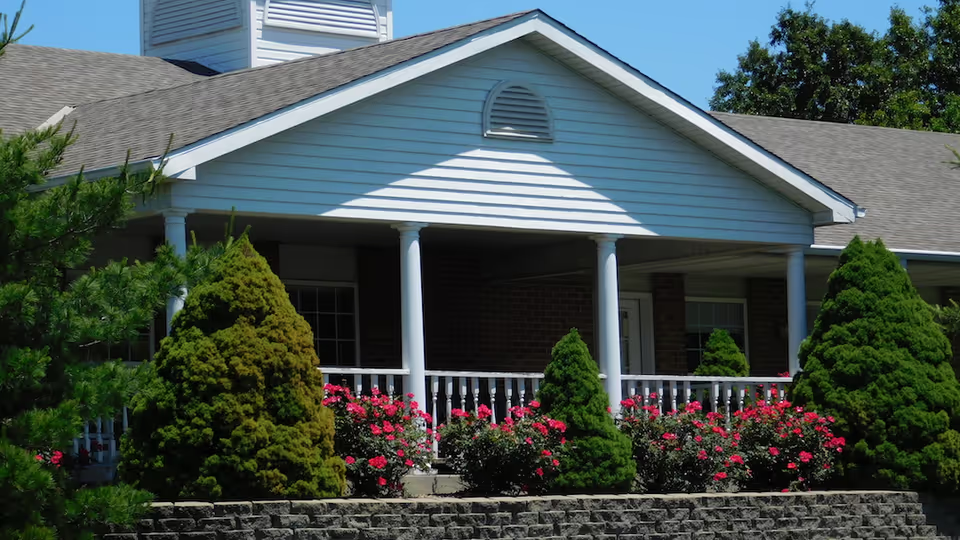
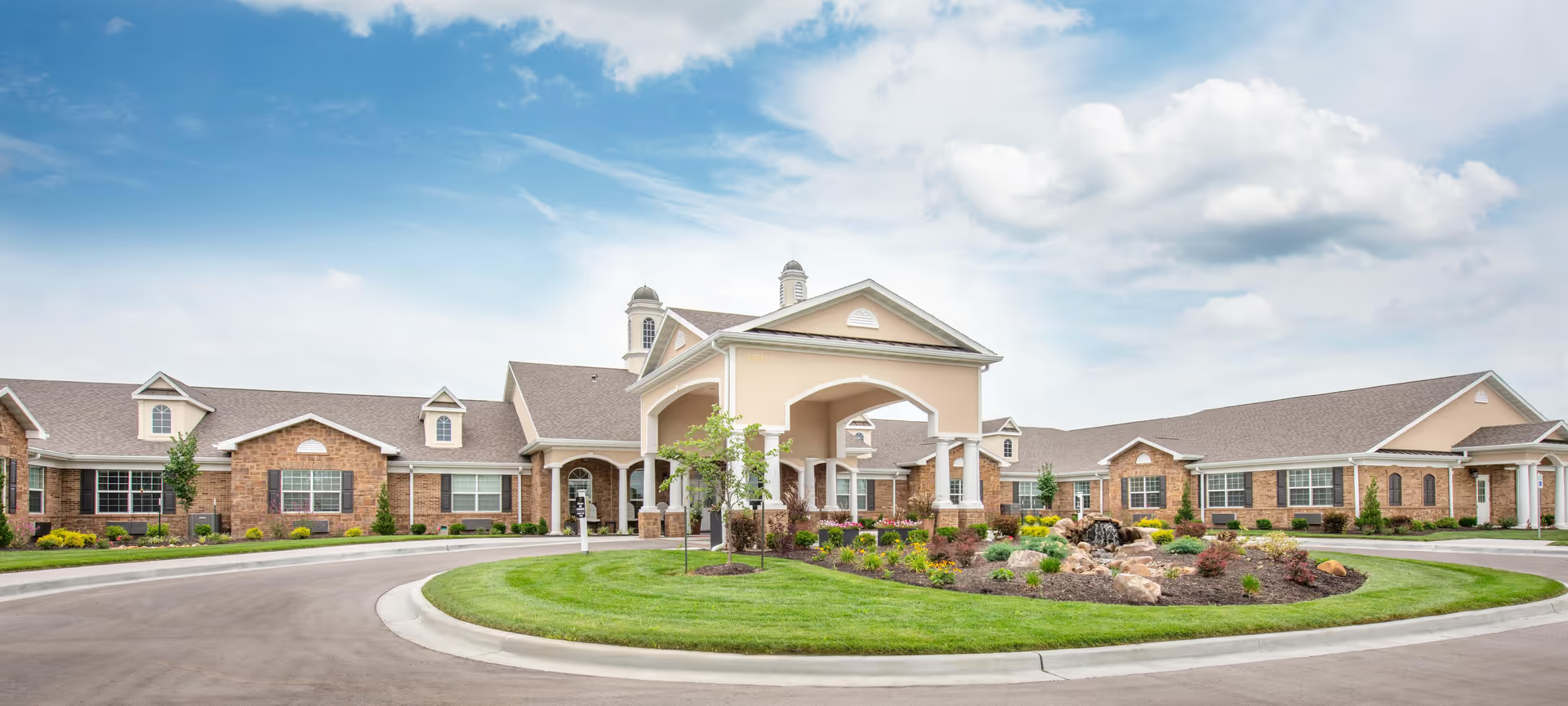
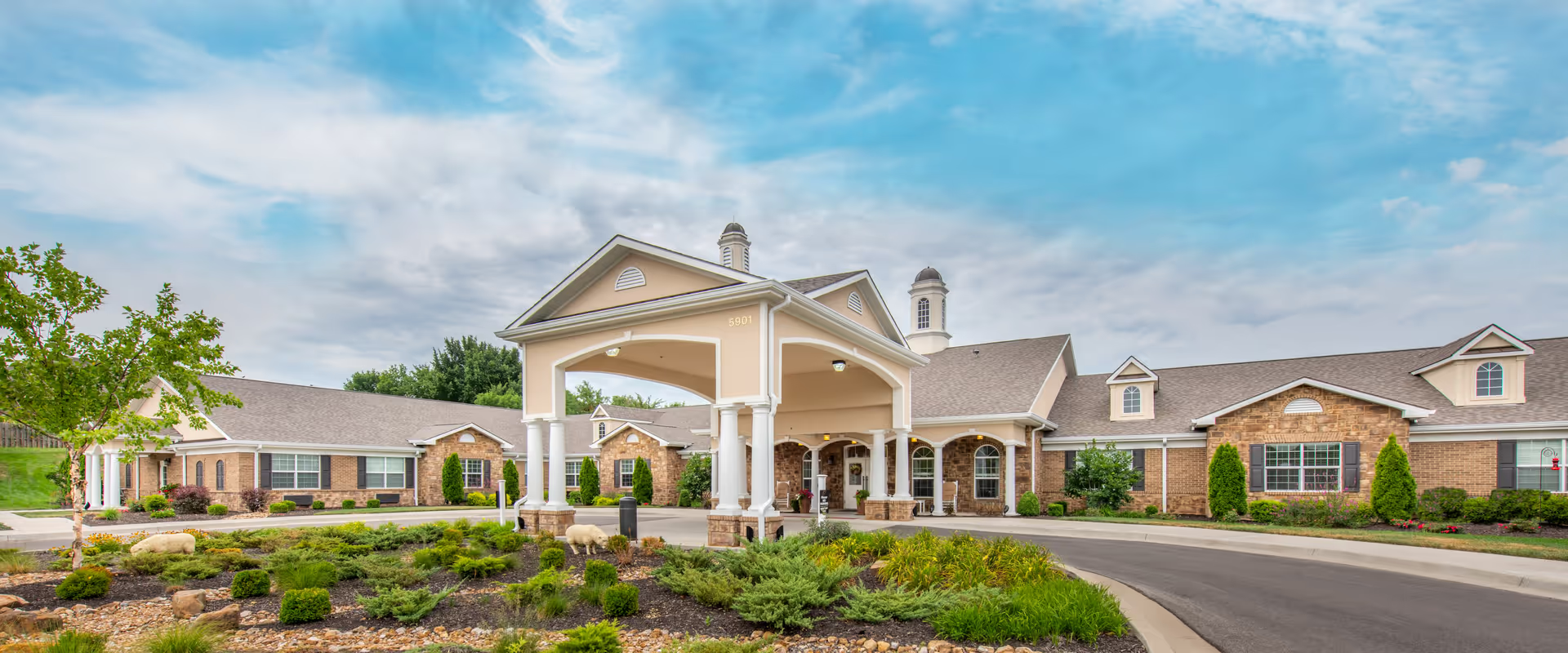
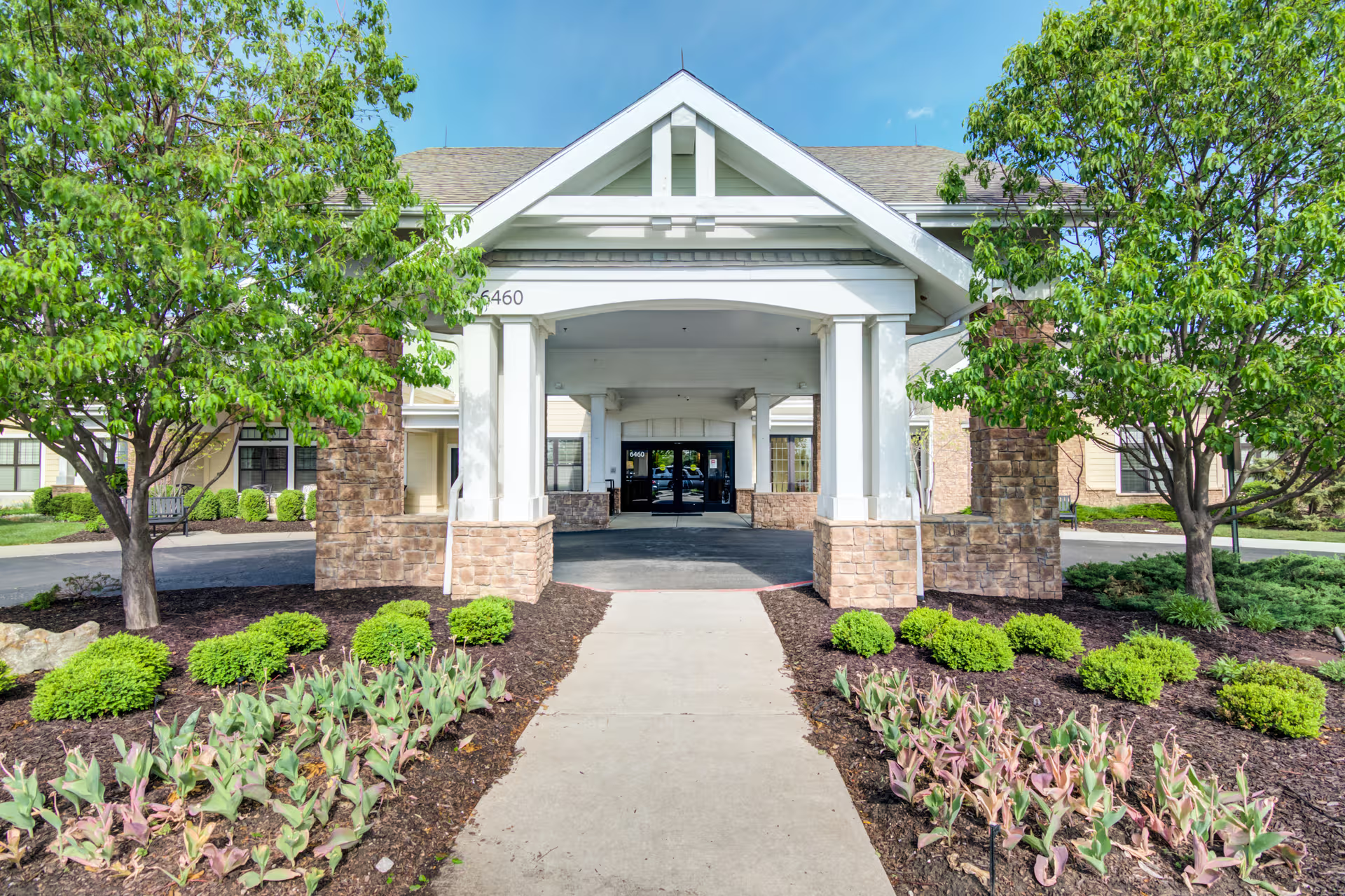
Facilities and environment: The community is frequently described as clean, well-maintained, and home-like. Apartments receive praise for quality and upkeep. The household floor model and in-room kitchenettes support a residential feel and private dining options. One noted facility limitation is restricted direct outdoor access from some rooms.
Notable patterns and recommendations: The dominant themes are strong interpersonal care, an effective activities program, and appealing dining that accommodates preferences and restrictions. Operational weaknesses cluster around inconsistent clinical responsiveness, meal-service continuity during busy hours, occasional cleanliness lapses in dining spaces, and variability in staff training or conduct. Prospective residents and families should weigh the facility’s high-touch culture, activity offerings, and household model against potential variability in response times and meal access. Management attention to nursing leadership continuity, staff training, and service coordination could address the most commonly noted concerns and improve overall consistency.