Overall impression: Reviews describe a facility with a strong mission-driven culture, extensive on-site services, and a pronounced emphasis on dignity and community. Many families and residents praised compassionate, attentive caregivers, around-the-clock clinical presence, and an ability to coordinate hospice and end-of-life care when needed. The setting, amenities, and social programming receive frequent positive mention and create a consistently described sense of a welcoming, family-like community.
Care and staff: Care delivery is commonly characterized as kind, personalized, and responsive. Reviewers highlight 24/7 nursing coverage, medication management support, on-site clinicians (including a nurse practitioner and visiting doctors), and staff who know residents by name. These strengths are repeatedly linked to better resident mood and family reassurance. At the same time, reviewers also identify variability in staff continuity and occasional concerns about medication-administration processes and communication. These operational inconsistencies appear to coexist with many positive care experiences, suggesting variability by unit or shift rather than uniform practice.
Dining and activities: Dining is a frequently noted strength: varied menus, diabetes-friendly choices, and salad/fruit bars are praised alongside customizable options and guest dining. A minority of comments describe more limited or bland choices, indicating uneven dining experiences. The activities program is robust — regular bingo, crafts, religious services, outings, an on-site library, and social games are commonly mentioned — and contributes to social engagement and resident satisfaction.
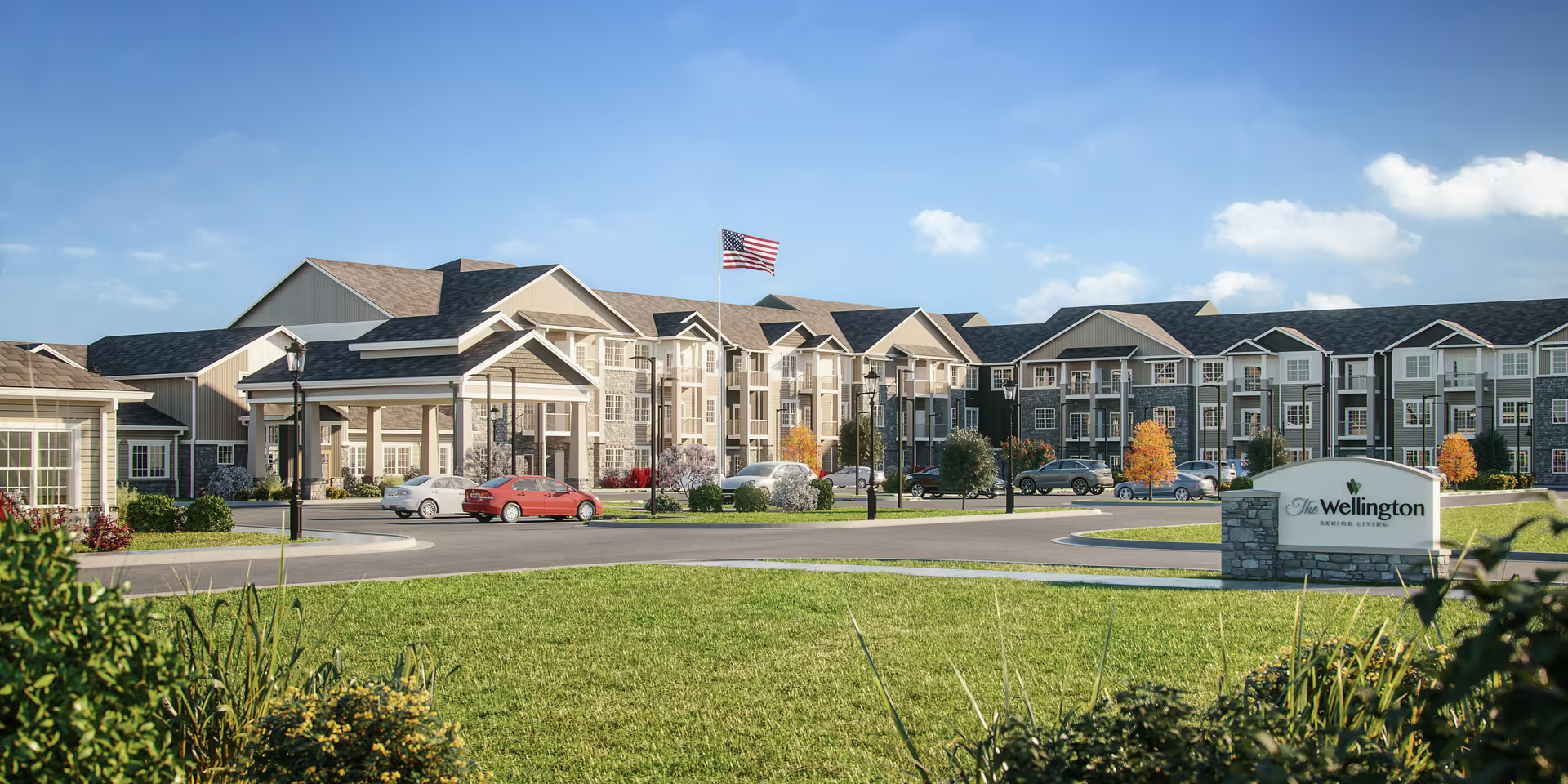
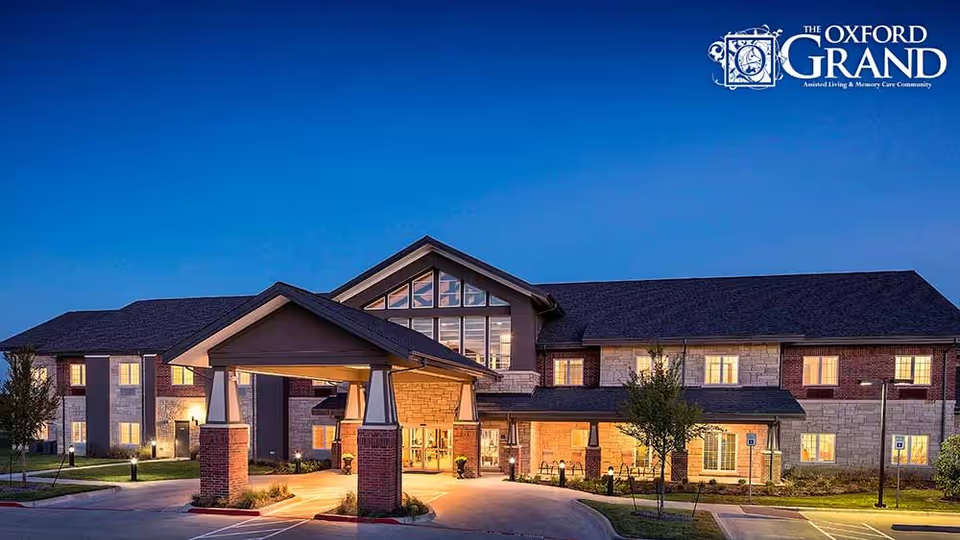
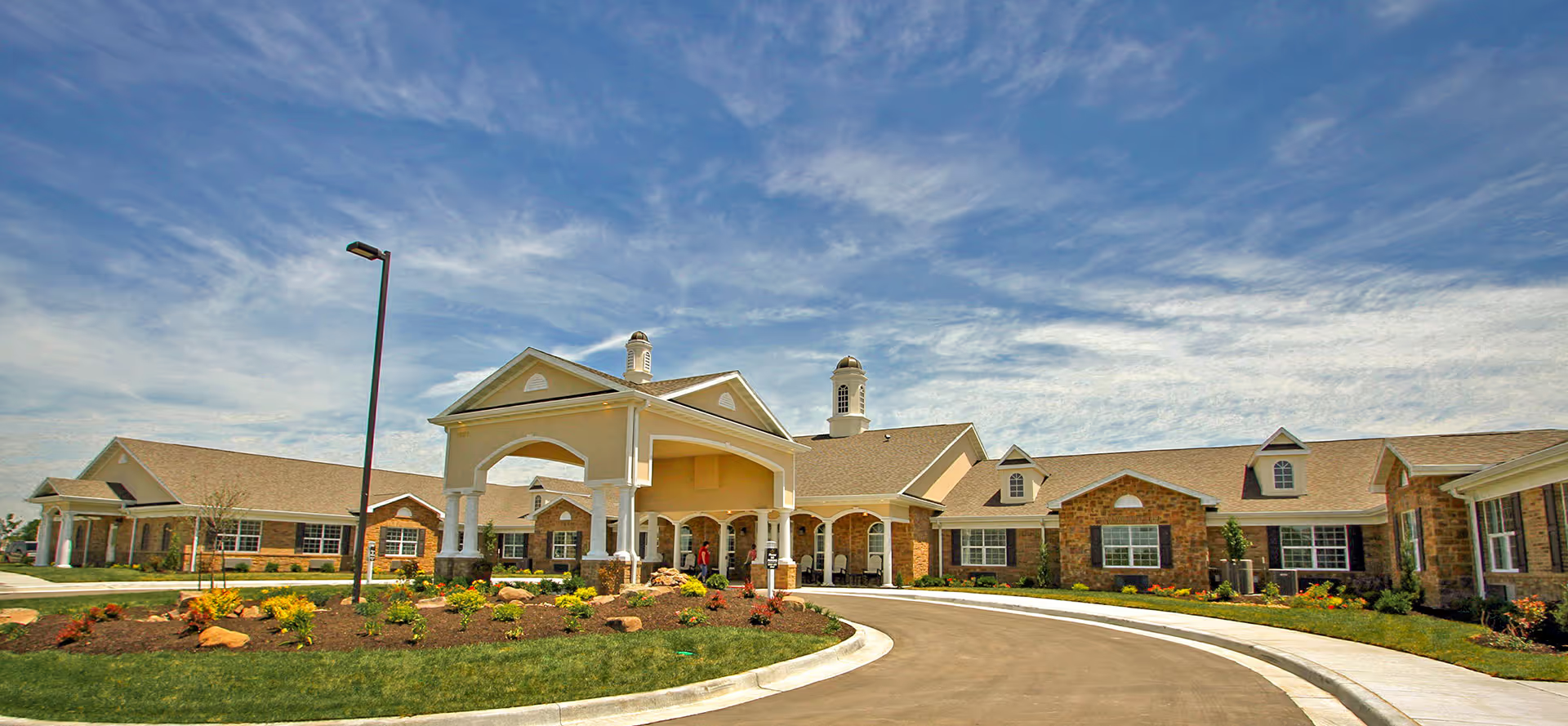
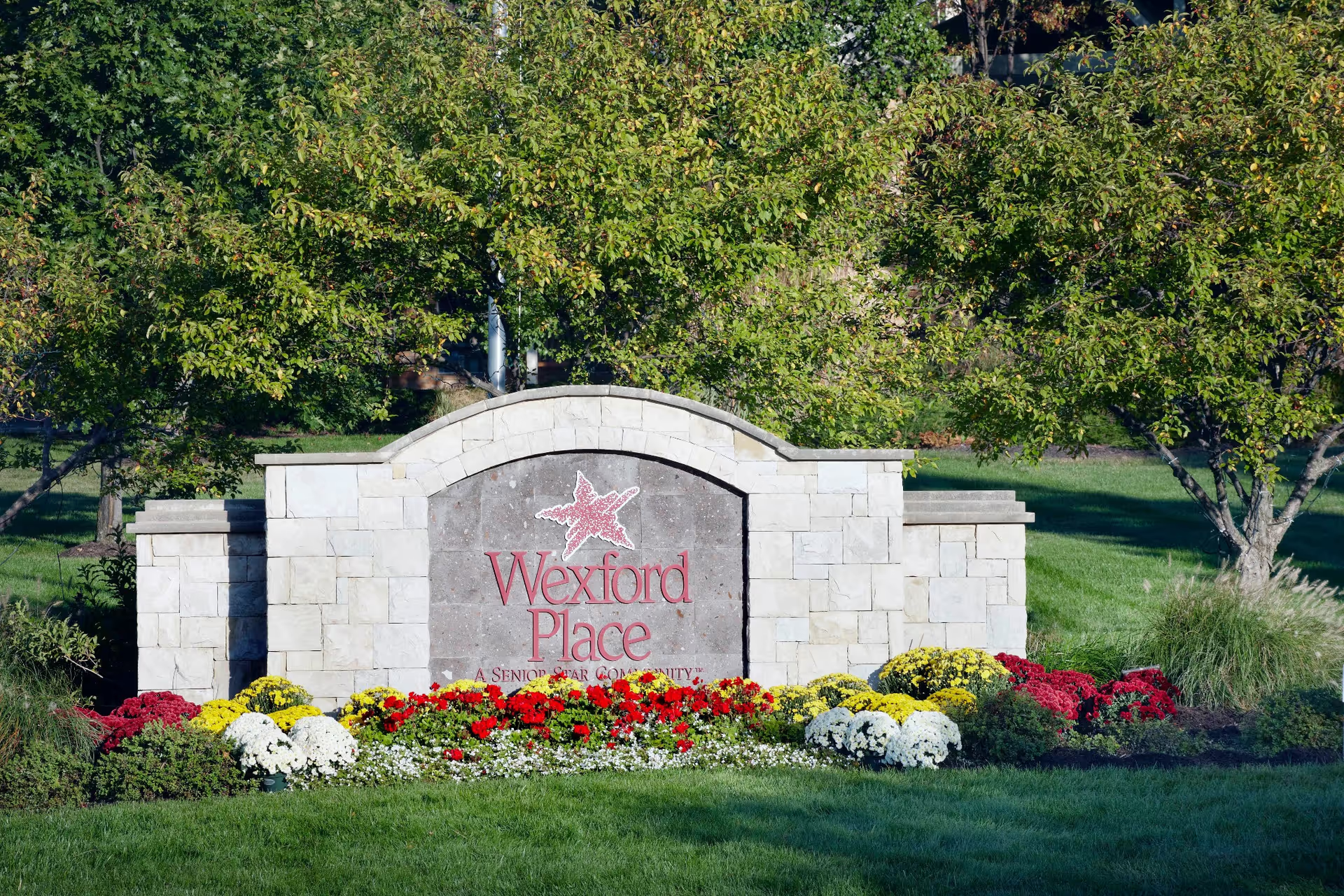
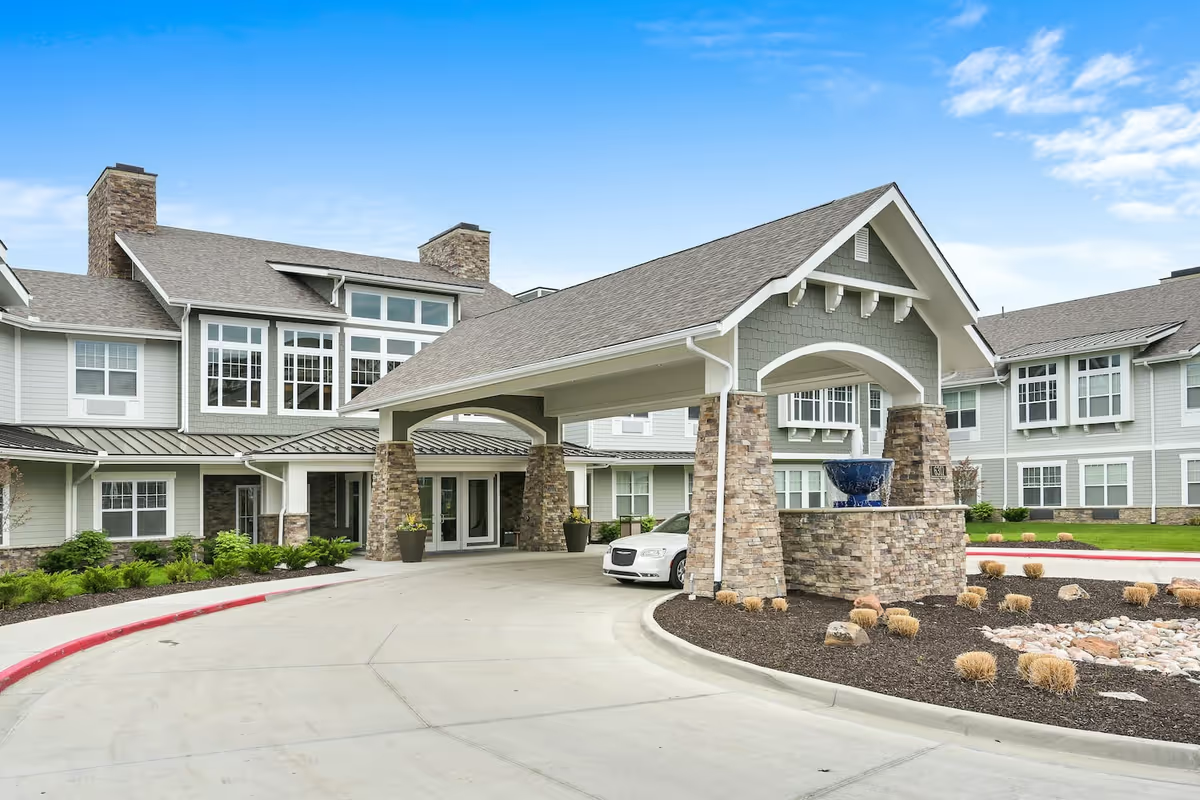
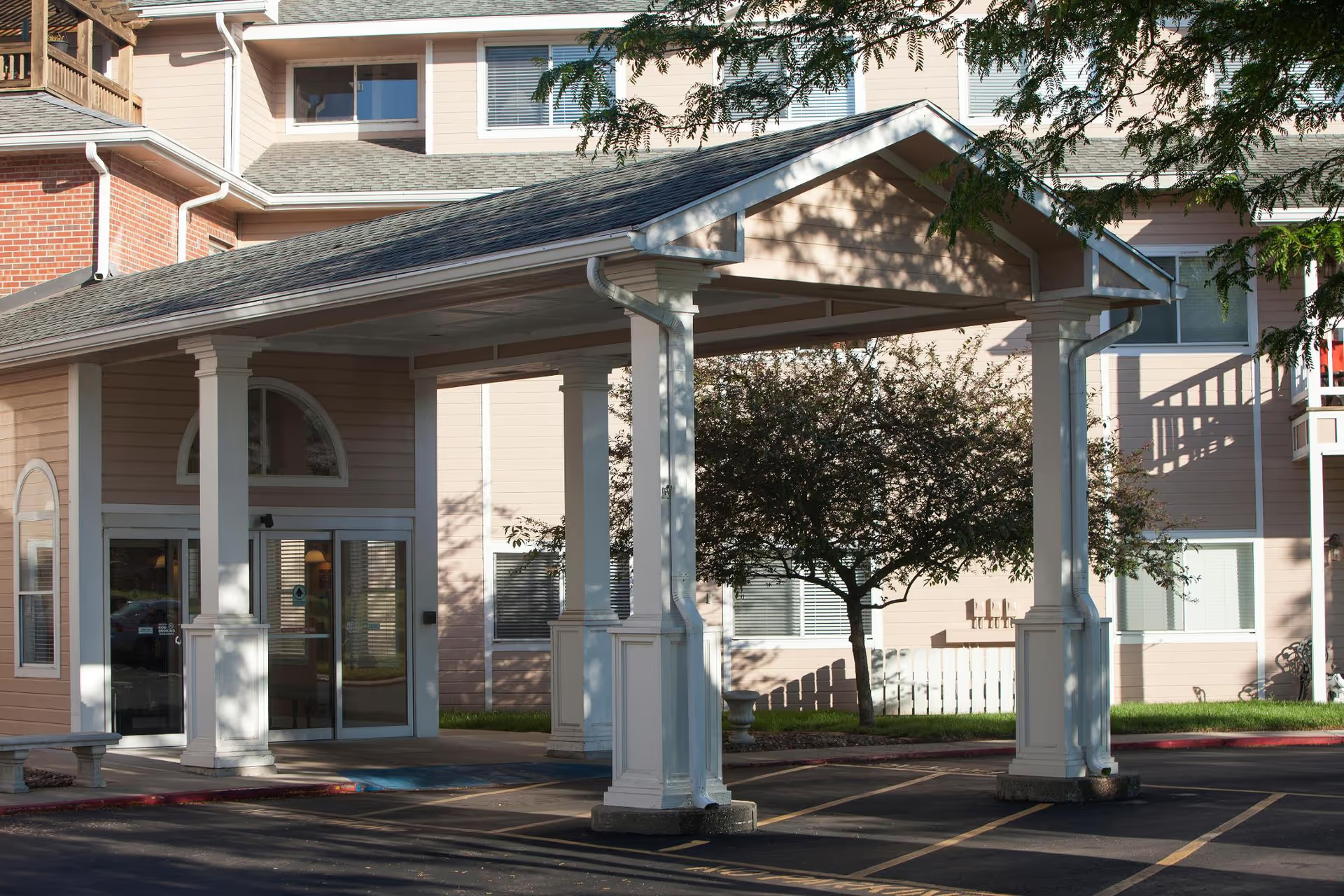
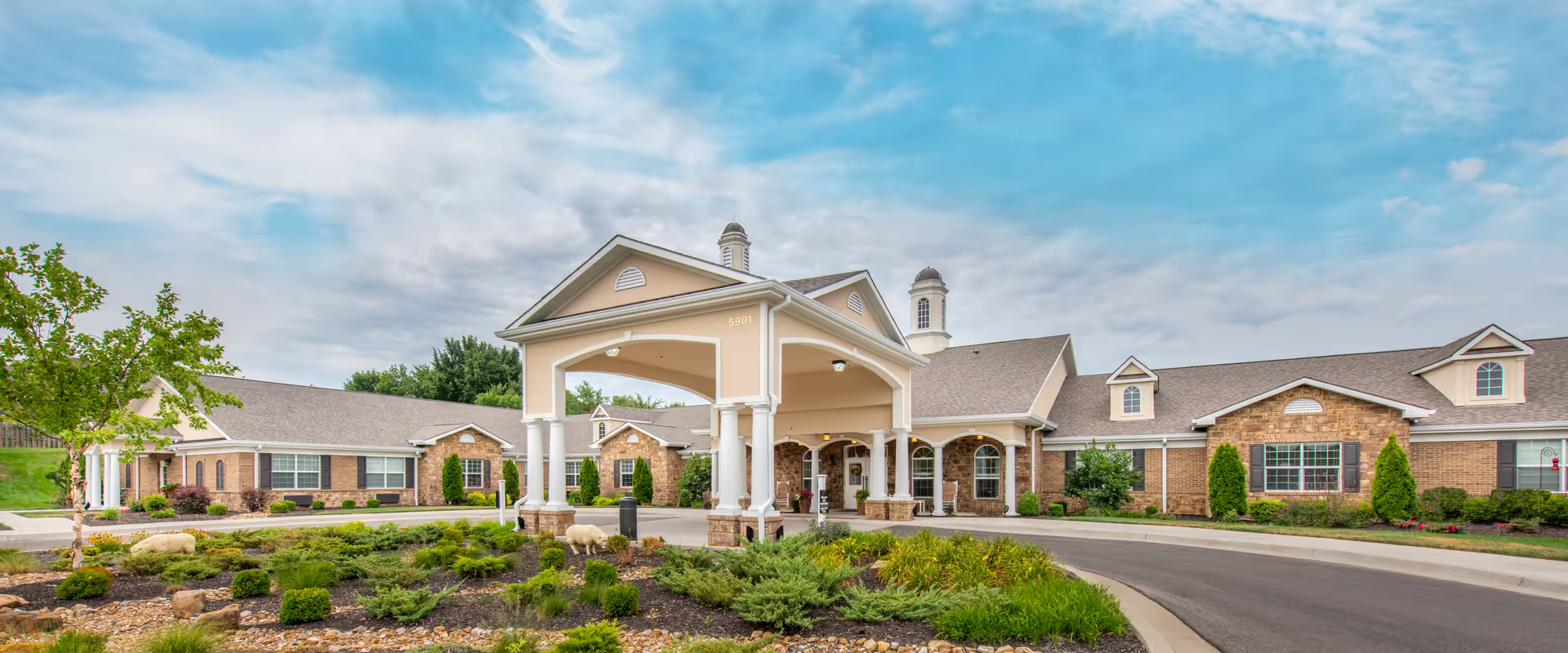
Facilities and amenities: The campus and grounds are described as well maintained, tranquil, and country-like, with attractive courtyards and wildlife visible on visits. Apartments range from updated newer sections to original independent-living units; reviewers value private one- and two-bedroom floor plans, weekly housekeeping, laundry assistance, on-site salon, and convenient maintenance response. Some living areas and specific apartments were described as dated, and a subset of reviews raises sanitation concerns in private bathrooms, indicating variability in housekeeping performance across units.
Management, safety, and visitor policies: Many reviews commend mission-driven leadership, Sisters’ involvement, and staff who go above and beyond. However, a minority of reviewers raised serious governance concerns, including restrictive visitation controls, privacy issues related to room-entry practices, and critical commentary about administrative behavior. Some reviews referenced investigative activity and strong criticisms from former employees; these accounts imply potential gaps in management transparency and policy consistency. Prospective residents and families should clarify visitation policies, privacy protocols (room-entry/knock procedures), staff turnover rates, and the facility’s process for medication administration and incident communication during tours.
Notable patterns and guidance for families: The dominant pattern is one of strong relational care, active programming, and a supportive community with many practical on-site services. Yet the presence of repeated but not universal concerns — leadership and visitation policies, privacy practices, housekeeping variability, and occasional medication/communication lapses — points to operational variability. When evaluating this facility, ask specific, operational questions about staffing ratios and turnover, medication administration audits, housekeeping schedules for private bathrooms, visitation policy exemptions and screening procedures, and recent corrective actions for any cited concerns. Doing so will help determine whether the facility’s prevailing strengths align with a family’s priorities and risk tolerance.