Overall impression: Reviewers portray Senior Star at Wexford Place as a community with a consistently compassionate, resident-centered staff and a strong social program. Strengths most commonly cited include attentive caregivers who learn residents' names, a wide range of activities and outings, on-site rehabilitation and therapy services, and numerous communal amenities such as an indoor pool, library, movie room, salon, and transportation. For families seeking a community with a warm, family-like culture and active programming, the facility's social life and staff engagement are major positives.
Care and staffing: Care quality descriptions vary by unit. Many families praised nursing and direct-care staff for attentiveness, personalized care plans, and rehabilitation outcomes. At the same time, reviewers raised consistent concerns about staffing stability and supervision in higher-acuity areas (memory/assisted living), noting delayed responses at times and gaps during evenings or weekends. Some families described instances that indicate weaknesses in clinical staffing coverage and in the facility's ability to manage higher-dependency residents reliably. There are also specific infection-control concerns, including at least one episode in memory care that families expect the facility to address through stronger protocols.
Dining and activities: The dining program is frequently described as a strength when it performs well — many reviewers called the dining-room experience restaurant-like, praised variety on occasion, and highlighted special events (holiday buffets, ice-cream socials). However, food quality was described as inconsistent across reviews: common themes include repetitive menus, uneven temperature and seasoning, and limited low-sodium or texture-modified options for residents with dietary needs. Activities programming is broad and engaging (bingo, outings, therapy classes, veterans' groups), though families suggested opportunities for more evening options and more consistently engaging offerings for less-active residents.
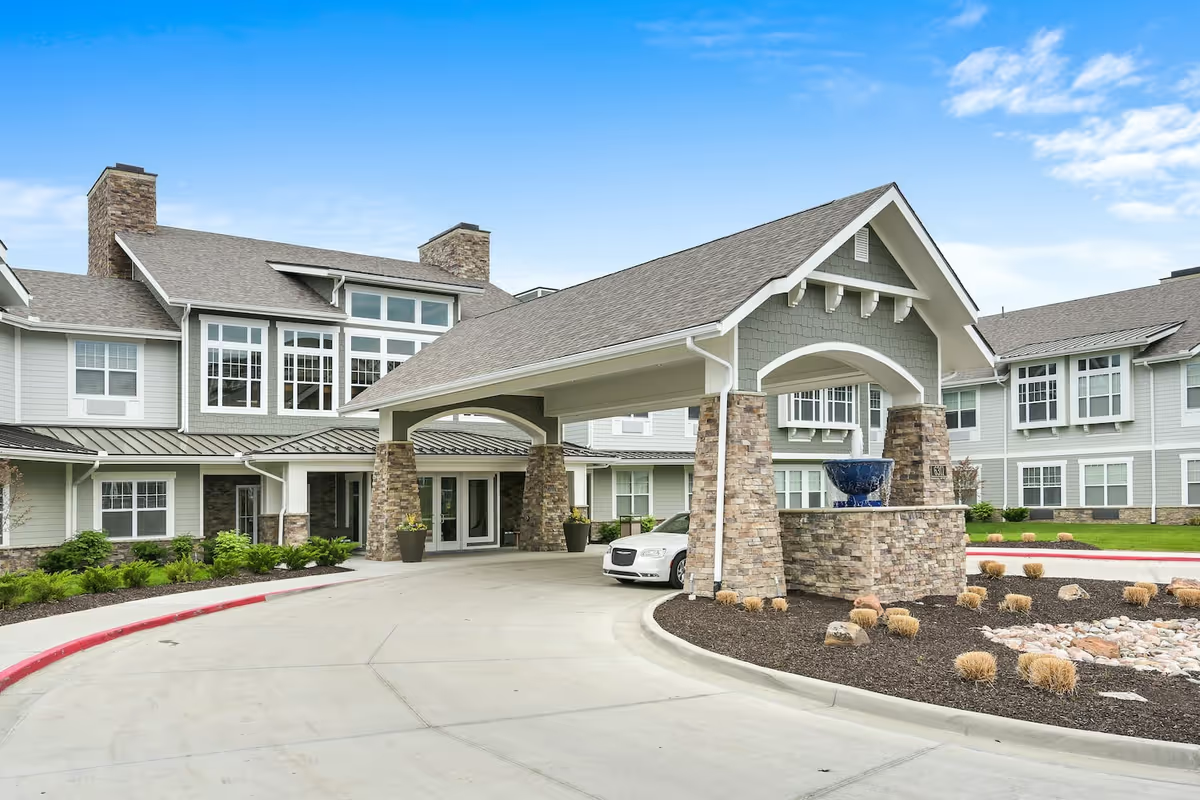
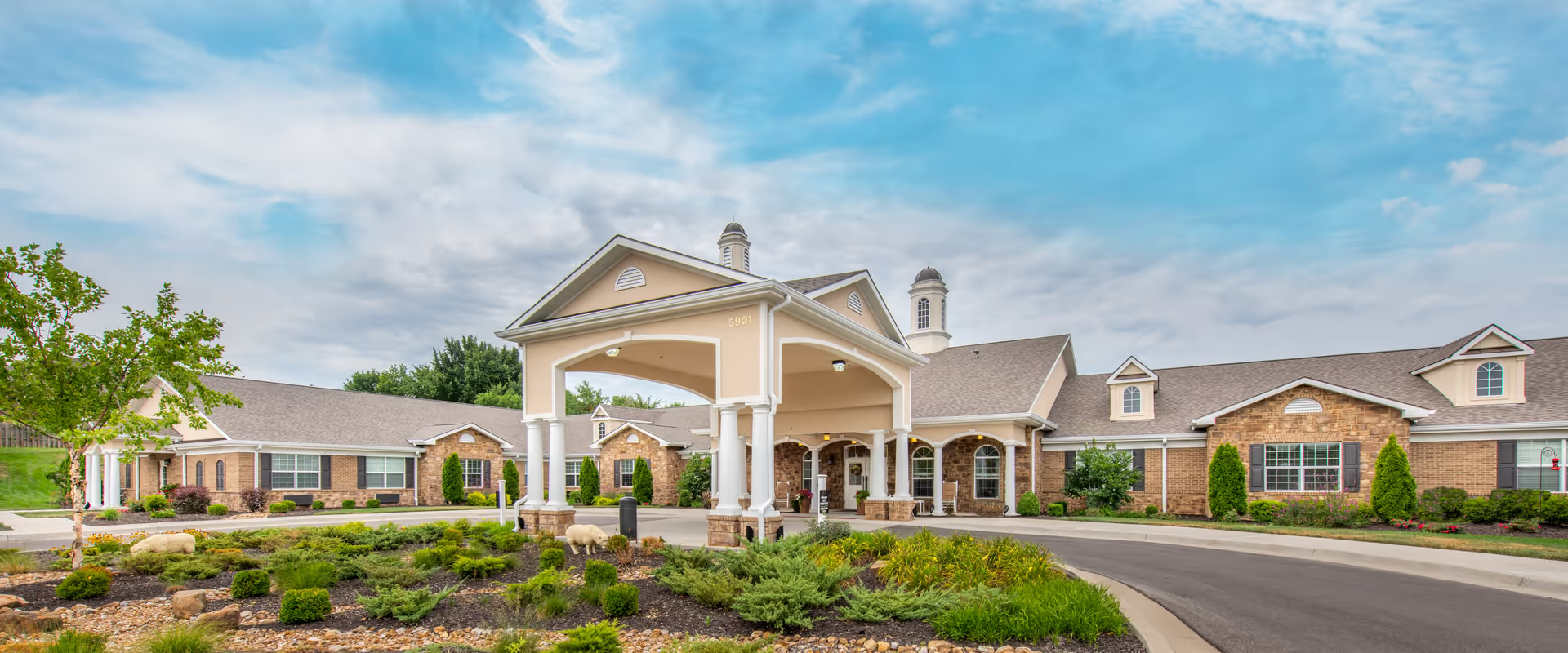
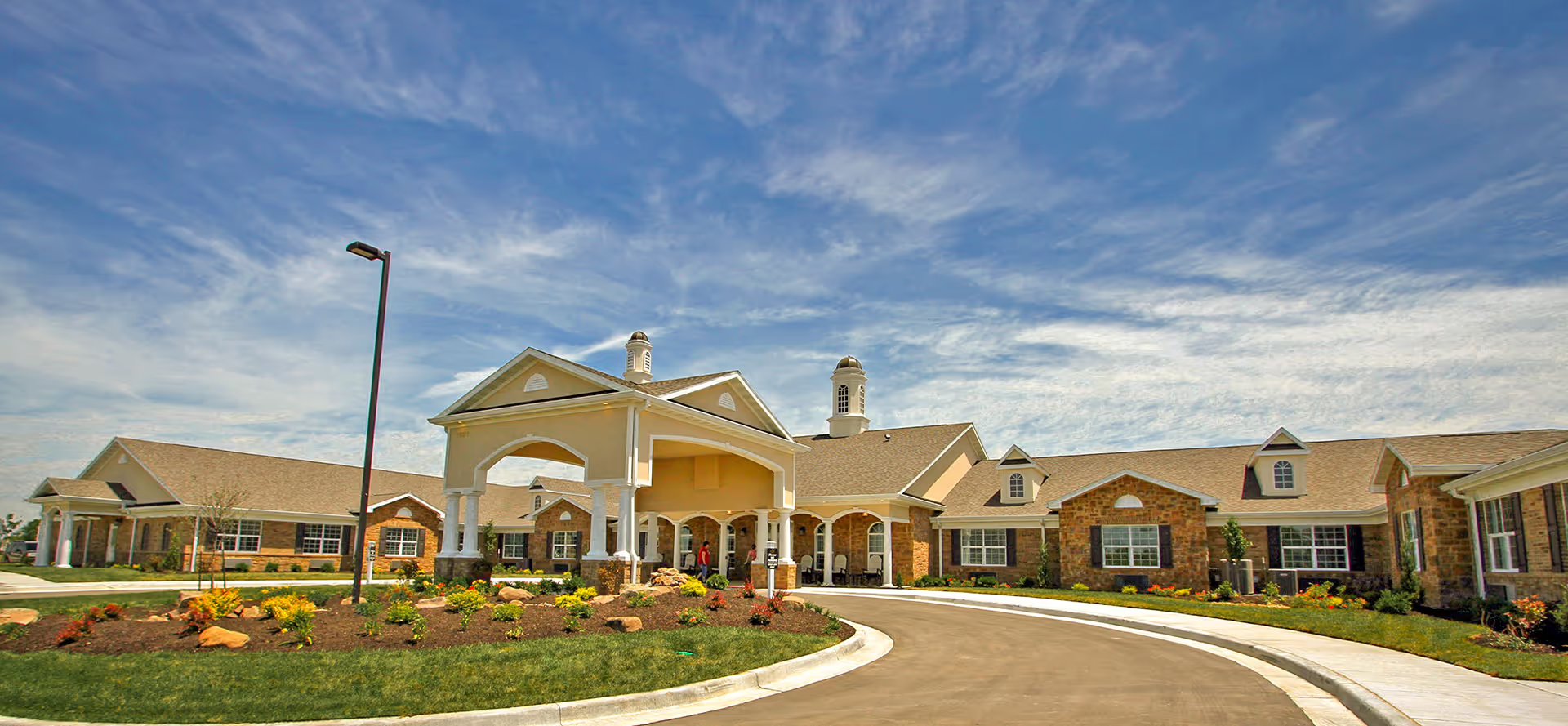
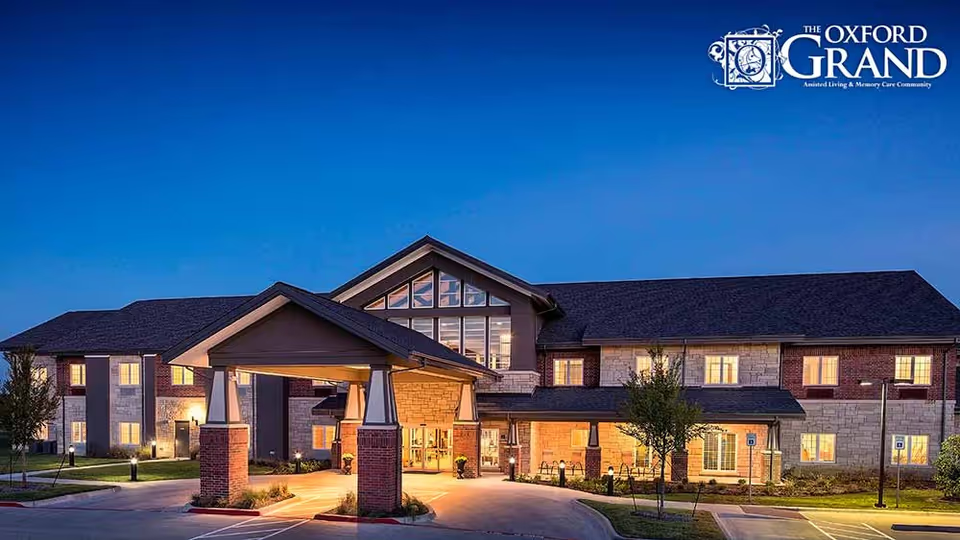
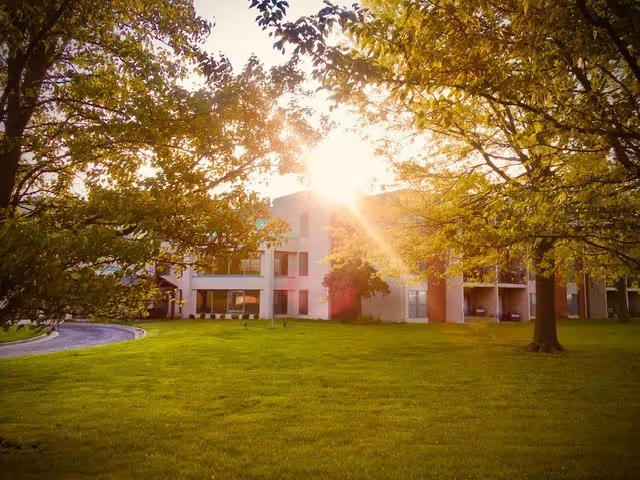
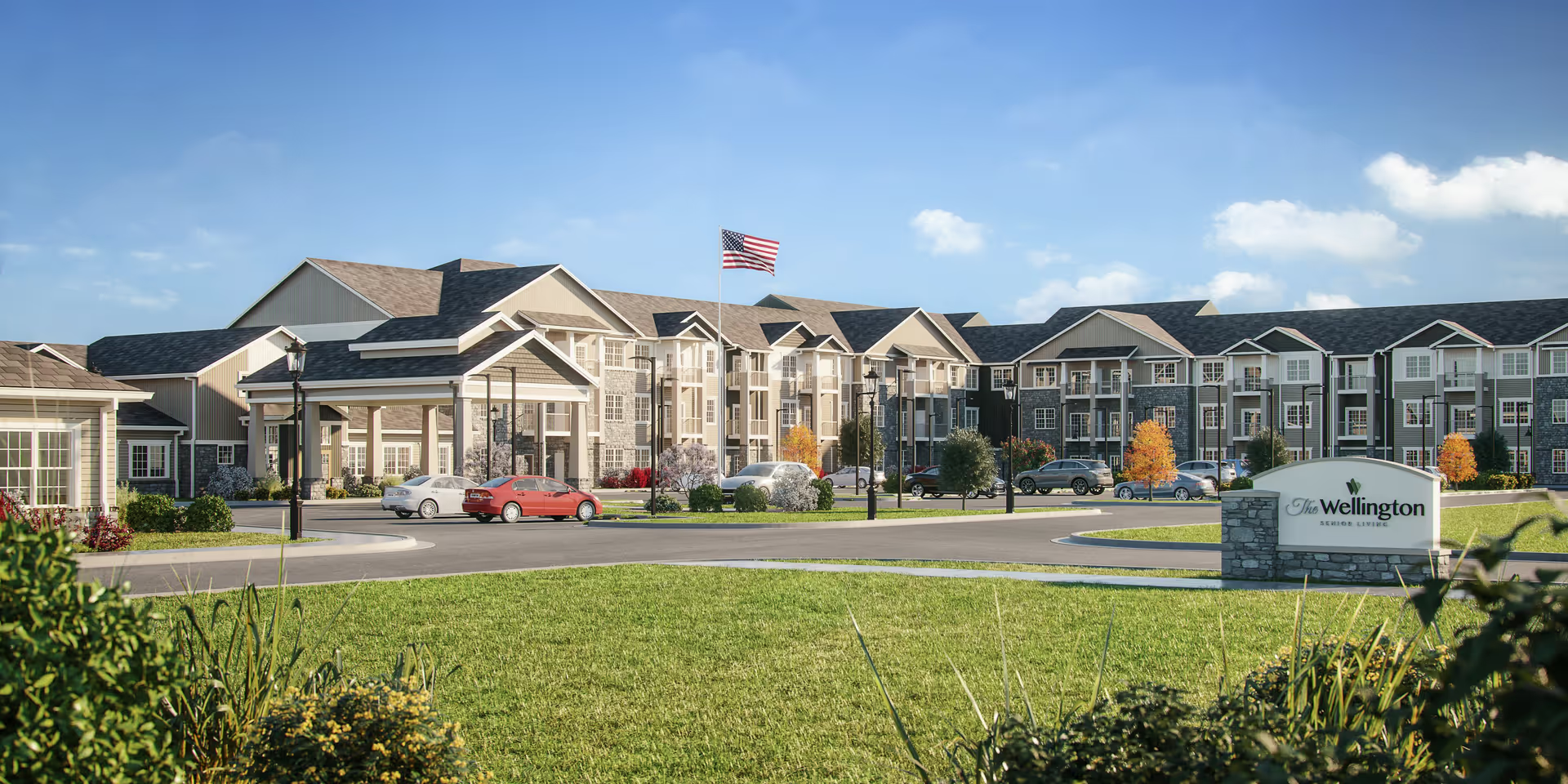
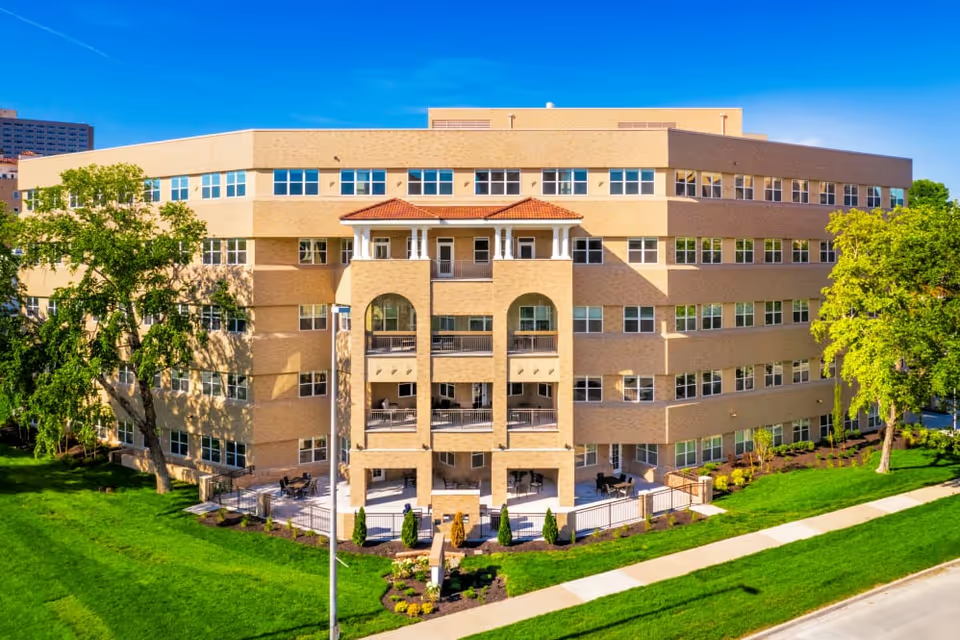
Facilities and maintenance: The campus offers desirable amenities — a well-kept courtyard, walking trails, pool, and a range of apartment sizes — but the physical plant shows mixed characteristics. Some units are noted as updated and spacious, while others are older with small kitchens, two-burner stoves, and atypical layouts that pose challenges for downsizing and mobility. Reviewers also raised building-level issues such as poor sound insulation between units, maintenance delays, laundry handling problems, and a construction project on site that can be disruptive. Covered parking is available but there are no private garages.
Management, communication, and fees: A recurring pattern contrasts strong frontline staff with concerns about administrative responsiveness. Families described instances of poor follow-up, inconsistent communication about reassessments and transports, and perceived broken promises when relocation or remediation was requested. Financial transparency was a notable concern: reviewers mentioned a sizable community fee structure and situations where fee/refund handling felt opaque. Prospective residents should clarify fee policies and escalation pathways before move-in.
Notable patterns and recommendations: The most consistent positive pattern is strong social engagement and individualized attention from many caregiving staff, which contributes to residents' sense of belonging. The most consistent areas for improvement are staffing consistency in higher-acuity units, dining consistency for special-diet needs, administrative follow-up and fee transparency, and physical-plant upgrades (kitchen size, soundproofing, and maintenance response). Prospective residents and families should tour multiple unit types, ask about current staffing ratios in assisted/memory care, review infection-control and staff-entry policies, and obtain written clarification of community fees and the process for escalating unresolved concerns.