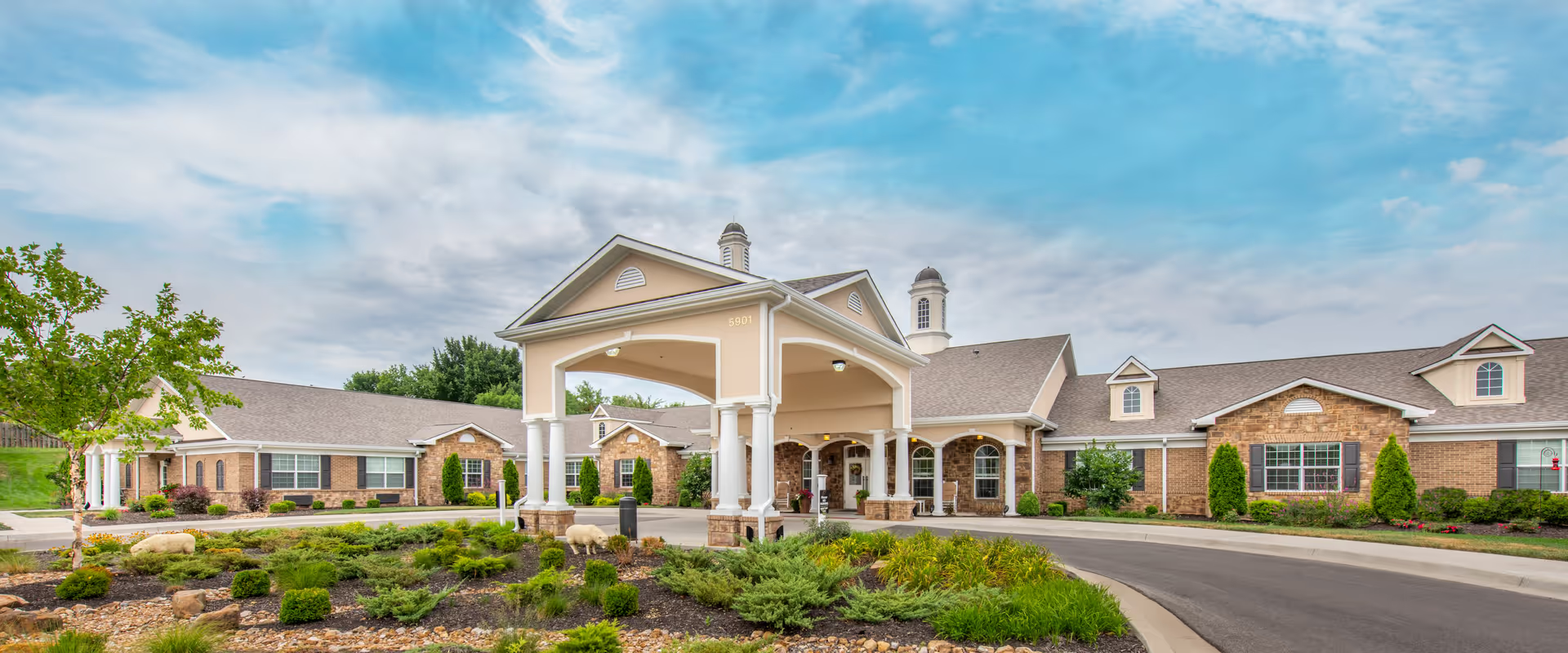
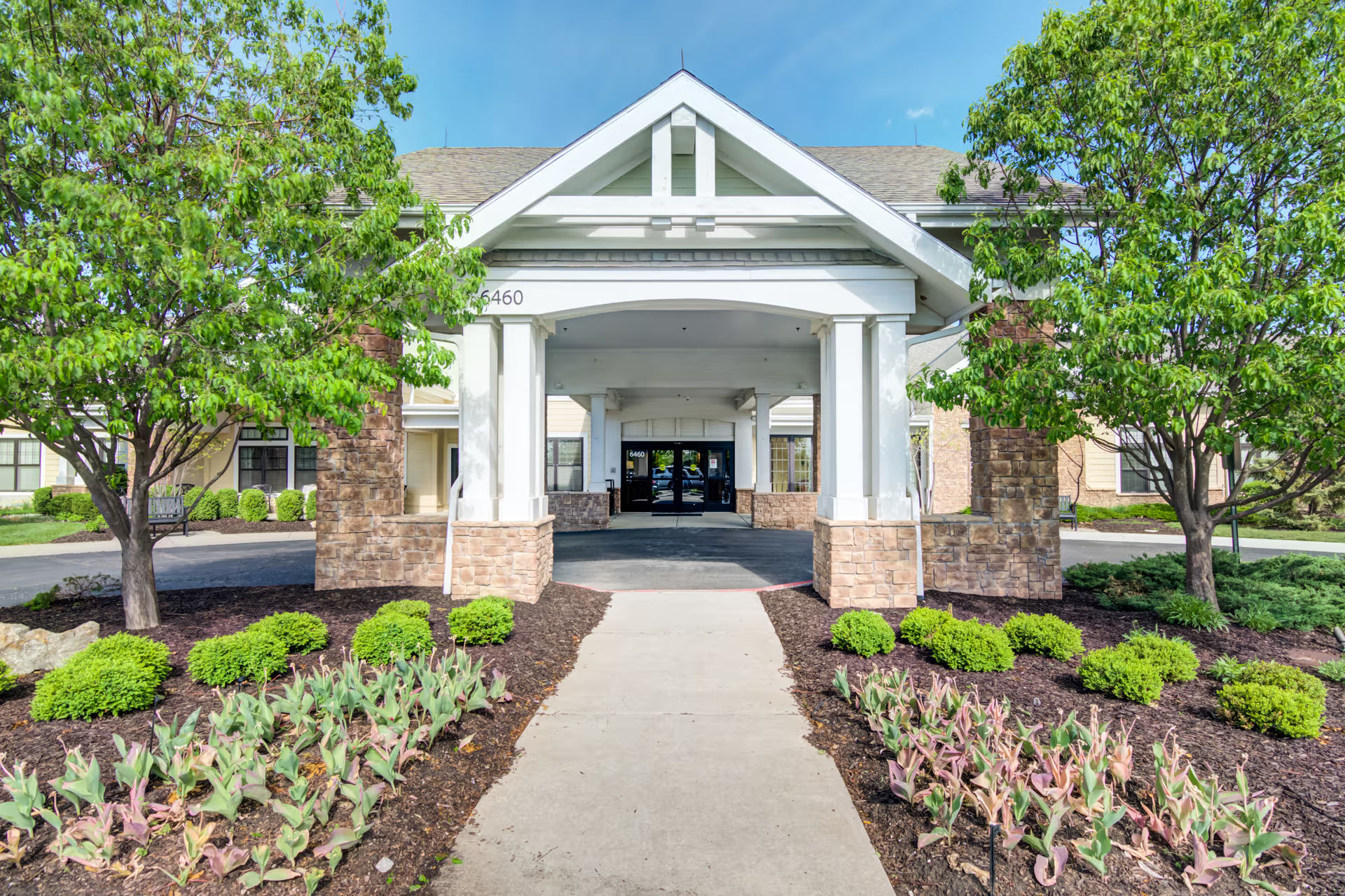
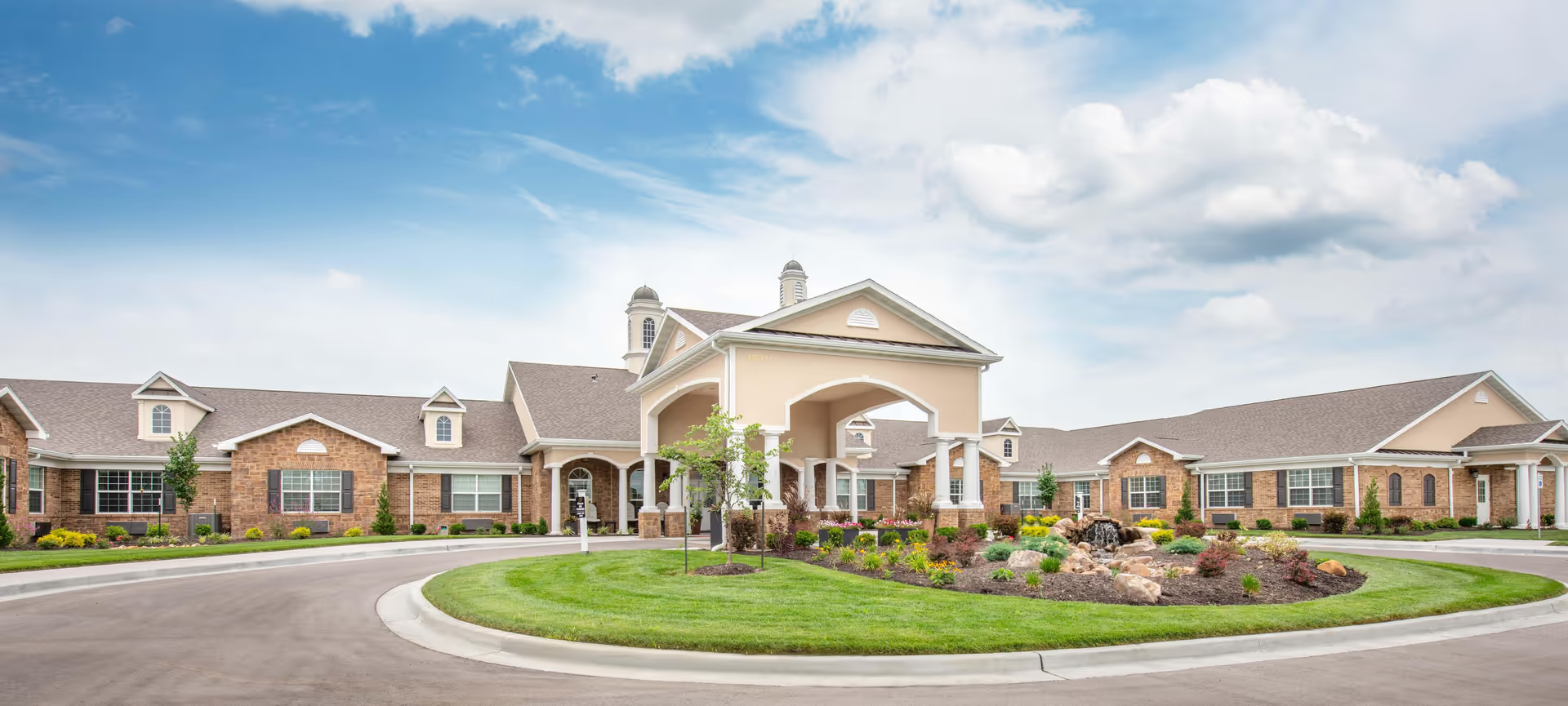
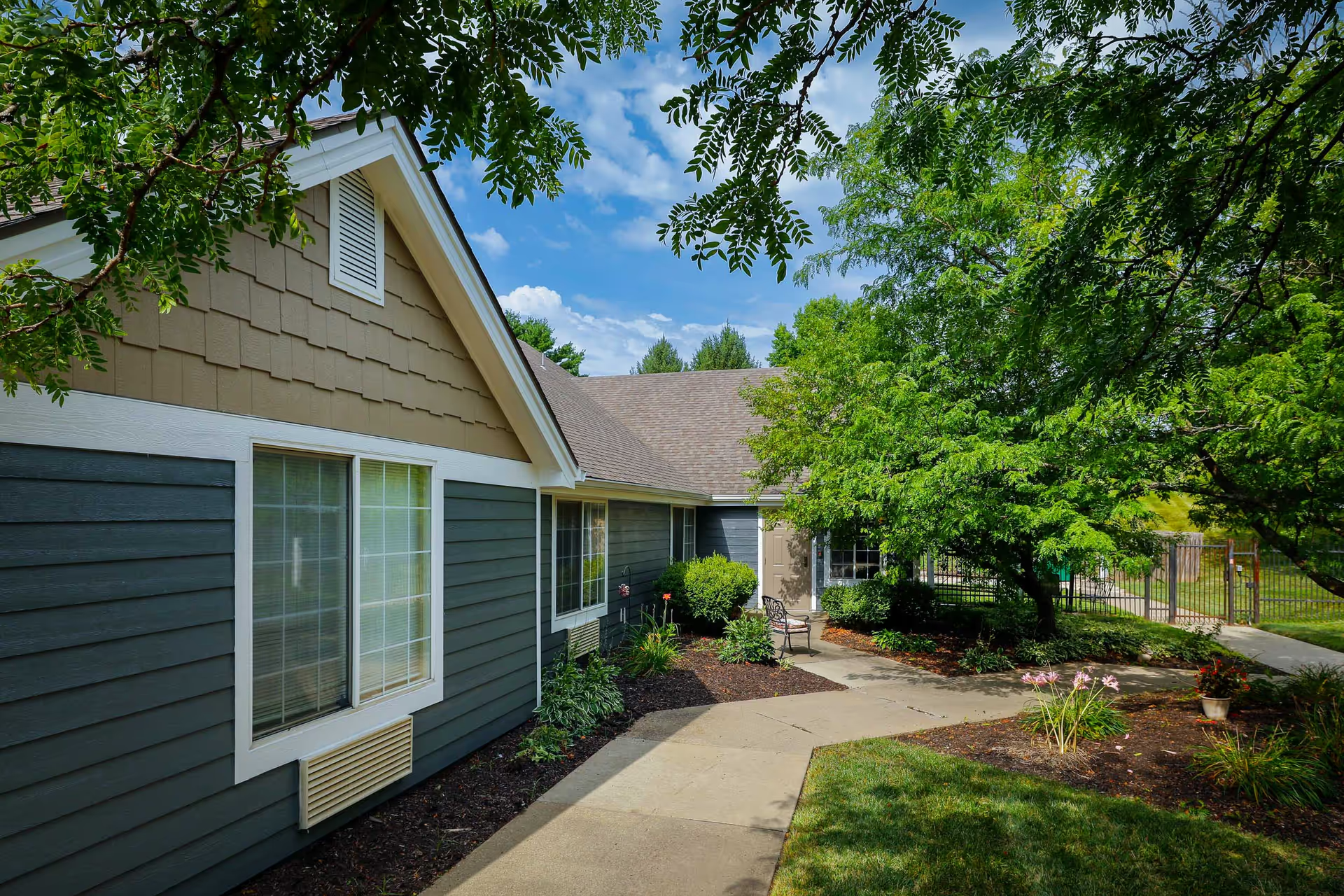
The Gardens at Barry Road presents a mixed but informative profile for prospective residents and families. Strengths commonly cited include a warm, personable caregiving staff and many long‑tenured employees who foster familiarity with residents. The physical environment is frequently described as clean, well maintained and tastefully decorated, with suite‑style apartments that include kitchenettes, ample closet space and daily housekeeping. Grounds amenities such as courtyards, a rose garden, chapel and multiple common rooms contribute to a home‑like atmosphere. Onsite services—an RN, visiting physician/NP, physical therapy, a salon and regular maintenance—are available and are seen as conveniences that support resident independence and continuity of care. The community also accepts Medicaid and positions itself as offering good value for the cost in many cases.
Dining and social programming are notable strengths. The facility offers bistro‑style dining with flexible ordering windows, multiple menu choices, daily specials and holiday buffets. Several reviewers highlighted a competent chef, special events, and regular social outings to museums, movies and community trips supported by van transportation. A full activities calendar with exercise classes, arts and crafts, games, music and church services is in place; families repeatedly praised the variety and frequency of programming for assisted‑living residents.
At the same time, consistent themes of operational variability appear across reviews. Staffing levels and leadership continuity have fluctuated; some families describe excellent, stable caregiving teams while others report turnover that correlated with diminished care quality. Memory‑care programming and staffing appear uneven: while assisted‑living areas receive frequent positive feedback for activities and engagement, several accounts indicate that memory‑care residents experienced limited, repetitive or under‑staffed activity offerings. Clinical concerns include inconsistent medication administration and occasional delays in clinical follow‑up, which suggests families should confirm current nursing coverage, medication protocols and oversight practices during a tour.
Dining quality is broadly acceptable to good for many residents, but reviewers also noted variability in meal quality and temperature control, and occasional perceptions that meals were reheated rather than freshly prepared. The facility has an extra‑fee structure for some services (for example, certain medication management tasks or urgent attention), and billing or contract clarity has been a recurring administrative question; prospective families should request an itemized list of potential extra charges and contract refund policies prior to move‑in.
Other operational points to evaluate in person include accessibility and physical limits: some reviewers indicated the community requires a level of ambulation (limited transfer/wheelchair support in certain units) and parking is constrained for visitors. A small number of reviews described pest‑control and sanitation issues in parts of the building that were addressed, indicating this is an area to confirm on a current tour. Infection‑control/visitation policies have been enforced strictly at times, occasionally with associated costs for quarantine support; families should review the facility’s current policy framework.
Bottom line: The Gardens at Barry Road offers a well‑appointed, activity‑rich environment with many services that families appreciate—particularly when staffing and leadership are stable. However, reviewers describe an inconsistent operational picture in which leadership changes, staffing variability, memory‑care resourcing and administrative communication can affect individual experiences. Visitors should tour multiple times, speak with nursing leadership about current staffing ratios and medication protocols, review the fee schedule carefully, and observe meal service, activities and common‑area cleanliness to verify the community’s current performance before making a placement decision.