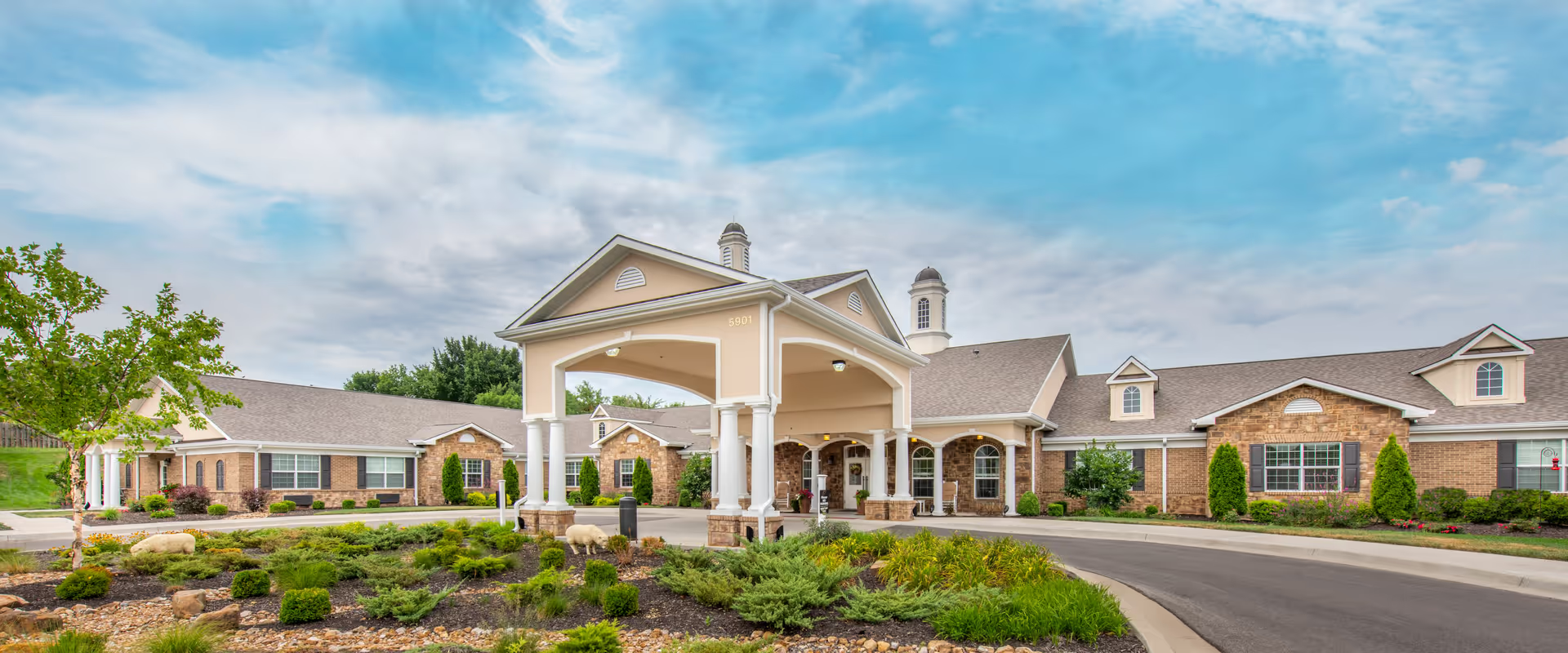
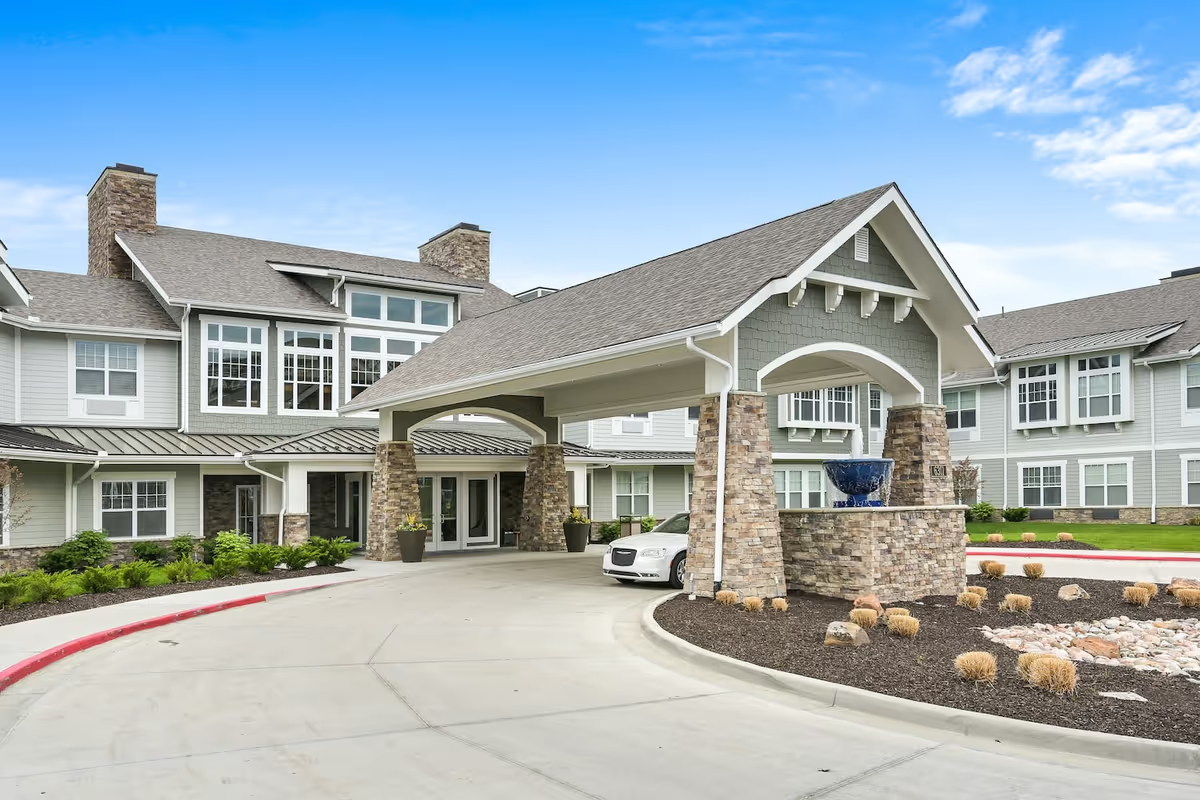
Overall impression: The Oxford Grand is consistently described as a well-appointed, recently built community that emphasizes a warm, home-like memory-care environment, high-quality dining, and a robust social program. Reviewers regularly praise front-line employees — nurses, aides, activities staff, dining staff and receptionists — for being empathetic, engaging and familiar with residents by name. Physical spaces are repeatedly described as clean, modern and aesthetically pleasing, with outdoor gardens, trails and comfortable common areas that support family visits and small gatherings.
Care and clinical operations: Families frequently credited direct-care staff with attentive, respectful caregiving and hands-on nursing. There is also a convenient clinical communication channel (24/7 nurse texting) noted for quick responses in routine situations. However, several substantive operational concerns appear across the feedback: staff turnover and inconsistent staffing levels have contributed to periods of slower response and, in a few accounts, gaps in medical coordination during acute events. Some reviewers described delays in clinical escalation and conflicting information from different staff members. These items suggest prospective families should ask about current staffing ratios, clinical escalation procedures, after-hours coverage and recent staff-retention trends during a tour.
Dining and activities: Dining is a strong and repeatedly cited positive — meals are described as appealing, with dietary accommodations and opportunities for chef interaction. Reviewers also highlighted specific touches (Sunday lunches with the chef, ice-cream socials) that contribute to resident satisfaction. The activity program is widely praised for variety (exercise, live entertainment, movie nights, worship, outings, social hours) and for a visible activities director role. That said, several reviewers reported intermittent reductions to the activity calendar (loss of Happy Hours/wine service, fewer evening events), sometimes attributed to infection-control measures or staffing changes. Prospective residents should review the current weekly activity schedule and ask whether recent changes are temporary or permanent.
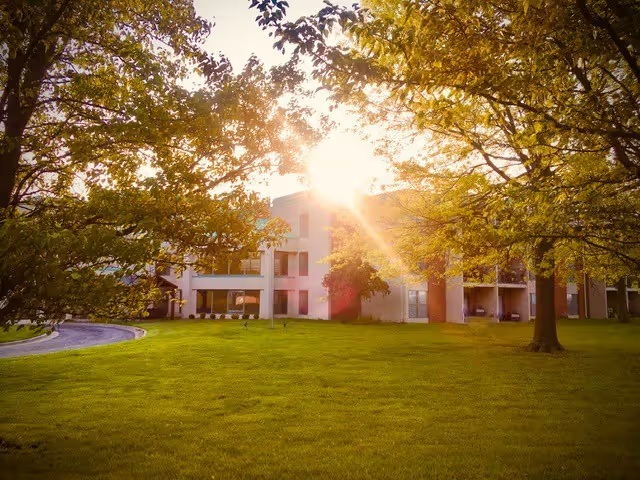
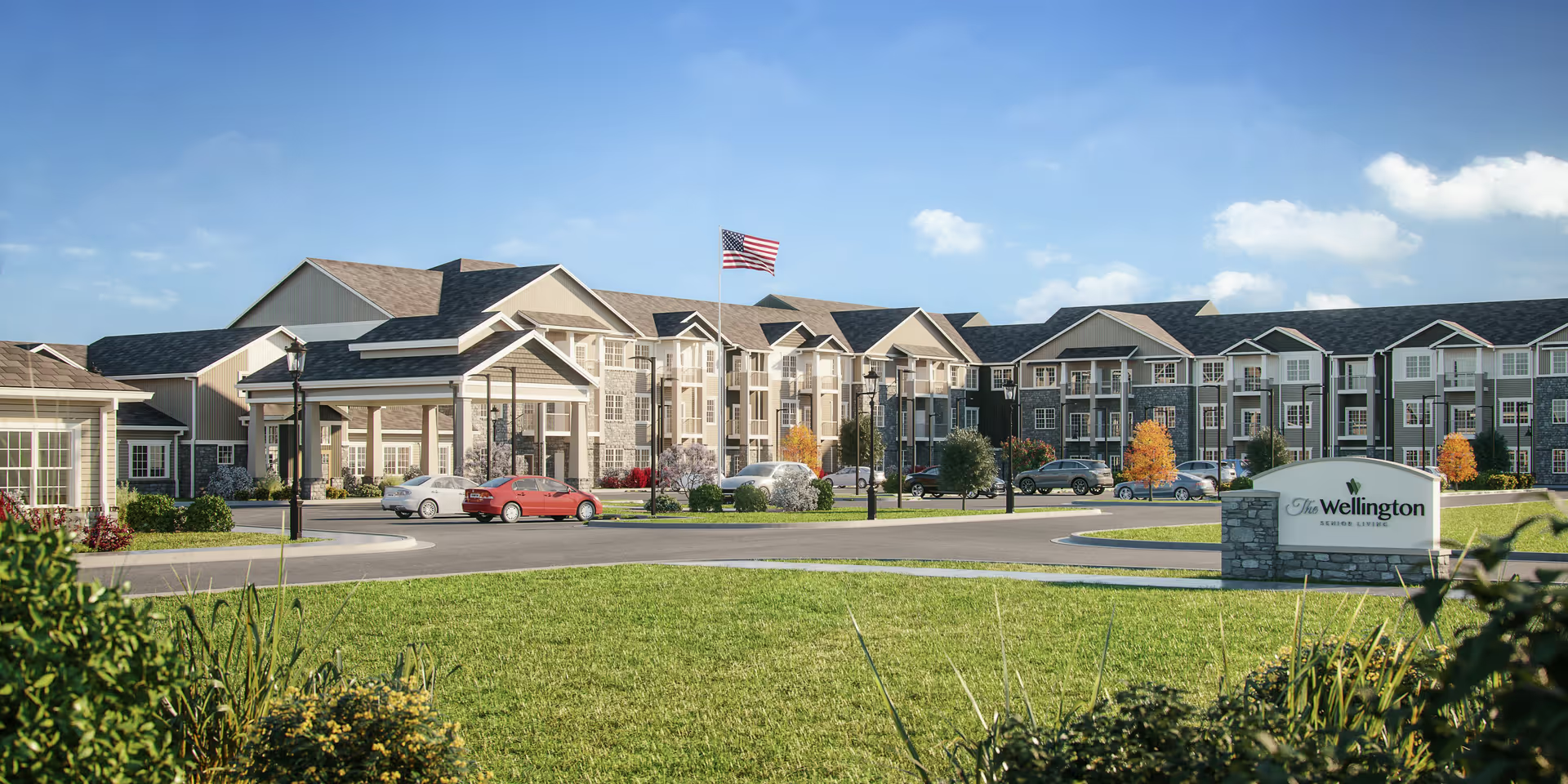
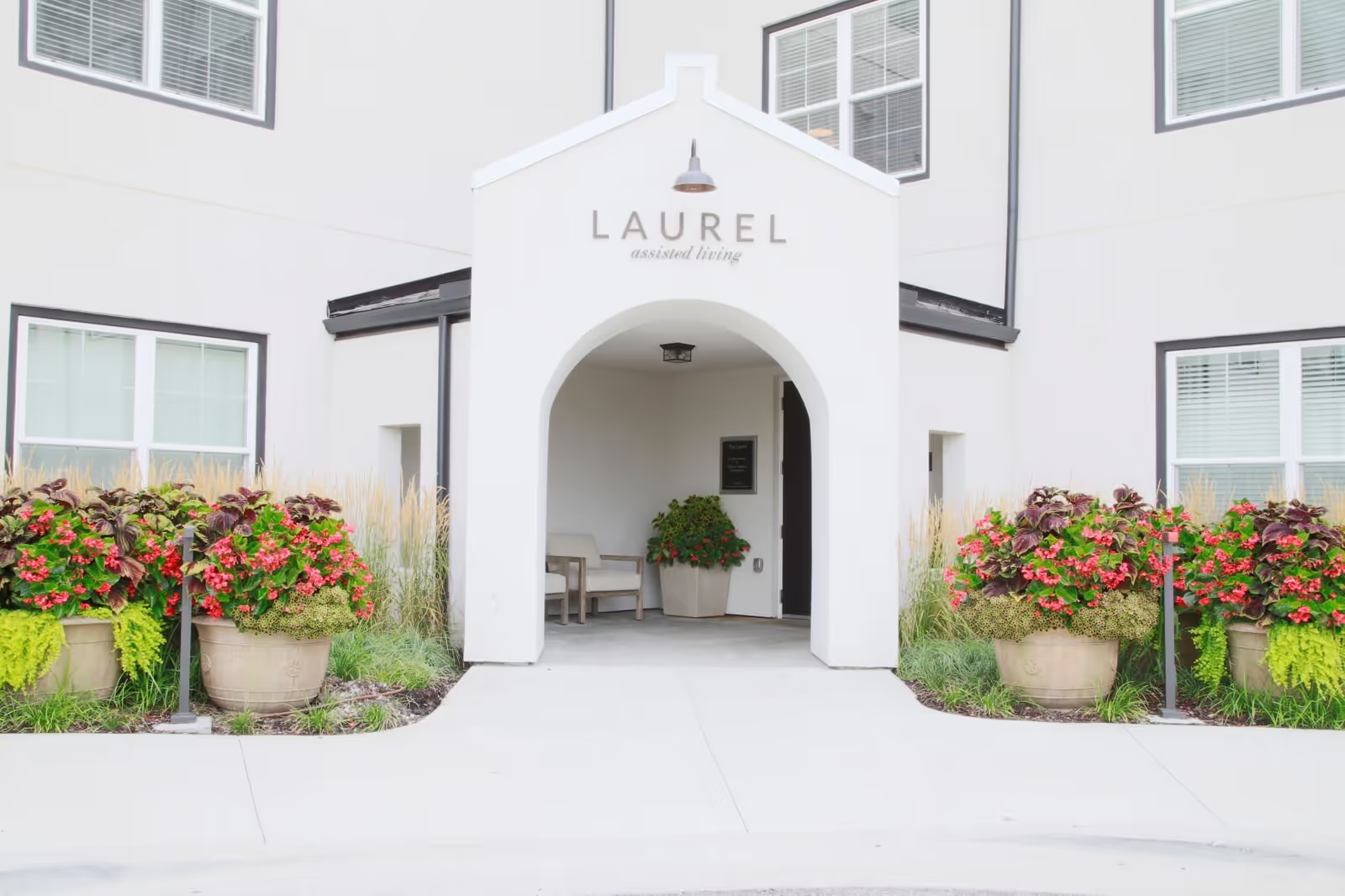
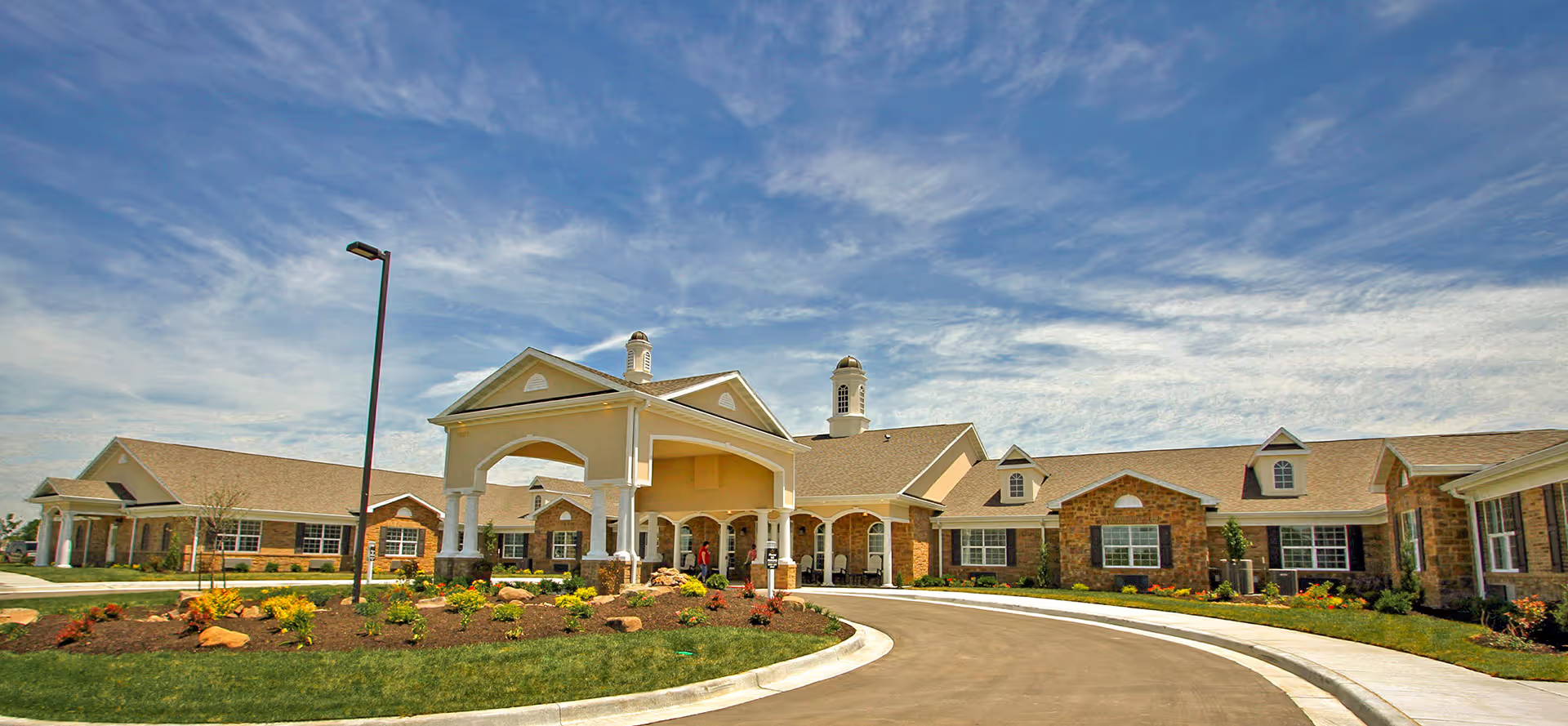
Facilities and environment: The building layout appears to support memory care with smaller units, perimeter rooms with garden views, central gathering spaces and private memory-care access. Cleanliness, modern finishes and pleasant smells were commonly mentioned. Commons rooms are available for family use, and parking and neighborhood convenience are noted positives.
Management and administration: On-the-ground leadership and many local administrators receive praise for personal attention and family communication. In contrast, corporate-level responsiveness drew criticism in several accounts — notably slow refund processing and perceptions of administrative emphasis on financial efficiency. A few reviews raised concerns about inconsistent training and after-hours staffing adequacy. These patterns indicate a strong local caregiving culture that can be affected by broader operational or corporate policies; families should clarify contract terms, refund timelines, and who manages clinical and billing disputes.
Notable patterns and recommendations: The dominant themes are compassionate direct care, attractive facilities, good dining and an active social program. Counterbalancing those strengths are recurring operational weaknesses: turnover-driven staffing variability, communication and coordination gaps during clinical escalations, and occasional administrative friction with corporate processes. For families evaluating The Oxford Grand, recommended due-diligence steps include: confirm current staffing levels and turnover history, review documented clinical escalation and after-hours coverage, inspect the week’s activity calendar, ask for menu samples and dietary accommodation policies, and request written information about fees, refunds and maintenance remediation protocols. These targeted questions will help align expectations with the facility’s demonstrable strengths and the operational risks noted in feedback.