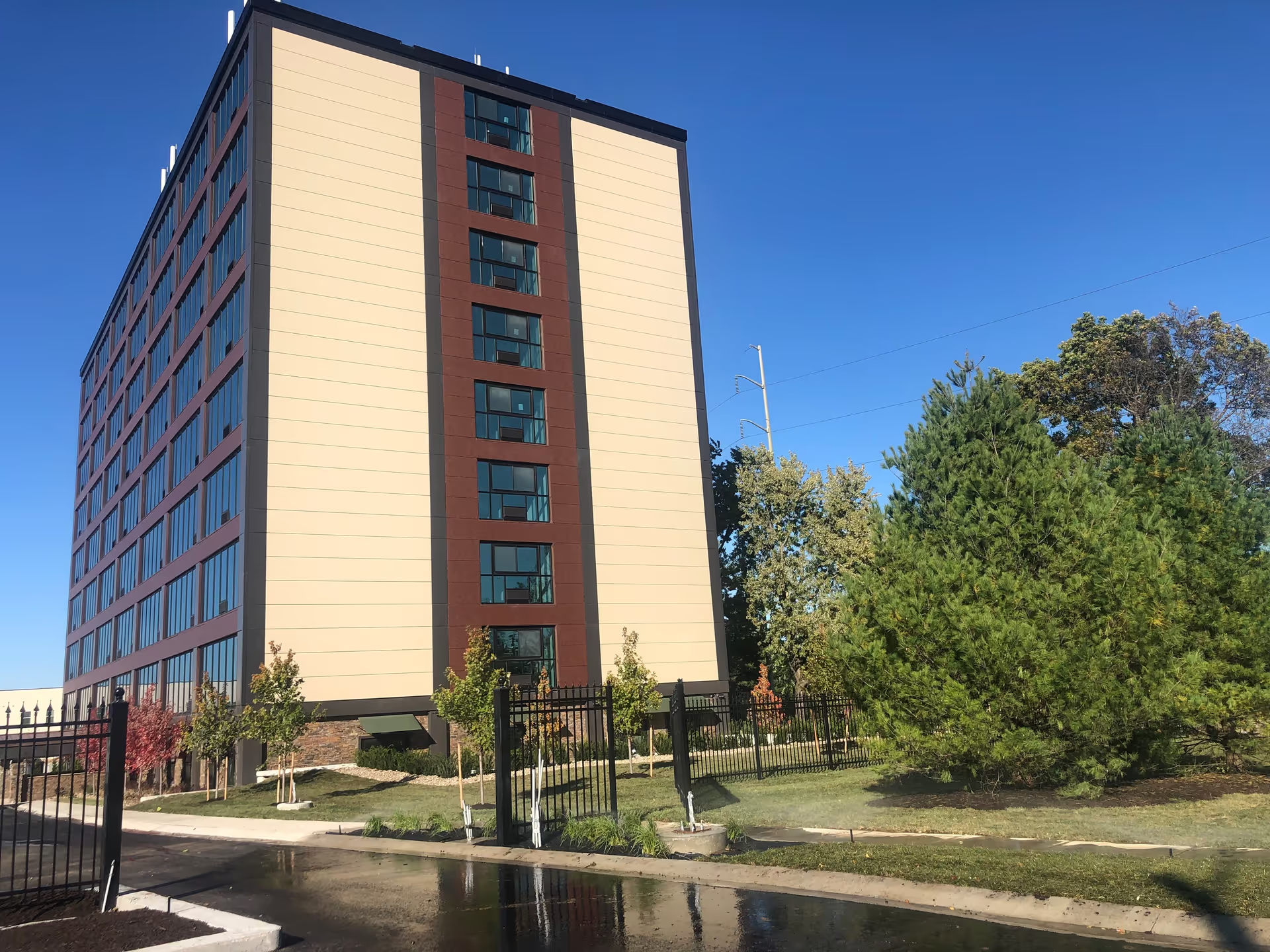
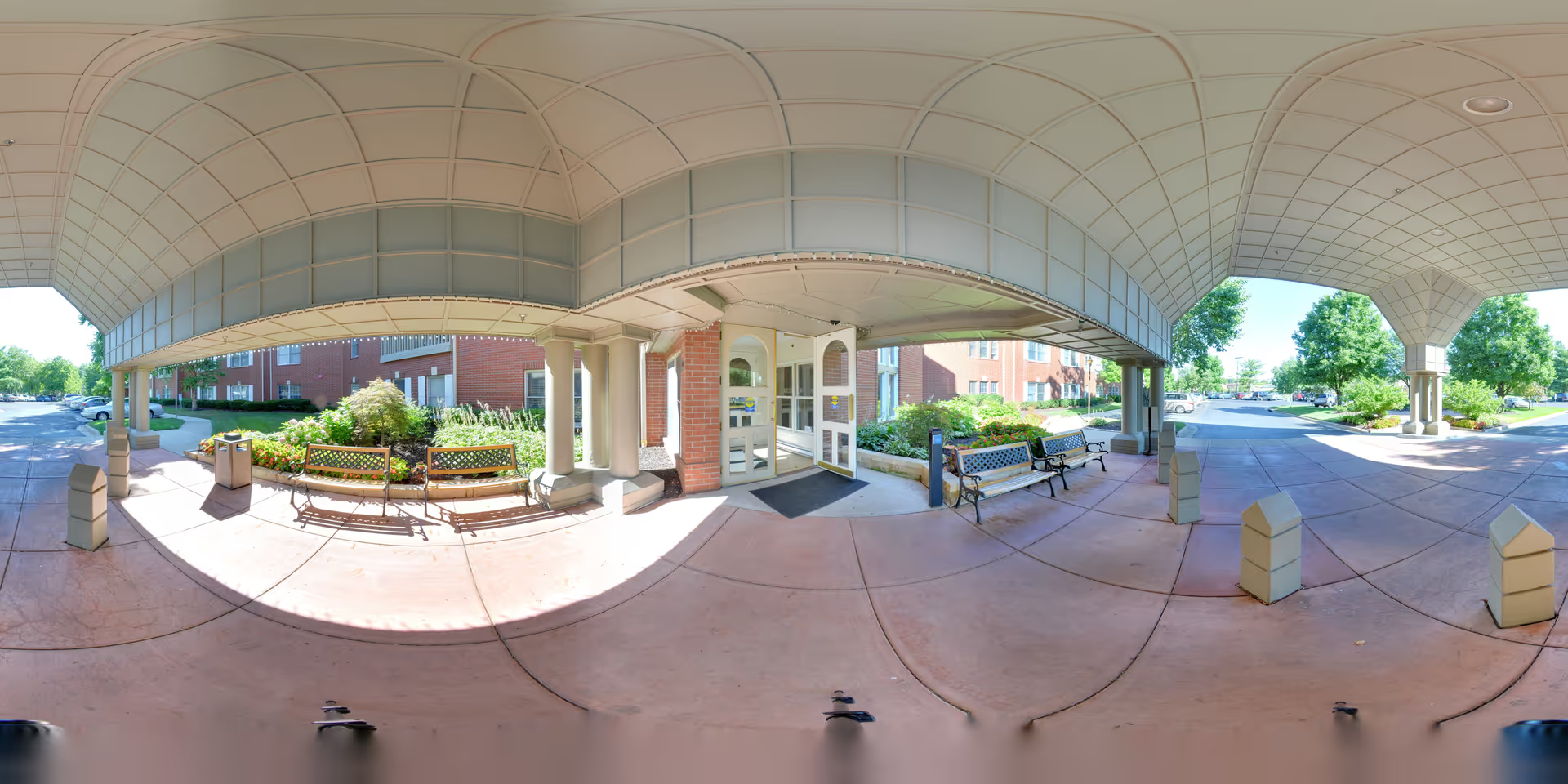
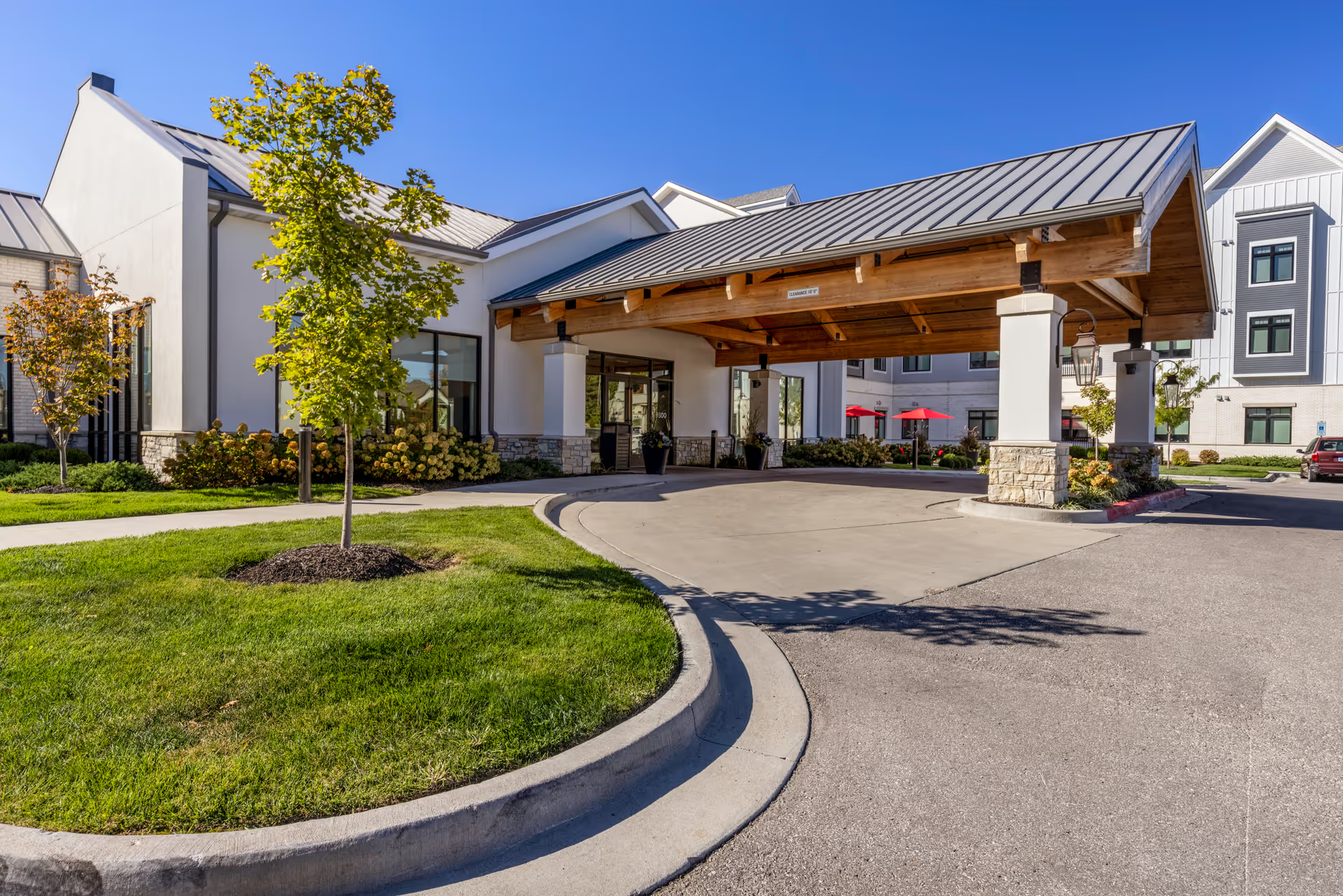
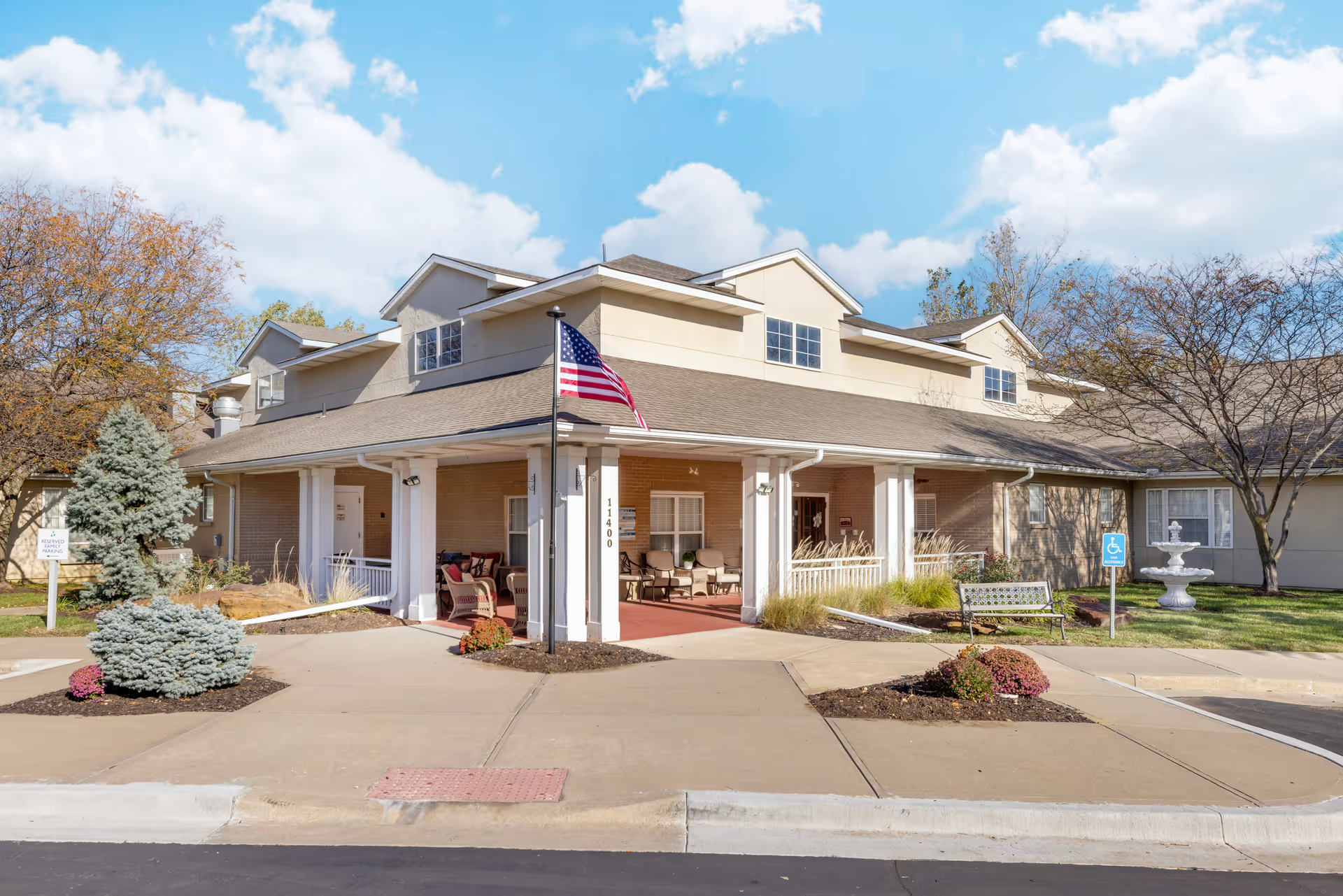
The Ashton on the Plaza presents as a modern, well-appointed assisted living community with a strong emphasis on social engagement and quality of life. The building and common spaces are frequently described as bright, state-of-the-art, and well laid out for mobility, with many units offering natural light and Plaza views. Apartment-style suites with kitchenettes and multiple floor-plan options support an independent-feel environment, and the facility includes several amenity spaces such as theaters, activity rooms, and private gathering areas.
Care and staffing are mixed in their profile. Numerous accounts praise compassionate, patient, and attentive caregivers, credentialed and energetic staff, and a memory-care unit staffed with professionals who provide dignified, person-centered assistance. On the other hand, patterns of inconsistent staffing levels and turnover—including nursing turnover—have been noted. These operational staffing challenges manifest as slower response times at times, periods when additional caregiver presence is desired, and variability in evening or weekend coverage. Families should assess current staffing patterns and handover procedures when evaluating placement.
Dining and programming are strengths that consistently attract positive comments. The culinary program receives many compliments for well-seasoned food, extensive menus (including all-day options), and comfortable dining areas; however, some reviews indicate variability following chef or kitchen staffing changes and a perception of lost consistency over time. The activities program is robust, featuring seated exercise, mind-stretching classes, holiday events, live music, field trips, and frequent social opportunities led by an engaged activities director. Transportation services and off-site outings are highlighted as important contributors to resident engagement and reduced isolation.
Facility operations show both positives and areas requiring attention. Common areas are generally described as clean and well-maintained, and maintenance responsiveness is noted for many building issues. Conversely, reviewers point to inconsistent apartment-level housekeeping and laundry practices, spot-cleaning fees, carpet-cleaning shortfalls, and occasional delays in resolving resident unit damage (including delays following flood events or during ongoing construction). There are also mentions of construction- and traffic-related disruptions tied to the facility’s newness and location.
Management and communication present a mixed picture. Some accounts describe accessible directors, welcoming tours, and improved operational oversight following ownership transition. Other accounts flag management turnover, inconsistent communication with families, delays in follow-up, and unclear fee/charge practices that affect perceived value and affordability. Concerns regarding staff conduct—such as inappropriate conversations, visible cell-phone use, or brusque interactions—point to training and professionalism gaps rather than systematic clinical failure; nevertheless, these issues can affect family confidence and should be discussed during tours and contract review.
Overall, The Ashton on the Plaza is positioned as a strong option for families prioritizing an active social environment, modern facilities, and personalized apartment-style living with on-site therapy and memory-care supports. Prospective residents and families should balance those strengths against operational considerations: verify current staffing levels and turnover, confirm housekeeping and laundry schedules, review meal-plan details and extra fees, and ask how management is addressing construction, maintenance timelines, and staff training to ensure consistent standards. A guided tour with conversations about these specific operational topics will help determine whether the facility’s current performance aligns with a family’s care and service expectations.