Overall impression: The Forum at Overland Park is described predominantly as a small, close-knit community with strong interpersonal strengths. Reviewers consistently highlight long-tenured employees, a warm, family-like culture, and leadership that is accessible and communicative. Move-in coordination and orientation are singled out as thorough and helpful, which supports resident acclimation and early family confidence. The facility offers an age-in-place model with on-site skilled nursing and therapy, and many families report positive outcomes from rehabilitation and therapy services.
Care and staff: Staff quality is the facility's most frequent strength. Nursing, therapy, dining, and activity staff are repeatedly described as compassionate, attentive, and proactive. Several accounts emphasize individualized, respectful care and staff who know residents by name. At the same time, there are recurring operational concerns about staffing consistency — particularly evenings and weekends — and specific clinical gaps in assisted-living care (notably incontinence management and related care planning). These concerns suggest variability in care continuity between levels of service. There is also an isolated but serious claim concerning medication-administration practices; families considering the community should ask directly about medication protocols and oversight.
Dining and activities: Dining is generally praised for taste, presentation, and nutrition, and staff are noted for remembering resident preferences. The activity program is robust: regular classes, clubs, field trips, holiday events, and outings are commonly mentioned and contribute to social engagement. A few reviewers noted that programming can skew toward particular participant groups or interests, and short-term rehab dining options were described as having more limited variety compared with long-term dining services.
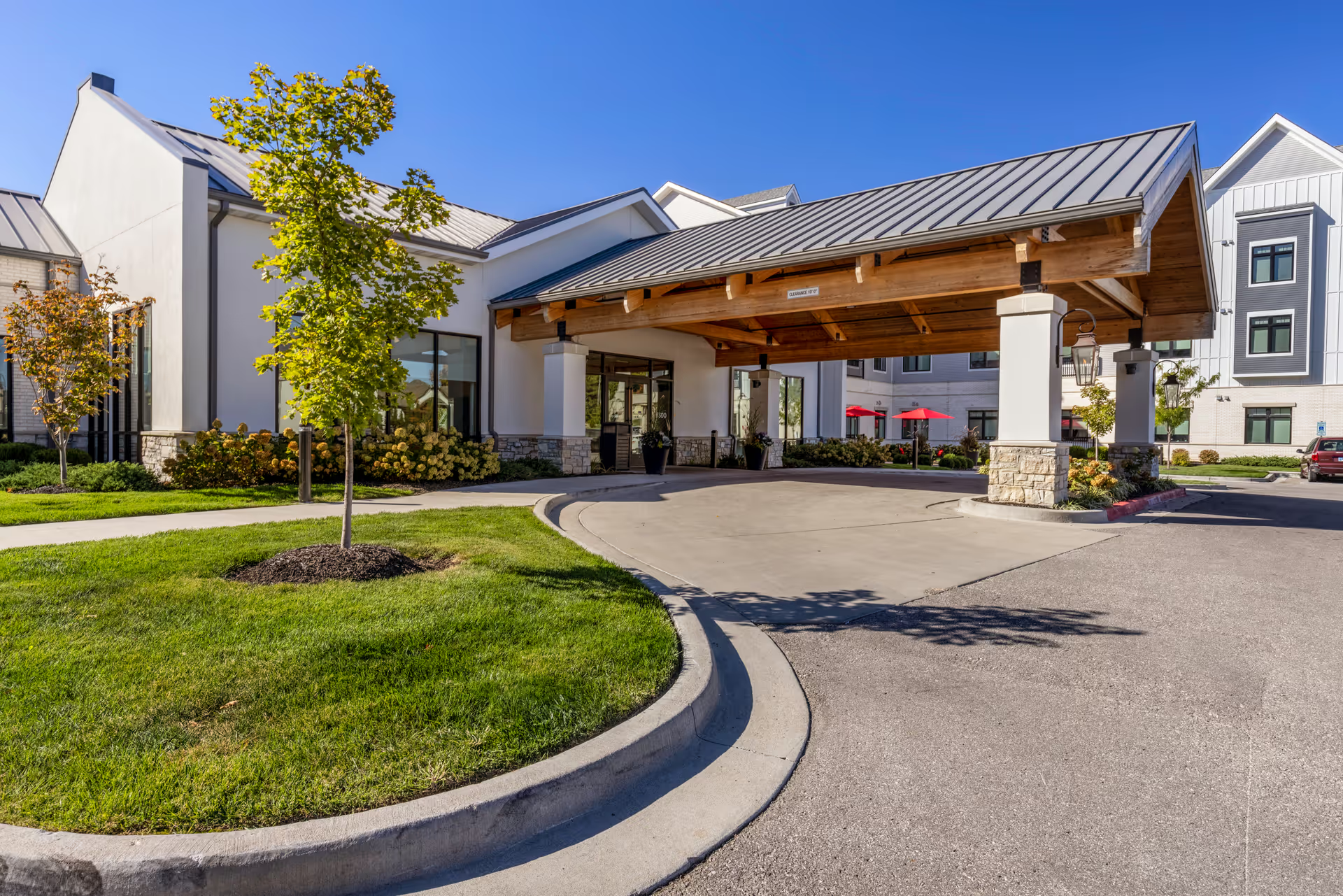
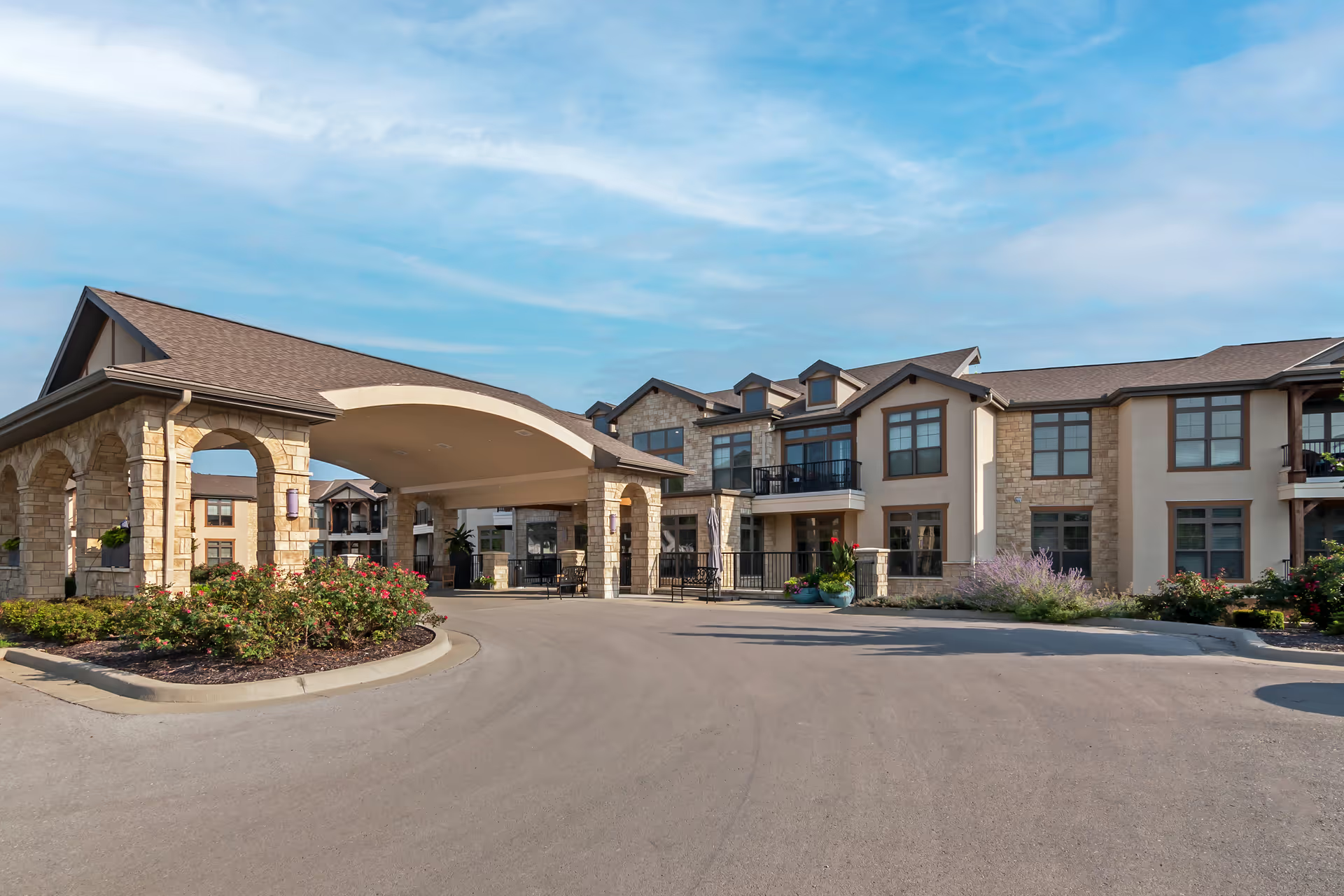
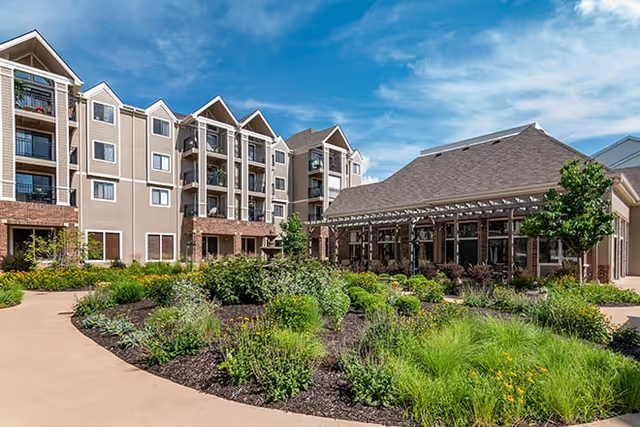
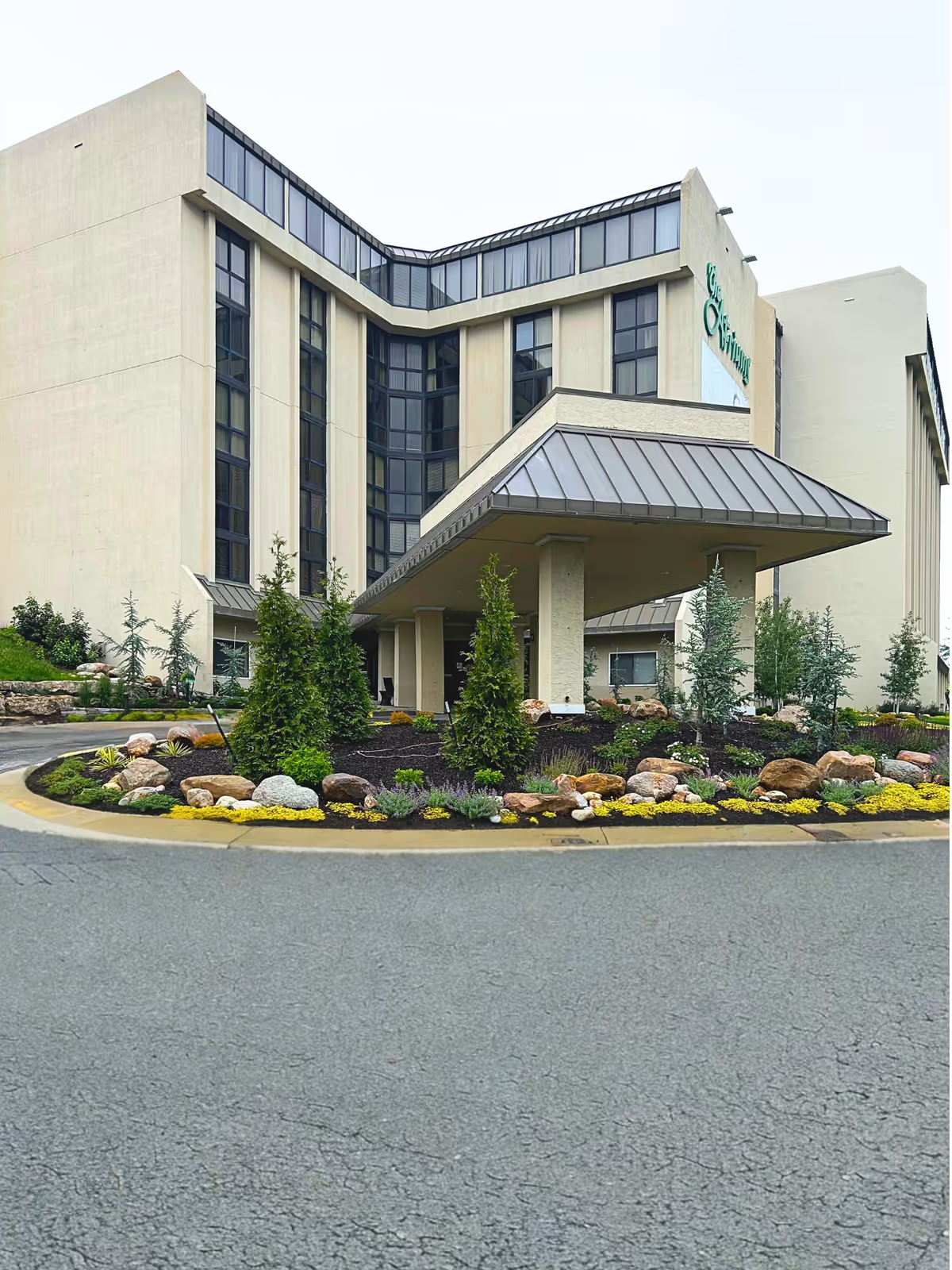
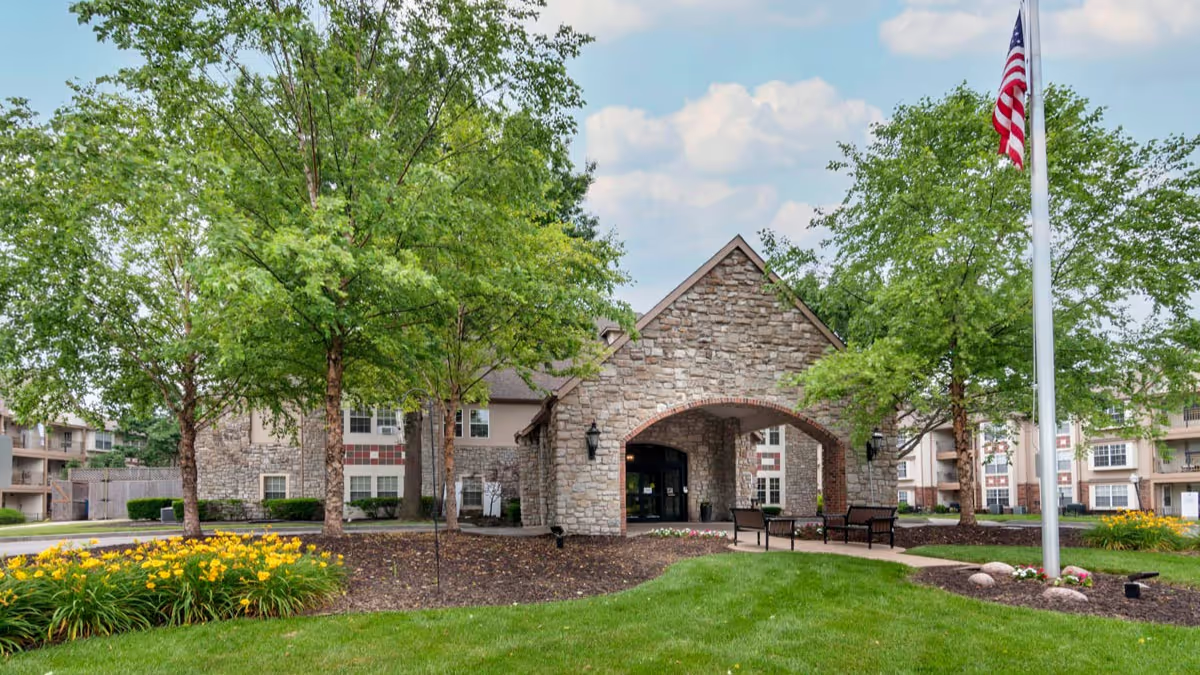
Facilities and amenities: Apartments are frequently described as well-appointed and comfortable with kitchens and space for personal furnishings; the community supports pets and provides on-site salon services, transportation to appointments, and multiple gathering areas. However, the physical plant shows signs of age in places — reviews cite a need for repainting and refurbishment in some areas and occasional maintenance items (for example, slow laundry equipment). Additionally, the skilled-unit footprint and private-room availability are limited, which can constrain options for residents who need higher-acuity or private rooms.
Management and notable patterns: Management and leadership receive positive marks for transparency, responsiveness, and hands-on involvement. Families report clear communication during transitions and events, and maintenance response times are often described as prompt. Patterns to note: despite strong staff engagement, operational pressures (staffing shortages, cost and space constraints when moving to higher care levels) have produced several families' decisions to seek alternative settings for higher-assistance needs. There is also variability in the tour and marketing experience, suggesting prospective families should plan an in-depth, multiple-session visit.
Recommendation for prospective families: The Forum appears to offer a supportive, active, small-community environment with high marks for staff compassion and rehabilitation services. Prospective residents and families should confirm current staffing ratios and weekend/evening coverage, review clinical protocols for continence and medication management, clarify costs and room options for level-of-care transitions, and inspect unit-by-unit maintenance and layout to ensure the physical setting meets their needs. These targeted inquiries will help align expectations with the community's clear strengths and the operational limitations described above.