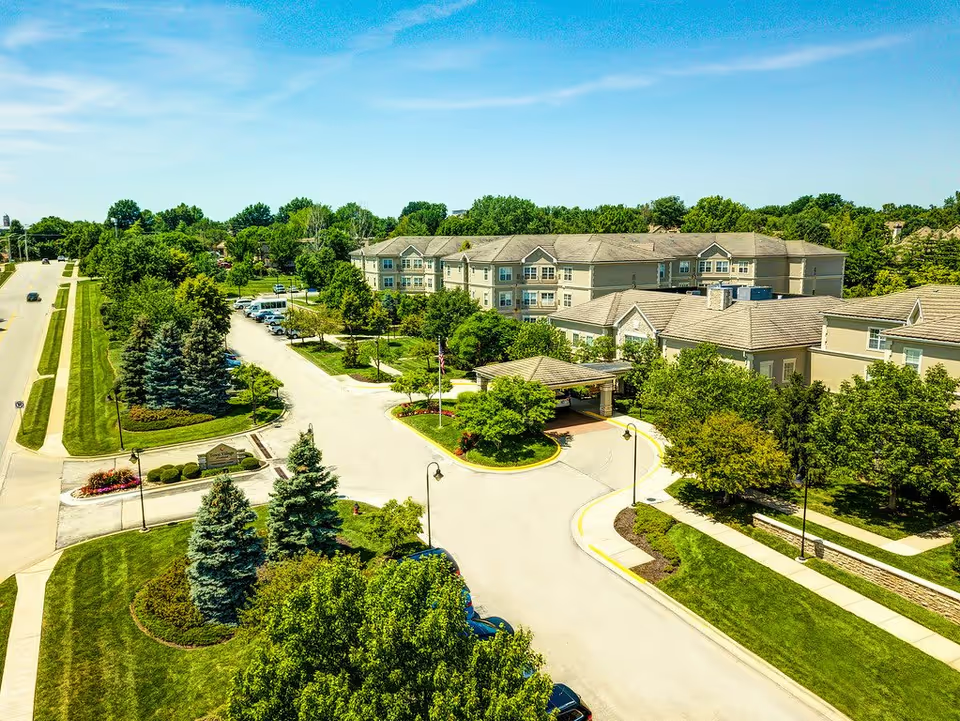
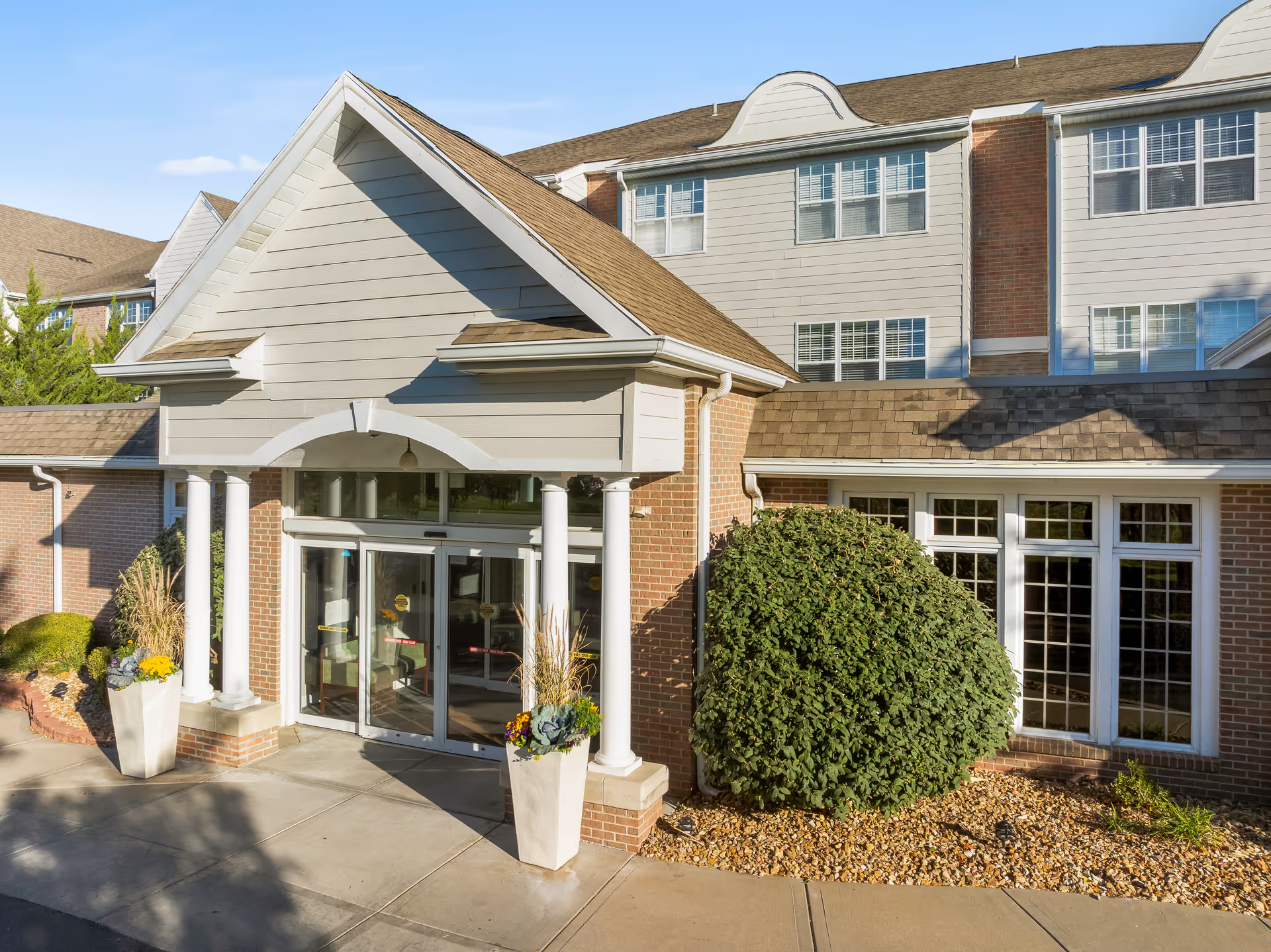
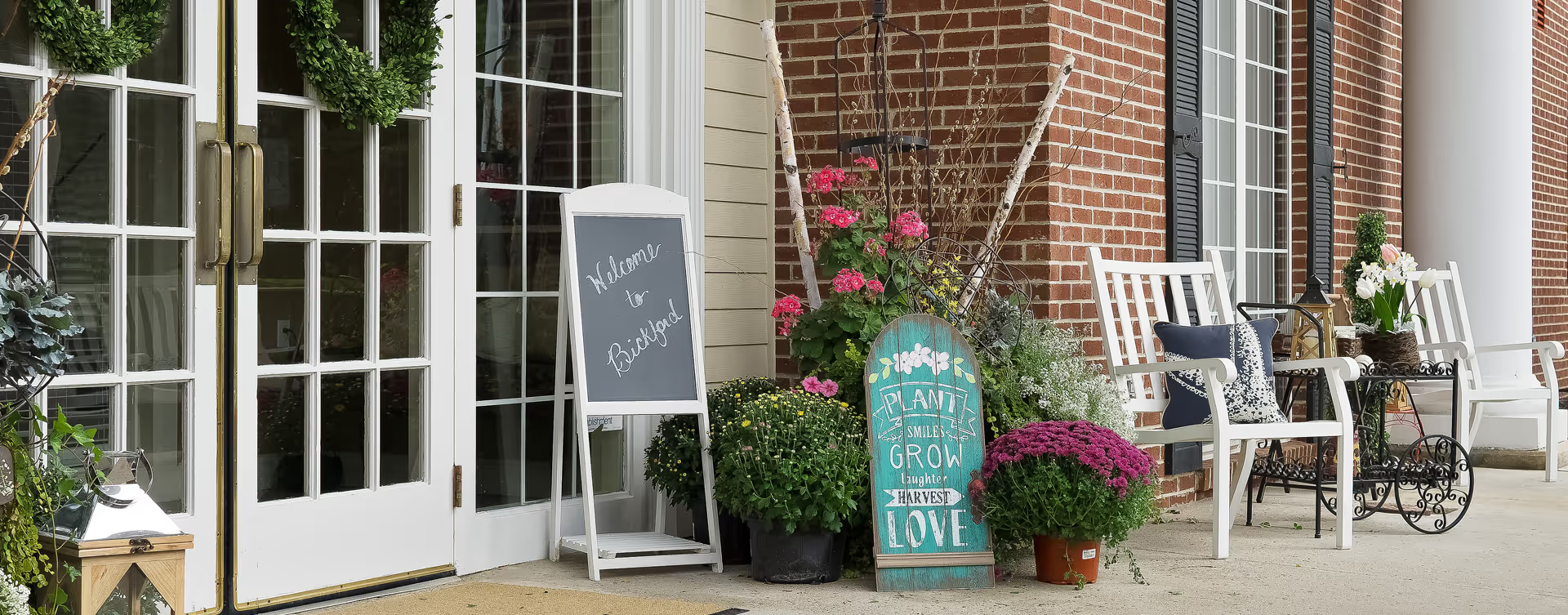
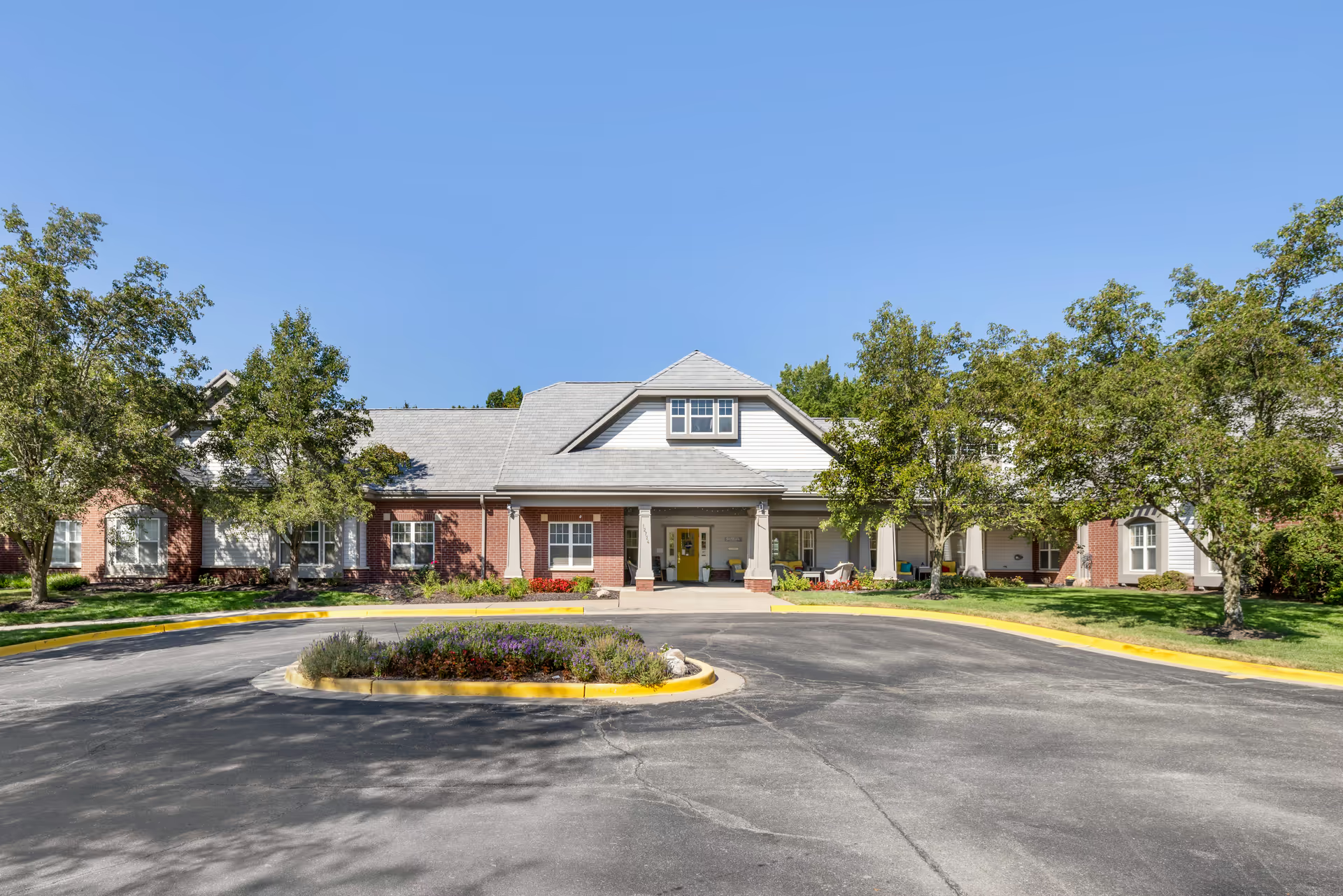
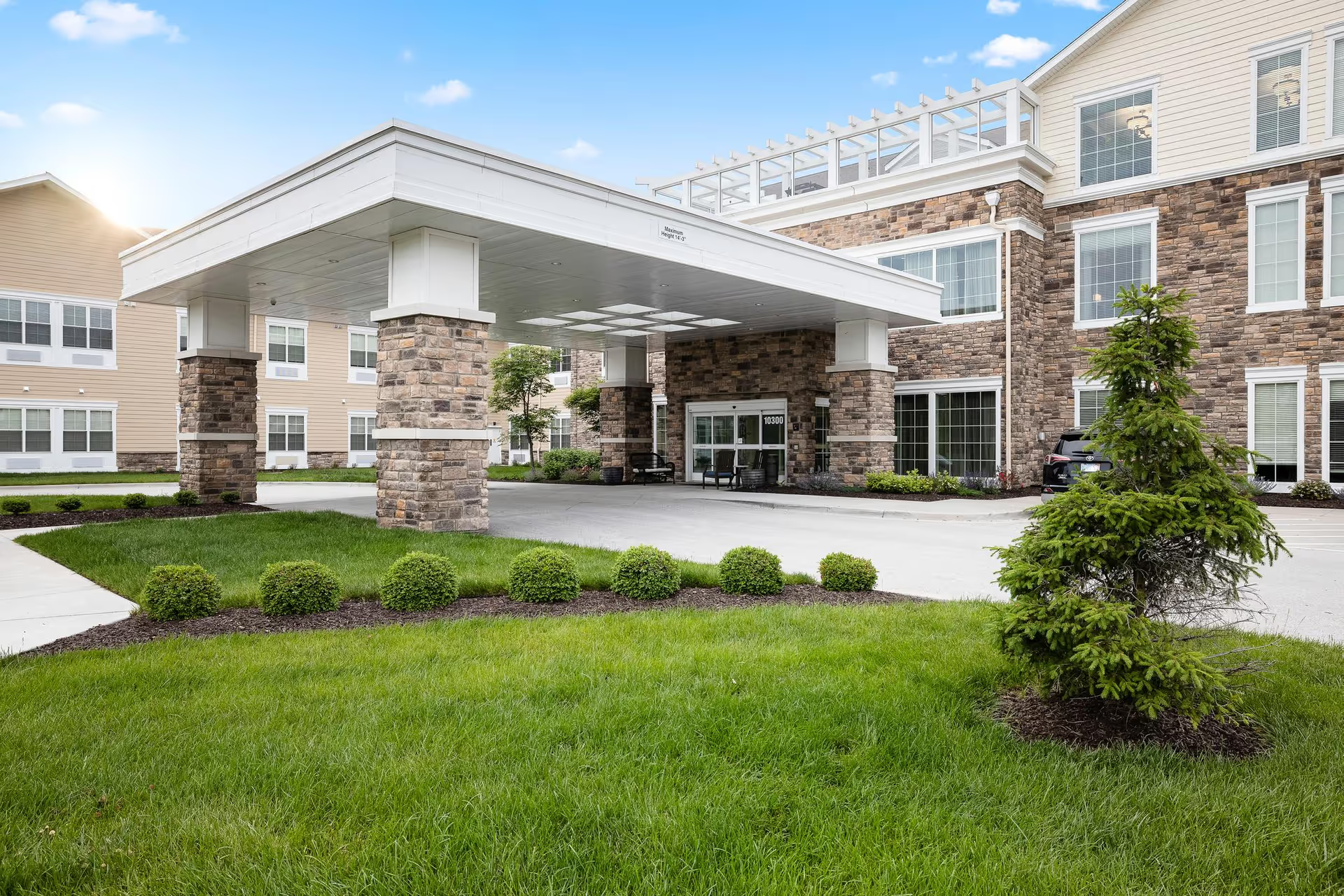
Overall impression Brookdale Overland Park 119th is consistently described as a community with a strong people focus: staff and leadership receive frequent praise for compassion, responsiveness and long tenure, and many residents and families note personalized interactions (staff who learn names and follow up proactively). The community offers a full continuum of care on site, which gives families confidence that higher levels of support are available when needs change. Apartment sizes, light, outdoor access and recent unit refreshes are commonly cited as appealing features.
Care and staff quality Care and resident-facing staffing are among the facility's strongest aspects. Reviewers commonly characterize direct care staff, nurses and management as professional, empathetic and attentive; several references highlight specific staff members and leadership responsiveness during transitions and health events. That said, there are pattern-level concerns about variability in staffing by shift or weekend and occasional delays in clinical responsiveness and test-result communication. Families seeking reliable, timely clinical follow‑up should clarify staffing patterns and escalation procedures during the tour and contract review.
Dining and food service Dining is a focal point of the community experience: Brookdale offers multiple dining venues, restaurant‑style menus, made‑to‑order options, meal delivery and extended dining hours. Long‑tenured culinary leadership and three‑room dining configurations are often mentioned positively. At the same time, there is recurring feedback about inconsistent meal quality and service errors—examples include uneven seasoning, cold sides or mixed orders—and some residents prefer to prepare simple meals in‑unit on days when the dining experience is inconsistent. Prospective residents should sample multiple meals and ask how the kitchen manages quality control and special‑diet accommodations.
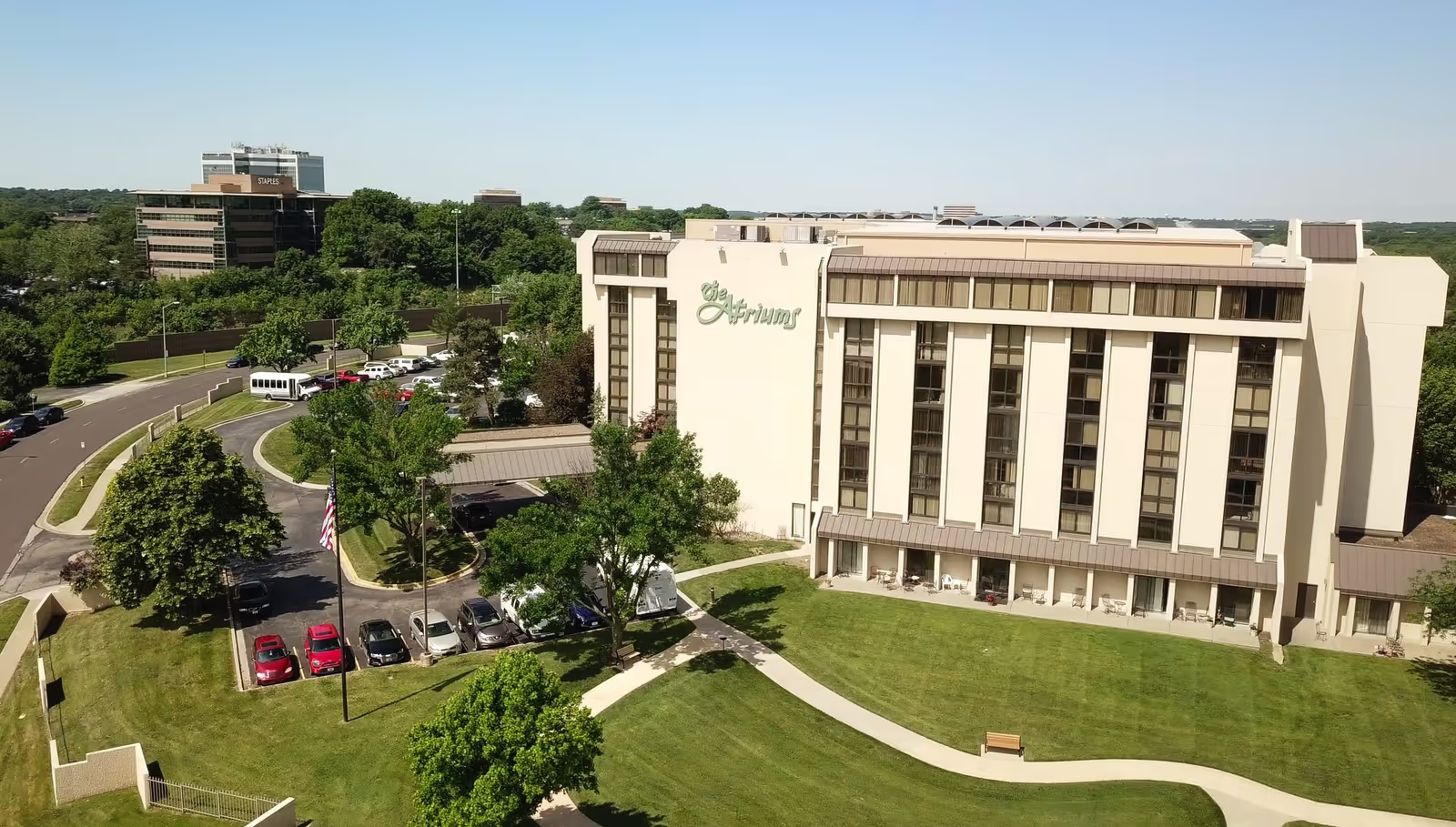
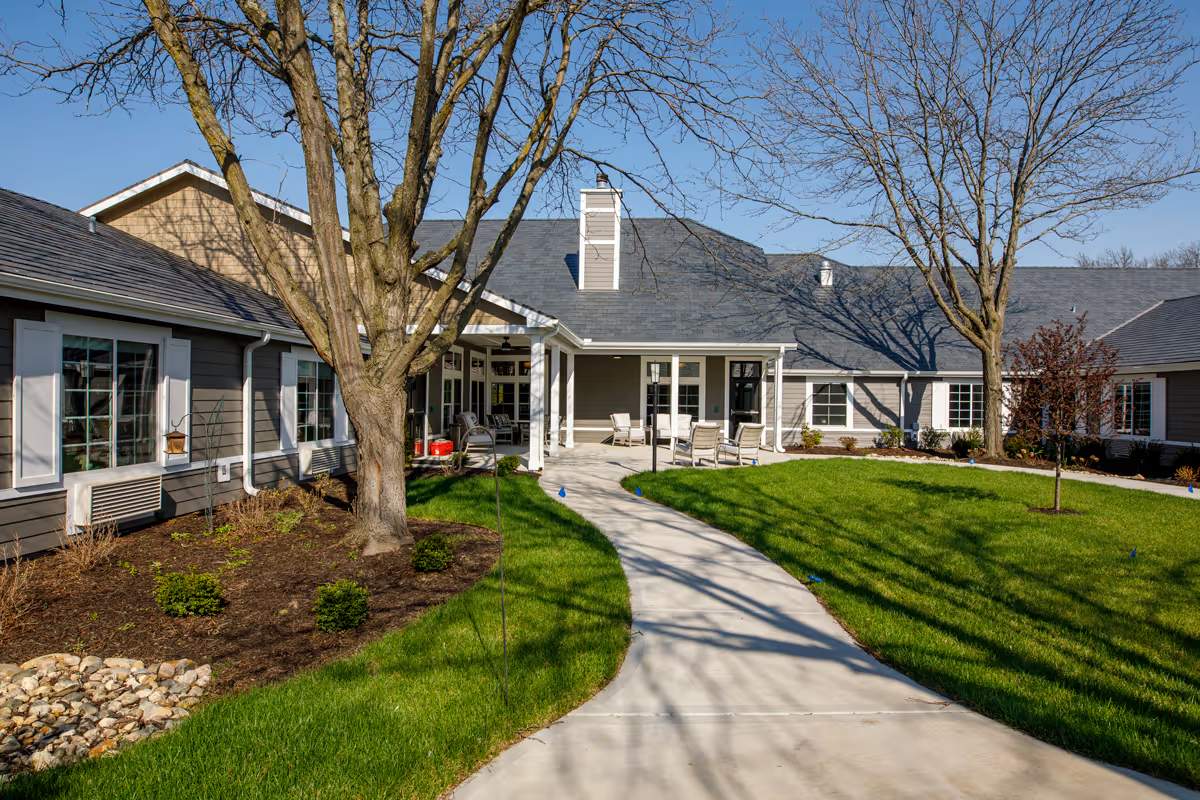
Activities and amenities The activity program is broad and active, with music, arts, exercise groups, outings, regular entertainment and scheduled excursions using on‑site transportation. Campus amenities—pool, pub, salon, library, garden and accessible outdoor areas—support a socially engaging lifestyle. These offerings contribute strongly to resident satisfaction. The campus footprint, however, is large and spread out; long hallways, inclines/declines between buildings and activity locations on multiple floors can be challenging for residents with limited mobility or vision. Ask about mobility aids, shuttle frequency between buildings and placement of common activities relative to the intended apartment.
Facilities, maintenance and housekeeping Many units are described as freshly painted and carpeted, with attractive finishes and in‑unit conveniences (full kitchens, washer/dryer options in some units). Reviewers also note variability: some apartments remain dated, laundry access or recycling is inconvenient, and maintenance attention sometimes focuses on cosmetic fixes rather than persistent functional issues. Housekeeping and linen services are provided, but quality is described as uneven in some accounts. Clarify the renovation schedule, maintenance response times and scope of included housekeeping during any visit.
Management, operations and cost considerations Sales and management staff receive frequent positive mention for helpful tours and move‑in support; families appreciate ongoing check‑ins from leadership. Conversely, reviewers cite operational friction points such as inconsistent billing communication, fee disputes and annual price increases that affect perceived affordability. There are also comments about limited bridging between independent living and assisted services, which can be important for families who expect a seamless escalation of care. Prospective residents should request detailed pricing, fee schedules, and written transition pathways between levels of care.
Notable patterns and recommendations Strengths: individualized staff attention, active programming, multiple dining options and a full campus of amenities create a vibrant, social environment attractive to many independent‑living residents and families seeking continuity of care. Areas to investigate further: consistency of meal quality and dining service, shift‑to‑shift staffing reliability, ease of navigation for residents with mobility or vision limitations, and the facility's billing and transition‑of‑care policies. A thorough tour with meal sampling, a meeting with nursing leadership, and written clarification of fees and care‑transition procedures will help families determine whether the community aligns with their clinical needs and budget.