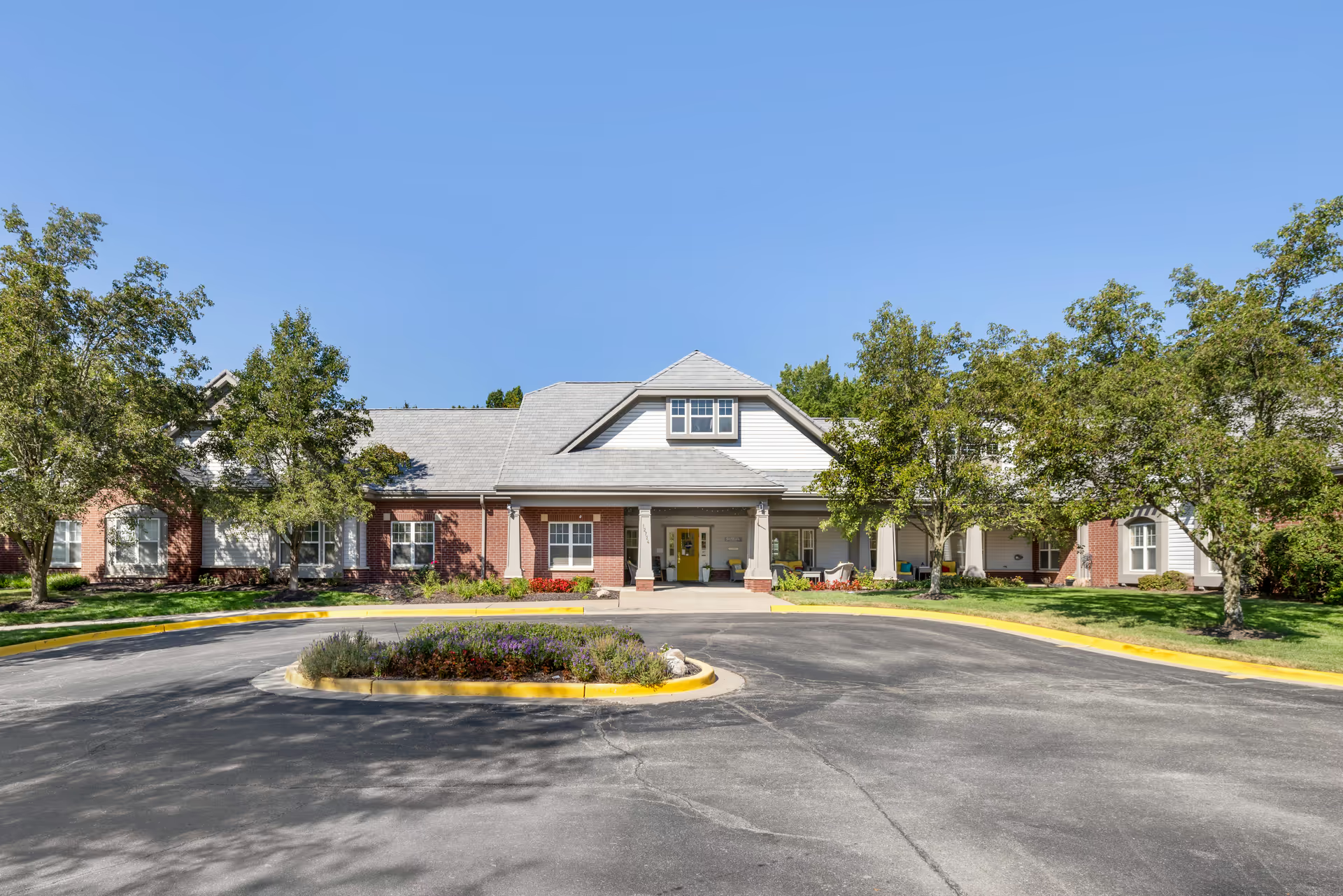
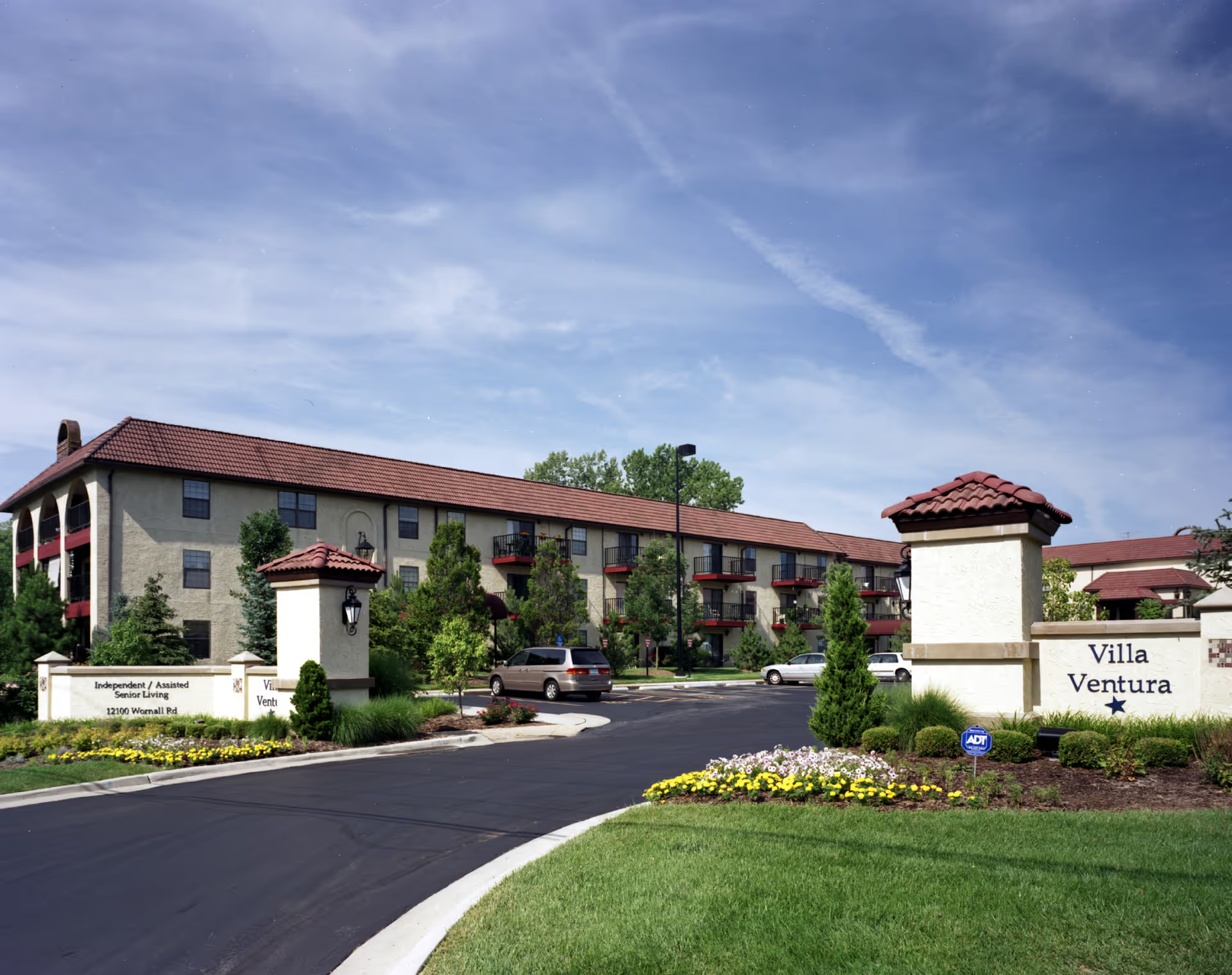
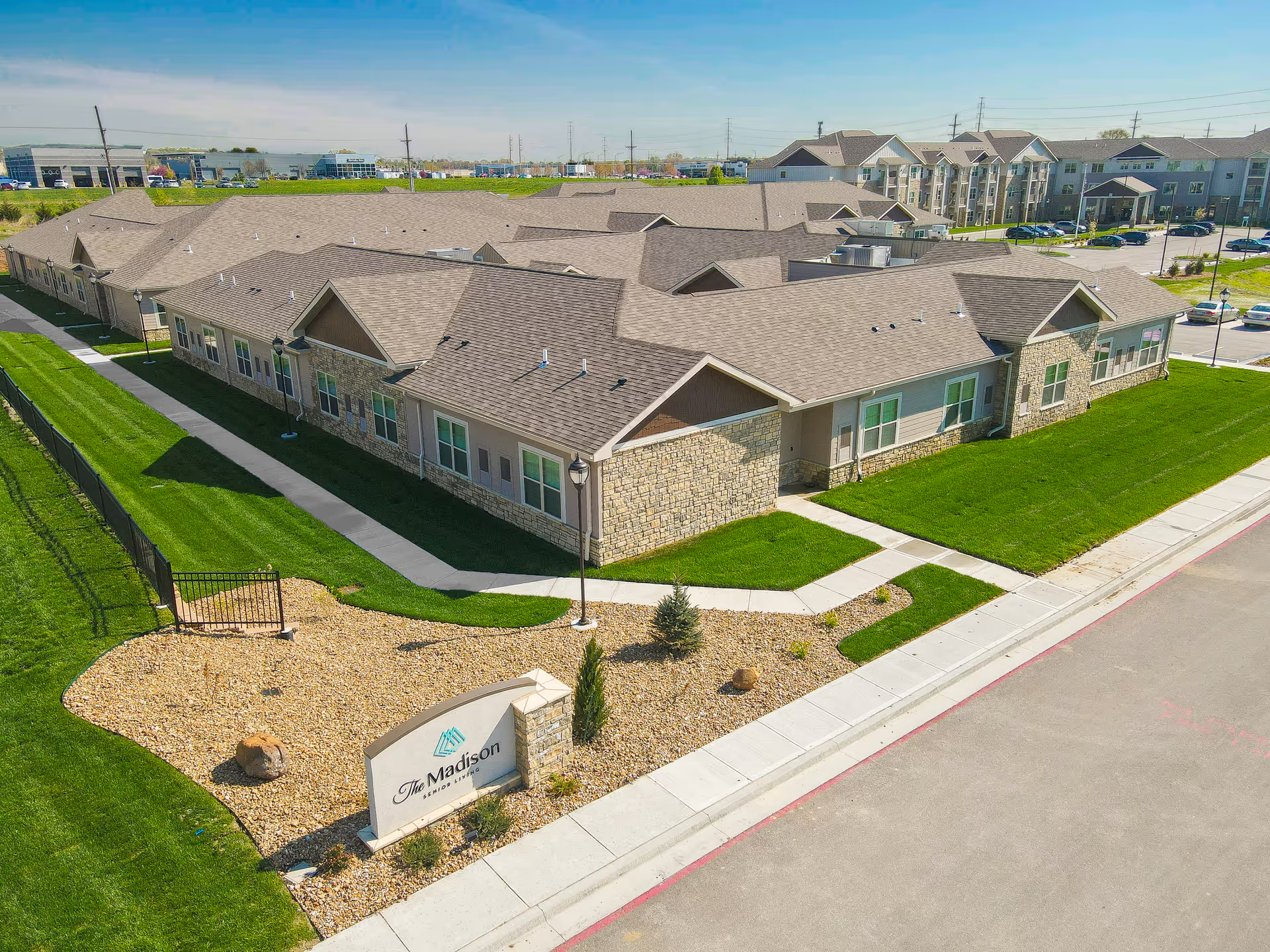
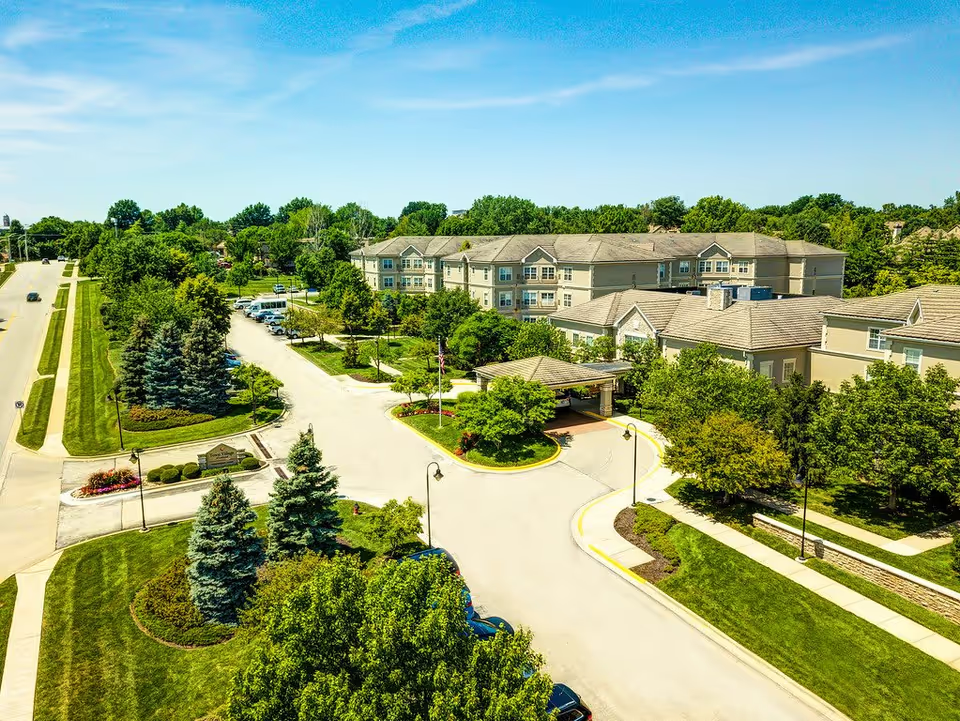
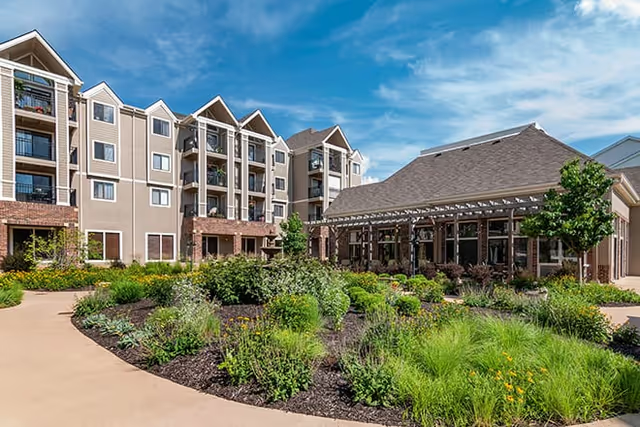
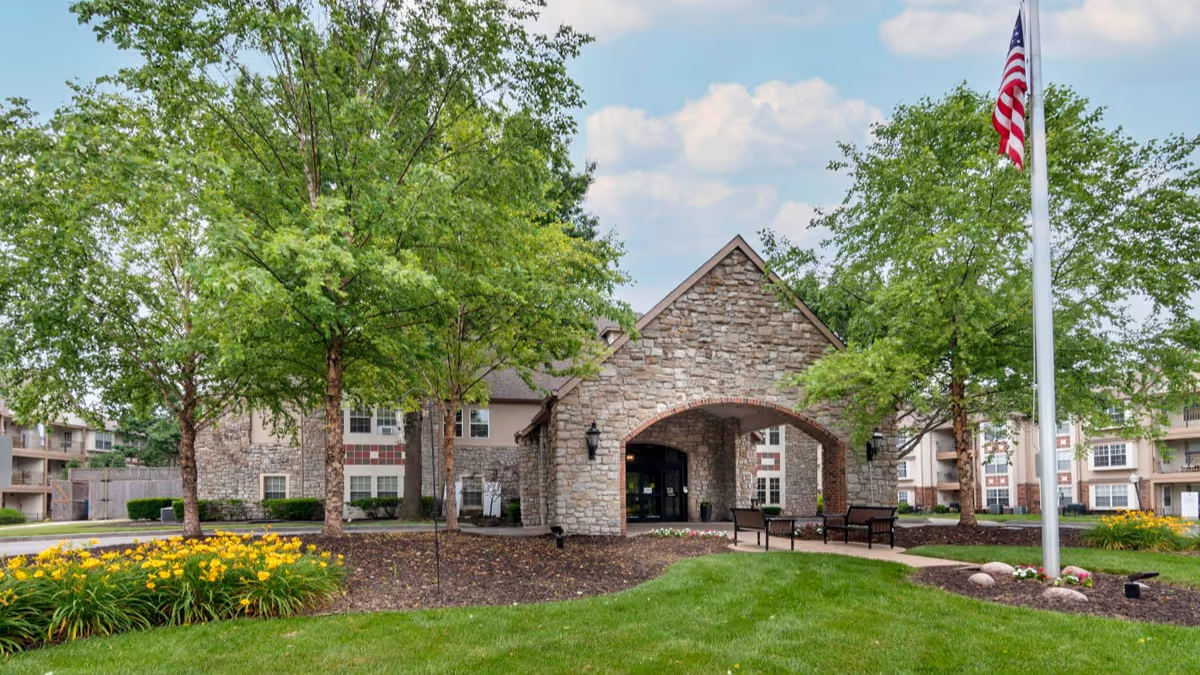
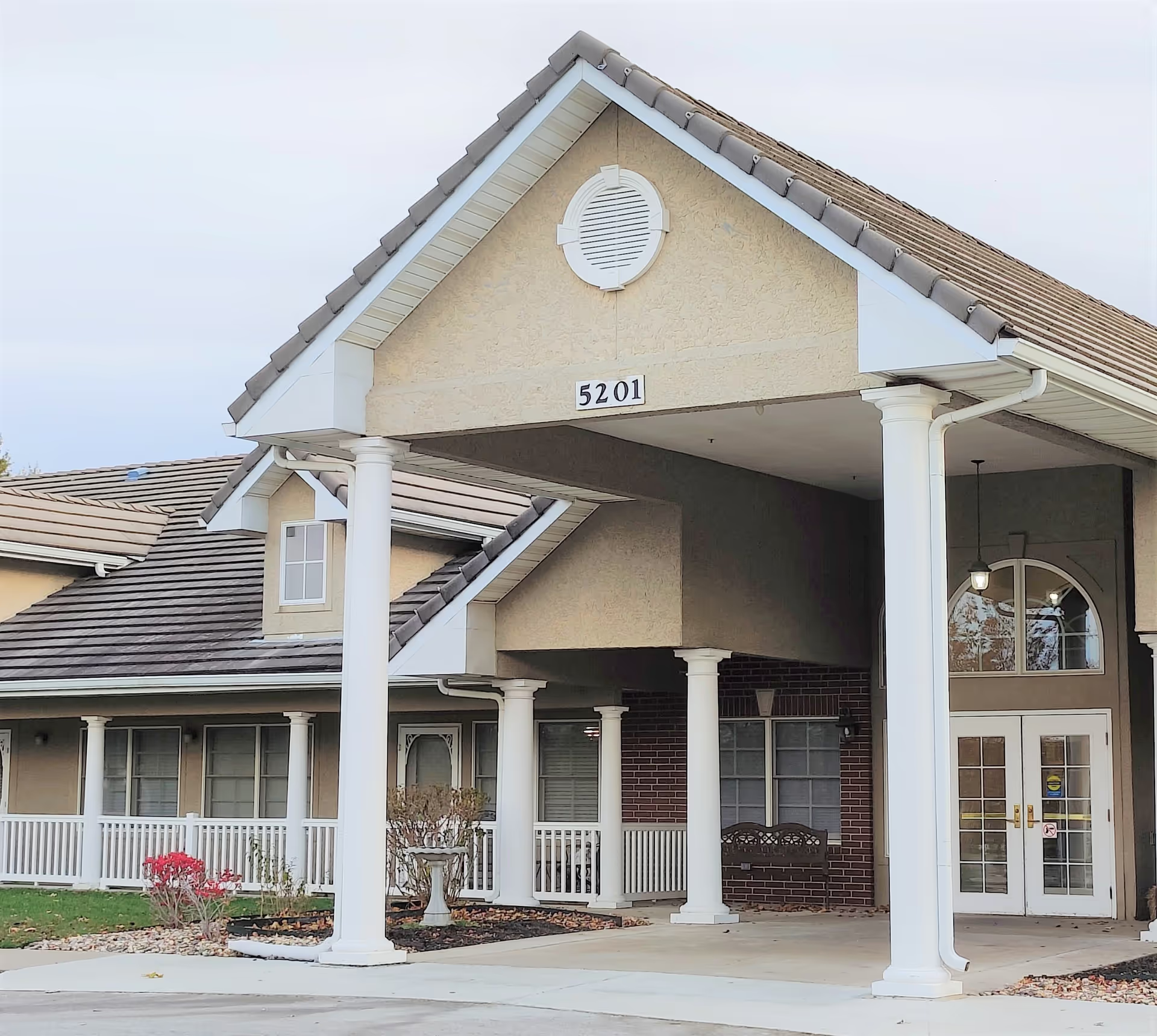
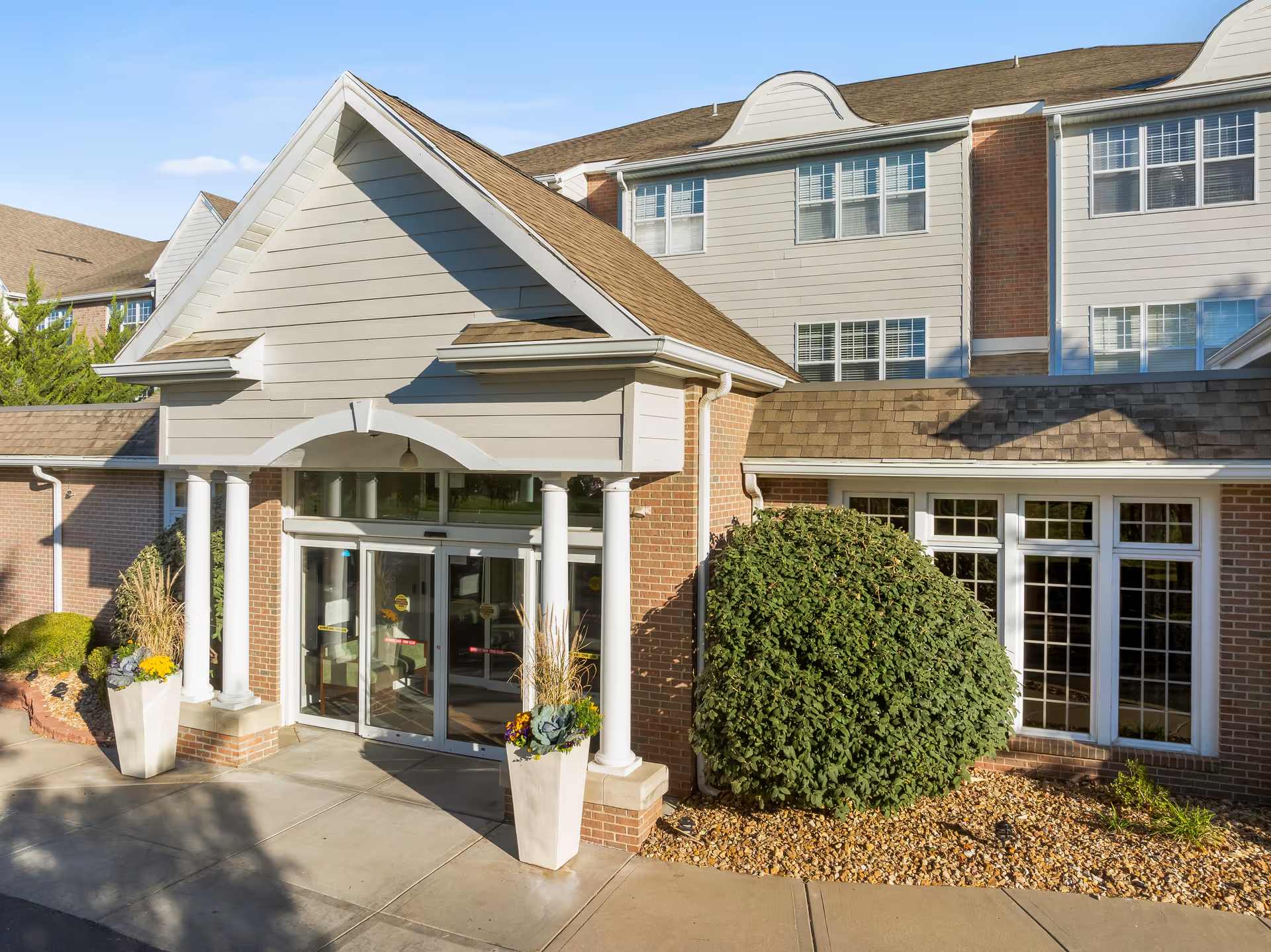
The feedback for Homestead Estates Assisted Living of Leawood presents a mixed but coherent picture. Many families and residents praise the built environment, social programming, and elements of clinical care: reviewers consistently note an inviting, well‑decorated interior and courtyard, apartment‑style private units, organized exercise and wellness offerings, and a robust activities program with frequent outings. Dining has been an important focus — while there are historical concerns about meal variety and healthful options, several accounts describe recent culinary improvements under new kitchen leadership, including station offerings and fresh daily items. Multiple comments highlight compassionate direct‑care staff, attentive unit leadership, and supportive end‑of‑life and hospice coordination.
At the same time, operational patterns recur across the feedback. Staffing instability and turnover emerge as a central concern linked to delays in personal care (for example, missed showers and delayed assistance) and uneven service continuity. Related operational weaknesses include inconsistent laundry and property handling, intermittent cleanliness issues in some areas, and gaps in medication‑management processes. Families also describe communication shortcomings — unanswered emails, limited follow‑up, and difficulties getting timely explanations during care transitions. Several accounts describe poorly managed relocations and move‑related losses or damage to belongings, indicating room for improvement in transition planning and oversight.
Management and leadership appear to be an area of active change. Some reviewers note that recent regional leadership, rehiring of experienced staff, a new chef, and an energized activities director have driven measurable improvements. Others say leadership continuity and administrative recordkeeping remain variable; manager turnover and missing documentation were cited. Emergency preparedness is another operational weakness flagged in feedback: a past power outage with no backup generator and perceived gaps in crisis response underline the importance of asking about contingency plans.
For prospective residents and families, the facility’s strengths are clear: attractive, home‑like spaces; an engaged activities program; accessible design; and examples of strong, person‑centered nursing and hospice care. The main tradeoffs to investigate during a visit are operational reliability — specifically staffing stability, medication and personal‑care processes, laundry/property handling, transportation reliability, communication protocols with families, and emergency preparedness. An in‑person tour that includes a meal sample, observation of activity programming, questions about staffing ratios and turnover, written medication and transfer‑safety protocols, laundry procedures, and emergency power/evacuation plans will help determine whether the current operational improvements align with a prospective resident’s needs.